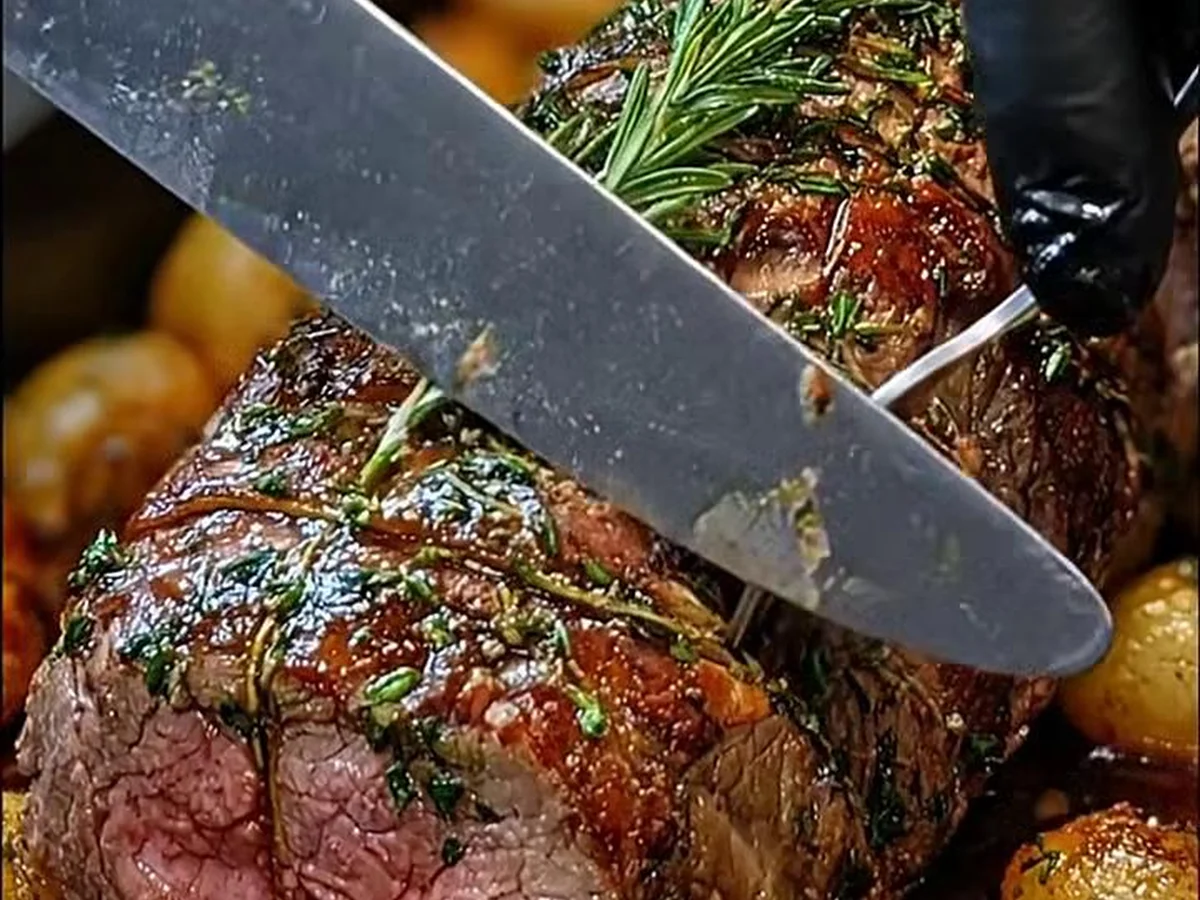
When it comes to comfort food, few dishes can compete with the rich, hearty qualities of a perfectly cooked beef tenderloin. Imagine standing in your kitchen, the tantalizing aroma of herbs and garlic dancing in the air as the meat roasts to perfection. This isn’t just any roast; this is a million-dollar roast beef tenderloin—a dish celebrated for its melt-in-your-mouth texture and sumptuous flavor profile. With a tender, juicy center encased in a savory herb crust, it promises to be the star of any dinner table. As you slice into the beautifully browned exterior, you might notice the enchanting blend of olive oil, garlic, rosemary, and thyme forming a fragrant layer that elevates every bite into an unforgettable experience. It’s no wonder this dish has become a classic at holiday gatherings and special occasions, as it transforms every meal into a memorable moment.
The Origins and History
The genesis of the beef tenderloin dates back to the culinary traditions of Europe, where cuts of meat and their preparation methods evolved over centuries. Known as the ‘filet mignon’ in French, this tender cut was initially celebrated for its exceptional tenderness, making it a prized ingredient in gourmet dining. As globalization took hold, the allure of beef tenderloin spread across continents, becoming a fixture in American cuisine. The attribute of succulence has made it a favorite among chefs and home cooks alike, often spotlighted in dishes that showcase its versatility. The practice of roasting meat with aromatic herbs can be traced through various cultures, with herbs like rosemary and thyme appearing in kitchens from Mediterranean countries to modern American homes. Each culture has embraced this delicious cut, weaving it into the fabric of their culinary history and elevating it to a status worthy of celebrations.
Why You Will Absolutely Love This Recipe
- Flavor Profile: The combination of garlic, fresh herbs, and quality beef creates an explosion of flavor, enhancing the natural richness of the tenderloin.
- Ease of Preparation: Despite its luxurious name and appearance, this dish is surprisingly simple to prepare, requiring minimal active cooking time.
- Crowd-Pleaser: Perfect for both small gatherings and larger celebrations, this roast impresses guests and is sure to please a variety of palates.
- Delicious Leftovers: Leftover beef tenderloin can be transformed into hearty sandwiches or salads, ensuring that each bite is as enjoyable as the first.
Deep Dive into the Ingredients
The star of the dish, the beef tenderloin, is a cut renowned for its luxurious tenderness. Sourced from the loin of the cow, this muscle isn’t used extensively during the animal’s life, resulting in an incredibly soft texture. Opting for a high-quality cut, preferably grass-fed or organic, can elevate your dish tremendously—these options offer richer flavors and a more ethical approach to eating. Next, the olive oil is crucial, ensuring the meat remains moist while forming a delectable crust during roasting; it also helps the herbs adhere. When it comes to kosher salt, its larger grains allow for a balanced seasoning that penetrates the meat effectively, drawing out moisture and enhancing flavor. Black pepper lends just the right amount of heat and complexity to the overall flavor profile, creating a beautiful contrast with the rich meat. The garlic, minced to release its pungent oils, meshes seamlessly with the meat, creating a flavor packed with aromatic depth. Finally, the fresh rosemary and thyme not only complement the beef but also add earthy notes that elevate the entire dish. Should you desire to make substitutions, consider other herbs like tarragon or oregano that could add an interesting twist, or if beef isn’t your preference, a well-trimmed pork tenderloin may be a savory alternative.
Pro Tips for Perfect Results
Achieving the perfect beef tenderloin isn’t just about the ingredients; it’s also about technique. Firstly, allow your beef tenderloin to come to room temperature before cooking; this ensures even cooking throughout. Searing the meat on all sides in a hot skillet before roasting is crucial; it forms a delicious Maillard reaction that enhances flavor and creates an appealing crust. Use a meat thermometer to avoid overcooking; for medium-rare, aim for an internal temperature of about 135°F (57°C). Once the roast is done, resist the temptation to cut immediately; letting it rest for 10-15 minutes allows the juices to redistribute, ensuring every slice is juicy and tender. For optimal presentation, slice your beef against the grain, showcasing its tender texture that makes it so sought after.
Serving and Pairing Suggestions
This million-dollar roast beef tenderloin is versatile enough to serve with a variety of side dishes. Classic pairings include creamy mashed potatoes, roasted seasonal vegetables, or a vibrant mixed greens salad with a tangy vinaigrette. For drinks, consider a robust red wine, such as a Cabernet Sauvignon or a smooth Merlot, that will beautifully complement the richness of the beef. The festive nature of this dish makes it perfect for special occasions, family gatherings, or romantic dinners, adding an element of sophistication to any meal.
Storage, Freezing, and Reheating
To keep your roast tenderloin fresh, it’s recommended to store any leftovers in an airtight container in the refrigerator. Properly stored, it can last for up to 3-4 days. If you wish to extend its shelf life, consider freezing the cooked tenderloin. Wrap it tightly in plastic wrap, followed by a layer of aluminum foil, to prevent freezer burn. When you’re ready to enjoy it, thaw it in the refrigerator overnight and reheat gently in a skillet or oven to retain its moisture and flavor.
Frequently Asked Questions (FAQ)
- Can I make the roast ahead of time? Yes, you can prepare and season the beef tenderloin a day in advance. Just keep it covered and refrigerated until ready to cook.
- What is the cooking time for a beef tenderloin? Generally, roast the tenderloin for about 20-25 minutes per pound for medium-rare at a temperature of 425°F (220°C).
- Can I use frozen beef tenderloin? While it’s preferable to use fresh beef, frozen tenderloin can work. Ensure it’s fully thawed before cooking to achieve even heating.
- What’s the difference between a beef tenderloin and filet mignon? The filet mignon is a steak that comes from the beef tenderloin; it’s typically cut into smaller portions, while the tenderloin is the whole muscle.
- Can I use dried herbs instead of fresh? While fresh herbs provide more intense flavor, you can use dried herbs. Just remember to use about one-third of the amount as dried herbs are more concentrated.
Conclusion
This million-dollar roast beef tenderloin is truly a centerpiece that deserves to be celebrated. With its exquisite flavor, tender texture, and comforting appeal, it promises to create unforgettable moments around the table.
The History of This Recipe
The origin of Million Dollar Roast Beef Tenderloin traces back to a small, bustling diner in a quaint town where locals gathered to share stories and good food. One day, the head chef decided to elevate a humble cut of beef by marinating it in a secret blend of herbs and spices, which unexpectedly became a sensation.
Word spread quickly, and diners flocked to the diner, drawn by the promise of a sumptuous meal that felt both luxurious and comforting. Patrons began calling it the Million Dollar Roast Beef Tenderloin, as it offered an indulgence that seemed worth its weight in gold.
As the dish gained popularity, the chef was inspired to incorporate unique side dishes and artisanal sauces that complemented the tenderloin perfectly. Soon, it became a staple not just in the diner but in fine dining establishments across the country, forever changing how people enjoyed roast beef.
Million Dollar Roast Beef Tenderloin
INGREDIENTS
- 1 (2 to 3 pounds) beef tenderloin, trimmed
- 3 tablespoons olive oil
- 2 teaspoons kosher salt
- 1 teaspoon black pepper
- 4 cloves garlic, minced
- 2 teaspoons fresh rosemary, chopped
- 2 teaspoons fresh thyme, chopped
INSTRUCTIONS
Preheat your oven to 425°F (220°C). Ensure that your beef tenderloin is at room temperature by taking it out of the fridge about 30 minutes before you cook it.
With a sharp knife, trim any excess fat and silverskin from the beef tenderloin for a cleaner finish.
In a small bowl, combine olive oil, garlic, rosemary, thyme, Dijon mustard, balsamic vinegar, salt, and black pepper. Mix well to create a marinade.
Rub the marinade evenly over the entire surface of the beef tenderloin, ensuring that it is well coated. For best results, let the beef marinate for at least 30 minutes or up to overnight in the refrigerator.
Heat a large, oven-safe skillet over medium-high heat. Once hot, sear the beef tenderloin on all sides until a golden-brown crust forms, about 2-3 minutes per side.
Transfer the skillet to the preheated oven and roast for about 20-25 minutes for medium-rare, or until a meat thermometer reads 135°F (57°C). Adjust cooking time if you prefer your beef more or less done.
Once cooked to your liking, remove the beef from the oven, cover it loosely with aluminum foil, and let it rest for at least 15 minutes. This will allow the juices to redistribute throughout the meat.
While the beef is resting, you can prepare a simple pan sauce. Place the skillet over medium heat and, if desired, pour in red wine. Scrape up any browned bits from the bottom of the skillet as the wine reduces by half.
Add butter to the sauce for richness and allow it to melt. Taste and adjust seasoning if needed.
Slice the beef tenderloin against the grain into 1-inch thick slices and serve with the wine sauce drizzled over the top.
Time & Calories:
Prep Time: 15 minutes (plus marinating time)
Cook Time: 30 minutes
Resting Time: 15 minutes
Total Time: 1 hour
Estimated Calories: 400-500 calories per serving (based on 6 servings)
NOTES
Enjoy your delicious homemade Million Dollar Roast Beef Tenderloin !