Introduction
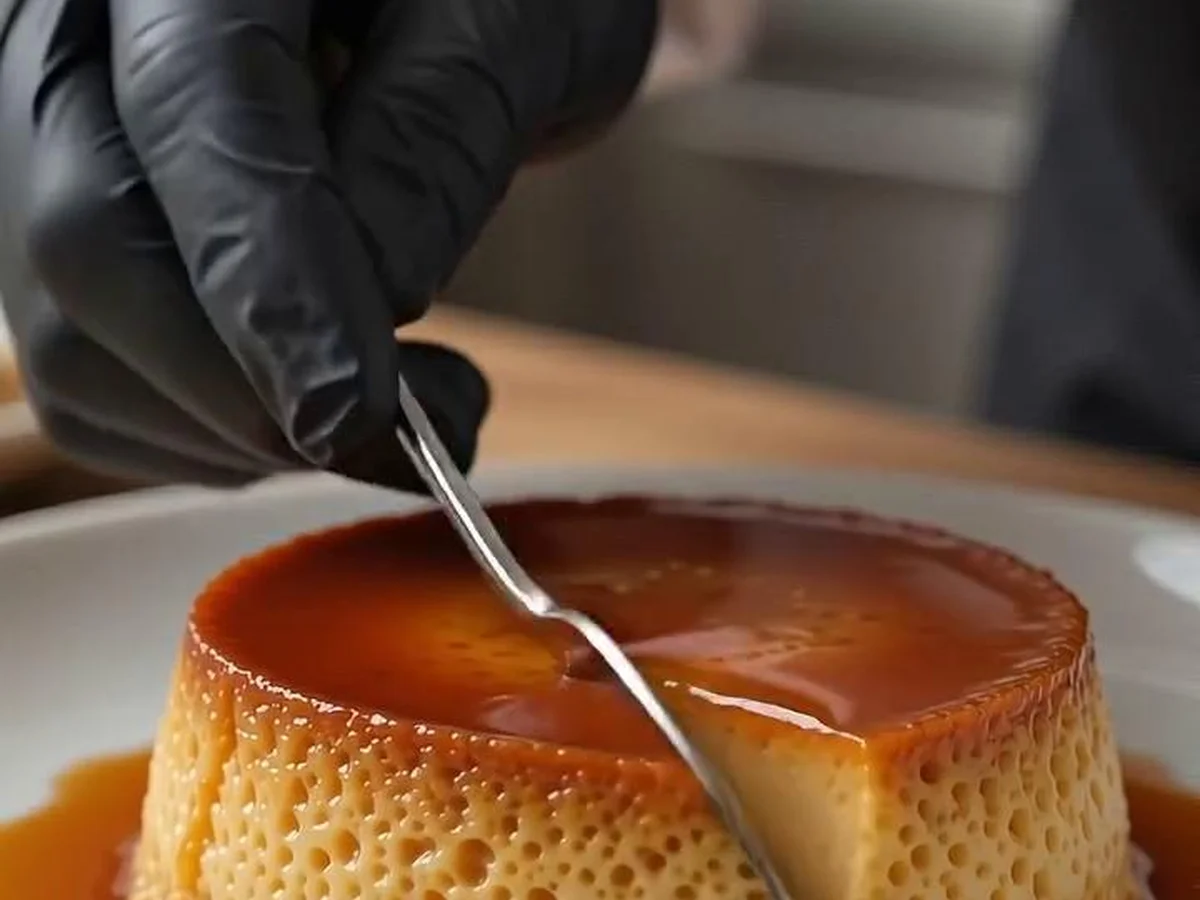
There’s a certain magic that happens when one bites into a piece of homemade flan. As the spoon glides through the creamy surface, a rich golden caramel sheen catches the light, hinting at the deliciousness that lies beneath. The first mouthful is a symphony of textures and flavors—a velvety smooth custard gently embraces the sweetness of the caramel, while the subtle hint of vanilla dances on the palate, creating a delightful sensation that’s both comforting and indulgent. For many, flan is not just a dessert; it’s a cherished memory often associated with family gatherings or festive celebrations. This velvety treat, with its origins deeply rooted in the culinary traditions of Latin America and Spain, has made its way into homes worldwide, captivating hearts and tastebuds alike.
People often describe flan as the ultimate comfort food; it carries with it the warmth of loved ones as well as the coziness of home-cooked meals. When you bake your own flan, the aroma wafting through your kitchen is simply intoxicating, blending rich custard creaminess with a warm nuttiness from caramelizing sugar. Whether it’s a small dinner gathering or a grand fiesta, homemade flan works its charm effortlessly, leaving behind smiles and satisfied sighs. Are you ready to embark on a culinary journey and learn how to make this delight from scratch? Buckle up for a long yet exciting ride!
The Origins and History
Flan, or crème caramel as it is known in some parts of the world, has an intriguing history that traces back to ancient times. The origins of this creamy dessert can be speculated to have begun in the kitchens of the ancient Romans, who enjoyed a savory version of flan made with eggs and milk. Over the years, as the Romans spread their culinary practices, flan crossed borders and was embraced, with variations adapted by different cultures.
In Spain, flan evolved into a sweeter version, incorporating sweet syrups, orange zest, and vanilla. When Spanish colonizers arrived in Latin America, they brought flan with them, leading to its widespread popularity across Hispanic cultures. Today, various regions have their renditions of flan, such as ‘flan de leche’ in Mexico, which adds nuances of cinnamon and nutmeg, creating a distinctly rich flavor. Others might introduce tropical ingredients like coconut or fruit to create new interpretations. This evolution speaks to flan’s adaptability as a canvas for culinary creativity while holding steadfast to its comforting roots.
Why You Will Absolutely Love This Recipe
- Unmatched Flavor Profile: The combination of creamy custard and sweet, molten caramel creates a balance of flavors that is both rich and light.
- Easy to Make: This recipe uses simple ingredients and straightforward methods, making it achievable for both novice and seasoned cooks alike.
- A Crowd-Pleaser: Flan has a universal appeal, making it a perfect dessert option for gatherings, be it a birthday party or a holiday feast.
- Perfect for Leftovers: Flan keeps well in the fridge, allowing for days of snacking on this delightful treat—every bite remaining as fresh as the first one.
- Versatile Options: You can customize flavors to suit your tastes; whether adding citrus zest or introducing exotic spices, the possibilities are endless!
Deep Dive into the Ingredients
When creating the perfect homemade flan, each ingredient plays an essential role in achieving its signature silky texture and delightful flavor. Let’s delve into each component:
- Sweetened Condensed Milk (397 g): This ingredient provides the core of flan’s creamy body and sweetness. The rich, thick texture helps create that luxurious custard we all love. If you desire less sweetness, consider substituting a portion of it with an equal amount of fresh cream or whole milk.
- Evaporated Milk (354 ml): This ingredient introduces a depth of creaminess without the excessive sweetness that can overwhelm the palate. Opting for whole evaporated milk amplifies richness, though low-fat versions can be used for a lighter flan.
- Large Eggs (4): The crucial binding agent, eggs, are responsible for setting the custard as it cooks. Using larger eggs ensures the right balance of liquid to structure, providing that gentle wobble characteristic of a perfect flan.
- Vanilla Extract (1 teaspoon): A teaspoon of pure vanilla extract is essential for elevating flavors and providing warmth to the dish. Feel free to substitute with fresh vanilla bean seeds or flavored extracts to introduce a unique twist.
- Sugar (1 cup for caramel): Sugar is the key player in developing caramel. It transforms from granulated form to a luscious syrup through softening and melting. If you opt for different sweetness levels, consider brown sugar for a richer taste.
- Water (1/4 cup for caramel): A little bit of water helps to ensure even melting, control the temperature, and avoid burning. It’s the perfect balance for achieving that ideal golden-brown hue.
Pro Tips for Perfect Results
Creating the perfect flan requires attention to detail and a few handy tips:
- Caramel Consistency: When preparing the caramel, watch it closely. It can quickly shift from perfectly melted to burnt! When the sugar reaches a golden-brown color, remove it from heat immediately.
- Blending Custard: Ensure all custard ingredients are well-blended. A blender works wonders for achieving a super-smooth texture; however, mixing gently by hand with a whisk is also sufficient.
- Water Bath Technique: Baking in a water bath (bain-marie) helps maintain even cooking temperatures, preventing the custard from cracking and ensuring a silky-smooth finish. Be cautious: add hot water to the pan surrounding the flan dish to maintain a stable temperature.
- Cooling Before Serving: Allow your flan to chill fully in the fridge for at least a few hours (or overnight) to achieve a set texture and to enhance flavors. Trust me; your patience will reward you!
Serving and Pairing Suggestions
Homemade flan is a star dessert on its own, but it can also shine brighter with the right accompaniments. Consider serving it alongside fresh fruit such as berries or mango slices for a refreshing contrast. For beverages, pair it with sweet dessert wines, rich coffee, or even a spiced tea for a delightful balance of flavors. This dessert is perfect for celebrations, family dinners, or just as a sweet ending to any day!
Storage, Freezing, and Reheating
Flan can be stored in the refrigerator for up to five days without losing its smooth texture. Ensure it is covered with plastic wrap or kept in an airtight container to maintain freshness. Freezing is not ideal, as it may affect the texture. However, if you choose to freeze, wrap it well and consume it within three months. When ready to enjoy again, thaw in the refrigerator overnight for the best results. Reheat gently in a water bath or microwave, being careful not to overheat, as custard can separate.
Frequently Asked Questions (FAQ)
- Can I use different flavors in my flan? Absolutely! Feel free to experiment with different flavorings such as coconut, chocolate, or coffee. Infusing the milk with citrus zests or spices will add another layer of flavor.
- Why did my flan crack? Cracking usually results from baking at too high a temperature or not using a water bath. Keeping a stable temperature is crucial, as is ensuring that the eggs are well-incorporated.
- What’s the best way to unmold flan? To unmold, gently run a knife around the edges of the flan to loosen it. Place a plate on top and flip it upside down, giving it a little shake to release.
- What can I do if my caramel turns grainy? If your caramel becomes grainy, it’s often due to crystallization. To prevent this, avoid stirring the sugar once it begins melting; instead, gently swirl the pan if necessary.
- Can I make flan ahead of time for a special occasion? Yes! Flan is ideal for making ahead. Prepare it a day or two in advance, allowing the flavors to mature and settle for a more delightful experience.
Conclusion
Making homemade flan is not only an adventure in flavor but also a celebration of tradition. With this recipe, you’re bound to create a dessert that brings joy and satisfaction to your table. So gather your ingredients, set aside some time, and enjoy the process
The History of This Recipe
Homemade flan has its roots in ancient Roman cuisine, where a dish called fladon was made with eggs and honey. This creamy dessert traveled through time and cultures, gaining popularity in Spain and later spreading to Latin America.
Spanish settlers brought flan to the New World in the 16th century, adapting the recipe by incorporating local ingredients like sweetened condensed milk and vanilla. Over the years, each country infused its own flavors and techniques, creating variations that reflected regional tastes.
Today, homemade flan is cherished for its silky texture and caramelized topping, capturing the essence of family gatherings and celebrations. This beloved dessert continues to be a symbol of warmth and tradition across diverse cultures.
Homemade Flan
INGREDIENTS
- 1 can (397 g) sweetened condensed milk
- 1 can (354 ml) evaporated milk
- 4 large eggs
- 1 teaspoon vanilla extract
- 1 cup sugar (for caramel)
- 1/4 cup water (for caramel)
INSTRUCTIONS
Preheat your oven to 350°F (175°C).
In a saucepan over medium heat, combine the sugar and water to make the caramel. Stir gently until the sugar dissolves, then stop stirring and allow it to boil until it turns a deep amber color, about 8-10 minutes.
Carefully pour the hot caramel into a round 9-inch cake pan or flan mold, swirling it around to coat the bottom evenly. Set aside to cool and harden.
In a blender, combine the sweetened condensed milk, evaporated milk, eggs, and vanilla extract. Blend until the mixture is smooth and well combined.
Pour the milk and egg mixture over the hardened caramel in the cake pan.
Place the flan pan in a larger baking dish and fill the larger dish with water, creating a water bath (bain-marie) that goes halfway up the sides of the flan pan.
Bake in the preheated oven for about 50-60 minutes, or until the flan is set and a knife inserted in the center comes out clean.
Once baked, remove the flan from the oven and carefully take it out of the water bath. Allow it to cool at room temperature for about 30 minutes, then refrigerate for at least 4 hours (preferably overnight) to fully set.
To serve, run a knife around the edges of the flan to loosen it, then invert it onto a serving plate. The caramel will flow over the top.
Time & Calories:
Prep Time: 15 minutes
Cook Time: 60 minutes
Chill Time: 4 hours
Total Time: 5 hours 15 minutes
Approximate Calories per serving (1/8 of flan): 250 calories
NOTES
Enjoy your delicious homemade Homemade Flan !