Introduction
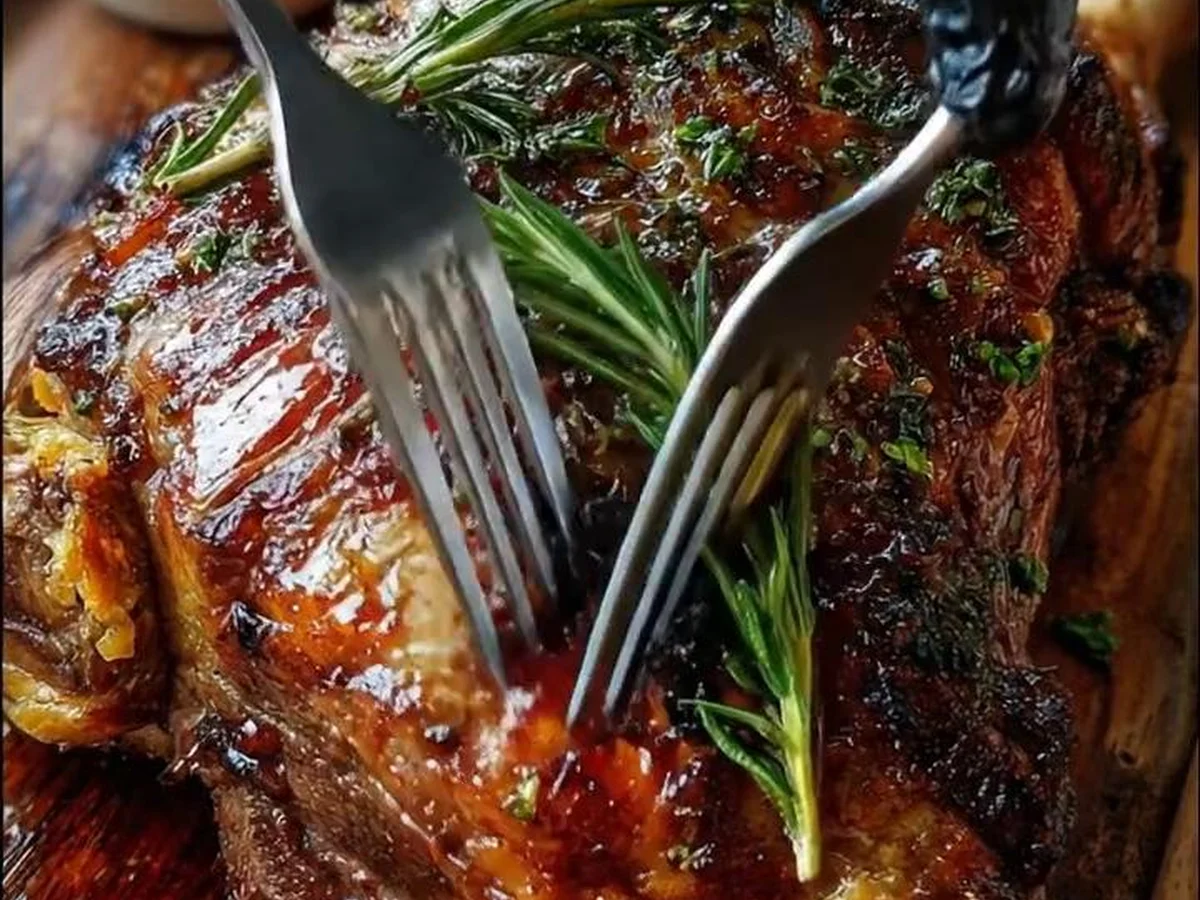
When it comes to the luxurious world of culinary delights, few dishes can rival the allure of a perfectly roasted leg of lamb. The very thought of it evokes a sense of warmth, nostalgia, and celebration. Imagine a gathering around the dining table, where the rich aroma of garlic and herbs wafts through the air, beckoning everyone to sit down and savor a sumptuous meal. This dish has long stood as a symbol of comfort food across cultures, often gracing festive occasions, family dinners, and celebratory feasts. The golden-brown crust, hiding tender, juicy meat within, is not just a sight to behold; it’s an experience to be enjoyed, offering a burst of flavors that seamlessly blend together—earthy notes from rosemary, the fragrant hint of thyme, and the satisfying richness of lamb itself. As the knife glides through the meat, you can almost hear the satisfied sighs of those around you, eager for their first taste. The crispy exterior gives way to a succulent pink interior, releasing juices that enhance each forkful with savory delight. Each bite is a reminder of why this dish has maintained its popularity over generations and across continents, transforming ordinary days into memories worth cherishing. If you’re ready to embark on a culinary adventure that promises not just satisfaction but also the joy of sharing, allow me to guide you through this exceptional lamb leg roast recipe.
The Origins and History
The leg of lamb has a long and storied history, with its roots deeply entwined in various cultures, from the ancient Greek and Roman traditions to modern-day culinary practices. In the Mediterranean region, lamb has been regarded as a symbol of fertility and prosperity, making it a popular choice during springtime celebrations like Easter, where it finds its way onto tables as an emblem of renewal. In countries like Greece and France, roasting a leg of lamb is not just about the food; it’s an event that brings people together. The dish has evolved through centuries, absorbing influences from local herbs, spices, and cooking techniques, leading to the diverse styles we find today. With the advent of globalization, variations of the traditional roast became intermingled, allowing dishes like the Moroccan tagine or Indian lamb biryani to bring lamb leg preparations to a broader audience. This crossover doesn’t just enrich our palates; it binds us with threads of shared culinary heritage, transcending borders and time. As we roast a leg of lamb today, we are not only savoring its flavor but also tasting history—one infused with tradition, love, and a deep connection to the earth.
Why You Will Absolutely Love This Recipe
- Flavor Profile: This recipe bursts with an incredible blend of garlic, rosemary, and thyme, delivering the aromatic and savory notes that complement the natural richness of the lamb.
- Ease: With just a handful of ingredients, this roast is simple to prepare, allowing both novice cooks and experienced chefs to shine.
- Crowd-Pleaser: Lamb leg roast is a dish that never fails to impress. It’s perfect for gatherings, holidays, or any occasion that calls for an impressive centerpiece.
- Leftovers: If you’re lucky enough to have leftovers, they can be transformed into flavorful sandwiches, stews, or added to salads, ensuring that every part of your roast is enjoyed.
Deep Dive into the Ingredients
To truly appreciate the art of roasting a leg of lamb, we must explore the specific ingredients that contribute to its iconic status. The centerpiece—the leg of lamb—offers a balance of tenderness, flavor, and juiciness that few other cuts can match. When selecting your lamb, opt for a bone-in leg for added flavor and moisture during cooking. The bone acts as a natural insulator, helping the meat to cook evenly while also imparting rich, savory notes.
Garlic is another essential ingredient. When minced and infused into the meat, it transcends mere seasoning to become a transformative element, creating a sumptuous marinade that seeps into the fibers of the lamb. Choosing fresh garlic is imperative for optimal taste; the pungent sharpness of raw garlic mellows beautifully during roasting, yielding a tantalizing sweetness that enhances the entire dish.
Olive oil serves as a vehicle for flavor and moisture, ensuring a beautiful crust forms on the exterior of the roast. Its rich and fruity profile complements the seasoning, creating a luscious mouthfeel that perfectly balances the heartiness of the lamb. Always opt for high-quality extra virgin olive oil, as it offers the best flavor and health benefits.
Fresh herbs—particularly rosemary and thyme—are critical in elevating the flavor profile. Rosemary’s woody, evergreen essence aligns harmoniously with the meaty flavors of lamb, while thyme introduces an earthy note that rounds out the dish. Fresh herbs are a must here; dried herbs simply can’t replicate their vibrant, aromatic qualities.
The combination of salt and black pepper rounds out the seasoning, enhancing the natural flavors rather than masking them. These basic yet crucial ingredients form the backbone of flavor, highlighting rather than overpowering the lamb’s inherent sweetness. For those looking to personalize their roast, consider adding a splash of lemon juice for brightness, or a touch of cumin and coriander for an exotic flair.
Pro Tips for Perfect Results
Achieving roast perfection requires not just the right ingredients, but careful attention to technique. First and foremost, ensure your lamb is at room temperature before you begin cooking. This allows for even cooking and helps to maintain tenderness. Searing the lamb in a hot oven at the beginning of the roasting process enhances the Maillard reaction, resulting in a highly desirable, crispy exterior that locks in moisture.
When seasoning, don’t be shy—rub the minced garlic, salt, and herbs directly into the surface of the lamb, ensuring that the flavors permeate. Consider using a meat thermometer to monitor doneness; aim for an internal temperature of 135°F for medium-rare and allow for a resting period of at least 15-20 minutes before carving. This resting time is crucial, as it allows the juices to redistribute throughout the meat, preventing a dry roast.
Lastly, don’t forget to baste the lamb with its own juices halfway through roasting. This not only enhances the moisture but also contributes to the rich flavor development, creating a succulently tender roast that will have everyone reaching for seconds.
Serving and Pairing Suggestions
A leg of lamb roast beautifully lends itself to a variety of accompaniments. Consider pairing it with roasted vegetables like carrots, potatoes, and Brussels sprouts drizzled with olive oil and seasoned with herbs. A fresh mint yogurt sauce can provide a perfect cooling contrast to the richness of the lamb. As for drinks, a bold red wine, such as Cabernet Sauvignon or a robust Syrah, beautifully complements the flavors of the dish. Its tannins and acidity can balance the meat’s richness perfectly. This dish is perfect for holidays, family gatherings, or a special Sunday dinner that deserves a bit of ceremony.
Storage, Freezing, and Reheating
Leftover lamb can be a culinary treasure. Allow any leftovers to cool completely before transferring them into an airtight container. Properly stored, they can last in the refrigerator for up to 3-4 days. If you wish to extend the enjoyment of your roast further, lamb can be frozen for up to 3 months. When reheating, gently warm the lamb in a low oven or on the stovetop to avoid drying it out. A splash of broth can rejuvenate the moisture and flavor, ensuring every bite is as succulent as the first.
Frequently Asked Questions (FAQ)
1. Can I use a different cut of lamb for this recipe? Absolutely! A boneless leg of lamb, shoulder, or rack of lamb can all be excellent alternatives, though cooking times may vary.
2. How can I tell when the lamb is done? Using a meat thermometer is the most accurate method. For medium-rare, aim for 135°F. Remember to account for carryover cooking, where the meat’s internal temperature rises slightly after you take it out of the oven.
3. Can I marinate the lamb overnight? Yes! Marinating overnight can enhance the flavors further, allowing the garlic, herbs, and olive oil to infuse deeply into the meat.
4. What if I don’t have fresh herbs? If fresh herbs are unavailable, dried herbs can be used, but remember that their flavors are more potent. Use about one-third of the amount you would use for fresh herbs.
5. Can I cook this in a slow cooker? Yes, a slow cooker can be an excellent alternative for tender, fall-off-the-bone results. Simply add the seasoned lamb and cook on low for 6-8 hours, making sure to add some liquid to keep it moist.
Conclusion
As we close this exploration of the magnificent leg of lamb roast, I hope you feel inspired to bring this stunning dish to your table. With its rich history, delectable flavors, and ease of preparation, this roast promises to be a cherished centerpiece at your dining gatherings.
The History of This Recipe
The origin of lamb leg roast dates back to ancient civilizations, where the domestication of sheep made lamb a staple in many diets. As societies developed, the practice of roasting meat over an open flame became a popular method for cooking, allowing flavors to meld and enhance the dish.
In medieval Europe, lamb was often associated with festive occasions and religious celebrations, symbolizing abundance and prosperity. The technique of slow-roasting leg of lamb emerged from this tradition, emphasizing the tender texture and rich taste of the meat.
Today, lamb leg roast is cherished worldwide, often served during holidays and family gatherings. Its enduring popularity showcases the timeless appeal of this classic dish, bridging cultures and generations.
Lamb Leg Roast
INGREDIENTS
- 1 bone-in leg of lamb (4–6 lbs)
- 4 cloves garlic, minced
- 2 tbsp olive oil
- 1 tbsp fresh rosemary, chopped
- 1 tbsp fresh thyme, chopped
- 1 tbsp salt
- 1 tsp black pepper
INSTRUCTIONS
Preheat your oven to 325°F (163°C).
In a small bowl, combine the minced garlic, olive oil, chopped rosemary, thyme, salt, and black pepper, forming a paste.
Use a sharp knife to make small incisions all over the leg of lamb. Rub the garlic and herb paste into the incisions and over the entire surface of the meat for maximum flavor.
Place the lamb in a roasting pan and tuck the extra rosemary and thyme sprigs around it.
Scatter the chopped carrots and quartered onions around the lamb in the roasting pan.
If you’re using red wine, pour it into the roasting pan along with the broth. This will create a flavorful base for the meat to cook in and help keep it moist.
Cover the roasting pan with aluminum foil and place it in the preheated oven. Roast the lamb for approximately 2 to 2.5 hours, or until the internal temperature reaches 135°F (57°C) for medium-rare.
About 30 minutes before the cooking time is up, remove the foil to allow the lamb to brown and develop a nice crust.
Once done, remove the lamb from the oven and let it rest for at least 15-20 minutes before carving. This allows the juices to redistribute throughout the meat.
Slice and serve the lamb leg with the roasted vegetables and drizzled with the pan juices.
Time & Calories:
Total Time: 3 hours (includes preparation & cooking)
Calories: Approximately 400-500 calories per serving (varies based on portion size and preparation).
NOTES
Enjoy your delicious homemade Lamb Leg Roast !