Introduction
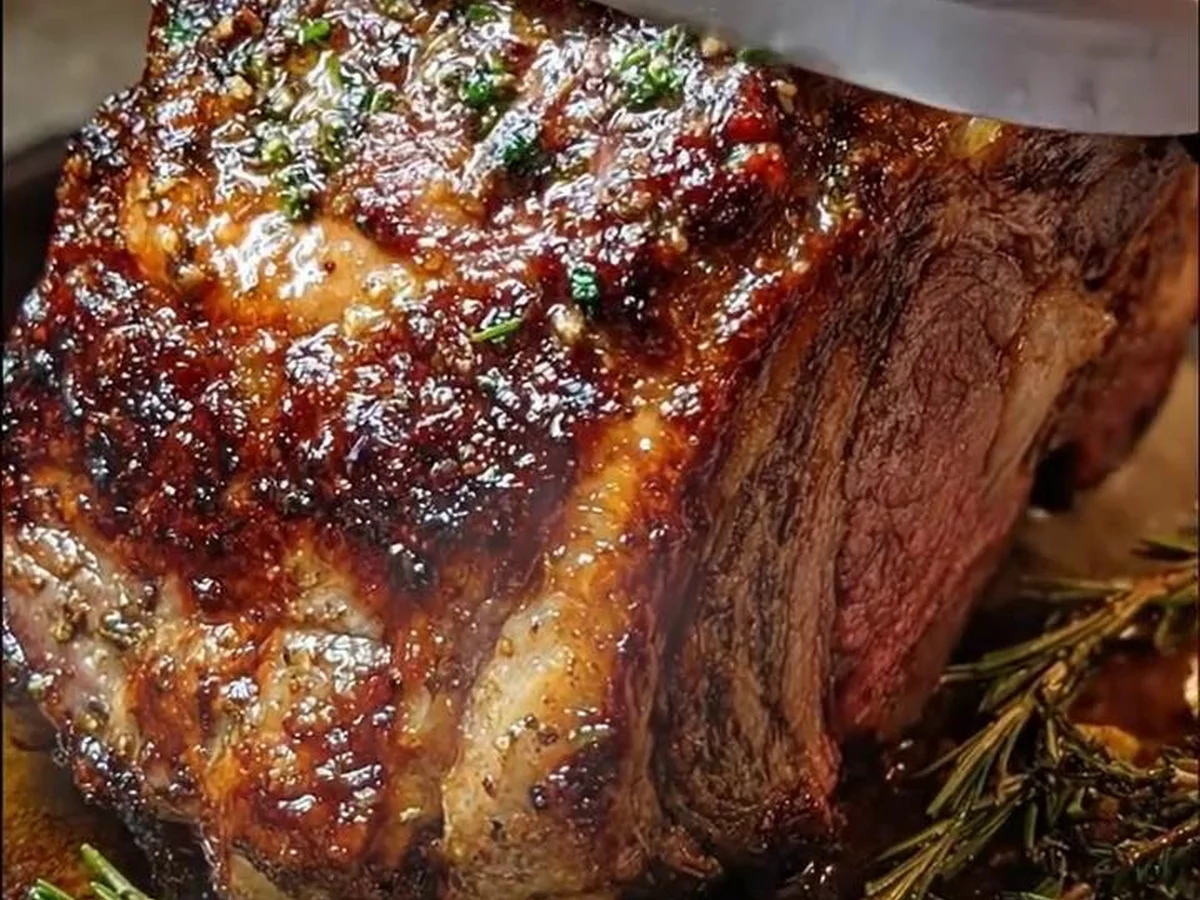
As the frost begins to settle on winter mornings and festive lights adorn the streets, nothing captures the essence of Christmas quite like a beautifully cooked prime rib. This delectable cut of beef, known for its tenderness and rich flavor, becomes the centerpiece of holiday gatherings, evoking warmth and merriment. The aroma wafting through a festive home—juicy meat enveloped in a crust of garlic and herbs—truly embodies the ultimate comfort food experience. When served medium-rare, each slice offers a delightful balance of marbled fat and lean meat, ensuring a melt-in-your-mouth sensation that leaves eaters craving more.
Moreover, preparing a prime rib roast is not merely about the act of cooking; it is an occasion in itself. It’s a chance to gather loved ones around the table, indulge in some culinary magic, and create lasting memories. From the moment you unveil this stunning roast to the moment it graces the plates of your family and friends, its rich flavor, tender texture, and juiciness ensure it will become a beloved holiday tradition.
The Origins and History
The prime rib roast, or standing rib roast as it’s often called, boasts a rich culinary history that goes back centuries. Originating from ancient roast meats, this cut became popular in the United States during the 19th century, highlighting an era when beef was celebrated as an emblem of wealth and status. Traditionally prepared for special occasions, it has assimilated into countless holiday meals across various cultures, showcasing regional spices and herbs.
Particularly in the United Kingdom, the tradition of the Sunday roast introduced families to the elaborate preparation of large cuts of meat, encapsulating a sense of community and ritual. It soon made its way across the Atlantic, gaining traction as a festive fare among American families, offering a fitting homage to the traditional Thanksgiving turkey. Today, it is often a favored choice for Christmas dinners, with many families customizing it with their unique twists, celebrating both heritage and connection through food.
Why You Will Absolutely Love This Recipe
- Rich Flavor Profile: The prime rib’s inherent marbling gives it a buttery texture, enhanced by the aromatic garlic and fresh herbs, resulting in a symphony of flavors.
- Ease of Preparation: This dish can be prepared with minimal effort. Simply season, sear, and roast, making it accessible even for novice cooks.
- Crowd-Pleaser: The robust flavors and impressive presentation make it a show-stopper at family gatherings, sure to please meat lovers and impress guests.
- Delicious Leftovers: Prime rib makes for incredible leftovers, lending itself well to sandwiches, salads, and even tacos, extending the feast beyond just one meal.
Deep Dive into the Ingredients
The prime rib roast is composed of several key ingredients, each playing a crucial role in achieving the ultimate flavor and tenderness. Let’s explore these elements in more detail:
Prime Rib Roast: The star of the dish, prime rib (bone-in) provides just the right balance of fat and loin, ensuring that every bite is succulent and full of flavor. The bone-in option is preferred not only for flavor but also for moisture retention during cooking.
Olive Oil: Extra virgin olive oil is often chosen for its low smoke point and fantastic flavor. It acts as a binding agent for the seasoning and provides a beautiful sear when roasting, while enhancing the overall richness of the dish.
Garlic: Freshly minced garlic infuses the meat with a fragrant aroma and adds a subtle pungency that balances the richness of the beef. It caramelizes during roasting, providing an incredible depth of flavor.
Salt and Pepper: A simple yet essential combination, seasoning the prime rib with salt helps draw out moisture, while freshly cracked black pepper adds distinctive undertones, enhancing the natural flavor of the meat.
Fresh Herbs (Rosemary and Thyme): Though optional, fresh herbs bring brightness and earthiness to the dish. Rosemary offers a pine-like aroma, while thyme adds a hint of floral notes, both complementing the beef beautifully.
Beef Broth: Used for basting or making a flavorful gravy, beef broth adds moisture to the meat during cooking and transforms the drippings into a rich sauce that can be served alongside the roast.
Substitutions can enhance your prime rib experience. For instance, if fresh herbs are unavailable, dried versions can suffice in a pinch; however, they possess a less potent flavor than their fresh counterparts. Additionally, if prime rib is unavailable, ribeye steaks can be an alternative, though the cooking method and timing may require adjustments.
Pro Tips for Perfect Results
Achieving the perfect prime rib doesn’t have to be intimidating. Here are some pro tips to ensure a delicious outcome:
- Bring to Room Temperature: Allow the prime rib to sit at room temperature for about an hour before cooking. This helps ensure even cooking throughout the roast.
- Properly Season: Generously season the meat at least 24 hours in advance, then refrigerate. This allows the salt to penetrate the meat, enhancing taste while also tenderizing.
- Sear Before Roasting: Searing the roast in a hot skillet for around 10 minutes before placing it in the oven helps create an incredible crust, sealing in juices for maximum flavor.
- Use a Meat Thermometer: An instant-read thermometer is your best friend. Aim for an internal temperature of 130°F for medium-rare to achieve the desired doneness.
- Resting is Key: Once cooked, allow the prime rib to rest, tented with aluminum foil, for at least 20 minutes before slicing. This allows the juices to redistribute, creating a more flavorful and tender result.
Serving and Pairing Suggestions
Christmas prime rib deserves to shine on its own, but pairing it with complementary sides can elevate your feast. Consider classic options like fluffy Yorkshire puddings, creamy garlic mashed potatoes, or a vibrant green bean almondine. A rich red wine, such as Cabernet Sauvignon or a bold Merlot, would be ideal to enhance the robust flavors of the beef. This dish is perfect for holiday gatherings, family celebrations, and drawing loved ones together around the dining table.
Storage, Freezing, and Reheating
To keep your prime rib fresh, store any leftovers in an airtight container in the refrigerator for up to three to four days. If you plan to keep it for longer, consider vacuum-sealing and freezing it. Properly frozen prime rib can retain its quality for up to six months. To reheat, gently warm your slices in a preheated oven at a low temperature (around 250°F) until just warmed through, ensuring you retain moisture and prevent drying out.
Frequently Asked Questions (FAQ)
1. Can I cook prime rib in a slow cooker?
While it’s less traditional, you can cook prime rib in a slow cooker; however, the results may vary. You’ll likely miss out on the crispy exterior, but slow-cooking can still produce flavorful meat.
2. What should I do if my prime rib is tough?
If the prime rib turns out tough, it could be due to overcooking. Always use a meat thermometer, and let it rest before slicing. For leftovers, consider slow-cooking or braising in broth to tenderize.
3. Can I use herb-infused oil instead of olive oil?
Absolutely! Herb-infused oil can add an additional layer of flavor. Just ensure it’s free of bits of herbs or garlic, which can burn during cooking.
4. How do I make the perfect gravy from the drippings?
Start by skimming excess fat from the drippings, then deglaze the pan with beef broth and scrape up brown bits. Reduce it to thicken, and add seasonings to taste.
Conclusion
Embarking on the journey to create a Christmas prime rib is a rewarding experience that combines culinary artistry with cherished moments. With this recipe in hand, you’ll be equipped to wow your guests and solidify prime rib as a staple in your holiday traditions.
The History of This Recipe
The origin of Christmas Prime Rib dates back to the early 20th century, when families began seeking out richer, more indulgent meals to celebrate the holiday season. As the tradition of gathering around the dinner table grew, so did the popularity of prime rib, a cut of beef that exudes festivity and warmth.
In the 1950s, the post-war economic boom allowed more households to afford prime cuts of meat, further embedding it into Christmas feasts. Chefs and home cooks alike started to experiment with seasonings and cooking techniques, making prime rib a show-stopping centerpiece for holiday celebrations.
As culinary practices evolved, the dish became synonymous with family gatherings, symbolizing abundance and togetherness. Today, Christmas Prime Rib remains a beloved tradition, bringing joy and mouth-watering flavors to tables across the globe every December.
Christmas Prime Rib
INGREDIENTS
- 1 whole prime rib roast (bone-in, 6–8 lbs)
- 3 tbsp olive oil
- 4 cloves garlic, minced
- Salt and pepper to taste
- Fresh rosemary sprigs (optional, for garnish)
- Fresh thyme sprigs (optional, for garnish)
- 1 cup beef broth
INSTRUCTIONS
Preheat your oven to 450°F (230°C).
Remove the prime rib roast from the refrigerator and let it sit at room temperature for about 1 hour to ensure even cooking.
In a small bowl, combine the olive oil, minced garlic, salt, and pepper to create a paste.
Rub the garlic and olive oil mixture all over the prime rib, ensuring to cover all sides evenly. If using, tuck some fresh rosemary and thyme under the twine or around the roast for added flavor.
Place the prime rib on a rack in a roasting pan, bone side down. This will allow the heat to circulate evenly around the meat.
Insert a meat thermometer into the thickest part of the roast, avoiding the bone.
Roast the prime rib in the preheated oven for 15 minutes to create a nice crust on the outside.
After 15 minutes, reduce the oven temperature to 325°F (165°C) and continue to roast until the internal temperature reaches your desired degree of doneness (about 120°F for rare, 130°F for medium-rare, 140°F for medium). This usually takes about 15-20 minutes per pound.
Once done, carefully remove the prime rib from the oven and cover it loosely with aluminum foil. Let it rest for about 20-30 minutes; this allows the juices to redistribute throughout the meat.
While the prime rib is resting, you can make a simple au jus by adding beef broth to the roasting pan. Place the pan on the stove over medium heat, scraping up the browned bits from the bottom. Let it simmer until slightly thickened.
Slice the prime rib into thick steaks and serve with the juices drizzled on top. Garnish with additional fresh herbs if desired.
Time & Calories:
Total Time: Approximately 2.5 to 3 hours (including preparation and resting time)
Calories (per serving, approx.): 350-400 calories (based on a 4 oz serving size; actual calorie count will vary based on portion size and specific ingredients used).
NOTES
Enjoy your delicious homemade Christmas Prime Rib !