Introduction
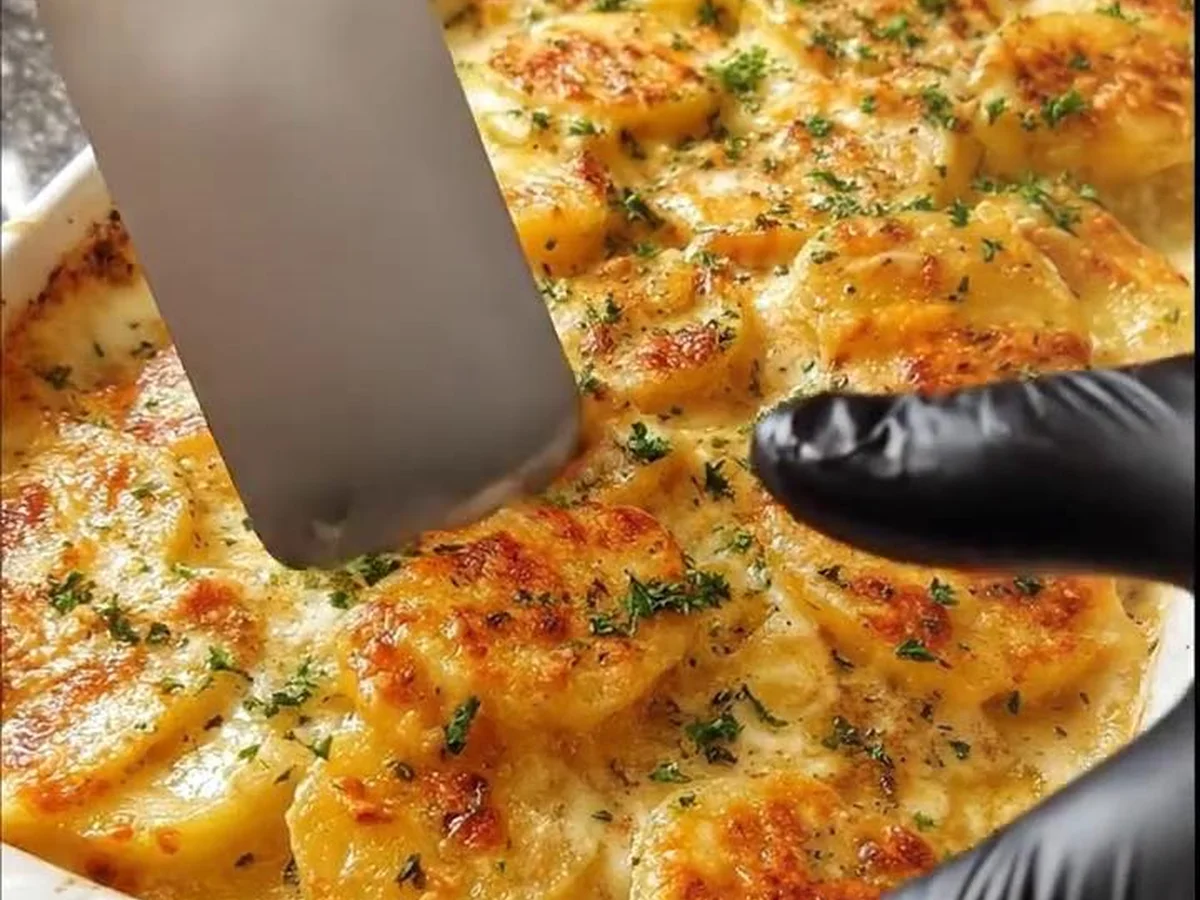
Gratinated potatoes—those divine layers of tender, earthy goodness, topped with a golden crust that promises a satisfying crunch. This dish is more than just food; it is a comforting embrace on a chilly evening, a nostalgic recall of family dinners, and a hearty reminder of love-filled kitchens. The buttery aroma that wafts from the oven as the potatoes bake envelops you like a warm blanket, beckoning you to relish each bite. The creamy intermingling of rich cooking cream and milk, punctuated by the subtle hint of garlic, further elevates this delightful dish, creating a symphony of flavors on your palate.
As a celebrated staple in various cuisines across the globe, gratinated potatoes serve as the quintessential side that harmonizes effortlessly with a wide array of main dishes, be it roasted meats or vibrant vegetables. It is no wonder that this dish has achieved iconic status, earning its place at both elegant dinner parties and casual family gatherings. So get ready to experience not just a side dish, but a recipe that permeates the essence of comfort food and creativity.
The Origins and History
The roots of gratinated potatoes can be traced back to the realms of French cuisine where the term “gratin” originates. Initially, the word referred to a technique involving the layering of ingredients topped with a crispy crust formed by breadcrumbs, cheese, or both. The practice became widespread in the 18th century when recipes for dishes like “gratin dauphinois” appeared, showcasing the beauty of layering thinly sliced potatoes with cream and garlic.
Interestingly, while the French perfected the technique, similar methods of cooking potatoes have been embraced across various cultures. For instance, in Scandinavian countries, layered potato dishes are celebrated but often include different spices and seasonal ingredients. Therefore, while the French might have popularized gratinated potatoes, it is evident that this dish is a cultural melting pot, influenced by different regions and their unique takes on ingredient pairings and cooking styles.
Why You Will Absolutely Love This Recipe
- Rich Flavor Profile: The combination of creamy cooking cream, milk, and garlic creates a depth of flavor that excites the senses.
- Ease of Preparation: With minimal ingredients and straightforward steps, this recipe is approachable for chefs of all skill levels.
- Crowd-Pleaser: Whether at family gatherings or dinner parties, this dish truly delights guests and is often requested over and over.
- Delicious Leftovers: If you manage to have any leftovers, the flavors often intensify, making for an even more delicious meal the next day.
Deep Dive into the Ingredients
The success of gratinated potatoes lies in the quality and harmony of its ingredients. Starting with the potatoes, Yukon Gold or Russet varieties are ideal due to their sturdy texture and ability to absorb flavors without becoming mushy. Yukon Gold potatoes offer a buttery flavor and creamy texture, while Russets provide a fluffier consistency that enhances the overall mouthfeel of the dish.
Next up is the cooking cream, which is the backbone of this recipe. Opting for a high-quality cooking cream enriches the dish significantly. While heavy cream can be used, the ratios of cream to milk here allow for a smoother, less cloying texture. If you need a lighter option, you can substitute with half-and-half or even a plant-based alternative if dairy is a concern.
The garlic contributes not just a pungent aroma but also a layer of warmth and familiarity that rounds out the flavor profile. Fresh garlic is recommended, as it provides a sharper taste compared to powdered garlic. Additionally, a touch of salt and pepper enhances the natural flavors, while a sprinkle of nutmeg introduces a hint of earthy spice, elevating the dish to new heights. Nutmeg is optional but highly recommended; its warm aroma melds beautifully with creamy dishes, providing a comforting undertone.
For substitutions, if you’re looking to switch up flavors, consider adding finely chopped herbs like thyme or rosemary. You could also incorporate cheese—Gruyère or aged cheddar are both excellent choices—into the layers for a gooey, delightful twist. Remember, the beauty of this dish lies in its versatility!
Pro Tips for Perfect Results
To truly achieve gratinated potato perfection, start by ensuring your potato slices are uniform in thickness. Aim for around 1/8 inch thick; this not only ensures even cooking but also allows for the dish to have the right balance of textures. A mandoline slicer can be a game-changer for achieving even slices.
Next, preheat your oven adequately. The initial high temperature is crucial for browning that delightful crust on top. Starting at 200°C (400°F) for the first part of the cooking process ensures that the top gets that perfect golden brown.
Finally, don’t rush the baking process. Patience is key here! Baking too quickly might result in undercooked potatoes or a lack of that beautiful flavor development. It might be tempting to dig in, but letting the gratin rest for 10-15 minutes after it comes out of the oven allows the cream to set, making it much easier to serve.
Serving and Pairing Suggestions
Gratinated potatoes shine as the star side dish in numerous settings. They harmonize splendidly with roasted meats such as chicken, beef, or pork. For a vegetarian meal, pair them with a fresh salad drizzled with lemon vinaigrette or sautéed seasonal vegetables for a vibrant contrast.
For beverages, consider a nice light white wine, like a Sauvignon Blanc, which complements the creaminess of the dish, or a robust red like Pinot Noir, which can stand up to richer flavors. When it comes to occasions, these indulgent potatoes are perfect for family gatherings, holiday feasts, or an intimate dinner party.
Storage, Freezing, and Reheating
If you find yourself with leftovers (which is sometimes a challenge with how delicious this dish is), allow it to cool completely before transferring it into an airtight container. Gratinated potatoes can be stored in the refrigerator for up to 3 days.
Freezing is also possible; however, cream-based dishes can sometimes alter their texture upon thawing. If you opt to freeze, ensure it is well-wrapped to prevent freezer burn. Thaw overnight in the fridge before reheating. Reheat gently in the oven at a low temperature to preserve the integrity of the dish; cover it with foil to retain moisture and prevent burning.
Frequently Asked Questions (FAQ)
- Can I use other vegetables in the gratin? Absolutely! While potatoes are traditional, feel free to experiment with thinly sliced carrots, parsnips, or even zucchini for a twist.
- Is there a way to make this dish vegan? Yes, by substituting the milk and cream with plant-based alternatives like almond milk and coconut cream, and omitting any cheese or using vegan cheese substitutes.
- Can I prepare this dish ahead of time? You can assemble the gratin ahead of time and store it in the fridge unbaked. Bake it fresh when you’re ready to serve.
- What should I do if my potatoes are browning too quickly? If the top is browning too fast, cover it loosely with aluminum foil while it finishes baking to prevent burning.
Conclusion
Gratinated potatoes are not just a recipe; they are a culinary embrace, an exploration of flavors, and an expression of love through food. Dive into this project and witness how simple ingredients can transform into a dish that warms the heart and satisfies the soul.
The History of This Recipe
Gratinated potatoes, known for their creamy, cheesy goodness, have roots tracing back to the rustic kitchens of France. The dish emerged in the 18th century as a way to elevate simple ingredients like potatoes into a sumptuous meal.
Initially, gratin techniques were applied to vegetables and meats, but the adaptability of potatoes made them a popular choice. As French cuisine began to spread across Europe, this comforting dish found its way into homes and restaurants, delighting diners with its rich flavors.
The technique of baking potatoes with cream and cheese soon became a staple in many households. Today, gratinated potatoes remain a beloved comfort food, celebrated for their warm, indulgent quality, often gracing tables from casual gatherings to festive occasions.
Gratinated Potatoes
INGREDIENTS
- 1 kg of potatoes (preferably Yukon Gold or Russet)
- 300 ml of cooking cream
- 200 ml of milk
- 2 cloves of garlic (minced)
- 1 teaspoon of salt
- 1/2 teaspoon of black pepper
- 1/4 teaspoon of nutmeg (optional)
INSTRUCTIONS
Preheat your oven to 180°C (350°F).
Wash and peel the potatoes. Using a sharp knife or a mandolin slicer, slice the potatoes into thin, uniform slices (about 2-3 mm thick).
In a mixing bowl, combine the cooking cream, milk, minced garlic, salt, black pepper, and nutmeg (if using). Stir well to combine.
In a greased baking dish, layer one-third of the sliced potatoes at the bottom, overlapping them slightly.
Pour one-third of the cream mixture over the first layer of potatoes, ensuring all slices are coated.
Repeat this layering process with the remaining potatoes and cream mixture, making sure to save a little cream mixture for the final layer.
Once the last layer of potatoes is in place, pour any remaining cream mixture evenly over the top layer of potatoes.
Sprinkle the grated cheese evenly on top of the layered potatoes.
Cover the baking dish with aluminum foil and bake in the preheated oven for 40 minutes.
After 40 minutes, remove the foil and bake for an additional 20-25 minutes, or until the top is golden brown and the potatoes are tender when pierced with a fork.
Once cooked, remove the gratin from the oven and let it rest for about 5-10 minutes before serving.
Garnish with freshly chopped parsley for a touch of color and serve hot.
Time & Calories
Preparation time: 20 minutes
Cooking time: 1 hour
Total time: 1 hour 20 minutes
Estimated calories per serving: Approximately 300 calories (based on 6 servings)
NOTES
Enjoy your delicious homemade Gratinated Potatoes !