Introduction
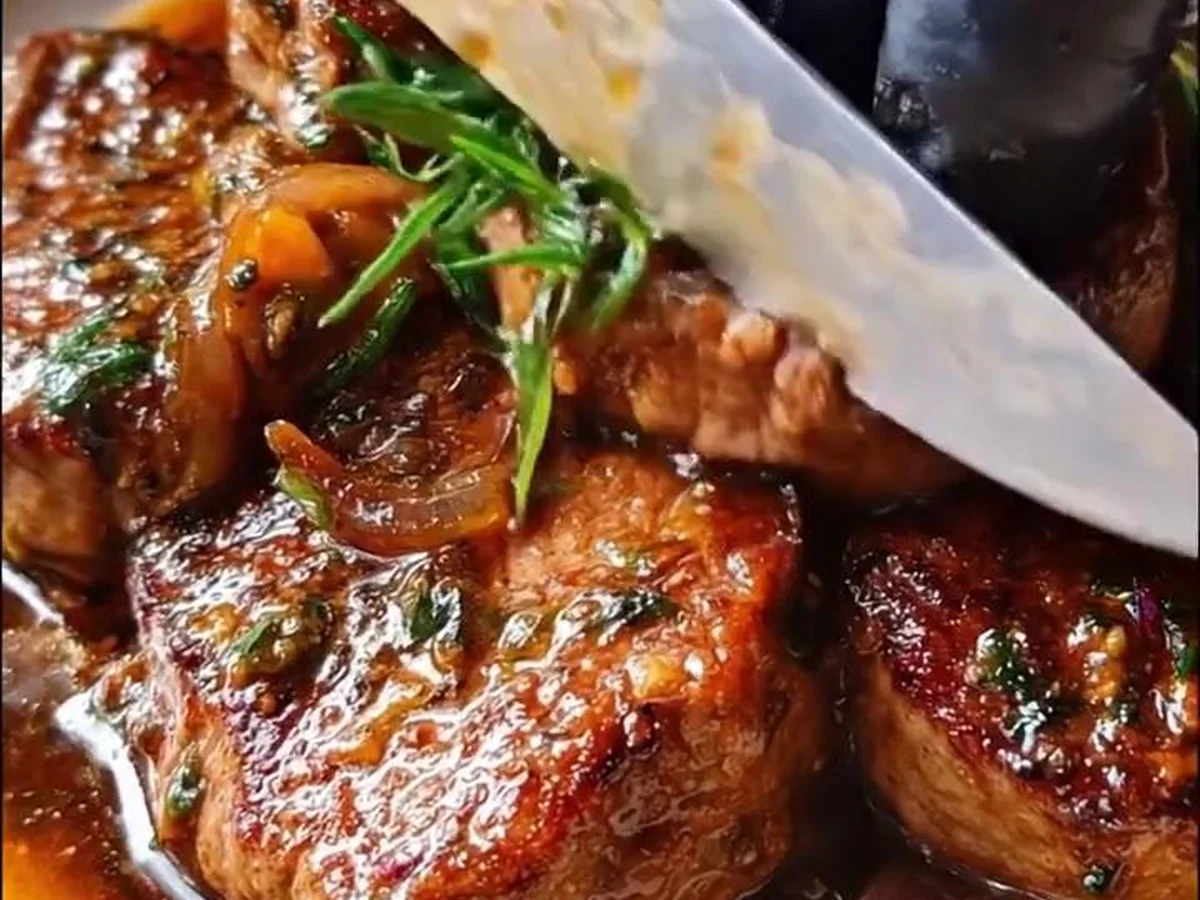
There’s something deeply satisfying about a well-prepared dish of Beef in Salsa. Imagine returning home after a long day, the aroma of simmering beef wafting through your kitchen, calling to you like a warm embrace. This delightful fusion of tender beef, vibrant spices, and aromatic vegetables offers a comforting experience that more than qualifies it as the quintessential comfort food. Each bite bursts with flavor, melding the rich umami of beef with the zesty freshness of tomatoes and the kick of jalapeños, making for a dish that tantalizes your taste buds. It’s this celebration of flavors that elevates Beef in Salsa from a simple meal to a noteworthy culinary experience.
Beyond its delightful taste, what truly makes Beef in Salsa a beloved dish is its versatility. Whether you serve it during a joyous gathering with friends, at a family dinner, or even for a cozy date night, it never fails to impress. Each component of this dish tells a story—of culinary traditions that intertwine and evolve in our kitchens. The simmering of beef in a homemade salsa base creates not just a meal, but an emotional connection, drawing family and friends closer with each mouthwatering bite.
The Origins and History
The origins of dishes like Beef in Salsa can be traced back to the rich, diverse culinary traditions of Latin America. The heart of this dish lies in its use of ingredients that have been staples in various cultures long before fusion cuisine became a buzzword. Traditional Latin American salsas usually consist of fresh ingredients like tomatoes, onions, and peppers, often combined with a variety of meats. The exact nature of these combinations varies by region, influenced by local produce and culinary practices.
Beef itself has a storied history ranging from indigenous tribal communities to present-day sustainable farming practices. The marriage of tender beef with fresh, raw ingredients heralds back to age-old traditions where meals were crafted as a form of artistic expression and communal experience. Today, dishes like Beef in Salsa serve as a delightful reminder of this lineage, combining flavors that have been cherished for generations while allowing chefs to add their own unique twist.
Why You Will Absolutely Love This Recipe
- Flavor Profile: The robust taste of beef complements the freshness of the salsa, creating a mouthwatering balance that will tantalize your taste buds.
- Ease of Preparation: This recipe requires minimal prep work and uses a straightforward cooking process, making it accessible to cooks of all skill levels.
- Crowd-Pleaser: Whether you’re hosting a gathering or preparing a family meal, Beef in Salsa is sure to receive rave reviews from everyone at the table.
- Versatile Leftovers: This dish gets even better the next day. Use it to create burritos, tacos, or simply enjoy it reheated with some fresh toppings.
- Customizable: Adjust the heat level, switch out proteins or toppings—a personal touch means you can make it just how you like it.
Deep Dive into the Ingredients
Every ingredient in this Beef in Salsa recipe serves a distinct purpose, contributing richness, depth, and character to the dish. Let’s break down these components:
- Beef (700 g): The choice of beef is crucial for achieving a tender, flavorful dish. Cuts like brisket, chuck, or steak are preferred due to their ability to become melt-in-your-mouth tender during slow cooking. Each of these cuts has fat marbling that enhances moisture and flavor, making them ideal for simmering in salsa.
- Oil (2 tablespoons): Whether you choose vegetable or olive oil, this fat is essential for sautéing the onion and garlic. The right fat will enhance the flavor profiles and help achieve a beautiful sear on your beef.
- Onion (1 large, chopped): Onions bring sweetness and depth to the dish. During cooking, they caramelize, adding an aromatic base that enhances the robust character of the salsa.
- Garlic (3 cloves, minced): Garlic adds a punch of zing and complements both beef and the fresh ingredients in the salsa, elevating the dish as a whole.
- Tomatoes (2 medium, diced): Fresh tomatoes are a cornerstone of salsa. They provide acidity, sweetness, and moisture, balancing the richness of the beef.
- Jalapeño Peppers (1-2, chopped): These peppers bring a welcome heat to the dish. Their level of spiciness can be adjusted based on your preference. For a milder version, opt for fewer peppers or remove the seeds.
- Ground Cumin (1 teaspoon): Cumin adds an earthy, warm flavor that complements the other spices and enriches the overall palate of the dish.
Should you wish to customize, consider substituting chicken or pork for the beef, or use smoked tomatoes for a deeper, more complex flavor profile. You can also experiment with different herbs or spices, such as oregano or cilantro, to further enhance the salsa.
Pro Tips for Perfect Results
To achieve the best possible rendition of Beef in Salsa, here are some pro tips:
- Searing the Meat: Start by searing the beef pieces in hot oil until browned. This step develops a rich flavor through the Maillard reaction, enhancing the overall depth of your dish.
- Cooking Low and Slow: After the initial sear, allow the meat to simmer gently. Low heat will break down connective tissues, resulting in incredibly tender beef that practically falls apart.
- Homemade Salsa: For the best flavor, consider making your salsa from scratch using fresh ingredients. Not only will it brighten the dish, but it also allows you to control the flavor balance.
- Taste as You Go: Don’t hesitate to taste and adjust seasoning throughout the cooking process. Add more salt or spices as needed to achieve your desired flavor profile.
Serving and Pairing Suggestions
Beef in Salsa is naturally versatile, pairing wonderfully with numerous sides. Serve it over fluffy rice, alongside warm tortillas, or even on a bed of quinoa for a nutritious kick. For drinks, enjoy it with a crisp lager or a fruit-forward Sangria. This dish is perfect for casual weeknight dinners, special family gatherings, or summer barbecues, making it adaptable for various occasions.
Storage, Freezing, and Reheating
This dish keeps beautifully! Store leftover Beef in Salsa in an airtight container in the refrigerator for up to 3 days. For longer storage, you can freeze the dish for up to 3 months. When reheating, simply warm it on the stove over low heat, adding a splash of water or broth to maintain moisture.
Frequently Asked Questions (FAQ)
- Can I use a different kind of meat? Absolutely! Chicken, pork, or even tofu can be great substitutes. Adjust cooking times accordingly, as different proteins have different cooking requirements.
- What if I don’t have fresh tomatoes? Canned tomatoes can be a great alternative. Look for no-salt-added versions to control your sodium intake.
- Is it possible to make this dish in advance? Yes, Beef in Salsa can be prepared in advance and is often better the next day—with the flavors melding beautifully overnight!
- How can I make it less spicy? Simply reduce the number of jalapeños, or use milder peppers like bell peppers instead to tame the heat.
- What can I serve as a side? Rice, beans, or a side salad complement Beef in Salsa perfectly. Corn tortillas or chips are also fantastic for scooping up this flavorful dish.
Conclusion
In a world brimming with culinary options, Beef in Salsa stands out as a vibrant and satisfying dish that can unite family and friends around the table. Its layers of flavor and flexibility are sure to satisfy any palate, whether you’re a seasoned cook or a novice in the kitchen. Don’t hesitate to bring this delightful dish into your home—it’s a meal that’s bound to create delicious memories.
The History of This Recipe
In a small town nestled between rolling hills, a local chef discovered the perfect blend of flavors while experimenting in his kitchen. Inspired by traditional family recipes, he decided to combine tender beef with a vibrant salsa made from fresh tomatoes and spices.
As word spread about this unique dish, curious food lovers flocked to the chef’s restaurant, eager to taste the savory creation. Each bite became a celebration of texture and flavor, uniting cultures and igniting the palate.
Soon, ‘Beef in Salsa’ evolved into a beloved staple at community gatherings and festive occasions. What began as a personal culinary experiment transformed into a cherished dish, symbolizing the spirit of togetherness and creativity.
Beef in Salsa
INGREDIENTS
- 700 g beef (brisket, chuck, or steak), cut into pieces
- 2 tablespoons oil (vegetable or olive oil)
- 1 large onion, chopped
- 3 cloves garlic, minced
- 2 medium tomatoes, diced
- 1-2 jalapeño peppers, chopped (adjust for spice preference)
- 1 teaspoon ground cumin
INSTRUCTIONS
Heat the oil in a large skillet or pot over medium-high heat.
Add the chopped onion and sauté for about 3-4 minutes until it becomes translucent.
Stir in the minced garlic and cook for an additional 1-2 minutes, being careful not to let it burn.
Add the beef pieces to the pot, browning them on all sides for about 5-7 minutes.
Once the beef is browned, add the diced tomatoes, jalapeño peppers, ground cumin, dried oregano, paprika, salt, and pepper. Stir well to combine.
Cover the pot, reduce the heat to low, and allow the mixture to simmer for about 1.5 to 2 hours, or until the beef is tender and flavorful. Stir occasionally and add a splash of water if needed to prevent sticking.
Once cooked, taste and adjust the seasoning if necessary.
Serve the beef in salsa hot, garnished with fresh cilantro and lime wedges on the side. It pairs well with rice, tortillas, or a fresh salad.
Time & Calories:
Total Time: Approximately 2 hours and 15 minutes (including prep and cooking time)
Estimated Calories: Roughly 350 calories per serving (based on a 4-serving portion)
NOTES
Enjoy your delicious homemade Beef in Salsa !