Introduction
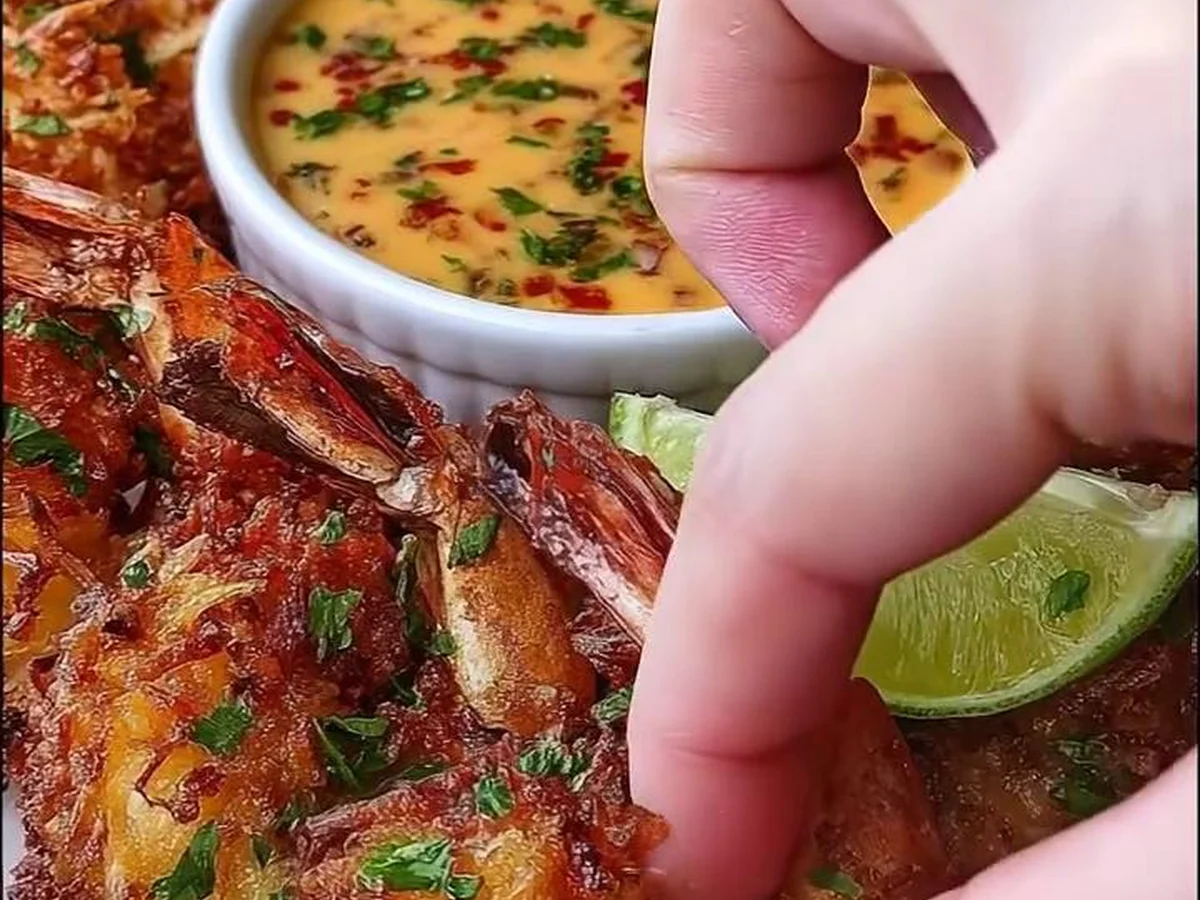
There’s something utterly enchanting about the golden crunch of coconut shrimp paired with a zesty lime chili dip. It’s a dish that whisks you away to sun-drenched shores and tropical getaways with every bite. Known as a popular appetizer or snack, coconut shrimp boasts a light and crispy coating that gives way to sweet, juicy shrimp, embodying the perfect balance between indulgence and refreshment. The aroma of frying coconut fills your kitchen, captivating the senses before the first bite even graces your lips. Once you dive into this delightful creation, the complex yet harmonious flavors—subtle sweetness from the coconut, a slight hint of tropical tang, and a spicy kick from the chili dip—make each mouthful a gastronomic celebration.
This dish doesn’t just court love from the palate; it has become a classic staple on menus—from cozy beachside shacks to upscale dining establishments. Its comfort food status is reinforced by its ability to evoke nostalgia and warmth, reminiscent of summer gatherings, beach parties, or even cozy nights at home with family. So dust off your frying pan and let’s embark on a culinary journey that transforms ordinary shrimp into something extraordinary!
The Origins and History
Coconut shrimp melds the culinary traditions of tropical regions where coconuts abound and seafood reigns supreme. Though its precise origins are somewhat nebulous, one cannot ignore the dish’s Caribbean and Southeast Asian influences. Both regions incorporate fresh seafood and coconuts into their cuisines, where fish and crustaceans are often coated in various batters before being fried. The addition of shredded coconut is a nod to the bountiful availability of this versatile fruit in these warm climates, creating a dish that is deeply intertwined with the local food culture.
As globalization has taken food culture by storm, coconut shrimp has transcended its geographical origins to become a beloved dish worldwide. Fusion cuisine has thus birthed unique variations, adding local spices or flavors that play well with the crispy morsels. Whether served in a humble home kitchen or elegantly plated at a fine restaurant, coconut shrimp showcases the beauty of diverse culinary traditions bringing families and friends together over a shared love for good food.
Why You Will Absolutely Love This Recipe
- Flavor Profile: Enjoy the euphoria of combining savory and sweet with a hint of spice, making each mouthful an exciting taste adventure.
- Ease: This recipe is straightforward and can be easily followed by novice cooks, making it perfect for various culinary skill levels.
- Crowd-Pleaser: Whether at a party, gathering, or family meal, coconut shrimp is bound to delight every palate, offering something for everyone.
- Leftovers: If you happen to have any shrimp left, they reheat well and can be used in salads, tacos, or as a snack, ensuring that deliciousness doesn’t go to waste.
Deep Dive into the Ingredients
Every ingredient in this coconut shrimp recipe does more than just play a role; they weave together a narrative of flavor and texture that elevates the dish.
Shrimp: Large, juicy shrimp are the star of this dish. Their sweetness complements the coconut beautifully. Opt for sustainably sourced shrimp if possible, as it ensures quality and environmental responsibility. If shrimp isn’t available, feel free to substitute with other firm, white fish such as tilapia or cod.
All-Purpose Flour: The flour serves as the base for breading the shrimp. It helps create a base layer that adheres well to the eggs and coconut, providing an essential crunch when fried. For gluten-free alternatives, consider using almond flour or rice flour to maintain the crispy integrity.
Shredded Coconut: Unsweetened shredded coconut brings that essential tropical flair to the dish. It adds texture and a nutty flavor, complemented by the inherent sweetness of the shrimp. If you wish for a richer taste, you could use toasted coconut for an added depth of flavor.
Eggs: Beaten eggs create an adhesive that binds the flour and coconut to the shrimp. This rich layer of protein also contributes to the final crispy texture. For a vegan option, you could replace the eggs with a mixture of chickpea flour and water for a similar binding effect.
Oil for Frying: The type of oil you choose can affect both the flavor and health profile of the dish. Vegetable oil is commonly used due to its high smoke point and neutral flavor. However, you could also experiment with coconut oil for a more pronounced coconut flavor, though it has a lower smoke point.
Lime: Fresh limes provide bright acidity that cuts through the richness of the fried shrimp. They bring a refreshing zing that harmonizes beautifully with the coconut notes. Using lime juice in both the dish and the dipping sauce intensifies that zesty goodness.
Chili Sauce: The choice of chili sauce adds an exciting heat that balances the sweetness of the shrimp and coconut. Feel free to adjust the amount according to your spice tolerance, or look for Asian chili sauces like Sriracha or sweet chili sauce to enhance the mouthfeel further.
Pro Tips for Perfect Results
Aiming for the perfect coconut shrimp? Here are some expert tips that will guide you to culinary excellence:
- Preheat the Oil: Ensure the oil is sufficiently hot before frying. This prevents the shrimp from becoming greasy. A temperature of around 350°F (175°C) is ideal.
- Don’t Overcrowd the Pan: Fry in batches to maintain the temperature of the oil. Overcrowding can lower the oil temperature, causing the shrimp to steam instead of fry, resulting in a soggy texture.
- Use a Deep Fry Thermometer: Keep an eye on the oil temperature with a thermometer to achieve that perfect golden color without burning.
- Rest After Frying: Allow fried shrimp to rest on a cooling rack instead of paper towels. This will help them maintain their crispiness instead of becoming soggy.
Serving and Pairing Suggestions
Coconut shrimp pairs fantastically with a variety of sides and beverages. Serve it alongside fresh salsa, a zesty mango salad, or simply some lemon or lime wedges to enhance its tropical vibe. For beverages, try pairing it with a refreshing margarita, a crisp Sauvignon Blanc, or a tropical fruit punch. These combinations elevate the overall dining experience and transport you straight to a beachside paradise.
Storage, Freezing, and Reheating
Leftover coconut shrimp can be stored in an airtight container in the refrigerator for up to three days. For longer-term storage, the shrimp can be frozen before frying. Simply bread the shrimp, lay them out on a baking sheet to freeze, then transfer them to a freezer-safe bag. For reheating, bake them in the oven at 375°F (190°C) for about 10 minutes to restore their crispy texture, ensuring they don’t become soggy.
Frequently Asked Questions (FAQ)
- Can I make this recipe gluten-free?
Yes, simply substitute all-purpose flour with gluten-free flour or almond flour, and ensure your chili sauce is gluten-free as well. - Can I use frozen shrimp?
Absolutely! Just make sure to thaw them completely and pat them dry before breading to ensure the coating sticks well. - Is it possible to bake these instead of frying?
Yes, for a healthier option, you can bake the shrimp in a preheated oven at 400°F (200°C). Brush with a little oil for extra crispiness. - What dipping sauces pair well with coconut shrimp?
Beyond lime chili dip, consider options like pineapple salsa, sweet chili sauce, or a spicy aioli to play off the shrimp’s flavor.
Conclusion
With its delightful combination of textures and flavors, coconut shrimp with lime chili dip is a culinary adventure that every seafood lover should embark on. This recipe not only captures the essence of tropical paradises but also brings communities and families together over a shared love for delicious food. Dive into this delightful experience, and let every crunch take you on a flavorful journey!
The History of This Recipe
Coconut shrimp is believed to have originated in Southeast Asia, where the region’s abundant seafood and coconuts inspired local chefs to combine these ingredients. As trade routes developed, the dish made its way to the Caribbean, evolving with each culture’s unique twist.
In the Caribbean, the dish gained popularity, particularly on tropical islands where fresh seafood was plentiful. The addition of lime and chili to the dip brought a zesty kick that perfectly complemented the sweetness of coconut-coated shrimp.
As coconut shrimp traveled beyond the tropical regions, it found its place on menus in upscale restaurants and casual eateries alike. Today, it is enjoyed worldwide, celebrated for its delightful contrast of textures and flavors.
Coconut Shrimp with Lime Chili Dip
INGREDIENTS
- 1 lb large shrimp, peeled and deveined
- 1/2 cup all-purpose flour
- 1 cup shredded coconut
- 2 large eggs
- Oil for frying
- 2 limes (one for the dip and one for garnish)
- 1 tablespoon chili sauce (or more to taste)
INSTRUCTIONS
Prepare the shrimp: If not already done, peel and devein the shrimp, leaving the tails on for a nicer presentation.
Set up a breading station: In one bowl, add the all-purpose flour and season with salt and pepper. In a second bowl, beat the eggs. In a third bowl, place the shredded coconut.
Bread the shrimp: Dip each shrimp in the flour, shaking off excess, then dip in the beaten eggs, and finally roll in the shredded coconut, pressing gently to stick.
Heat the oil: In a large skillet, pour enough oil to cover the bottom (about 1/2 inch deep) and heat over medium-high heat until hot but not smoking.
Fry the shrimp: Carefully place the breaded shrimp in the hot oil in batches, making sure not to overcrowd the pan. Fry for about 2-3 minutes on each side or until golden brown and cooked through. Remove from oil and place on a paper towel-lined plate to drain excess oil.
Prepare the lime chili dip: In a small bowl, mix together the juice of one lime, chili sauce, and a pinch of salt. Adjust the spice level and acidity to suit your taste.
Serve: Arrange the coconut shrimp on a platter, garnishing with lime wedges. Serve hot with the lime chili dip on the side.
Time & Calories:
Prep Time: 15 minutes
Cook Time: 10 minutes
Total Time: 25 minutes
Calories per serving: Approximately 250 calories (based on 4 servings)
NOTES
Enjoy your delicious homemade Coconut Shrimp with Lime Chili Dip !