Introduction
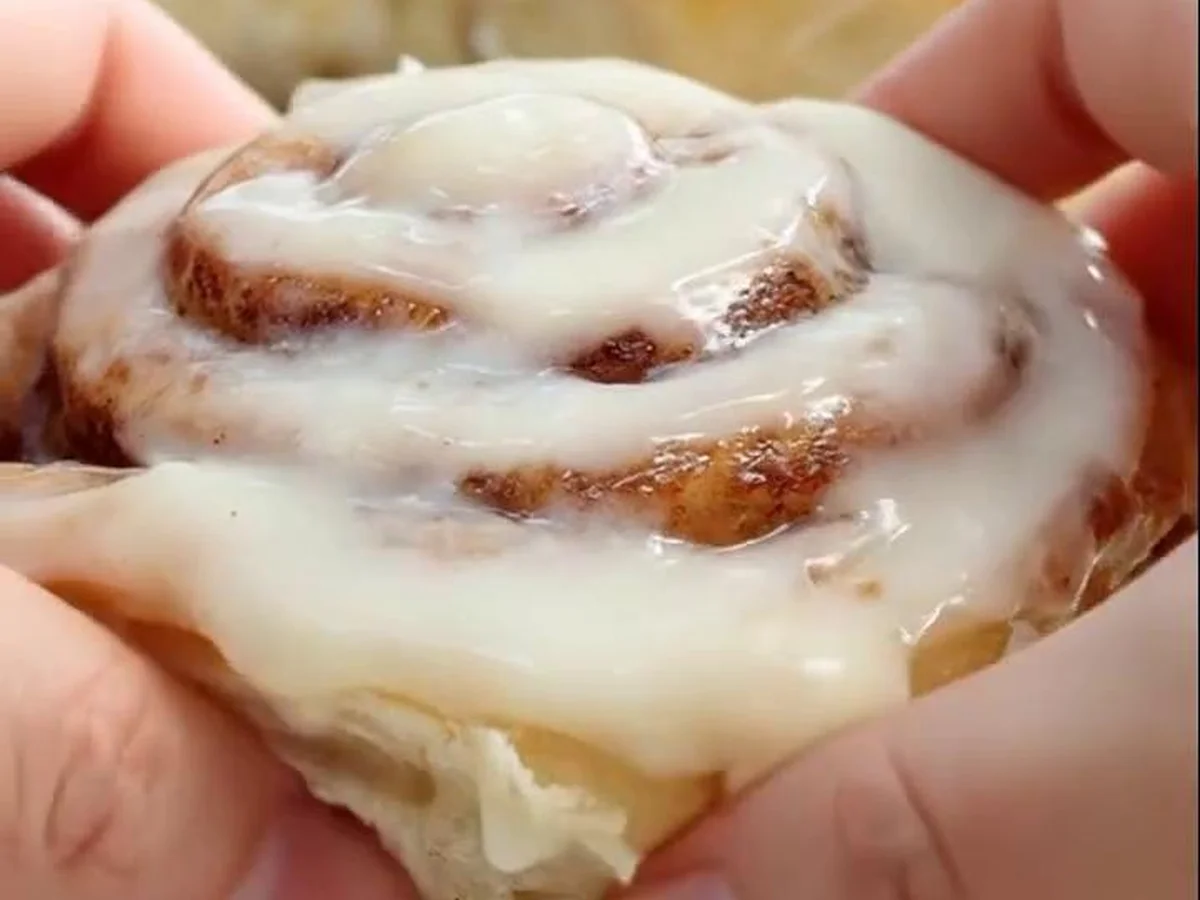
There are few baked goods that elicit the kind of nostalgic feelings and mouthwatering anticipation as cinnamon rolls. These delightful spirals of dough generously swirled with the warm aroma of cinnamon and sugar, enveloped in a delicate envelope of rich, fluffy dough, are the epitome of comfort food. Every bite strikes a perfect balance between chewy and soft, sending your taste buds on a joyous whirl alongside the sweet, slightly spicy notes of cinnamon. From the moment you pull them out of the oven—golden brown, their tops glistening with a light glaze—your kitchen fills with an irresistible scent that draws everyone in.
Whether served as a breakfast treat, an afternoon snack, or a delightful dessert, cinnamon rolls have a knack for making any moment feel special. Their popularity is not just confined to bakeries and cafes but also across homes, where families gather around the table, savoring each decadent bite together. So, if you’re ready to dive into a world of sweet, spiced goodness, let’s explore the recipe for homemade cinnamon rolls that will leave your kitchen as the centerpiece of joy and comfort.
The Origins and History
Cinnamon rolls, with their roots tracing back to ancient times, embody a beautiful fusion of flavors and cultures. While many may associate this indulgent treat with American cuisine, the concept of sweetened bread rolls can be found throughout various regions across the globe. The earliest iterations of baked cinnamon flour products can be traced to Sweden, where the beloved “kanelbullar”—cinnamon buns—are a traditional pastry often enjoyed during “fika,” the cherished coffee break. Evolving through these roots, the comfort of cinnamon rolls spread to other parts of Europe, making their way to America and becoming an American brunch staple by the late 19th century.
The culinary evolution does not stop here. Immigrants brought their traditions and baking techniques across oceans, morphing them into what we cherish today—a soft, buttery bread rolled up with a luscious filling of cinnamon and sugar, topped off with rich cream cheese frosting. This history is embedded within each roll, turning our simple kitchen moments into links of cultural heritage.
Why You Will Absolutely Love This Recipe
- Flavor Profile: The combination of cinnamon, sugar, and sweet dough creates a heavenly balance of warmth and sweetness, making for an irresistible treat.
- Ease of Preparation: With rapid rise instant yeast, this recipe allows you to enjoy fresh cinnamon rolls in comparatively less time than traditional methods, even if you’re a novice baker.
- Crowd-Pleaser: Whether it’s a special occasion, family gathering, or just a casual weekend breakfast, these rolls always bring smiles and satisfied tastes.
- Delicious Leftovers: While they are best enjoyed fresh, leftover cinnamon rolls can easily be enhanced, warmed, or even repurposed into delightful treats.
Deep Dive into the Ingredients
To create the ultimate cinnamon roll experience, each carefully selected ingredient plays a vital role in delivering the texture, flavor, and overall quality of the final product. Let’s take a closer look at these key players:
- Bread Flour: The backbone of the dough, bread flour contains a higher protein content than all-purpose flour, resulting in a chewy texture and a lovely elasticity. This supports the rise and helps the rolls hold together beautifully.
- Granulated Sugar: Besides the delightful sweetness, sugar plays a crucial role in caramelizing and adding depth to the flavor. It also helps with the dough’s fermentation process, which is key in achieving that light and airy roll.
- Rapid Rise Instant Yeast: This potent yeast allows the dough to rise faster, making your baking venture less time-consuming without sacrificing the taste or texture. It’s crucial for achieving the lightness and fluffiness in the rolls.
- Whole Milk: The fat and moisture from whole milk contribute to a softer dough, enriching the flavor while ensuring a tender crumb. You could substitute it with almond or oat milk for a dairy-free version, though the flavor profile may alter slightly.
- Unsalted Butter: Rendering the rolls deliciously rich and moist, unsalted butter is essential; it allows you to control the sodium levels in your dough. Melted, it ensures even distribution throughout the dough, enhancing both flavor and texture.
- Large Eggs: Eggs add richness and help bind the ingredients, contributing to a more tender crumb. You can opt for egg substitutes such as ground flax or applesauce if needed.
- Salt: Although a small component, salt is pivotal in balancing the sweetness and enhancing flavors. It also strengthens the gluten structure during kneading, lending strength to your rolls.
Pro Tips for Perfect Results
Here are some essential suggestions to ensure your cinnamon rolls turn out perfectly each time:
- Check Your Yeast: Always confirm that your yeast is fresh and active. A simple test involves mixing a teaspoon of sugar with warm water (not boiling) and adding yeast. If it foams after a few minutes, it’s good to go!
- Temperature Matters: Ensure your milk is warm but not hot when adding to the yeast. Too much heat can kill the yeast, while cold milk can stall the fermentation process.
- Knead Efficiently: Kneading is crucial. Aim for a smooth, elastic dough. If the dough is sticky, sprinkle a little extra flour as needed, but avoid adding too much, which can make the rolls dense.
- Rising Time: Let your dough rise in a warm place, covered with a damp cloth—about 1 to 2 hours or until doubled in size. Be patient, as this step allows flavor to develop and gives you soft and airy rolls.
- Cut with Precision: Use a sharp knife or a dental floss thread to cut the rolled dough into pieces after shaping. This prevents squashing the rolls, preserving their spirals.
Serving and Pairing Suggestions
Cinnamon rolls shine on their own, but pairing them can elevate your dining experience. Serve them warm with a dollop of cream cheese icing, a glaze of powdered sugar and milk, or even a drizzle of caramel sauce. For drinks, a cup of freshly brewed coffee or a steaming mug of spiced chai pairs perfectly. These rolls are ideal for brunch gatherings, holiday celebrations, or simply as a treat to bask in nomadic mornings at home.
Storage, Freezing, and Reheating
To store leftover cinnamon rolls, place them in an airtight container at room temperature for up to 2 days. For longer storage, wrap the cooled rolls tightly in plastic wrap and freeze them for up to 3 months. When ready to enjoy, thaw them in the refrigerator overnight, then warm in a preheated oven at 350°F (175°C) for about 10-15 minutes for that freshly-baked experience.
Frequently Asked Questions (FAQ)
Can I make cinnamon rolls ahead of time?
Absolutely! After cutting the rolls, you can either refrigerate them overnight for a slower rise or bake them, cool them, and store them for later. They reheat beautifully.
Can I use whole wheat flour instead of bread flour?
Yes, you can substitute up to half of the bread flour with whole wheat flour for a slightly healthier option, but note that this may alter the texture and flavor slightly.
What is the best way to know my rolls are done baking?
They should be golden brown on the top, and when tapped on the bottom, they should sound hollow. An internal temperature of 190°F (88°C) is a good indicator of doneness.
Why didn’t my rolls rise?
If your rolls did not rise, your yeast may have been expired, or the environment may have been too cold. Ensure a warm, draft-free area for proper rising.
Conclusion
There’s something inherently joyful about the process of making homemade cinnamon rolls. With the right ingredients and techniques, you can create these delightful spirals that evoke warmth, comfort, and happiness in every bite. So roll up your sleeves, gather your loved ones, and indulge in this timeless treat!
The History of This Recipe
Cinnamon rolls trace their origins back to ancient times, with early versions appearing in various cultures, notably in Sweden and Germany. They were initially enjoyed as sweet breads flavored with spices, often served during festive occasions.
The modern rendition of the cinnamon roll, however, is largely credited to the Scandinavian influence in the 20th century. This iteration became popular in the United States, especially as home baking surged during the Great Depression.
Today, cinnamon rolls are a beloved treat worldwide, often enjoyed fresh from the oven with a glaze or cream cheese frosting. Their warm, comforting aroma and sweet, spiced flavor continue to evoke feelings of nostalgia and joy.
Cinnamon Rolls
INGREDIENTS
- 4 ¾ cups bread flour
- ⅓ cup granulated sugar
- 2 packets rapid rise instant yeast (about 4 ½ teaspoons)
- 1 cup whole milk
- ⅓ cup unsalted butter, melted
- 2 large eggs
- 1 teaspoon salt
INSTRUCTIONS
In a large mixing bowl, combine the bread flour, granulated sugar, and rapid rise instant yeast.
In a small saucepan, heat the whole milk and melted butter until warm (not hot). You should be able to touch it comfortably.
Add the warm milk mixture to the dry ingredients in the mixing bowl. Then add the eggs and salt.
Mix until a dough begins to form. If the dough is too sticky, add a little more flour as needed.
Knead the dough on a floured surface for about 5-7 minutes until it is smooth and elastic.
Place the dough in a greased bowl, cover it with a clean kitchen towel, and let it rise in a warm place for about 1 hour, or until it has doubled in size.
While the dough is rising, prepare the filling by mixing together the brown sugar and ground cinnamon in a bowl.
Once the dough has risen, punch it down and roll it out on a floured surface into a rectangle, about 16 inches by 12 inches.
Spread the softened butter evenly over the dough, then sprinkle the cinnamon sugar mixture over the butter.
Starting from one long edge, carefully roll the dough up tightly into a log shape. Pinch the seams to seal.
Cut the rolled dough into 12 equal pieces and place them in a greased baking dish.
Cover the rolls with a clean towel and let them rise again for about 30-45 minutes, or until nearly doubled in size.
Preheat your oven to 350°F (175°C).
Bake the rolls for 25-30 minutes or until they are golden brown.
While the rolls are baking, prepare the frosting by whisking together powdered sugar, milk, and vanilla extract in a bowl until smooth.
Once baked, remove the rolls from the oven and allow them to cool slightly before drizzling the frosting over the warm rolls.
Time & Calories
Total Time: 2 hours (including rising time)
Calories per roll (approx): 250 calories
NOTES
Enjoy your delicious homemade Cinnamon Rolls !