Introduction
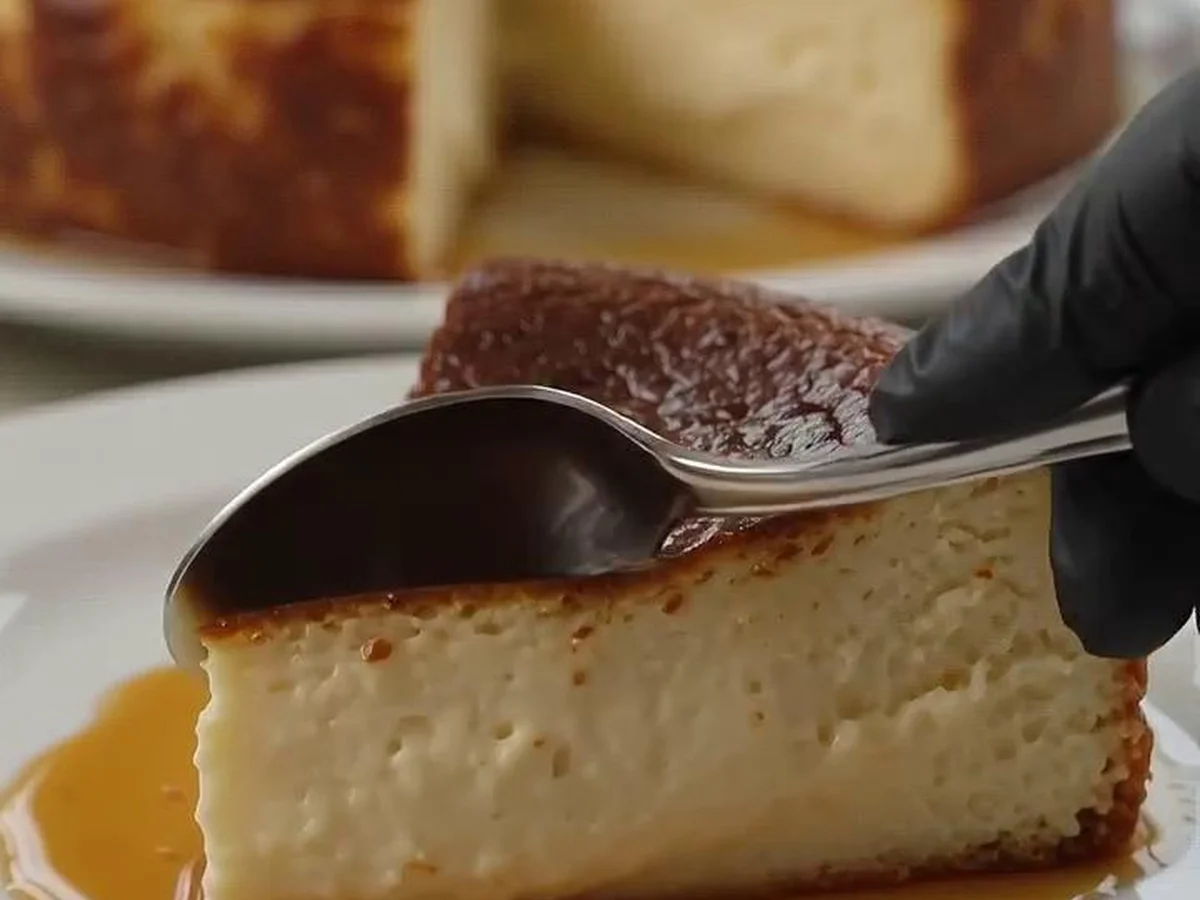
In the world of desserts, few can boast the harmonious marriage of simplicity and decadence quite like the San Sebastián Cheesecake. Originating from the coastal town of San Sebastián in Spain’s Basque Country, this creamy confection has taken the culinary world by storm, becoming a staple at cafés and restaurants globally. Picture this: a rich, velvety texture that melts in your mouth, a subtle hint of caramelized top, contrasting beautifully with the creamy body. The aroma that wafts through your kitchen as it bakes is nothing short of intoxicating, heralding a sweet moment of culinary bliss that beckons to both the novice baker and the seasoned pastry chef alike. Each slice serves not just as a dessert but as a luxurious embrace, rendering it a comfort food that dances on the taste buds and wraps you in warmth—a quintessential indulgence for celebrations or simply for an afternoon pick-me-up.
The Origins and History
The story of San Sebastián Cheesecake is deeply rooted in the culinary traditions of the Basque Country, a region known for its rich gastronomic heritage. It is speculated that this cheesecake emerged in the 1980s at La Viña, a renowned bar in San Sebastián. Initially, the dessert was crafted as a simple treat for the patrons, a blend of local ingredients that resulted in an unassuming yet magnificent outcome. This cheesecake stands apart from its New York or Italian counterparts by being baked at high temperatures, allowing for a beautifully burnt top while keeping the interior delectably creamy. The fusion of textures and the unique cooking method showcases the innovative spirit of Basque cuisine, where traditional ingredients meet modern techniques. Over the years, its popularity spread beyond Spain, captivating dessert lovers worldwide and earning a revered spot in gastronomic circles.
Why You Will Absolutely Love This Recipe
- Flavor Profile: The exquisite balance of creamy richness with a slight caramelization adds depth, making each bite a delight for your senses.
- Ease of Preparation: With only a handful of ingredients, this cheesecake is straightforward to make, requiring no complicated techniques or tools.
- Crowd-Pleaser: Its impressive look and taste make it an ideal dessert for gatherings, sure to leave a lasting impression on friends and family alike.
- Delicious Leftovers: The cheesecake retains its delightful flavor and texture even days after baking, making it a gratifying choice for snacking or an indulgent breakfast.
Deep Dive into the Ingredients
Every ingredient in the San Sebastián Cheesecake plays a crucial role in achieving that signature richness and texture:
- Cream Cheese (600 g): The star of the show, cream cheese provides the base’s luxurious creaminess. It’s important to use full-fat cream cheese at room temperature to ensure it blends smoothly, avoiding lumps that can disrupt the luscious texture. If you want a lower-fat alternative, mascarpone cheese is often recommended, offering a similar level of creaminess.
- Heavy Cream (250 ml): With a whopping 35% fat, heavy cream contributes to the decadent mouthfeel of the cheesecake. It helps create an unfathomably silky texture. In a pinch, you could use half-and-half, but this might compromise the cheesecake’s richness.
- Sugar (200 g): This ingredient sweetens and balances the tanginess of the cream cheese, and helps caramelize that iconic burnt top. For a unique twist, consider substituting part of the granulated sugar with brown sugar or honey to infuse a hint of molasses richness.
- Eggs (3 large): Eggs are essential for stabilizing the cheesecake and providing structure. They also contribute to the creamy style. Always use room-temperature eggs, as they whisk more thoroughly into the mixture.
- Vanilla Extract (1 tsp): Pure vanilla introduces a warm, aromatic complexity that enhances the overall flavor profile. For an extra layered flavor, try using vanilla bean paste or even almond extract.
- All-Purpose Flour (1 tbsp): While not typical in all cheesecakes, a small amount of flour helps provide a touch of structure and prevents the cheesecake from cracking during baking. You could swap for a gluten-free flour blend if desired.
- A pinch of salt: The sprinkle of salt not only enhances the flavors but also balances the sweetness, ensuring a tasty, well-rounded dessert.
Pro Tips for Perfect Results
Achieving the perfect San Sebastián Cheesecake involves attention to detail. Here are some pro tips to elevate your baking:
- Preheat Your Oven: Setting your oven to the correct temperature (usually a high heat for initial baking) is vital to developing that signature burnt top while maintaining a creamy interior.
- Use a Springform Pan: A springform pan not only makes your cheesecake easier to remove for serving, but it also helps ensure even baking.
- Room Temperature Ingredients: Allow all your ingredients to come to room temperature before mixing. This step is paramount in achieving a smooth batter without lumps, leading to a denser, creamier cake.
- Avoid Overmixing: Mix just until incorporated to prevent incorporating too much air, which can lead to cracks in the cheesecake.
- Cooling Process: After baking, let it cool in the oven with the door slightly ajar for about an hour. This gradual cooling helps avoid cracking. Then chill it in the refrigerator for at least four hours, or preferably overnight, to achieve that perfect slice.
Serving and Pairing Suggestions
When it comes to serving this delectable cheesecake, consider enhancing the experience with thoughtful accompaniments. A light drizzle of homemade berry compote or caramel sauce can provide a delightful contrast to the creamy texture. For beverages, a glass of dessert wine like a sweet sherry or a rich espresso can elevate your dessert experience. Perfect for festive occasions or intimate gatherings, this cheesecake will surely be the centerpiece of any sweet table.
Storage, Freezing, and Reheating
San Sebastián Cheesecake can be stored in an airtight container in the refrigerator for up to five days, making it perfect for satisfying cravings well into the week. If you want to keep it longer, you can freeze it. To do so, wrap individual slices tightly in plastic wrap and place them in a freezer-safe bag. It will keep for up to three months. To enjoy, simply thaw it in the refrigerator overnight and serve chilled for the best texture.
Frequently Asked Questions (FAQ)
- Can I use a different type of cheese? While cream cheese gives the best texture and flavor, you can substitute it with mascarpone or ricotta in a pinch, but the outcome may vary slightly.
- What can I do if my cheesecake cracks? If cracks do happen, don’t fret! A dusting of powdered sugar or a drizzle of chocolate ganache can cover imperfections.
- Can I flavor the cheesecake? Absolutely! Consider adding citrus zest, espresso powder, or even chocolate to create variations that suit your palate.
- Is this cheesecake gluten-free? With a simple substitution of gluten-free flour, you can easily make this cheesecake suitable for gluten-free diets.
- Why does my cheesecake taste too eggy? This can often be due to overmixing or using eggs that are too cold. Always blend until just combined and use room-temperature eggs for the best results.
Conclusion
The San Sebastián Cheesecake is more than just a dessert; it’s a celebration of simplicity, flavor, and culinary history. So roll up your sleeves, gather your ingredients, and prepare to savor every bite of this heavenly creation!
The History of This Recipe
San Sebastián Cheesecake, known for its unique burnt exterior and creamy center, originated in the Basque city of San Sebastián, Spain. It was created in the 1980s by Chef Santiago Rivera at La Viña, a small bar that quickly became famous for this delicious dessert.
The cheesecake was initially a twist on the traditional New York-style cheesecake, adapted to local tastes and ingredients. Its signature burnt top results from a high baking temperature, creating a rich flavor profile that contrasts with the smooth filling.
This delectable treat gained worldwide popularity due to its striking appearance and mouthwatering taste. Today, it is celebrated not only in Spain but has also inspired countless variations and interpretations around the globe.
San Sebastián Cheesecake
INGREDIENTS
- 600 g cream cheese, at room temperature
- 250 ml heavy cream (35% fat)
- 200 g sugar
- 3 large eggs
- 1 tsp vanilla extract
- 1 tbsp all-purpose flour
- A pinch of salt
INSTRUCTIONS
Preheat your oven to 200°C (390°F).
Grease a 9-inch (23 cm) round springform pan with butter and line the bottom with parchment paper for easy removal.
In a large mixing bowl, combine the cream cheese and sugar. Using a hand mixer or stand mixer, beat until the mixture is smooth and creamy, about 2-3 minutes.
Add the heavy cream to the cream cheese mixture and mix until well combined.
Add the eggs one at a time, mixing well after each addition. Scrape down the sides of the bowl as necessary.
Stir in the vanilla extract, flour, and salt until the batter is uniform and smooth.
Pour the cheesecake batter into the prepared springform pan and spread it evenly.
Bake in the preheated oven for about 40-50 minutes, or until the top is deeply browned and the center is slightly jiggly.
Once baked, allow the cheesecake to cool at room temperature for 1 hour, then refrigerate for at least 4 hours, preferably overnight.
Carefully remove the cheesecake from the springform pan and serve it chilled, either plain or with a dusting of powdered sugar or fresh berries on top.
Time & Calories:
Total Time: 5 hours (including cooling and chilling)
Estimated Calories: Approximately 450 calories per slice (based on 12 slices)
NOTES
Enjoy your delicious homemade San Sebastián Cheesecake !