Introduction
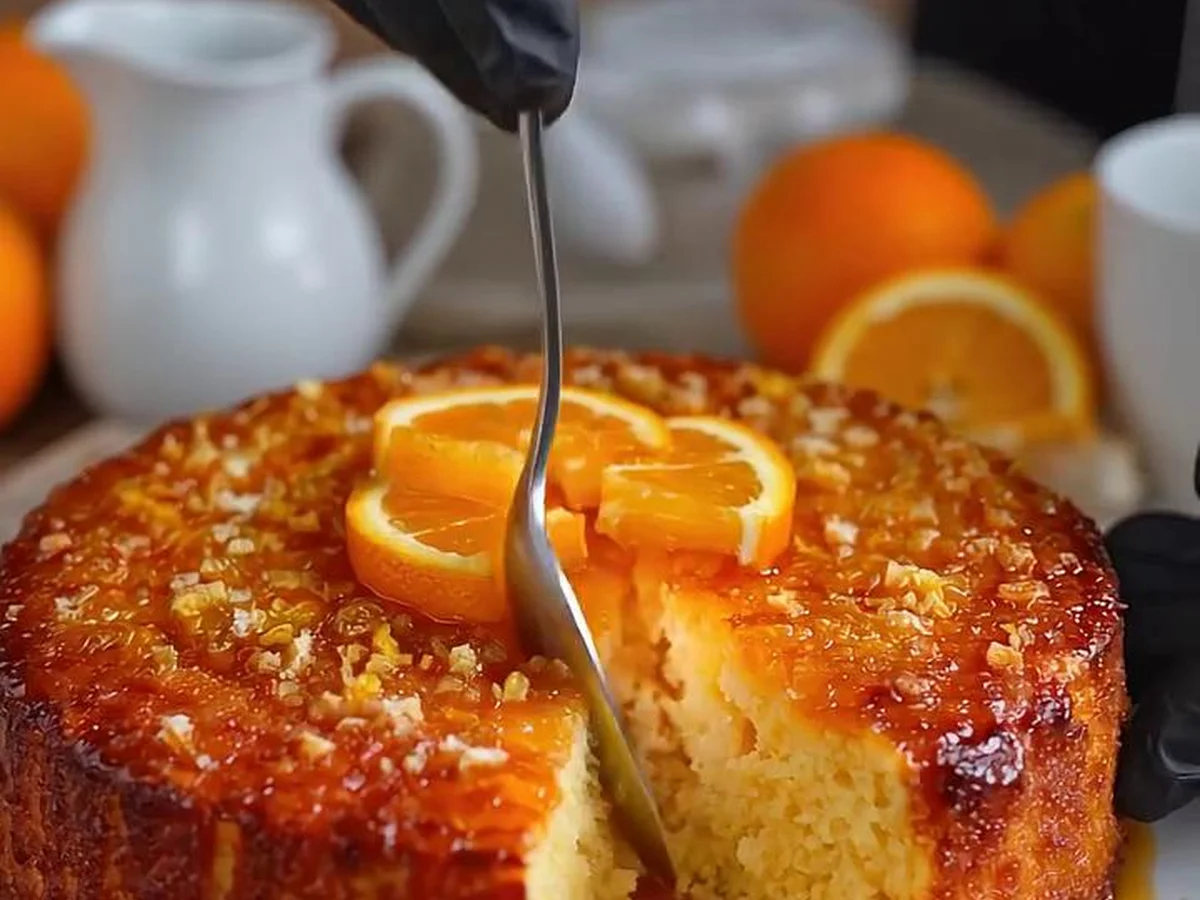
There’s something exquisitely comforting about a slice of moist orange cake that evokes warm memories of sunny afternoons and laughter filled gatherings. The allure of this cake lies not just in its lively, citrusy flavor and fluffy texture but in the warm aroma that wafts through your kitchen as it bakes—glorious notes of sweet oranges merging with a hint of vanilla, enticing your senses and drawing you closer to the oven. The first bite reveals a soft, tender crumb that melts in your mouth; each morsel bursts with the bright tang of orange, offering sweetness balanced with a refreshing zest. It’s no wonder that this cake has become a cherished favorite for many home bakers and dessert enthusiasts alike.
Moist orange cake, with its golden hue and inviting appearance, finds its place in both casual settings and grand celebrations. Whether served in generous slices alongside afternoon tea or adorned with a glistening glaze for a birthday party, it offers versatility and appeal that few desserts can compete with. Put simply, this delightful confection transcends mere dessert status, carving its niche as the epitome of comfort food.
The Origins and History
The roots of citrus-flavored cakes can be traced back through centuries and across continents, with various cultures incorporating local citrus fruits into their culinary heritage. In vibrant Mediterranean regions, where sun-kissed oranges flourish, this delightful cake unlocks an enchanting fusion of flavors and history. Some historians speculate that cake-making, influenced by ancient civilizations of Greece and Rome, evolved as an art form into what we now enjoy as moist orange cake. With sweet and tangy flavors that echo the sunny skies of these regions, it’s easy to see how simple ingredients morphed into a traditional gem.
While one can find countless variations of orange cake worldwide—from the famed Spanish torta de naranja to the bright and fluffy Brazilian bolo de laranja—it remains a classic that resonates with bakers, each adding their unique twist while respecting the cake’s citrus essence. This regal dessert has transcended borders, becoming a delightful staple at family gatherings, holiday feasts, and even as a breakfast indulgence. The evolution of this cake mirrors the blending of cultural influences and the unity brought forth through our simple love for food.
Why You Will Absolutely Love This Recipe
- Flavor Profile: The balance of sweetness and citrus brightness creates a light, refreshing flavor that can brighten anyone’s day.
- Ease of Preparation: This recipe is straightforward, making it suitable for both novice bakers and experienced chefs who appreciate quick, yet delicious treats.
- Crowd-Pleaser: Moist orange cake can cater to any gathering, serving as a hit at birthday parties, coffee catch-ups, or family dinners.
- Delightful Leftovers: Unlike some desserts that wane in flavor after a day, this cake maintains its moistness and flavor, making it perfect for snacking throughout the week.
- Customization: Easily adaptable with various add-ins such as chocolate chips, nuts, or other fruits if you’re up for experimentation.
Deep Dive into the Ingredients
The heart of any successful recipe lies in the ingredients chosen, and the moist orange cake is no exception. Let’s explore the key components that contribute to this delightful dessert:
- Eggs: Three large eggs are crucial for adding structure, moisture, and richness to the cake. They create an emulsion that helps bind the other components together, resulting in a soft and fluffy texture.
- Granulated Sugar: At 200 grams, sugar not only sweetens the cake but also plays an essential role in the texture. It helps to retain moisture and contributes to the cake’s golden crust when baked.
- Vegetable Oil: Using 120 milliliters of vegetable oil over butter creates an incredibly moist cake. The oil remains liquid at room temperature, ensuring that the cake stays tender and fresh even days after baking.
- All-Purpose Flour: The foundation of this cake is 200 grams of all-purpose flour, providing structure while allowing the cake to rise beautifully. This versatile flour is a blend of hard and soft wheat, suitable for a variety of baked goods.
- Baking Powder: One tablespoon serves as the leavening agent that introduces air into the batter. Proper activation during baking ensures the cake rises to perfection without becoming dense.
- Salt: A 1/2 teaspoon of salt enhances flavors, counteracting sweetness and allowing the zesty orange to shine through. It’s a key ingredient that should never be overlooked!
- Zest of Oranges: The zest from two oranges provides an intense burst of citrus aroma and flavor, adding vibrancy and depth to the cake. It’s the secret ingredient that elevates this cake from ordinary to extraordinary.
While each of these components is vital, substitutions can introduce unique twists. For instance, if you’re looking for a dairy-free option, consider substituting eggs with a flaxseed mixture or using almond milk instead of oil. Also, replacing all-purpose flour with a gluten-free blend can accommodate those with dietary restrictions. The flexibility of the recipe can lead to delightful variations, allowing you to make it your own!
Pro Tips for Perfect Results
To achieve consistently perfect results with your moist orange cake, consider these professional tips:
- Room Temperature Ingredients: Always use room temperature eggs and any other refrigerated ingredients. This helps with better emulsification and a smoother batter, which leads to an airy cake.
- Measure Accurately: Accurate measurements are crucial, especially when it comes to flour. Spoon the flour into your measuring cup instead of packing it down, which can inadvertently result in a denser cake.
- Do Not Overmix: When combining the ingredients, mix just until incorporated. Overmixing can develop gluten, resulting in a tougher cake instead of the desired softness.
- Pans Matter: Use light-colored, non-stick baking pans to avoid over-browning. Ensure you grease your pans well or line them with parchment paper for easy removal.
- Check for Doneness: To avoid overbaking, check for doneness a few minutes before the recommended baking time. A toothpick inserted into the center should come out clean or with just a few moist crumbs attached.
Serving and Pairing Suggestions
Moist orange cake shines on its own, yet elevating it with accompanying flavors can create a sensational experience. Serve your cake with a dollop of freshly whipped cream or a scoop of vanilla ice cream to balance the bright citrus notes. For a delightful contrast, consider pairing it with a tart berry compote or zesty lemon curd. To enhance the refreshment, serve it alongside a light herbal tea or even a sparkling wine. This cake is perfect for brunches, birthday celebrations, or a serene afternoon treat—its versatility ensures there’s a suitable occasion for every slice.
Storage, Freezing, and Reheating
If you’re lucky enough to have leftovers, store your moist orange cake in an airtight container at room temperature for up to 3-5 days. To keep it even fresher for longer, refrigerating can extend its viability, though some moisture may slightly diminish in cold storage. For longer-term storage, wrap the unfrosted cake layers tightly in plastic wrap and aluminum foil, placing them in the freezer for up to 3 months. When ready to enjoy again, let the cake thaw in the refrigerator overnight, and bring it back to room temperature before serving for optimum flavor and texture.
Frequently Asked Questions (FAQ)
- Can I use lemon zest instead of orange zest? Absolutely! Lemon zest will impart a different flavor profile, resulting in a delicious lemon cake. Feel free to experiment with other citrus varieties like lime for a unique twist.
- Why is my orange cake dense? This could be due to overmixing the batter or using too much flour. Accurate measuring and gentle mixing are essential to avoid this issue.
- Can I add nuts or chocolate chips to the batter? Yes! These can add an enjoyable crunch or complementary sweetness. Just remember to adjust the baking time slightly if adding heavier ingredients.
- How can I make the cake gluten-free? Replace all-purpose flour with a gluten-free blend, ensuring it contains xanthan gum for structure.
Conclusion
This moist orange cake is not just a recipe; it’s an invitation to indulge in the vibrant zest of life. Whether shared with loved ones or enjoyed as a personal treat, it brings an element of joy to every moment. Give it a try, and you will understand why this dessert has captured hearts everywhere!
The History of This Recipe
The origin of Moist Orange Cake can be traced back to centuries ago in sunny Mediterranean regions where citrus fruits thrived. Local bakers discovered that the zest and juice of oranges added a unique flavor and moisture to traditional cakes, transforming them into a delightful treat.
As the recipe traveled across borders, families began to customize it, adding their own twists with ingredients like almonds and spices. Over time, Moist Orange Cake became synonymous with celebrations and gatherings, cherished for its bright flavor and tender texture.
In modern kitchens, this cake remains a beloved classic, symbolizing warmth and togetherness. Today, it often graces tables during festive occasions, reminding us of its rich heritage and the joy it brings to those who share it.
Moist Orange Cake
INGREDIENTS
- 3 large eggs
- 200 g granulated sugar
- 120 ml vegetable oil
- 200 g all-purpose flour
- 1 tablespoon baking powder
- 1/2 teaspoon salt
- Zest of 2 oranges
INSTRUCTIONS
Preheat your oven to 180°C (350°F). Grease and flour a 9-inch round cake pan or line it with parchment paper.
In a large mixing bowl, beat the eggs and sugar together until the mixture is light and fluffy, about 5 minutes.
Add the vegetable oil to the egg mixture and continue to beat until well combined.
In a separate bowl, whisk together the all-purpose flour, baking powder, and salt.
Gradually add the dry ingredients to the wet mixture, alternating with the orange juice, starting and ending with the flour mixture. Mix until just combined.
Fold in the orange zest and vanilla extract gently into the batter.
Pour the batter into the prepared cake pan and smooth the top with a spatula.
Bake in the preheated oven for 25-30 minutes, or until a toothpick inserted into the center comes out clean.
Once baked, remove the cake from the oven and allow it to cool in the pan for 10 minutes before transferring it to a wire rack to cool completely.
Once cooled, dust the top of the cake with powdered sugar, if desired, before serving.
Time & Calories
Prep Time: 15 minutes
Cook Time: 30 minutes
Total Time: 45 minutes
Servings: 8
Approximate Calories per Slice: 250 kcal (based on 8 servings)
NOTES
Enjoy your delicious homemade Moist Orange Cake !