Introduction
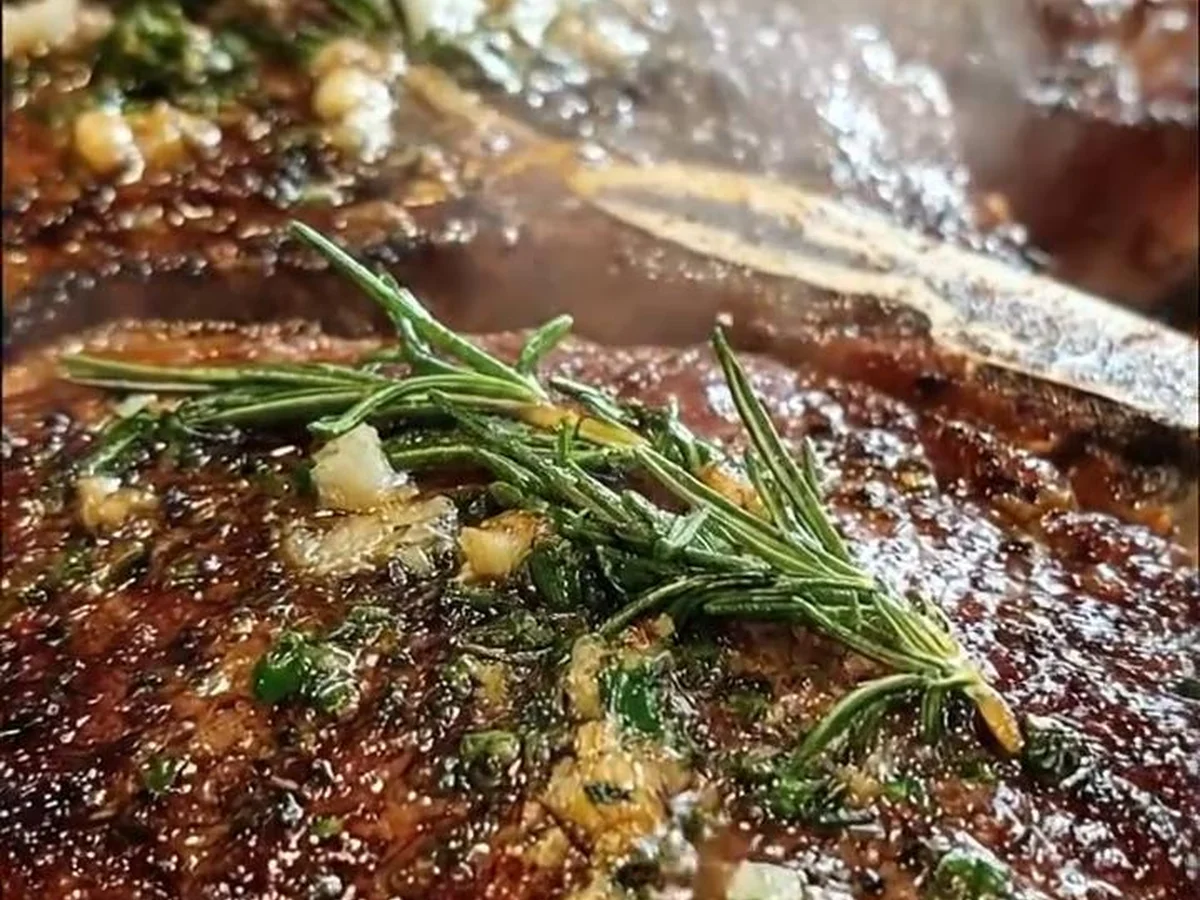
There’s something undeniably enticing about a perfectly cooked ribeye steak — the kind that sizzles when it hits the grill and sends a mouthwatering aroma wafting through the air. Ribeye steaks are not just a meal; they are a celebration of flavor, texture, and the kind of hearty comfort that can make any day feel special. The rich marbling of fat running through the ribeye promises an explosion of juiciness and savoriness, ensuring that each bite is not just satisfying, but utterly delightful. Imagine sitting down to a beautifully seared ribeye, the charred crust giving way to a warm, tender interior that melts in your mouth. It’s no wonder this cut of beef has garnered a cult following among steak aficionados and home cooks alike. Ribeye steaks are the epitome of comfort food, perfect for family gatherings, romantic dinners, or a simple indulgence after a long day.
The Origins and History
The ribeye steak has its origins firmly rooted in the culinary traditions of North America, but its story is intertwined with the history of beef consumption that spans centuries. Originally, the cut comes from the rib section of the cow, and its name — “ribeye” — is derived from the eye of meat located at the center of the ribeye roast. This eye flecked with marbling is what gives ribeye its signature tenderness and flavor. Over time, as butchering techniques evolved and grilling techniques became popular, the ribeye grew from a humble cut into one celebrated in steakhouses and kitchens across the globe. In American cuisine, it has taken its rightful place alongside burgers and hot dogs in representing outdoor grilling culture, often seen sizzling on backyard barbecues. Whether enjoyed at a fancy steakhouse or in a cozy corner restaurant, the ribeye stands as a testament to the pleasures of beef, inviting diners to relish in its depths.
Why You Will Absolutely Love This Recipe
Here are several compelling reasons why this juicy ribeye steak recipe will be your go-to:
- Flavor Profile: Ribeye is renowned for its robust flavor, thanks to its exceptional marbling. This cut is naturally rich and buttery, requiring minimal seasoning to shine.
- Ease of Cooking: With just a few ingredients and straightforward techniques, impressive results are easily achievable. Even novice cooks can create a restaurant-worthy meal.
- Crowd-Pleaser: Steak is a universally loved dish, making it a reliable option for entertaining. Whether it’s a casual family dinner or a festive gathering, ribeye impresses everyone at the table.
- Leftovers Delight: These steaks reheat beautifully, making them a delicious meal option the next day. Sliced ribeye can be enjoyed in salads, sandwiches, or even tacos.
Deep Dive into the Ingredients
Getting the best results in cooking starts with selecting the right ingredients. In this recipe, we focus on a few hero components that elevate the ribeye steak experience:
- Ribeye Steaks: The cut’s inherent fat marbling renders the steak juicy and flavorful. Opt for steaks that are 1 to 1.5 inches thick for the best sear and cooking control. While choosing your steaks, look for bright red color and a good amount of marbling for maximum taste.
- Olive Oil or Melted Butter: Both olive oil and melted butter serve as excellent substrates for your seasoning and help achieve a perfect sear. Butter adds a nutty flavor, while olive oil brings a complementary earthiness. Choose extra virgin olive oil for its higher quality and flavor.
- Salt: Salt is essential in enhancing the steak’s natural flavor. Kosher salt is preferred for its larger grains that dissolve beautifully and allow for an even seasoning distribution. Sea salt is another excellent alternative, offering a subtle crunch.
- Freshly Ground Black Pepper: Adding black pepper is optional but recommended for those who enjoy a touch of warmth and complexity. Make sure to use freshly ground for the best flavor.
- Optional Herbs: Fresh herbs like rosemary or thyme can add aromatic depth and elegance. They can be used to infuse the butter during cooking or as a garnish, providing a visual appeal.
Pro Tips for Perfect Results
To master the art of cooking a ribeye steak, consider the following pro tips to achieve perfection:
- Bring to Room Temperature: Before cooking, remove the steaks from the refrigerator and let them reach room temperature for about 30 minutes. This promotes even cooking throughout the meat.
- Preheat Your Cooking Surface: Whether using a grill or cast-iron skillet, ensure it is properly preheated to high temperatures to achieve a perfect sear. A hot surface will lock in juices and create that beautiful crust.
- Don’t Overcrowd the Pan: If cooking multiple steaks, give each steak enough space. Overcrowding can cause the temperature to drop, leading to steaming instead of searing.
- Resting is Crucial: After cooking, let the steaks rest for about 5-10 minutes before slicing. This allows juices to redistribute throughout the meat, resulting in a more tender and juicy experience.
Serving and Pairing Suggestions
When it comes to serving juicy ribeye steaks, consider side dishes that complement their richness. Creamy mashed potatoes, grilled asparagus, or a fresh arugula salad are delightful accompaniments. For beverages, a full-bodied red wine like Cabernet Sauvignon perfectly pairs with the steak’s robust flavors. This dish is versatile enough for occasions ranging from casual weeknight dinners to festive holiday gatherings.
Storage, Freezing, and Reheating
To keep your leftover ribeye steak fresh, store it in an airtight container in the refrigerator for up to three days. To freeze, wrap the steaks tightly in plastic wrap and place them in a freezer-safe bag, where they can last for up to three months. When reheating, gently warm the steak in a skillet over low heat, adding a little butter to keep it moist. Alternatively, a quick blast in the oven at a low temperature also helps to retain juiciness.
Frequently Asked Questions (FAQ)
1. How do I know when my ribeye steak is cooked to my liking?
Using a meat thermometer is the best way to gauge doneness. For medium-rare, aim for an internal temperature of 130-135°F, while medium is around 140-145°F. Remember that steaks will continue to cook slightly as they rest.
2. Can I marinate ribeye steaks?
Absolutely! While ribeye is flavorful on its own, marinating can enhance its taste. A simple marinade of olive oil, balsamic vinegar, garlic, and herbs can add layers of flavor.
3. What’s the best way to sear a ribeye steak?
To achieve the best sear, make sure your skillet is preheated before adding the steak. Avoid moving the steak too much; let it sear undisturbed until a crust forms before flipping.
4. Why is resting important after cooking steak?
Resting your steak is key to maintaining juiciness. It allows the juices, which get pushed to the surface during cooking, to redistribute throughout the meat, resulting in more tender bites.
Conclusion
Cooking a juicy ribeye steak is an art form that promises rich rewards. With the right techniques and a bit of attention to detail, you can transform a simple cut of meat into a delightful dining experience that captivates the senses.
The History of This Recipe
In a small town known for its vibrant agricultural community, a local butcher named Tom discovered a passion for grilling. He experimented with different cuts of beef, ultimately falling in love with the rich flavor and tenderness of ribeye steaks.
Realizing the potential for a unique dining experience, Tom decided to host weekend cookouts at his backyard, inviting neighbors to savor his grilled creations. Word quickly spread about the juicy, flavorful ribeyes, turning those casual gatherings into bustling events.
Encouraged by the overwhelming response, Tom opened a deli specializing in ribeye steaks, offering various marinades and seasonings. ‘Juicy Ribeye Steaks’ became a beloved destination, as locals flocked to experience the mouthwatering taste that started in Tom’s backyard.
Juicy Ribeye Steaks
INGREDIENTS
- 2 ribeye steaks (1 to 1.5 inches thick)
- 1–2 tbsp olive oil or melted butter
- Salt (preferably kosher or sea salt)
- Freshly ground black pepper (optional)
- Optional herbs for garnish (such as rosemary or thyme)
INSTRUCTIONS
Remove the ribeye steaks from the refrigerator and allow them to come to room temperature for about 30-45 minutes. This helps the steaks to cook evenly.
Preheat your grill or skillet over high heat. If using a grill, ensure the grates are clean and well-oiled.
Pat the steaks dry with paper towels. This will help to achieve a nice sear on the outside.
Brush both sides of each steak with olive oil or melted butter. This adds flavor and helps to prevent sticking.
Generously season both sides of the steak with salt. If desired, add freshly ground black pepper for additional flavor.
Once the grill or skillet is hot, place the steaks on it. For a medium-rare steak, cook for about 4-5 minutes on the first side without moving it.
Flip the steaks and cook for another 3-4 minutes on the other side for medium-rare. Adjust the cooking time to your preference for doneness (approximately 5-6 minutes for medium and 7-8 minutes for medium-well).
Use a meat thermometer to check the internal temperature: 130°F (54°C) for medium-rare, 140°F (60°C) for medium, and 150°F (65°C) for medium-well.
Once done, remove the steaks from the grill or skillet and transfer them to a cutting board. Tent loosely with aluminum foil and let them rest for 5-10 minutes. This allows the juices to redistribute within the meat.
Slice the ribeye against the grain and garnish with optional fresh herbs if desired. Serve immediately and enjoy!
Time & Calories:
Total Time: Approximately 1 hour (including resting time)
Calories: Approximately 650-800 calories per steak (varies depending on cooking methods and additional toppings)
NOTES
Enjoy your delicious homemade Juicy Ribeye Steaks !