Introduction
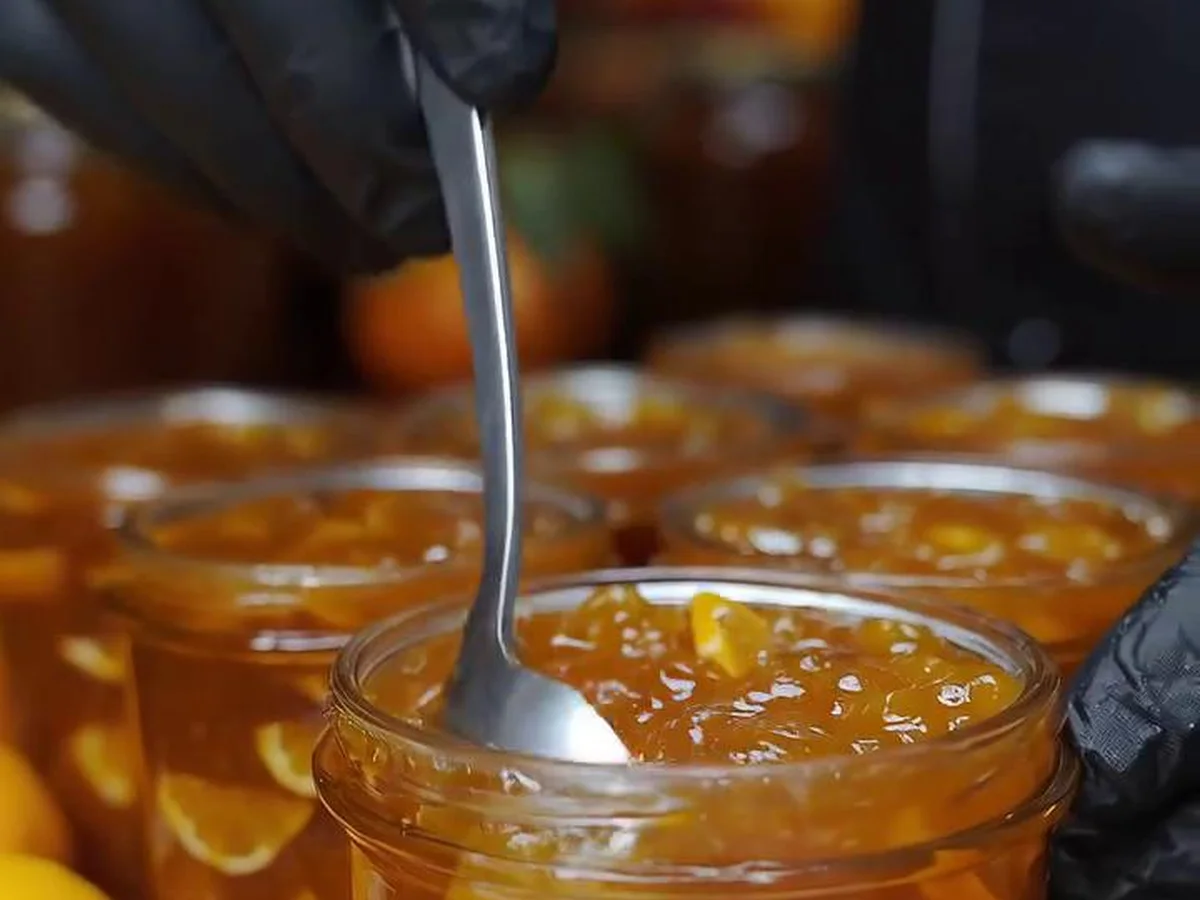
There’s something undeniably comforting about homemade orange marmalade, a bright, citrusy spread that evokes warm breakfasts on a sunlit morning. The moment you open a jar, your kitchen is enveloped in the intoxicating aroma of fresh oranges, as if the entire grove has suddenly come to life within your home. With its beautiful, glistening appearance and a perfect balance between sweetness and bitterness, orange marmalade is more than just a pantry staple; it is a nostalgia-laden companion that enhances your morning toast, warm scones, or even decadent desserts.
This beloved preserve has an illustrious history, often associated with quaint tea times and leisurely brunches. It’s no longer just about spreading it on your morning bread—people are using it in marinades, salad dressings, and glazes. Beyond its versatility, orange marmalade captivates with its visually stunning jewel-like color, a true embodiment of sunny days captured in a jar. Join me on this culinary journey as we explore how to create your very own homemade orange marmalade and bask in the symphony of flavors. Transforming simple oranges into something magical awaits!
The Origins and History
The history of orange marmalade is as rich as its flavor, weaving its way through the annals of time, spanning continents and culinary traditions. While the exact origins remain somewhat murky, the earliest references to citrus preserves can be traced back to the Middle Ages in Spain and Portugal. Ideas traveled as explorers set sail to the New World, bringing back not only wares but also an appreciation for fruits like oranges, lemons, and limes.
By the 18th century, orange marmalade had secured its place in British culture. It is believed that it was in Scotland where the first commercial production took place. The famed Scottish marmalade brand, Dundee Marmalade, gained popularity after its inception, and to this day, it continues to influence the way we consider this beloved spread. Marmalade has also been a part of British literary history, famously dubbed by the writers of old as the preferred accompaniment to tea, further cementing its status as an essential comfort food.
Why You Will Absolutely Love This Recipe
- Flavor Profile: The combination of sweet and slightly bitter notes makes each spoonful a delightful experience. The vibrant, zesty flavor bursts forth in every bite.
- Ease of Preparation: With a handful of ingredients and simple techniques, anyone—regardless of skill level—can master this marmalade-making process.
- Crowd-Pleaser: Impress your family and friends with a batch of homemade orange marmalade; it makes an excellent addition to brunch tables and holiday gifts.
- Leftovers: Once you master this recipe, consider experimenting by mixing in different fruits or spices, ensuring you’ll never tire of your creations.
Deep Dive into the Ingredients
To create the best homemade orange marmalade, each ingredient plays a crucial role in delivering flavor, texture, and sweetness:
- Oranges (1 kg): The foundation of the marmalade. Choose fresh, organic oranges whenever possible for their superior flavor and fragrance. Varieties such as Valencia or Seville oranges are particularly favored for their sweet and tangy balance. If you’re looking to sub in other citrus fruits, consider grapefruits or lemons; however, they will yield a different taste profile.
- Sugar (800 g): This is a critical element for proper preservation, giving the marmalade its signature sweetness. Granulated sugar is the usual choice, though you could experiment with cane sugar for a more nuanced flavor. Reducing sugar can result in a less successful set due to its role in gel formation.
- Lemon Juice (Juice of 1 lemon): The acidity of lemon juice brightens the flavor of the marmalade and helps with the gelling process, ensuring a sturdy yet spreadable consistency. You could also experiment with other citrus juices, though lemon complements the oranges beautifully.
- Water (250 ml): Water provides the necessary liquid for cooking down the oranges and sugar, helping to extract the natural juiciness while creating the right cooking environment. For a little extra depth, consider using herbal infusions or flavored teas in place of plain water.
Pro Tips for Perfect Results
To ensure that your homemade orange marmalade comes out perfectly every time, keep the following expert tips in mind:
- Quality Control: Use only the freshest oranges available. A clean, organic fruit will reduce the risk of unwanted pesticides and enhance flavor.
- Slice with Purpose: When cutting the oranges, careful attention to thickness is necessary. Thin slices will lead to quicker cooking and integration, while thicker slices will maintain their structure longer. Experimentation can reveal what consistency you prefer.
- Temperature Matters: Utilize a candy thermometer during the cooking process to achieve the desired “gel set” temperature, usually around 220°F (104°C). The temperature will guide you to the perfect consistency; go for a spoon test to check if it coats the back of a spoon before deciding it’s done.
- Patience is Key: Allow the mixture time to cook down slowly. Rapid boiling may result in burning or loss of flavor—take your time and cherish the process.
Serving and Pairing Suggestions
Homemade orange marmalade is perfect for spreading atop warm buttered toast, rich breakfast pastries, or fluffy scones. Pair it with a hot cup of tea or coffee for a delightful breakfast treat. It works equally well as a glaze for roasted meats or incorporated into salad dressings for a zesty boost. For dessert, consider using it as a topping for pancakes, yogurt, or in a trifle, offering versatility beyond the traditional!
Storage, Freezing, and Reheating
To maximize the shelf life of your homemade orange marmalade, store it in sterilized glass jars with airtight lids. Properly sealed, it can last up to a year in a cool, dark pantry. If space permits, you can also freeze the marmalade in freezer-safe containers, preserving its freshness for up to six months. Just remember to allow it to thaw in the fridge before use—reheating is generally unnecessary for this preserve!
Frequently Asked Questions (FAQ)
- Can I use other types of citrus besides oranges? Absolutely! While this recipe focuses on oranges, you can incorporate lemons, limes, or grapefruits to experiment with varied flavors. Just be mindful of the sweetness level!
- Why is my marmalade runny? There can be several reasons for a runny marmalade, the most common being inadequate cooking time or low sugar content. Ensure you’re reaching the correct temperature when you check for doneness.
- Is it necessary to use pectin? Orange peels naturally contain pectin, making it optional; however, using commercial pectin can guarantee a firmer set. If you prefer a more rustic texture, forgo it entirely.
- How can I adjust the sweetness? To alter the sweetness, reduce the amount of sugar when initially making the marmalade. You can also enhance flavor by adding spices like ginger or cardamom.
Conclusion
Embarking on the journey to create your own homemade orange marmalade is a rewarding experience that brings joy to your kitchen and your table. With its bright flavors, homemade touches, and versatility, you will be thrilled to savor and share this classic treat.
The History of This Recipe
Homemade orange marmalade traces its roots back to ancient civilizations where citrus fruits were cherished for their flavor and health benefits. The process of preserving fruits in sugar, however, gained popularity in Europe during the 18th century.
The word marmalade itself is derived from the Portuguese term marmelada, initially referring to a quince paste. As oranges became more accessible, resourceful homemakers began experimenting with this vibrant fruit, creating the tangy spread we know today.
In the bustling kitchens of British households, the art of making orange marmalade flourished, particularly during citrus seasons. It became a beloved breakfast staple, symbolizing comfort and nostalgia for generations.
Homemade Orange Marmalade
INGREDIENTS
- 1 kg oranges (about 4-5 medium)
- 800 g sugar
- Juice of 1 lemon
- 250 ml water
INSTRUCTIONS
Begin by thoroughly washing the oranges to remove any wax or impurities. Pat them dry.
Slice the oranges in half and then into quarters. Remove any seeds you can find and set them aside.
Place the orange pieces (with skin) into a large saucepan. Add the water and cover the saucepan with a lid. Allow the oranges to simmer over medium heat for about 30 minutes, until they are soft and tender.
After simmering, remove the saucepan from heat and allow it to cool slightly. Once cooled, transfer the orange mixture to a large bowl. If desired, chop the oranges into smaller pieces for a finer marmalade.
Add the sugar and lemon juice to the bowl with the orange mixture. Stir well until the sugar is fully dissolved.
Return the mixture to the saucepan and bring it to a boil over medium-high heat. Once boiling, reduce the heat to a gentle simmer.
Stir occasionally to prevent sticking, and let it boil for about 40-50 minutes. The marmalade will become thick and sticky. To check for doneness, place a small spoonful onto a chilled plate—if it gels up, it’s ready.
Remove the saucepan from heat and let it cool for a few minutes. Skim off any foam that forms on the top.
Carefully ladle the hot marmalade into sterilized jars, leaving about 1/2 inch of headspace at the top. Seal with lids while still hot to create a vacuum seal.
Allow the jars to cool to room temperature before storing them in the refrigerator or pantry.
Time & Calories
Total Time: Approximately 1.5 hours
Calories: Approximately 50 calories per tablespoon (varies based on specific serving size)
NOTES
Enjoy your delicious homemade Homemade Orange Marmalade !