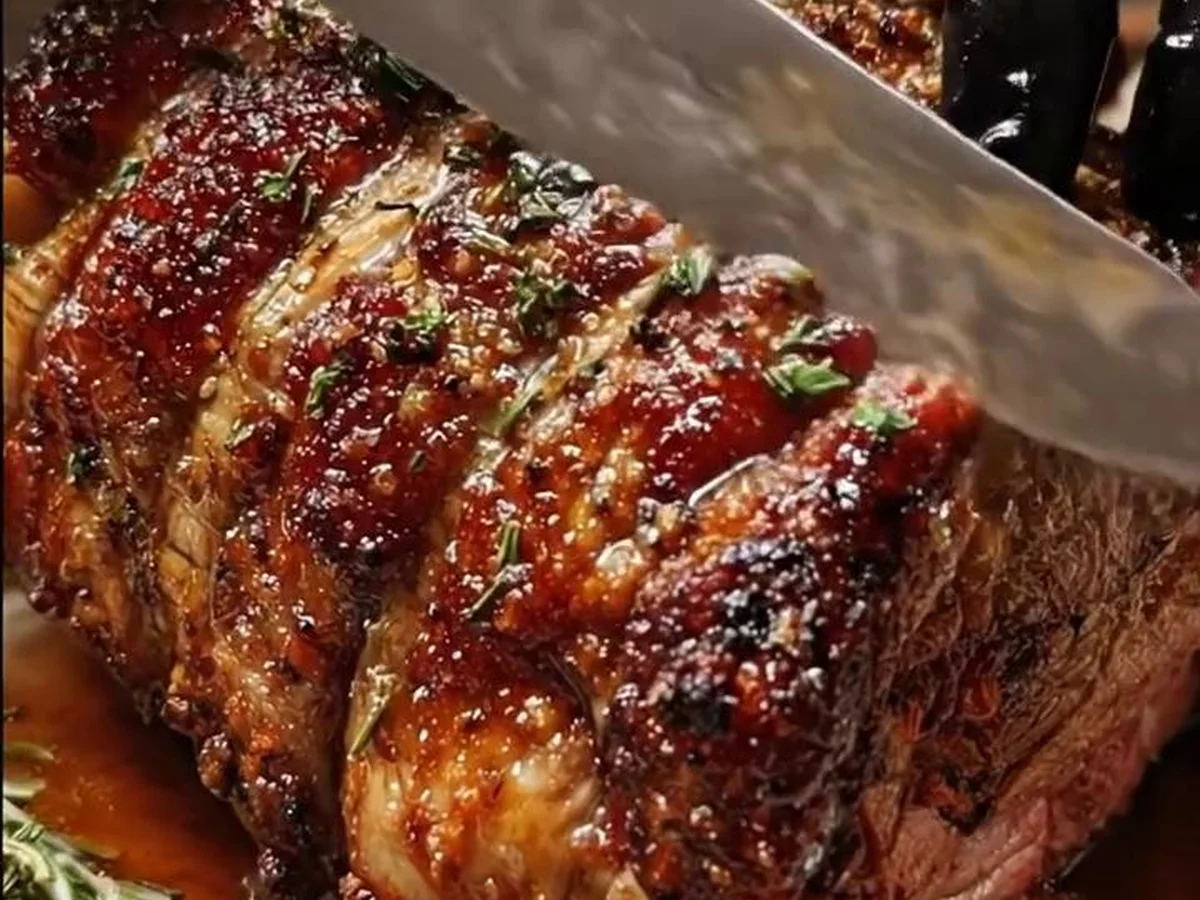
Christmas Prime Rib: A Culinary Masterpiece for Your Holiday Feast
As the festive spirit of Christmas begins to fill the air, one dish emerges as the star of holiday dinners: Prime Rib. This magnificent cut of beef is not merely a meal; it’s an experience, combining rich flavors, tender textures, and memories that linger long after the last slice is served. Imagine the tantalizing aroma wafting through your home as the roast cooks, teasing your senses with hints of garlic, herbs, and the natural flavors of the meat. When you cut into that beautifully seared exterior, revealing a juicy, pink center, your taste buds awaken to a celebration of flavors that embody the essence of comfort food.
In every bite, you can taste tradition and decadence, as this dish often serves as a centerpiece for gatherings filled with laughter, stories, and love. Whether it’s your first time serving Prime Rib or a beloved tradition passed down through generations, this recipe promises to bring warmth and joy to your Christmas table. Get ready to transform your holiday feast into a memorable culinary celebration with this sumptuous Christmas Prime Rib!
The Origins and History
The origins of Prime Rib can be traced back to medieval times when it was a dish reserved for royalty and the affluent, often associated with grand feasts celebrating victory or significant occasions. The term “rib roast” hails from the primal cuts of beef from the rib section, offering tenderness and flavor ideal for slow roasting. In America, Prime Rib gained popularity in the mid-20th century, thanks to its reputation as a holiday delicacy, particularly during Christmas and Easter. Chefs and home cooks alike have celebrated this cut for its rich marbling that yields incredible flavors and a tender bite. The iconic status of Prime Rib as a part of holiday feasting commemorates not just culinary skill but also the importance of sharing and togetherness during festive gatherings.
Why You Will Absolutely Love This Recipe
- Flavor Profile: The mouthwatering combination of herbaceous rosemary and thyme, coupled with garlic and onion powder, elevates the natural taste of the beef.
- Ease of Preparation: While Prime Rib may seem intimidating to cook, this recipe simplifies the process, making it accessible even for novice chefs.
- Crowd-Pleaser: Suitable for gatherings of all sizes, this roast will impress your guests with its grandeur and flavor, ensuring rave reviews.
- Delicious Leftovers: Prime Rib sandwiches, beef stew, or beef stroganoff – the delicious possibilities for leftover beef make this recipe even more worthwhile.
Deep Dive into the Ingredients
Let’s take a closer look at the key ingredients that make this Christmas Prime Rib stand out:
- Prime Rib Roast: Selecting a high-quality roast from a reputable butcher is paramount. The “prime” designation refers to the superior marbling, resulting in a juicy, flavorful cut. If “prime” is unavailable, you may consider “choice” cuts. Look for roasts with even marbling for optimum tenderness.
- Kosher Salt: This particular salt is favored for its texture and purity, making it ideal for seasoning meat. It draws out moisture and enhances flavor without overwhelming the palate. For those limited by dietary concerns, feel free to substitute with regular sea salt, adjusting the quantity to taste.
- Black Pepper: Freshly ground black pepper adds a necessary zing and a hint of heat to balance the richness of the beef. However, for a milder flavor, you can opt for white pepper instead.
- Garlic Powder and Onion Powder: These two pantry staples offer convenience and convenience in flavor. Their enzymatic nature adds depth without the need for intense chopping. Fresh garlic and onions work great too; just remember to adjust quantities accordingly.
- Fresh Rosemary and Thyme: Herbs like rosemary and thyme impart aromatic brightness to the dish. Their complexity marries beautifully with beef, heightening the overall sensory experience. Should fresh herbs be inaccessible, dried herbs could suffice, though they won’t match the vibrancy of their fresh counterparts.
Pro Tips for Perfect Results
To achieve that show-stopping, perfectly cooked Prime Rib, consider the following expert tips:
- Bring to Room Temperature: Let the roast sit out for 1-2 hours before cooking. This ensures even cooking throughout, avoiding a burnt exterior and raw interior.
- Season Generously: Apply the salt and seasoning generously to draw out moisture from the meat and create a savory crust that locks in flavor.
- Searing for Flavor: Start with a hot grill or roasting pan to sear the exterior of the meat. This enhances the Maillard reaction, producing a caramelized crust that adds complexities to the flavor.
- Use a Meat Thermometer: Invest in a reliable meat thermometer to maintain precision. Aim for an internal temperature of 130-135°F for medium-rare, keeping in mind that the roast will continue to cook even after it’s pulled from the oven.
- Rest the Meat: After cooking, allow the roast to rest for at least 20-30 minutes before slicing. This helps the juices redistribute throughout the roast, ensuring each bite is succulent.
Serving and Pairing Suggestions
When it comes to side dishes that complement your Christmas Prime Rib, traditional choices like creamy mashed potatoes, roasted seasonal vegetables, or Yorkshire pudding work splendidly. Consider pairing with a rich red wine, such as Cabernet Sauvignon or Merlot, to contrast the meat’s richness. This dish is the centerpiece of special occasions, perfect for Christmas Eve dinners, family feasts, or New Year celebrations.
Storage, Freezing, and Reheating
To ensure that your Prime Rib maintains its deliciousness beyond the holiday dinner, consider proper storage techniques. After it cools down, tightly wrap any leftover roast in aluminum foil or store it in an airtight container. Refrigeration will keep it fresh for up to 3-4 days. For longer preservation, you can freeze leftover slices for up to six months. Just ensure that they are well-wrapped to avoid freezer burn. When reheating, do this gently in the oven at a low temperature (around 250°F), covered with foil to retain moisture, or briefly in the microwave, checking frequently to prevent overcooking.
Frequently Asked Questions (FAQ)
1. Can I use a different cut of meat? Yes! While this recipe is specifically tailored for Prime Rib, cuts like ribeye or sirloin can work, though cooking times may vary.
2. How can I tell when my Prime Rib is done? Use a meat thermometer for the best results. For medium-rare, aim for 130-135°F internal temperature.
3. Is it necessary to sear the meat before roasting? While not strictly necessary, searing significantly enhances flavor and texture, creating a beautiful crust that complements the roast.
4. Can I make this ahead of time? Yes! You can season it ahead of time and hold it in the refrigerator. Just allow it to come to room temperature before roasting.
5. Is there a way to keep the meat warm while resting? Absolutely! Tent the roast loosely with foil. This keeps it warm while allowing the juices to redistribute.
Conclusion
Incorporate the elegance of this Christmas Prime Rib into your holiday traditions, and watch it become the talk of your festive gatherings. Revel in the joy of cooking and sharing, surrounded by loved ones, as this delicious Prime Rib takes center stage, making your holiday unforgettable.
The History of This Recipe
Christmas Prime Rib originated in the early 20th century as families sought a special centerpiece for their holiday feasts. The tradition combined the festive spirit of Christmas with the rich flavors of beef, creating a dish that symbolized abundance and celebration.
As more families embraced the idea, recipes began to circulate, showcasing various marinades and cooking techniques. The savory aroma of prime rib roasting in the oven quickly became a hallmark of holiday gatherings, making it a beloved tradition across diverse cultures.
Today, Christmas Prime Rib continues to evoke warmth and togetherness, with each family adding their own unique twist. From herb crusts to garlic rubs, this dish has become a canvas for culinary creativity during the festive season.
Christmas Prime Rib
INGREDIENTS
- 1 prime rib roast (about 5–7 pounds)
- 2 tablespoons kosher salt
- 1 tablespoon black pepper
- 1 tablespoon garlic powder
- 1 tablespoon onion powder
- 1 tablespoon fresh rosemary, chopped
- 1 tablespoon fresh thyme, chopped
INSTRUCTIONS
Take the prime rib roast out of the refrigerator and let it come to room temperature for about 1 hour before cooking.
Preheat your oven to 450°F (232°C).
In a small bowl, mix together the kosher salt, black pepper, garlic powder, onion powder, rosemary, thyme, and minced garlic.
Rub the olive oil all over the surface of the prime rib roast.
Evenly coat the roast with the spice mixture, ensuring all sides are well seasoned.
Place the prime rib, bone side down, in a roasting pan. Optionally, place a rack in the pan to elevate the roast.
Roast the prime rib in the preheated oven for 20 minutes to develop a nice crust.
After 20 minutes, reduce the oven temperature to 325°F (163°C) and continue to roast the prime rib for an additional 1.5 to 2 hours, or until an internal thermometer reads 130°F (54°C) for medium-rare, or your desired doneness.
Remove the roast from the oven and let it rest for at least 20-30 minutes. This will help the juices redistribute throughout the meat.
While the roast is resting, you can prepare the au jus. Place the roasting pan on the stove over medium heat, add the beef broth, and scrape up any drippings from the bottom of the pan until heated through.
Slice the prime rib into thick cuts and serve with the au jus on the side. Garnish with fresh herbs if desired.
Time & Calories:
Prep Time: 15 minutes
Cooking Time: 2 hours
Resting Time: 30 minutes
Total Time: 2 hours 45 minutes
Approximate Calories: 300 calories per serving (based on a 6-ounce portion).
NOTES
Enjoy your delicious homemade Christmas Prime Rib !