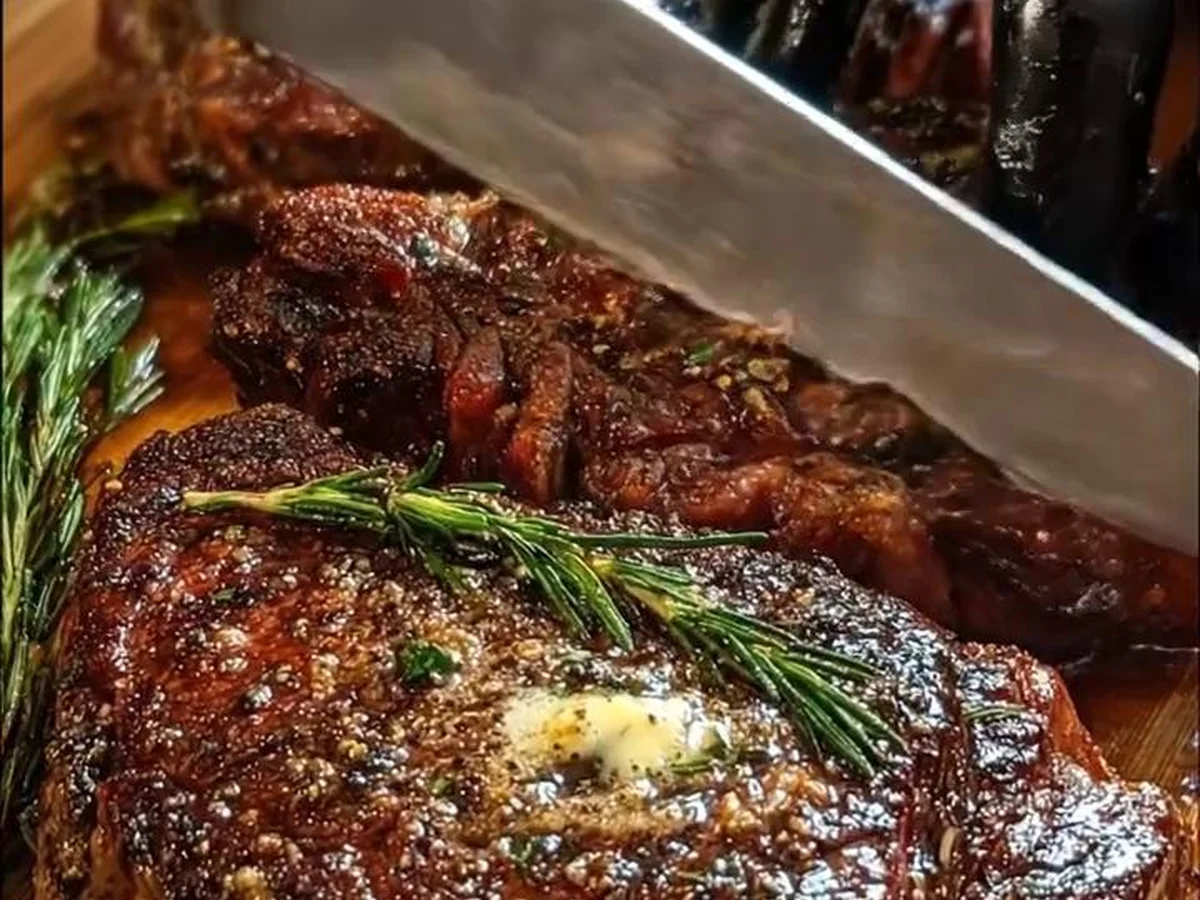
There’s something undeniably satisfying about a beautifully seared ribeye steak. The sound of sizzling meat fills the air, prompting a primal hunger that awakens the senses. The aroma of browning beef, combined with the rich, buttery notes from the basting process, creates an intoxicating atmosphere. The allure of thick, juicy, and beautifully marbled ribeye has made it a beloved choice on dinner tables and in fine dining establishments alike. Tender and packed with flavor, this cut of beef has claimed its status not merely as a protein but as a comfort food hero. Add to that the rich umami flavors that burst forth with each bite, and you have a culinary experience that lingers in the memory long after the plate is cleared.
The Origins and History
The ribeye steak, known for its remarkable tenderness and marbling, is a classic cut of beef that hails from the rib section of the cow. Historically, the cowboy culture of the American West embraced hearty cuts of meat, where the ribeye soon became a staple for those seeking a filling meal after a long day of ranch work. Its popularity soared as modern grilling techniques and high-quality butchery elevated ribeye to a menu mainstay.
Globally, similar cuts of beef have been enjoyed in various forms—be it the Argentinian asado, where large, marbled cuts are grilled to perfection, or the French côte de boeuf, a prime rib’s sibling served family-style. Each culture cherishes the ribeye in their own unique way, celebrating the flavors and textures that come from this beautifully marbled cut. Today, ribeye steaks symbolize indulgence and celebration, whether it’s a festive gathering or a quiet night in.
Why You Will Absolutely Love This Recipe
- Flavor Profile: The combination of the steak’s rich, beefy taste, the aromatic garlic, and the sumptuous butter creates an incredible umami bomb that satisfies the taste buds in every possible way.
- Ease of Preparation: This recipe is simple and straightforward, making it perfect for both novice cooks and seasoned chefs. You can prepare a restaurant-quality dish in under 30 minutes.
- Crowd-Pleaser: Whether it’s a family dinner or a celebration, the delicious and succulent nature of ribeye never fails to impress guests.
- Leftover Delight: The richness of this dish makes it ideal for next-day transformations; think ribeye steak sandwiches or added to salads for a hearty lunch.
Deep Dive into the Ingredients
Let’s take a moment to appreciate the central stars of this recipe—the ribeye steak itself, along with the supporting cast of olive oil, garlic, butter, salt, and pepper.
Ribeye Steak: The choice of ribeye for this recipe is intentional. The cut comes from the rib section of the cow, featuring a distinct marbling of fat that tantalizes the palate with moisture and flavor. When properly cooked, it remains juicy and tender, making it the ideal candidate for pan-searing. If you’re looking for alternatives, you might consider sirloin or New York strip, but these won’t offer the same depth of flavor.
Olive Oil: This ingredient plays a dual role, both acting as a medium for cooking and contributing additional flavor. Opting for high-quality extra virgin olive oil can elevate the dish even further. If you prefer to switch things up, avocado oil is a fantastic substitute due to its high smoke point.
Kosher Salt: This type of salt is ideal for seasoning as it dissolves easily and provides a gentler salting effect, allowing for better control. Morton’s kosher salt is a common choice, but feel free to adjust according to your taste or dietary needs.
Black Pepper: Freshly cracked black pepper adds a gentle warmth and complexity that perfectly complements the ribeye. While traditional black pepper is customary, consider using white or a blend if you’re looking to experiment.
Garlic: The crushed garlic will infuse the fat with its aromatic qualities, sharing its robust flavor with the steak as it cooks. You can experiment with flavors by incorporating shallots or even herbs like thyme or rosemary for a sophisticated touch.
Unsalted Butter: The addition of butter at the end of cooking not only enriches the sauce created during the searing process but also helps in basting the steak for an ultra-luxurious finish. Unsalted butter allows you to control the salt levels in the dish.
In summary, these ingredients form a symphony of flavors designed to create a memorable meal. The beauty lies in the freshness and quality of what you use, so sourcing high-grade beef and ingredients will lead to an elevated dining experience.
Pro Tips for Perfect Results
- Resting the Meat: Always allow your ribeye to rest at room temperature for at least 30 minutes before cooking. This helps to ensure even cooking throughout.
- Hot Pan, Hot Oil: Preheat your pan until it’s scorching hot before adding the olive oil. This way, you’ll achieve that coveted sear that locks in the juices.
- Don’t Flip Too Soon: Let the steak sear undisturbed for a few minutes before flipping. This helps create a beautiful crust, which is essential for both flavor and presentation.
- Baste for Extra Flavor: During the last few minutes of cooking, tilt the pan and use a spoon to baste the steak with the melted butter and garlic. This technique will intensify both flavor and moisture.
- Temperature Check: Use an instant-read thermometer to check for doneness. The desired internal temperature is 130°F for medium-rare, but adjust according to your preference.
Serving and Pairing Suggestions
Pan-seared ribeye steak is a versatile dish that pairs beautifully with a range of sides. Consider serving it with creamy mashed potatoes, roasted vegetables, or a fresh arugula salad for a balance of flavors and textures. A glass of robust red wine, such as Cabernet Sauvignon or Malbec, complements the richness of the steak perfectly. This dish is ideal for special occasions, weekend dinners, or whenever you’re in the mood for comfort food done right.
Storage, Freezing, and Reheating
Leftover ribeye can be stored in an airtight container in the refrigerator for up to three days. If you’d like to freeze it, wrap the steak tightly in plastic wrap and then in aluminum foil. It should maintain its quality for up to three months. To reheat, allow it to thaw in the refrigerator overnight, and then gently warm it in a skillet over low heat with a knob of butter until heated through. This method keeps it juicy and flavorful!
Frequently Asked Questions (FAQ)
- What is the best doneness for ribeye steak? Most people prefer ribeye steak cooked to medium-rare (130-135°F) to fully appreciate its tenderness and flavor.
- Can I use cast iron for this recipe? Absolutely! A cast-iron skillet retains heat excellently and builds up a great sear, making it an ideal choice for cooking ribeye.
- What should I do if my steak is too thick? For thicker steaks, consider finishing them in the oven after searing to ensure they cook evenly throughout.
- Can I make this recipe on the grill? While this recipe is designed for a skillet, ribeye grills beautifully as well. Just ensure the grill is hot and prepped for direct heat.
- What sides balance well with ribeye steak? Classic pairings include garlic mashed potatoes, sautéed spinach, and roasted Brussels sprouts. Feel free to get creative!
Conclusion
Cooking pan-seared ribeye steak is a culinary adventure that is both simple and deeply rewarding. With the right techniques and high-quality ingredients, you can create a dish that dazzles both the palate and the spirit. So, gather your ingredients, let the flames dance, and indulge in the glorious symphony that is ribeye steak.
The History of This Recipe
The origin of pan-seared ribeye steak can be traced back to the rich culinary traditions of the American West, where cattle ranching flourished. As ranchers sought to make the most of the flavorful ribeye cut, they discovered that searing it in a hot skillet brought out its natural richness.
The technique of pan-searing became popular for its simplicity and ability to create a beautifully caramelized crust. This method not only elevated the steak’s flavor but also allowed for a quick and satisfying meal after a long day on the range.
As the years passed, ribeye steak gained recognition in fine dining, celebrated for its tenderness and marbling. Today, pan-seared ribeye is a staple in homes and restaurants alike, embodying a perfect blend of rustic tradition and modern cuisine.
Pan-Seared Ribeye Steak
INGREDIENTS
- 2 boneless ribeye steaks (about 1-inch thick)
- 2 tablespoons olive oil
- 1 teaspoon kosher salt
- 1 teaspoon black pepper
- 3 cloves garlic, crushed
- 3 tablespoons unsalted butter
- Fresh herbs (such as thyme or rosemary, optional for garnish)
INSTRUCTIONS
Remove the ribeye steaks from the refrigerator and let them sit at room temperature for about 30-45 minutes before cooking. This ensures even cooking.
Pat the steaks dry with paper towels to remove excess moisture. This will help achieve a nice sear.
Season both sides of the steaks generously with kosher salt and black pepper.
Heat a large cast-iron skillet or heavy-bottomed skillet over medium-high heat. Add the olive oil and allow it to heat until it shimmers but is not smoking.
Carefully place the seasoned ribeye steaks in the hot skillet. Sear the steaks without moving them for about 4-5 minutes until a brown crust forms.
Flip the steaks using tongs and add the crushed garlic and butter to the skillet.
As the butter melts, use a spoon to baste the steaks with the melted butter and garlic for enhanced flavor, cooking for an additional 4-5 minutes for medium-rare, or until your desired level of doneness is reached.
Remove the steaks from the skillet and let them rest for about 5-10 minutes on a cutting board. This allows the juices to redistribute, making the steak more tender.
Slice the steaks against the grain, garnish with fresh herbs if desired, and serve immediately.
Time & Calories:
Total Time: 1 hour (including resting time)
Estimated Calories: 700-800 calories per serving (depending on the steak size and butter used)
NOTES
Enjoy your delicious homemade Pan-Seared Ribeye Steak !