Introduction
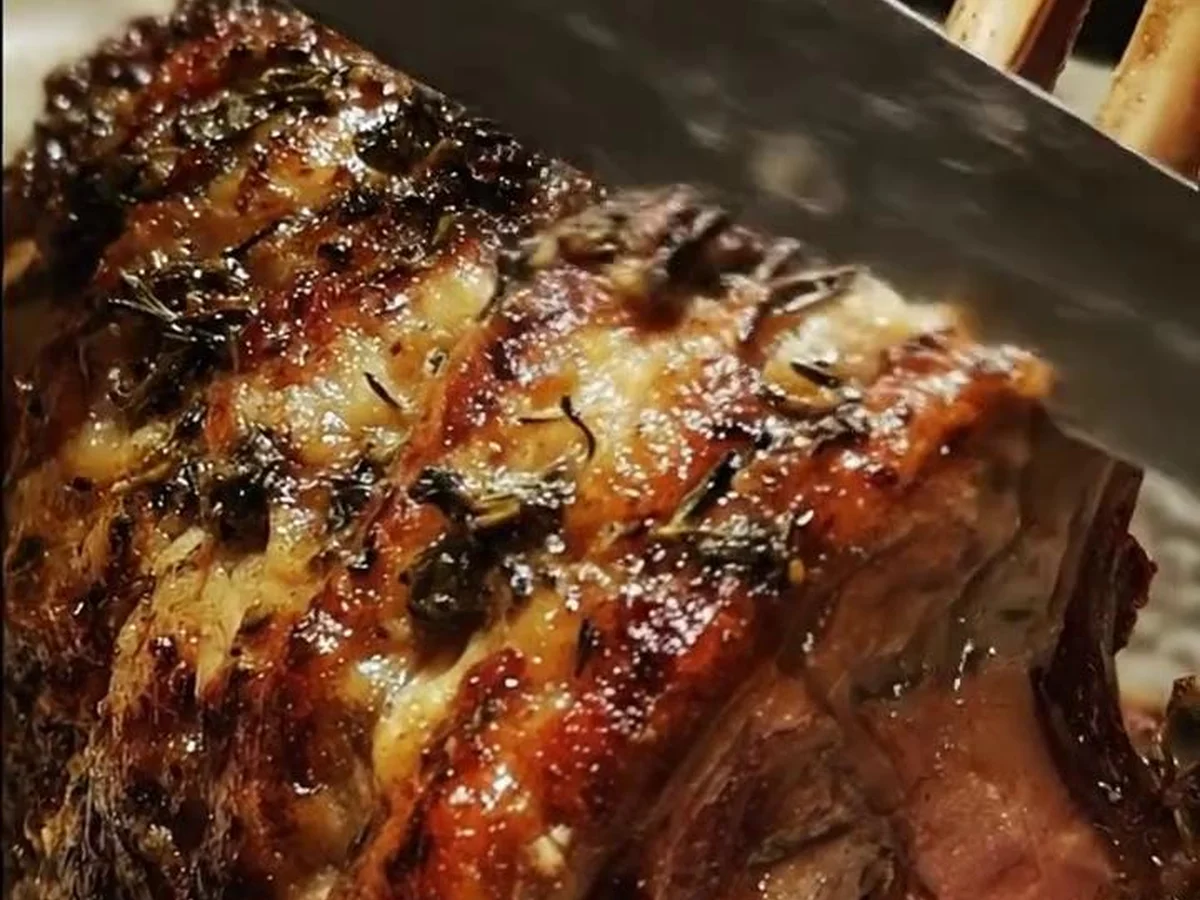
Imagine a beautifully arranged feast centerpiece that commands attention and ignites conversation—a Crown Roast of Lamb. This majestic dish is not only a feast for the eyes, but also a delight for the senses. As the fragrant aroma of rosemary and garlic wafts through the air, it beckons friends and family to gather around the table. The succulent and tender meat, perfectly caramelized and infused with the earthy undertones of herbs, offers each guest a taste of culinary elegance and comfort.
The Crown Roast of Lamb shines brightly during festive occasions; think Easter brunch, Christmas dinners, or elevated family gatherings. It symbolizes celebration and joy, making every bite feel like a special occasion. The tender lamb, beautifully presented with its rib bones elegantly standing like the crown of a royal figure, provides a sensory explosion of flavors—rich, savory, and subtly herbal with each mouthful, accompanied by the crispiness of the roast crust. It is a dish that conveys love, care, and effort, ensuring your dining experience creates lasting memories.
The Origins and History
The origins of the Crown Roast of Lamb may trace back to both European and Mediterranean culinary traditions. Lamb has been a staple across various cultures, commonly associated with spring celebrations, when flocks are sheared and the lambs are at their most tender. Countries such as Greece and Italy have historically celebrated the arrival of spring with lamb dishes steeped in herbs and flavors distinctive to their regional ingredients.
Frenched racks of lamb, used to craft the crown, bring an elegant presentation to a dish that has evolved through centuries of cooking techniques. This preparation, combining both art and precision, highlights the commitment to excellence in traditional roasting methods that date back to the Middle Ages. It’s a dish that encapsulates a rich history, becoming a symbol of extravagant dining experiences while celebrating the loyalty to seasonal and local produce.
Why You Will Absolutely Love This Recipe
- Rich Flavor Profile: The sweet, buttery taste of lamb, complemented by garlic and fragrant herbs, creates a harmonious blend that is simply irresistible.
- Visually Stunning: The grandeur of a crown roast will wow your guests and elevate any gathering, providing a stunning centerpiece.
- Crowd-Pleaser: The elegant yet comforting taste of lamb appeals to a variety of palates, ensuring that everyone at your table feels satisfied.
- Great for Leftovers: Versatile and easy to repurpose, leftover lamb can be transformed into sandwiches, salads, or incorporated into soups.
- Simple Preparation: While it looks complex, the methods require minimal labor with impressive results, making it accessible for cooks of all levels.
Deep Dive into the Ingredients
The beauty of a Crown Roast of Lamb lies in the simplicity of its ingredients and their profound impact on flavor. The star of the show, the lamb, is sourced from quality racks that boast a rich marbling of fat surrounding the tender meat. This intramuscular fat not only imparts flavor but also ensures the meat stays moist during cooking, resulting in a succulent roast.
Using olive oil is a standard practice not only for its exceptional flavor but also for its health benefits. The oil acts as a medium to help herbs adhere to the meat, while additional garlic, with its aromatic potency, infuses the dish with depth. Fresh herbs such as rosemary and thyme elevate the flavor profile further. Rosemary’s pine-like aroma and thyme’s earthy notes complement the lamb without overpowering it, creating layers of nuanced flavor.
Finally, seasoning with salt and black pepper is crucial. Salt enhances the natural savoriness of the lamb while allowing the flavors of the herbs and garlic to shine through. Moreover, black pepper adds a hint of spice, balancing the richness of the meat. If necessary, these ingredients can be substituted or enhanced—using sunflower oil instead of olive oil, or experimenting with dried herbs if fresh ones aren’t available—allowing flexibility without sacrificing flavor.
Pro Tips for Perfect Results
Achieving the perfect Crown Roast of Lamb involves a careful balance of technique and timing. To begin with, allow the meat to come to room temperature before cooking—a crucial step that ensures even cooking. Preheat your oven to an appropriate temperature, typically around 350°F (175°C). The meat should be seared at a high temperature for a short period before transferring it to the oven, which locks in juices and encourages that desirable golden-brown crust.
Another essential element is taking care during the frenched preparation of the lamb racks. Ensuring proper trimming not only creates an attractive presentation but also allows for even cooking. For the best flavor, consider aging the lamb, if possible; this can enhance the depth of flavor and tenderness of the meat.
Monitoring the internal temperature is paramount—aim for around 125°F (52°C) for medium-rare, as the lamb will continue to cook as it rests. Remember to let it rest for at least 15 to 20 minutes post-cooking; this process allows the juices to redistribute, resulting in a more succulent bite. Lastly, don’t shy away from enhancing the presentation with seasonal vegetables or an herb garnish to complete the visual appeal of your dish.
Serving and Pairing Suggestions
The Crown Roast of Lamb is best served with sides that will complement—not overshadow—its rich flavors. Classic accompaniments include roasted potatoes, sautéed green beans, or a vibrant spring salad with citrus dressing. Wine lovers will find that a robust red wine, like a Syrah or Cabernet Sauvignon, pairs beautifully with the lamb, enhancing its rich character.
For occasions, this dish is perfect for Easter celebrations, family reunions, or even an intimate dinner party—making it a versatile addition to your culinary repertoire. Its impressive presentation means it can also take center stage for holiday gatherings without requiring extensive time in the kitchen.
Storage, Freezing, and Reheating
For those fortunate enough to have leftovers, proper storage is essential to maintain the succulent quality of the lamb. Allow the roast to cool before wrapping it in plastic wrap or aluminum foil and storing it in an airtight container. Consumed within three to four days, it presents delightful cold or reheated. If you wish to freeze the leftovers, wrap them tightly and consume within three months for optimal flavor and texture preservation. When reheating, consider doing so gently in the oven at a low temperature to avoid drying out the meat.
Frequently Asked Questions (FAQ)
1. Can I use a different cut of lamb for this recipe?
Yes, while the crown roast is the most visually stunning, you can use other lamb cuts like leg or shoulder. However, cooking times and methods may vary based on the cut.
2. What should I do if I can’t find fresh herbs?
If fresh herbs are unavailable, dried herbs can be used—just reduce the quantity by about a third since they are more concentrated in flavor.
3. How do I know when the lamb is perfectly cooked?
Using a meat thermometer is the best method. Aim for an internal temperature of 125°F (52°C) for medium-rare, and remember that it will continue to cook as it rests.
4. Can I marinate the lamb before roasting?
Certainly! A marinade using olive oil, garlic, and herbs can infuse additional flavor. Allow it to marinate for a few hours or overnight for the best results.
5. What can I do if I overcooked the lamb?
If the lamb is overcooked, serving it with a flavorful sauce or jus can help, as it adds moisture back into each bite and enhances its flavor.
Conclusion
The Crown Roast of Lamb is a dish that not only satisfies the appetite but becomes a cherished memory among family and friends. Its majestic presentation and rich flavor are reasons enough to gather loved ones for a feast worth celebrating. Don’t hesitate to embark on this culinary adventure—you won’t regret it!
The History of This Recipe
The origin of the crown roast of lamb can be traced back to ancient culinary traditions, where lamb was a highly prized meat in Mediterranean cultures. These early cooks recognized the visual appeal of the rib rack, which they would arch and tie into the shape of a crown for festive occasions.
As lamb became a symbol of springtime feasts and religious ceremonies, the crown roast gained popularity in Europe, particularly during the Renaissance period. Chefs began to experiment with herbs and spices, enhancing the flavor of the meat while preserving its majestic presentation.
By the 19th century, the crown roast of lamb solidified its status as a gourmet dish, often served during family gatherings and celebrations. Its luxurious appearance and succulent taste continue to make it a favorite for special occasions around the world today.
Crown Roast of Lamb
INGREDIENTS
- 2 racks of lamb (8 ribs each), frenched and trimmed
- 2 tablespoons olive oil
- 4 cloves garlic, minced
- 1 tablespoon fresh rosemary, chopped
- 1 tablespoon fresh thyme, chopped
- 1 teaspoon salt
- 1 teaspoon black pepper
INSTRUCTIONS
Preheat the oven to 400°F (200°C).
In a small bowl, mix together the olive oil, minced garlic, rosemary, thyme, salt, and pepper to create a marinade.
Rub the marinade all over the racks of lamb, ensuring to cover the meat thoroughly. If you have time, let it marinate for at least 30 minutes or up to 2 hours in the refrigerator.
In another bowl, combine the breadcrumbs, grated Parmesan cheese, and chopped parsley.
After marinating, take the racks of lamb and bend them into a circular shape, forming the crown. Use kitchen twine to tie the ends together securely.
Brush the inside of the crown with Dijon mustard, then evenly pack the breadcrumb mixture into the center of the crown, pressing it down lightly to adhere.
Place the crown roast in a roasting pan, bone side down, and roast in the preheated oven for about 25-30 minutes, or until the internal temperature reaches 130°F (54°C) for medium-rare.
Remove the roast from the oven and let it rest for at least 10 minutes before slicing. This allows the juices to redistribute within the meat.
Carefully cut between the bones to slice individual chops for serving.
Garnish with additional fresh herbs or serve with your choice of sides, such as roasted vegetables or a fresh salad.
Time & Calories:
Preparation Time: 20 minutes
Marinating Time: 30 minutes to 2 hours (optional)
Cooking Time: 30 minutes
Total Time: 50 minutes to 2 hours and 20 minutes (including marinating)
Calories per serving: Approximately 300-400 calories (depending on portion size and additional sides).
NOTES
Enjoy your delicious homemade Crown Roast of Lamb !