Introduction
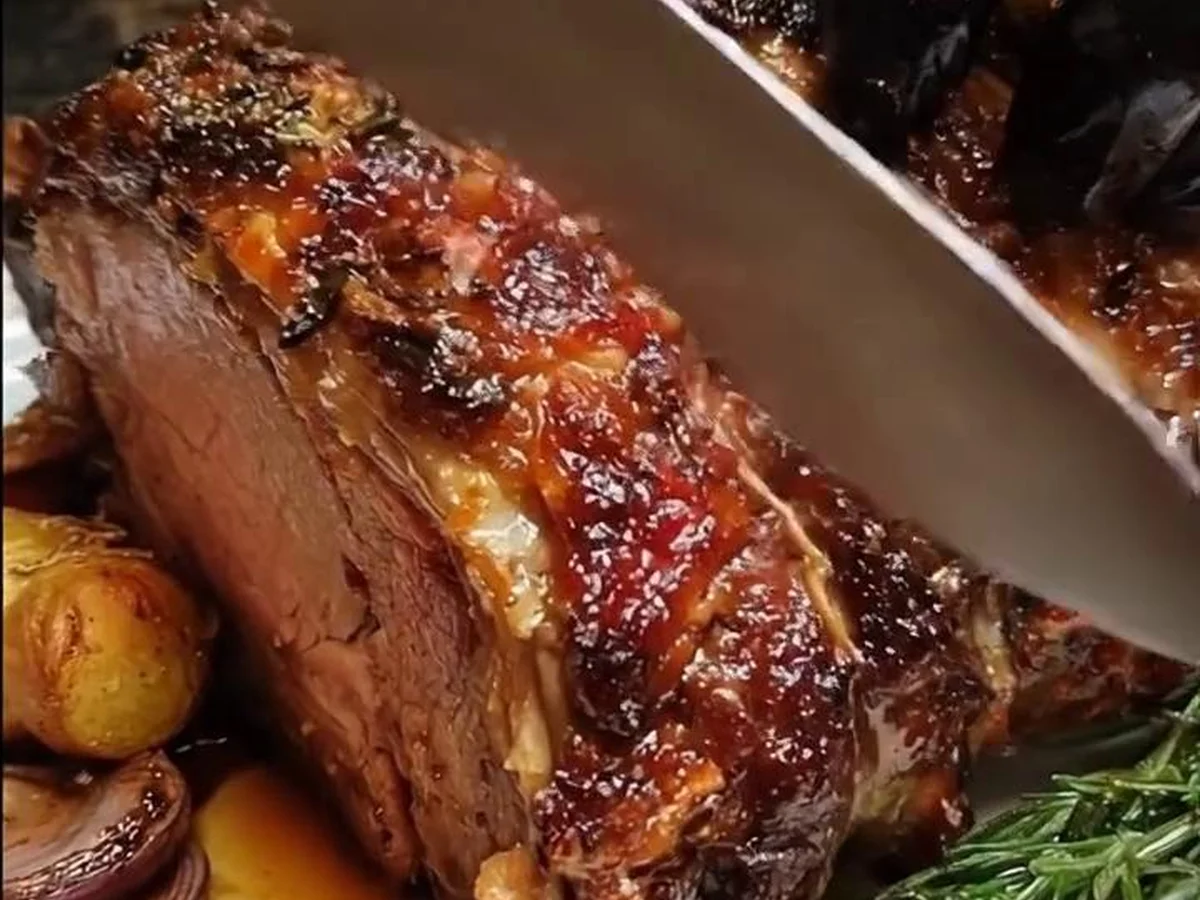
There are few dishes that evoke both the warmth of family gatherings and the luxurious appeal of fine dining quite like the standing rib roast. Also known as prime rib, this magnificent cut of beef not only serves as a centerpiece for any table but also weaves its way into the realm of comfort food. As it slowly roasts, the rich aroma fills your home—a tantalizing perfume of savory beef, kissed by a hint of char. Each bite is a revelation, with its perfectly cooked, tender meat offering a depth of flavor that satisfies the senses. The crispy outer crust gives way to the juicy, marbled center, leaving a lasting impression of delight as it melts in your mouth.
This regal dish is a favorite during holidays and special occasions, but it’s equally fitting for an intimate family dinner or a gathering of friends. What makes it so irresistible? Perhaps it’s the real connection it fosters among loved ones as they gather around the table, savoring each forkful amid laughter and shared stories. In this blog post, we will dive into the intricacies of preparing a perfect standing rib roast, from its history to innovative serving suggestions that enhance this already stellar dish. Each morsel tells a story, inviting you to create your own memories in the kitchen and beyond.
The Origins and History
The history of the standing rib roast is deeply rooted not just in culinary tradition, but also in the social fabric of dining. Originally, the rib roast can be traced back to the centuries-old practice of roasting meat over an open flame, a technique that is still prevalent in many cultures today. In England, particularly during the Victorian era of the 19th century, prime rib gained popularity among the upper echelons of society. It became a staple in Sunday roasts, where families and friends would gather for a lavish meal after church services. The presentation was as important as the preparation; showcasing the roast as a glorious centerpiece on a grand table was a display of status and hospitality.
Over time, this dish made its way across the Atlantic, becoming a symbol of both sophistication and home-cooked comfort in American culture. It is often the star of holiday dinners and celebratory occasions, embodying luxury as well as a loving gesture toward loved ones. The standing rib roast stands at the crossroads of tradition and contemporary dining, maintaining its significance in kitchens around the world, reminding us of the importance of gathering together to share nourishing meals.
Why You Will Absolutely Love This Recipe
- Flavor Profile: The standing rib roast boasts an incredible combination of deep, savory flavors, with a mouthwatering blend of juiciness and tender meat that’s perfectly seasoned with just salt and black pepper.
- Ease of Preparation: Despite its impressive stature, preparing a standing rib roast requires minimal ingredients and basic cooking techniques, making it accessible even for novice cooks.
- Crowd-Pleaser: This festive dish tends to please a crowd and can elevate any gathering, transforming an ordinary evening into an extraordinary feast.
- Delicious Leftovers: The versatility of leftovers is a delightful bonus. Thinly sliced prime rib can be used in sandwiches, salads, or repurposed into hearty stews, reducing waste while ensuring subsequent meals are enjoyably diverse.
Deep Dive into the Ingredients
Choosing the right components for your standing rib roast is crucial to achieve that mouthwatering result. Here’s a closer look at the key ingredients:
- Standing Rib Roast (6–8 pounds): This cut is selected from the rib section of the beef, featuring a rich marbling that ensures tender, juicy meat. The bone-in version not only adds flavor but also contributes to even cooking.
- Kosher Salt: Using kosher salt is essential in this recipe. It’s coarse texture allows for a more controlled rub, ensuring that the flavor permeates the meat without overpowering it.
- Freshly Ground Black Pepper: Freshly ground black pepper is a game-changer; it adds a sharp, warm note that complements the rich beef flavor wonderfully. Avoid pre-ground options to ensure maximum potency.
While this recipe is straightforward, substitutions can be made. For instance, if you’re seeking a different cut of beef, try a boneless rib eye or a different primal cut. However, the standing rib’s unique composition of marbling and bone structure is unmatched in delivering the ideal roast experience. The simplicity of the ingredients serves to elevate their natural flavors, proving that quality should never be compromised.
Pro Tips for Perfect Results
For a successful standing rib roast, consider these essential tips:
- Temperature Control: Allow your roast to come to room temperature before cooking. This step ensures even cooking throughout and yields a better crust.
- Use a Meat Thermometer: To avoid undercooking or overcooking, invest in a reliable meat thermometer. Aim for an internal temperature of 125°F (52°C) for medium-rare and let the roast rest for at least 20-30 minutes before serving.
- Perfecting the Crust: Searing the roast in a hot oven at the start of the cooking time will help develop that coveted crust. A higher cooking temperature during the first portion of roasting caramelizes the outer layer beautifully.
Serving and Pairing Suggestions
Don’t let your standing rib roast be a showstopper alone. Consider pairing it with classic sides like creamy mashed potatoes, Yorkshire puddings, and roasted vegetables. A robust red wine, such as Cabernet Sauvignon or Merlot, can accentuate the beef’s rich flavors and elevate the dining experience. The goal is to create a well-rounded meal suitable for gatherings or special occasions, making every aspect of your table feel cohesive and inviting.
Storage, Freezing, and Reheating
After basking in the glow of your culinary success, knowing how to store any leftover standing rib roast is important. Once cooled, wrap it tightly in plastic wrap or aluminum foil and store it in an airtight container in the refrigerator for up to three days. For extended storage, consider freezing individual portions. When reheating, gently warm slices in a 300°F (150°C) oven, ensuring you don’t toughen the meat while preserving its juicy quality.
Frequently Asked Questions (FAQ)
- Can I cook a standing rib roast with different seasonings? Absolutely! While salt and pepper let the natural beef flavor shine, herbs like rosemary or thyme can be added for extra aroma and complexity.
- What’s the best way to slice the rib roast? Use a sharp carving knife and slice against the grain for tenderness. Start by removing the bones if desired, then carve the meat into even slices.
- Can I cook it at a lower temperature for longer? Yes! Cooking at a lower temperature can provide an even internal doneness, but be aware that it increases cooking time significantly.
- What is the best way to check for doneness? Besides using a meat thermometer, checking for juices running clear and firmness can provide additional insights, but a thermometer is the most reliable method.
Conclusion
The perfect standing rib roast is not just a meal; it’s a uniquely enriching experience. With its rich history, incredible flavor, and the joy of sharing it with loved ones, embarking on the journey of preparing this dish brings fulfillment beyond the plate. So gather your ingredients, follow the techniques, and prepare to create a lasting memory!
The History of This Recipe
In the heart of 19th century England, the standing rib roast began to capture the culinary imagination of the aristocracy. With its primal cut and impressive presentation, it quickly became a centerpiece for lavish feasts and family gatherings.
As the roast made its way across the Atlantic, it found a home in the kitchens of American households, particularly during special occasions and festive celebrations. The blend of seasoning and slow roasting techniques turned it into a beloved tradition for many families.
Over time, the perfect standing rib roast evolved, with chefs experimenting with various rubs and cooking methods to enhance its rich flavor. Today, it stands as a symbol of indulgence and a testament to the art of traditional cooking.
Perfect Standing Rib Roast
INGREDIENTS
- 6–8 pounds standing rib roast (beef, bone-in)
- Kosher salt
- Freshly ground black pepper
INSTRUCTIONS
Take the standing rib roast out of the refrigerator and let it rest at room temperature for about 1 hour prior to cooking. This helps in even cooking.
Preheat your oven to 450°F (230°C).
Pat the rib roast dry with paper towels to remove any moisture. This is crucial for achieving a nice crust.
Generously season the roast with kosher salt and freshly ground black pepper on all sides. If you’re using garlic powder and herbs, mix them with the salt and pepper and rub the mixture over the roast.
Place the roast, bone side down, on a roasting rack set in a heavy-duty roasting pan.
Roast in the preheated oven for 15 minutes to develop a crust.
After 15 minutes, reduce the oven temperature to 325°F (163°C) and continue roasting. For medium-rare, cook until the internal temperature reaches 125°F (52°C), which usually takes about 1.5 to 2 hours more, depending on the size of the roast.
Once the rib roast reaches the desired internal temperature, remove it from the oven and tent it loosely with aluminum foil. Let it rest for at least 20-30 minutes. This allows the juices to redistribute for a tender slice.
After resting, carve the roast into individual servings, slicing between the bones. Serve with your choice of sides and sauces.
Time & Calories
Total Time: Approximately 3 hours (including resting)
Estimated Calories: About 800-1000 calories per serving (depending on slice size and sides)
NOTES
Enjoy your delicious homemade Perfect Standing Rib Roast !