Introduction
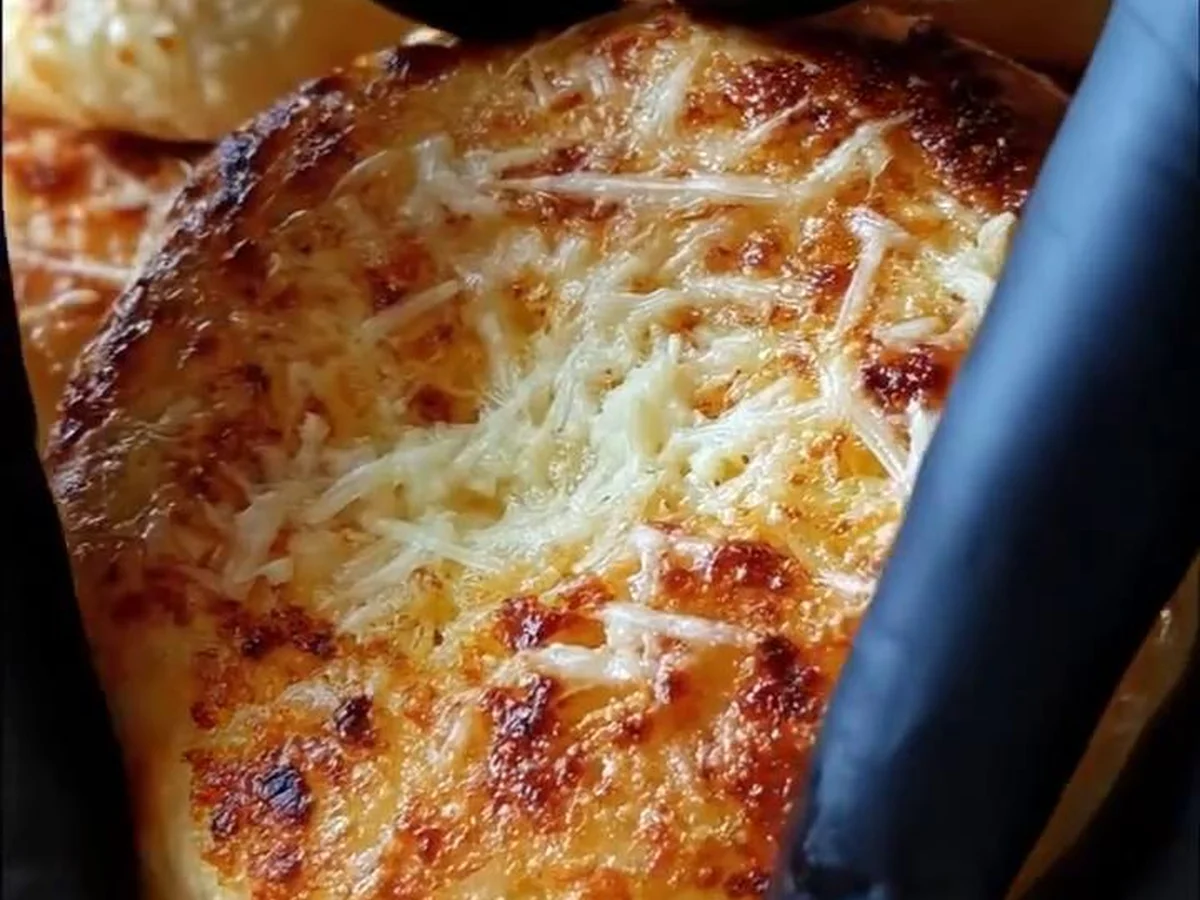
Yuca bread, with its captivating aroma and delightful texture, is a culinary gem that has traveled across continents, capturing hearts and palates alike. It is often referred to as “pan de yuca” and serves as a nostalgic comfort food in many Latin American households. When you first pull a batch of freshly baked yuca bread from the oven, the enticing combination of warm cheese and the nutty, earthy scent of yuca flour fills the air, inviting everyone to the table. The crust is golden and slightly crisp, while the interior is chewy, airy, and rich with flavor. Each bite is a harmonious blend of warmth and subtle saltiness from the fresh cheese, making it nearly impossible to savor just one piece. Whether you enjoy it as a side dish, a snack, or a vessel for dips, yuca bread stands out for its comforting nature and satisfying qualities.
The Origins and History
Yuca bread has roots steeped in the traditions of indigenous peoples of South America, particularly in regions rich in cassava cultivation. Derived from yuca (or cassava), this versatile ingredient has been a dietary staple for thousands of years. Historically, the method of preparing bread through the use of cassava flour showcased the ingenuity of early cooks, utilizing local resources to create sustenance that was both nourishing and delicious. As Europeans, Africans, and other cultures interacted in the Americas, diverse culinary techniques emerged, leading to the fusion of flavors and ingredients. Over the years, yuca bread has transcended its humble beginnings, finding popularity not only in South America but also in parts of the Caribbean and even in modern-day artisanal bakeries. Each region boasts its unique twist on the recipe, but the essence remains the same—a delightful homage to its roots.
Why You Will Absolutely Love This Recipe
- Flavor Profile: The combination of yuca flour and fresh cheese creates a mouthwatering flavor that is both nutty and savory, elevating any meal.
- Ease of Preparation: With minimal ingredients and simple steps, making yuca bread is accessible even for novice bakers.
- Crowd-Pleaser: Its rich taste and appealing texture make yuca bread a perfect addition to any gathering, enticing your guests with its irresistible charm.
- Leftovers: Yuca bread can be enjoyed days after baking, still delivering flavor and comfort, whether reheated or served at room temperature.
Deep Dive into the Ingredients
The key to the wonderful taste and texture of yuca bread lies in its ingredients:
- Yuca Flour (Cassava Starch or Tapioca): The heart of your yuca bread, yuca flour is gluten-free and sourced from the cassava root. Its fine texture grants the bread a soft, chewy interior and enhances its ability to rise while maintaining a pleasant density.
- Grated Fresh Cheese: The choice of cheese is pivotal! Fresh cheese suggestions include panela, queso blanco, or even mozzarella. These cheeses melt beautifully and incorporate a creamy richness that complements the dry texture of yuca flour. For a more intense flavor, consider using aged cheeses chiselled to provide that subtle salted bite. Newer versions of yuca bread often feature mozzarella as a modern substitute, celebrating versatility.
- Baking Powder: As a leavening agent, baking powder ensures the yuca bread has a light, fluffy structure that contrasts beautifully with its chewy texture.
- Salt: A fundamental seasoning that enhances flavor and balances sweetness in the bread, salt is crucial to elevating the overall taste.
- Warm Water: The warm water activates the baking powder, ensuring a perfect rise, while hydrating the dry yuca flour for optimal dough consistency. You may find it helpful to adjust the amount slightly based on your desired dough texture.
- Olive Oil (Optional): Incorporating olive oil adds a touch of richness and moisture to the dough, ensuring an even softer crumb and enticing aroma.
While the ingredients mentioned above are fundamental, alterations can be made based on dietary requirements and flavor preferences, such as substituting the cheese or experimenting with the fat used.
Pro Tips for Perfect Results
To achieve the perfect yuca bread, consider these pro tips:
- Measure Accurately: Baking is a science, and precision is essential. Use weight measurements (grams) for yuca flour and cheese for best results.
- Proper Dough Consistency: The balance of water is crucial. Start with less and gradually incorporate more as needed. Your dough should be somewhat tacky but not overly sticky.
- Ensure Uniform Dough Balls: When shaping the dough, aim for even-sized balls to ensure consistent baking and to avoid uneven texture.
- Baking Temperature: Preheat your oven fully before baking to ensure even cooking and a beautiful exterior crust.
- Keep an Eye on the Bake Time: Take care to monitor the bread as it bakes. The edges should be golden and the center fully cooked but still tender.
Serving and Pairing Suggestions
Yuca bread is incredibly versatile and can be paired with a variety of dishes. Serve it warm alongside traditional sides such as guacamole, spicy salsa, or a rich mole sauce. It also pairs beautifully with meats, making it an excellent accompaniment to grilled chicken, fish tacos, or savory stews. For beverages, consider pairing your yuca bread with a refreshing hibiscus tea or a lightly chilled white wine. Perfect for any occasion, from casual family dinners to festive gatherings, yuca bread brings warmth and joy to the table.
Storage, Freezing, and Reheating
Storing your yuca bread is simple and effortless. To keep it fresh, place any leftover bread in an airtight container at room temperature for up to two days. If you wish to store it for longer, wrap individual pieces in plastic wrap and then in aluminum foil before placing them in the freezer. Yuca bread freezes well and can last for up to three months. When you’re ready to enjoy it again, simply reheat in a preheated oven at 350°F (175°C) for about 10-15 minutes, or until warmed through. Microwaving is possible, but for the best texture, the oven method is recommended.
Frequently Asked Questions (FAQ)
- Can I make yuca bread vegan? Yes! You can substitute the cheese with dairy-free options, such as vegan mozzarella or nutritional yeast for added flavor.
- What happens if my dough is too dry or too wet? If the dough is too dry, gradually add warm water until you reach the desired consistency. Conversely, if it’s too wet, dust it lightly with additional yuca flour until it becomes manageable.
- Can I combine yuca flour with other flours? Absolutely! Experimenting with a blend of yuca flour and other gluten-free flours, like almond or rice flour, can offer unique textures and flavors.
- How can I tell when the yuca bread is done baking? The bread should have a golden-brown crust and feel firm to the touch. A skewer inserted in the middle should come out clean.
Conclusion
Yuca bread is more than just a recipe; it’s a celebration of culture, tradition, and delightful flavors. Embark on this culinary journey, and you’ll find that creating your own yuca bread is both rewarding and thoroughly satisfying. So gather your ingredients, roll up your sleeves, and let the aroma of baked yuca bread fill your kitchen!
The History of This Recipe
Yuca bread traces its origins to the indigenous peoples of South America, where the cassava plant, or yuca, was first cultivated thousands of years ago. The versatility of this starchy root made it a staple food, leading to the creation of various dishes, including bread.
As communities migrated and interacted, the preparation of yuca bread spread to different regions, including the Caribbean and parts of Africa. Each culture adapted the recipe, incorporating local ingredients and unique cooking techniques, resulting in a variety of yuca bread styles.
Today, yuca bread is celebrated not only for its rich history but also for its gluten-free properties, making it popular among those with dietary restrictions. Its delicious taste and texture continue to connect people to their heritage and the land from which this ancient food originates.
Yuca Bread
INGREDIENTS
- 500 g yuca flour (cassava starch or tapioca)
- 250 g grated fresh cheese (can be substituted with mozzarella or soft white cheese)
- 1 teaspoon baking powder
- 1 teaspoon salt
- 250 ml warm water
- 2 tablespoons olive oil (optional)
INSTRUCTIONS
Preheat your oven to 180°C (350°F). Line a baking sheet with parchment paper or grease it lightly with oil.
In a large mixing bowl, combine the yuca flour, baking powder, and salt. Mix well to ensure the baking powder is evenly distributed.
Add the grated cheese to the dry mixture and mix thoroughly, ensuring the cheese is coated with the flour.
In a separate bowl, combine the warm water and olive oil (if using). Slowly add this mixture to the dry ingredients and cheese, stirring continuously until a dough forms.
If the mixture is too dry, you can add more warm water, a little at a time, until the dough reaches a slightly sticky but manageable consistency.
Once the dough is well combined, knead it briefly on a clean surface until it becomes smooth and elastic (about 2-3 minutes).
Divide the dough into equal portions based on your preferred bread size. Roll each portion into a ball, then flatten each ball to form a disc about 1 cm thick.
Place the flattened discs on the prepared baking sheet, leaving space between each.
Bake in the preheated oven for about 15-20 minutes, or until the tops are golden and slightly crispy.
Remove from the oven and let them cool on a wire rack for a few minutes before serving.
Time & Calories
Preparation Time: 15 minutes
Cooking Time: 20 minutes
Total Time: 35 minutes
Calories per serving: Approximately 150 calories per disc (varies based on size and cheese used)
NOTES
Enjoy your delicious homemade Yuca Bread !