Introduction
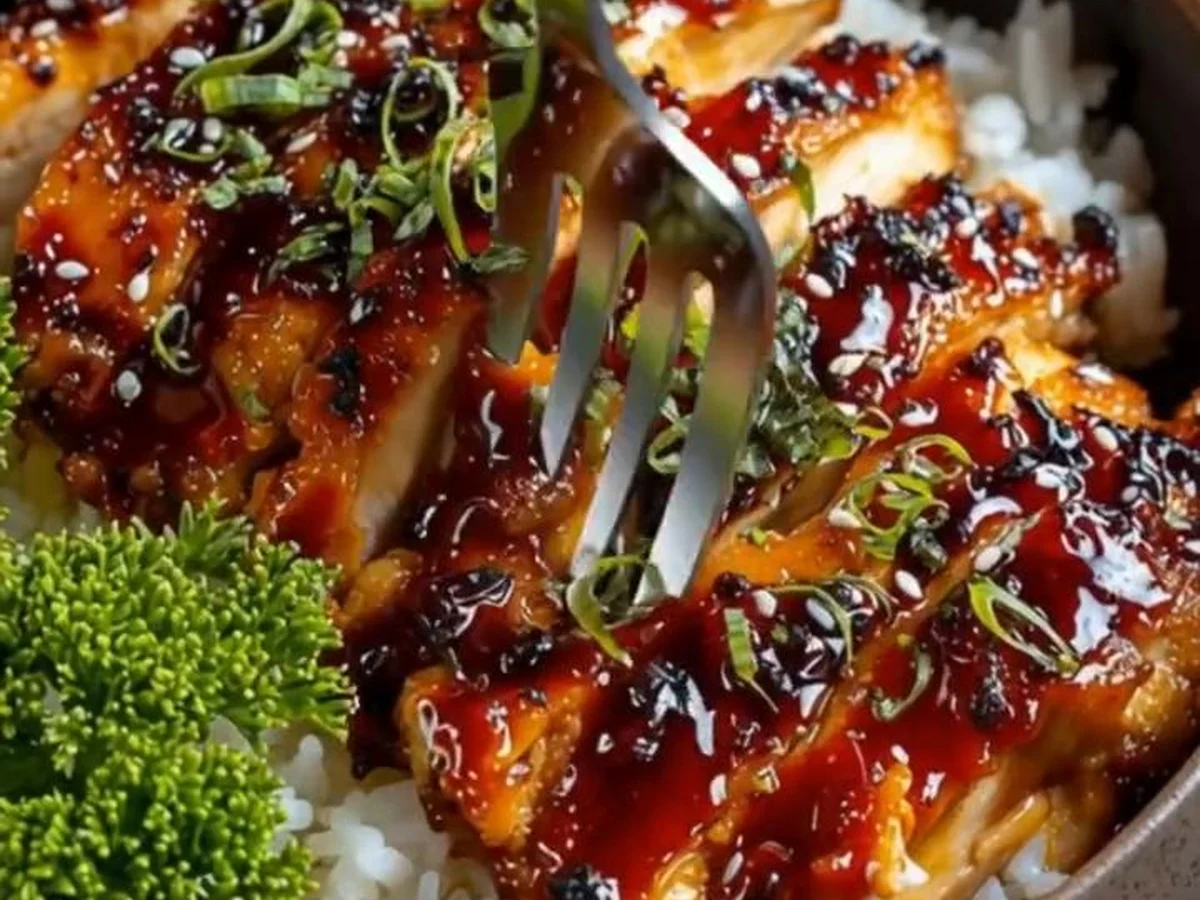
Picture this: a skillet sizzling away on your stove, the rich aroma of soy sauce, ginger, and garlic wafting through the air, enticing your senses and making your mouth water. Teriyaki chicken, a beloved staple of Japanese cuisine, has earned its place as comfort food not only for its delightful taste but also for its versatility. It lies at the intersection of sweet and savory, with a glossy glaze that clings to tender chicken thighs, making every bite an experience to savor. Whether enjoyed over a bed of fluffy rice, nestled within fresh stir-fried vegetables, or wrapped in warm tortillas, teriyaki chicken remains a crowd-pleaser. Its origins trace back to Japanese culinary traditions, yet its spectacular rise in popularity has made it a cherished dish worldwide, from bustling bistros in metropolitan areas to cozy family dinners at home. Let’s dive deep into this culinary delight, exploring its history, the tantalizing flavors behind it, and the secrets to achieving perfection in your kitchen.
The Origins and History
Teriyaki, a cooking technique that dates back to the 17th century, is deeply rooted in Japanese culture. The term “teriyaki” translates to “glossy grill,” which aptly describes the method of grilling meat that has been marinated in a sweet soy sauce-based glaze. This simple yet effective cooking approach allowed for the preservation of the rich umami flavors inherent in meats and the development of a pleasing texture. As Japanese immigrants ventured across the globe, teriyaki chicken made its way to Western cuisines, where it was adapted to local tastes and ingredients. This fusion between traditional Japanese cooking and Western flavors has led to the warm, comforting teriyaki chicken we know today. Over the years, it has transcended the boundaries of a single cuisine, inspiring variations and interpretations that are embraced in homes and restaurants around the world.
Why You Will Absolutely Love This Recipe
- Incredible Flavor Profile: The sweet and savory combination of soy sauce and brown sugar, coupled with the aromatic notes of ginger and garlic, creates a depth of flavor that is utterly addicting.
- Ease of Preparation: With minimal ingredients and straightforward techniques, this recipe is suitable for both novice and experienced cooks. Perfect for a quick weeknight dinner!
- Crowd-Pleaser: Whether you’re hosting a party or feeding your family, teriyaki chicken is universally loved. It appeals to all ages and can be served in various methods to suit everyone’s taste.
- Great Leftovers: Teriyaki chicken tends to taste even better the next day as the flavors meld further, making it perfect for prepping in advance or enjoying leftovers for lunch.
Deep Dive into the Ingredients
Diving into the key ingredients of teriyaki chicken reveals the thoughtfulness behind each component, carefully selected to contribute to the final dish’s delicious outcome.
- Boneless, Skinless Chicken Thighs: These cuts of chicken are chosen for their juiciness and flavor. Unlike leaner chicken breasts, thighs retain moisture during cooking, leading to a more tender result. If you prefer, you can substitute chicken breasts or even tofu for a vegetarian twist, but be mindful of adjusting the cooking time.
- Soy Sauce: This fermented soy product is essential for imparting that umami flavor profile that makes teriyaki chicken irresistibly delicious. For a gluten-free option, tamari sauce is a suitable substitute.
- Brown Sugar: The addition of brown sugar not only provides sweetness but also contributes to the glossy finish of the sauce. For a healthier alternative, you could use coconut sugar or honey, being mindful of their different flavor profiles.
- Rice Vinegar: Offering a hint of acidity, rice vinegar brightens the dish, balancing the sweetness of the brown sugar. If unavailable, apple cider vinegar can serve as an alternative, though with a slightly stronger flavor.
- Sesame Oil: A staple in Asian cooking, sesame oil lends a nutty aroma that enhances the overall flavor. Use roasted sesame oil for a deeper taste. If you need a substitution, you could use canola or olive oil, but they won’t provide the same distinct flavor.
- Garlic and Ginger: Fresh garlic and ginger are vital for their aromatic qualities. Their sharpness contrasts wonderfully with the sweetness, creating a well-rounded flavor. You may opt for powdered forms if necessary, but fresh gives the best results.
- Cornstarch and Water: This duo serves to thicken the sauce, allowing it to cling beautifully to the chicken. If you prefer a gluten-free option, use arrowroot powder or a similar thickener.
Pro Tips for Perfect Results
To ensure that your teriyaki chicken turns out perfectly every time, consider these pro tips:
- Marinating: Allow the chicken to marinate for at least 30 minutes, or even up to a few hours, to enhance its flavor. If time allows, marinate overnight for maximum infusion.
- Searing the Chicken: Start by searing the chicken in a hot skillet to develop a nice color and flavor. Avoid overcrowding the pan, as this may cause steaming instead of searing.
- Thickening the Sauce: Be mindful when adding the cornstarch slurry to the sauce; stir constantly to prevent lumps. Cooking at a simmer helps achieve that perfect consistency.
- Consistency: If you desire a thicker glaze, allow the sauce to simmer longer; for a thinner sauce, add a bit of water to reach your desired consistency.
Serving and Pairing Suggestions
Teriyaki chicken is versatile and can be paired beautifully with a variety of sides. Consider serving it over steamed jasmine rice or alongside stir-fried vegetables for a well-rounded meal. The dish also pairs well with light, refreshing beverages like green tea or sake. For a festive occasion, serve it with Asian-inspired side dishes such as miso soup or seaweed salad.
Storage, Freezing, and Reheating
To best preserve the flavors and texture of your teriyaki chicken, store leftovers in an airtight container in the refrigerator for up to three days. For longer storage, you can freeze the dish for up to three months. When reheating, do so on the stovetop or in the microwave until heated through, being careful not to overcook it, as that can lead to a dry chicken.
Frequently Asked Questions (FAQ)
- Can I use chicken breasts instead of thighs? Yes, chicken breasts can be used, but be cautious as they may dry out faster. Consider reducing cooking time accordingly.
- Can I make this dish ahead of time? Absolutely! You can marinate the chicken and prepare the sauce a day in advance. When ready to serve, quickly cook it up in the skillet.
- Is teriyaki sauce gluten-free? Traditional teriyaki sauce contains soy sauce, which often has wheat. However, gluten-free soy sauce or tamari can be used for a gluten-free version.
- How can I make teriyaki chicken spicier? To add a kick, incorporate red pepper flakes or Sriracha into the marinade or sauce for some heat without overpowering the overall flavor.
Conclusion
If you’re looking to impress guests or simply want to treat yourself to an irresistible meal, teriyaki chicken is undoubtedly a winner. Its delightful blend of flavors and simplistic approach to cooking make it a household favorite. So, gather your ingredients and let’s start cooking!
Teriyaki Chicken
INGREDIENTS
- 1 pound boneless, skinless chicken thighs
- 1/4 cup soy sauce
- 1/4 cup brown sugar
- 2 tablespoons rice vinegar
- 1 tablespoon sesame oil
- 2 cloves garlic, minced
- 1 teaspoon ginger, minced
- 1 tablespoon cornstarch
- 2 tablespoons water
INSTRUCTIONS
In a medium bowl, combine soy sauce, brown sugar, rice vinegar, sesame oil, minced garlic, and minced ginger. Whisk together until the sugar is dissolved.
Place the chicken thighs in a resealable plastic bag or a shallow dish. Pour the marinade over the chicken, ensuring the pieces are well-coated. Seal the bag or cover the dish and refrigerate for at least 30 minutes, preferably 1-2 hours.
Preheat your grill or stovetop skillet over medium-high heat. Remove the chicken from the marinade, reserving the marinade for later use.
Cook the chicken thighs for about 5-7 minutes on each side, or until fully cooked and charred in spots. The internal temperature should reach 165°F (75°C).
While the chicken is cooking, pour the reserved marinade into a small saucepan. In a separate small bowl, mix the cornstarch and water to form a slurry. Add the slurry to the saucepan with the marinade and bring to a simmer over medium heat. Stir constantly until the sauce thickens, about 2-3 minutes.
Once the chicken is cooked, remove it from the heat and let it rest for a few minutes. Slice the chicken into strips.
Serve the chicken drizzled with the thickened teriyaki sauce. Garnish with sesame seeds and sliced green onions.
Time & Calories
Preparation Time: 10 minutes
Marinating Time: 30 minutes (up to 2 hours)
Cooking Time: 15 minutes
Total Time: 55 minutes (includes marinating)
Estimated Calories: 300 calories per serving (based on four servings)
NOTES
Enjoy your delicious homemade Teriyaki Chicken !