Introduction
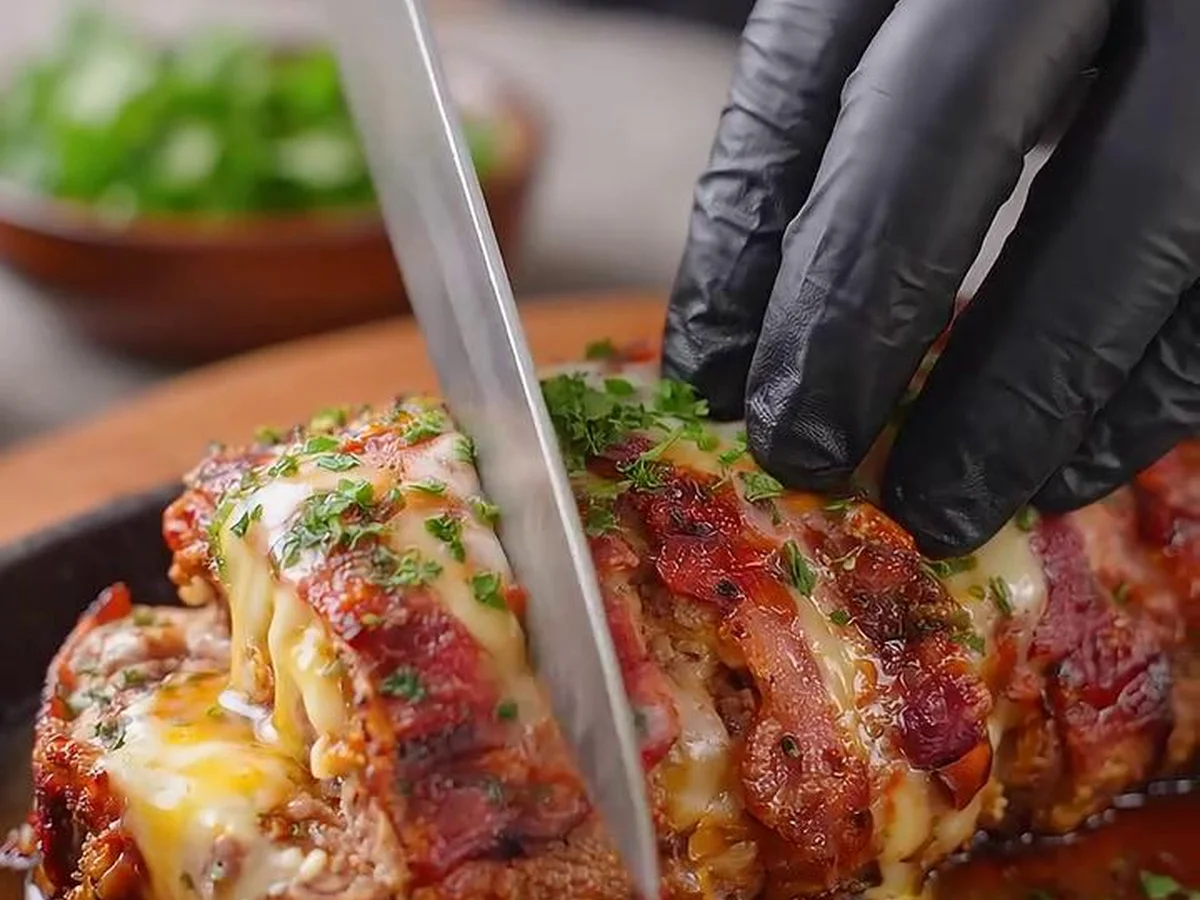
Stuffed Beef Tenderloin is more than just a dish; it’s an experience—a culinary masterpiece that dazzles the eye and caresses the palate. Known for its luxurious tender texture and robust flavor, this dish has become a staple in gourmet cooking while still holding onto the comforting essence of home-cooked meals. Picture this: a beautifully seared piece of beef, tenderloin so rich that it practically melts in your mouth, oozing with warm, gooey cheese and aromatic herbs that fill the kitchen with a mouthwatering aroma. It’s no wonder this dish has earned a special place on the dinner table during celebrations and gatherings. Each bite brings a symphony of flavors that mix meatiness with the sweetness of caramelized onions and the freshness of thyme, making it not just food, but an unforgettable sensory journey that warms the heart and soul. Whether it’s a festive holiday, a romantic date night, or simply a weekend indulgence, Stuffed Beef Tenderloin brings comfort with culinary chicness.
The Origins and History
The roots of stuffed meats can be traced back to various cultures where preserving or enhancing the flavor of available resources was essential. Stuffed dishes have been celebrated around the world, from the rich, savory Lebanese Kibbeh to Italian involtini. Nonetheless, Stuffed Beef Tenderloin as we know it today likely gained popularity in the Western culinary scene, particularly in classic French and Italian cooking, where the use of high-quality cuts of meat is commonplace. The notion of stuffing a meat cut rolls together traditional culinary techniques and an appreciation for flavor layering, which may have originated as rustic recipes and evolved into refined gourmet dishes. These foods reflect the occasions they are created for—celebrating the joys of cooking and feasting with loved ones. This dish embodies the perfect harmony between its ingredients, offering a glimpse into the artistry of fusion cuisine.
Why You Will Absolutely Love This Recipe
- Flavor Profile: The combination of tender beef, savory ground meat, and melty cheese creates a mouthwatering explosion of flavors. The added herbs bring freshness to the rich meatiness.
- Ease of Preparation: Although it sounds complex, this recipe breaks down into manageable steps that any home cook can conquer without fear.
- Crowd-Pleaser: Stuffed Beef Tenderloin is bound to impress family and friends alike, making it a go-to for gatherings and special occasions.
- Delicious Leftovers: The leftovers are just as good, if not better than the original dish. Reheating brings out even deeper flavors, ensuring that you’ll be relishing every bite.
Deep Dive into the Ingredients
The heart of a truly outstanding Stuffed Beef Tenderloin lies within its carefully selected ingredients. Each element plays a vital role in creating the perfect balance.
- Beef Tenderloin: A prime cut known for its tenderness, the beef tenderloin is lean and has an exquisite texture that makes it an ideal base for stuffing. It’s crucial to select a high-quality piece, preferably grass-fed, to allow natural flavors to shine through.
- Ground Beef: Adding ground beef into the stuffing enriches the overall flavor and adds a lovely contrast in texture. You can choose a blend with a bit of fat for succulent results—an 80/20 mix is excellent for flavor while avoiding dryness.
- Cheese: Whether opting for mozzarella’s gooey stretch or manchego’s rich, nutty flavor, the choice of cheese creates a rich, creamy layer that complements the beef beautifully.
- Olive Oil: This allows for proper searing, creating a beautiful crust while adding moisture to the meat. Go for high-quality extra virgin olive oil for the best flavor.
- Garlic and Onion: Both ingredients infuse deep flavors. Minced garlic and finely chopped onion caramelize during cooking, injecting sweetness and aroma that elevate the stuffing.
- Fresh Herbs: Thyme brings an earthy note to the dish. It pairs wonderfully with beef, thanks to its slightly minty aftertaste. Fresh herbs can sometimes be substituted with dried versions, though fresh offers a more vibrant flavor.
You can also experiment with various substitutes to fit dietary preferences or flavor profiles, such as using spinach or roasted peppers in the stuffing for added nutrition and taste. The versatility of this dish allows chefs to personalize it further, maintaining its delicious core.
Pro Tips for Perfect Results
Perfecting Stuffed Beef Tenderloin requires some attention to detail, but with a few pro tips, you’ll ensure amazing results every time.
- Searing: Always sear your beef tenderloin in a hot skillet before baking. This creates a flavorful crust through the Maillard reaction, enhancing flavor and texture.
- Cooking Temperature: Use a meat thermometer! Aim for medium-rare at 130-135°F (54-57°C). The residual heat will carry the temperature up a little as it rests.
- Resting: After cooking, let your beef tenderloin rest for about 10-15 minutes. This helps redistribute the juices for a moist final product.
- Stuffing Technique: Be generous but careful when stuffing the tenderloin. You want it adequately filled but avoid overstuffing, which can cause breakage.
Serving and Pairing Suggestions
Stuffed Beef Tenderloin can take center stage at any table. Consider pairing it with classic side dishes like garlic mashed potatoes, a fresh green salad, or roasted seasonal vegetables. For a drink, a robust red wine, such as a Cabernet Sauvignon or Malbec, enhances the flavors beautifully and complements the meal perfectly. Perfect for holiday feasts, anniversaries, or even just a cozy family dinner, this dish meets every occasion with flair.
Storage, Freezing, and Reheating
If you find yourself with leftovers, you can keep them fresh for up to three to four days if stored properly in an airtight container in the refrigerator. For longer preservation, slice the beef into portions, wrap tightly in aluminum foil or plastic wrap, and freeze for up to three months. When reheating, do so gently in the oven or microwave to prevent drying out the meat. A sprinkle of broth or water can help maintain moisture.
Frequently Asked Questions (FAQ)
- Can I prepare this dish ahead of time? Absolutely! You can stuff and sear the beef tenderloin a day in advance, then refrigerate it. Just bring it to room temperature before cooking.
- What can I use instead of beef tenderloin? For a more budget-friendly option, consider using flank steak or pork tenderloin, though the texture and flavor will differ significantly.
- Can I customize the stuffing? Definitely! Feel free to include ingredients like sautéed mushrooms, spinach, or different cheeses to create a filling that suits your taste.
- What should I do if the beef isn’t browning? Ensure your pan is sufficiently heated before adding the meat, and avoid overcrowding the pan.
Conclusion
Now that you’re acquainted with everything there is to know about preparing Stuffed Beef Tenderloin, you are poised to take your culinary skills to the next level. With just a few essential ingredients and expert techniques, this dish promises not only impressive results but also the satisfaction of a delicious home-cooked meal.
The History of This Recipe
Stuffed beef tenderloin has its roots in traditional European cuisine, where cooking with premium cuts of meat was a hallmark of celebratory feasts. Chefs sought to elevate the dish by incorporating rich fillings, often using ingredients like herbs, spices, and even cheeses to enhance the flavors.
As culinary techniques spread around the world, the concept of stuffing meats gained popularity in various cultures, each adding its own unique twist. From Italian osso buco to French boudin, variations of stuffed meats became beloved staples in many households.
In modern times, stuffed beef tenderloin has emerged as a gourmet main dish, often served during special occasions and holiday gatherings. Its sophisticated presentation and succulent taste continue to delight diners, making it a classic in both home kitchens and fine dining establishments.
Stuffed Beef Tenderloin
INGREDIENTS
- 1 kg whole beef tenderloin
- 200 g ground beef
- 200 g mozzarella or manchego cheese (in blocks or strips)
- 2 tablespoons olive oil
- 2 cloves garlic, minced
- 1 small onion, finely chopped
- 1 teaspoon fresh thyme (or ½ teaspoon dried thyme)
INSTRUCTIONS
Preheat your oven to 200°C (400°F).
Prepare the beef tenderloin by trimming any excess fat and sinew. Use a sharp knife to gently butterfly the tenderloin by slicing it lengthwise without cutting through, creating a pocket for the stuffing. Open it up like a book.
In a skillet over medium heat, add the olive oil. Once hot, add the minced garlic and finely chopped onion. Sauté until the onions are translucent and fragrant, about 3-4 minutes.
Add the ground beef to the skillet and cook until browned, breaking it apart with a spoon, about 5-7 minutes. Season with salt, pepper, thyme, and rosemary.
Remove the skillet from heat and let the beef mixture cool slightly. Once cooled, stir in the cheese blocks or strips until well combined.
Carefully fill the butterflied beef tenderloin with the ground beef and cheese mixture, spreading it evenly in the pocket.
Close the tenderloin and use kitchen twine to tie it securely at 2-3 inch intervals to hold the stuffing inside.
Season the outside of the beef tenderloin with salt and pepper.
Heat a large oven-safe skillet over medium-high heat. Sear the stuffed beef tenderloin on all sides until browned, about 3-4 minutes per side.
Once seared, transfer the skillet to the preheated oven. Roast for about 20-25 minutes for medium-rare, or until the internal temperature reaches 57°C (135°F). Adjust cooking time based on the desired doneness.
Remove the skillet from the oven and let the stuffed beef tenderloin rest for at least 10 minutes before slicing.
Carefully remove the twine and slice the tenderloin into rounds. Serve with your favorite sides and garnish with fresh parsley, if desired.
Time & Calories
Prep Time: 20 minutes
Cook Time: 30 minutes
Total Time: 50 minutes
Servings: 6
Estimated Calories per serving: 350 calories (varies based on sides and cooking methods)
NOTES
Enjoy your delicious homemade Stuffed Beef Tenderloin !