Introduction
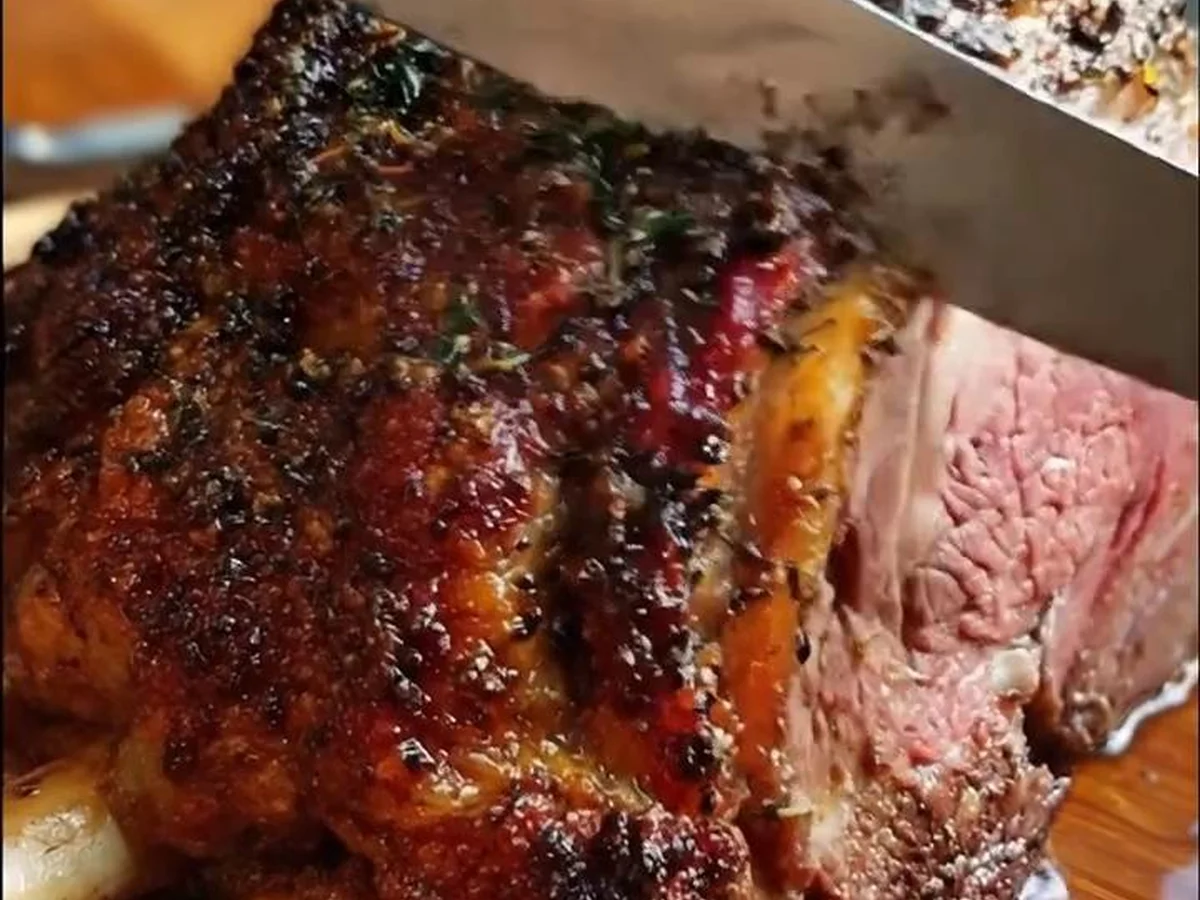
When it comes to celebrations, gatherings, or simply indulging in a sumptuous feast, few dishes evoke the warmth and satisfaction of a perfectly smoked prime rib. This majestic cut of meat, with its marbled fat and tender texture, is a classic choice for special occasions, cherished by meat lovers around the globe. Imagine the tantalizing aroma wafting from the smoker as your prime rib gently cooks, infusing the air with a smoky richness that heightens one’s anticipation. Each slice reveals a succulent pink center, bathed in a rich, beefy flavor, complemented by the herbal notes of garlic and fresh herbs. It’s a dish that not only pleases the palate but also envelopes you in a comforting embrace. Whether served with creamy horseradish sauce or a vibrant chimichurri, a well-prepared smoked prime rib offers an experience that lingers in your memory long after the last bite. Dive in as we explore everything you need to know about creating this showstopper in your own backyard!
The Origins and History
The prime rib, often referred to as the standing rib roast, has its roots steeped in culinary tradition. This regal cut of beef hails from the ribs of the cow, typically comprising seven bones, and has historically been a centerpiece at festive feasts across various cultures. Dating back to the late 19th century, prime rib gained prominence in American cuisine, particularly during the holiday season and on special occasions when families gathered around a lavish table. The act of smoking meat, on the other hand, finds its origins among indigenous Americans, who used wood and various smoking techniques to preserve and impart flavor to meat. Combining these rich histories, smoked prime rib becomes not only a delectable dish but a narrative of culinary evolution, bridging traditional roasting techniques with the smoky flavor profiles gained through artisanal smoking traditions. This melding of techniques has transformed the prime rib into a dish celebrated in both homes and upscale restaurants, cementing its status as a luxurious, comforting feast.
Why You Will Absolutely Love This Recipe
- Flavor Explosion: The combination of the rich, beefy taste of prime rib coupled with the aromatic herbs and a smoky finish creates a flavor profile that is out of this world.
- Impressive Presentation: A beautifully smoked prime rib serves as a stunning centerpiece for any dinner table, instantly elevating your hosting game.
- Crowd-Pleaser: Whether you are gathering with family, friends, or hosting a holiday celebration, this dish is guaranteed to garner rave reviews.
- Outstanding Leftovers: If you happen to have any leftovers (which is rare), smoked prime rib can be transformed into sandwiches, salads, or tacos, making it a versatile option.
- Minimal Hands-On Time: While the process may sound intimidating, much of the cooking is hands-off, allowing you to focus on other elements of your meal or gathering.
Deep Dive into the Ingredients
Creating a perfect smoked prime rib hinges not just on the cooking technique, but also on the quality of the ingredients used. Here’s why we chose each component:
- Prime Rib (5–7 lb): The star of the show, this tender cut of beef is known for its marbling, which creates a rich flavor and succulent texture. Bone-in prime rib is preferred for its depth of flavor, as the bones impart additional richness during the cooking process. Each rib adds complexity, making every slice an experience.
- Olive Oil or Melted Butter: This rich fat is crucial for creating a golden, crispy crust while locking in moisture. While olive oil adds a fruity note, butter provides a luxurious and buttery flavor, enhancing the overall taste of the meat.
- Garlic: This aromatic allium transforms the flavor of the meat, providing a pungent undertone that complements the earthiness of the herbs and the beef. Fresh garlic is preferred for its bright, zesty flavor.
- Kosher Salt: A vital ingredient for seasoning and enhancing textures, kosher salt draws out moisture, helping to create a flavorful crust while allowing the meat’s natural flavors to shine through.
- Black Pepper: Freshly cracked black pepper adds a mild heat and depth to the seasoning mix, enhancing the meat’s natural flavors and working in harmony with the garlic.
- Fresh Herbs (Rosemary and Thyme): The earthiness of these herbs contrasts beautifully with the rich beef, adding herbal complexity and fragrance. Fresh herbs are preferred due to their vibrant flavor, but dried versions can be used if fresh is unavailable.
For substitutions, consider using other cuts like ribeye or sirloin if prime rib isn’t accessible, but keep in mind that the cooking times may vary. Experimenting with different herbs or additional spices can also tailor the flavor to your liking, offering a fun opportunity to create your unique take on this classic.
Pro Tips for Perfect Results
Achieving the perfect smoked prime rib can seem daunting, but with a few pro tips, you can ensure a show-stopping dish:
- Season Generously: Don’t skimp on the seasoning! Generously rub the garlic, herbs, pepper, and salt to ensure every bite is bursting with flavor.
- Let it Rest: Allow the prime rib to rest at room temperature for an hour before cooking. This ensures even cooking throughout and prevents the meat from being cold in the center.
- Monitor Internal Temperature: Investing in a good quality meat thermometer will help you determine the doneness with precision. For medium-rare, look for an internal temperature of 130°F to 135°F before resting.
- Use a Smoker: While you can use a conventional oven, a proper smoker will impart unique flavors and a beautiful smokiness that cannot be replicated. Experiment with different woods like hickory, oak, or cherry for added depth.
- Allow for a Resting Period: Resting the meat after smoking is crucial—15 to 20 minutes allows juices to redistribute, ensuring every slice is juicy and moist.
Serving and Pairing Suggestions
How you serve smoked prime rib can enhance the overall experience. Classic sides to consider include creamy mashed potatoes, roasted seasonal vegetables, or a fresh green salad tossed with a zesty vinaigrette. For a more luxurious spread, consider serving it with Yorkshire pudding or horseradish cream sauce to balance the richness of the meat. To wash all of this down, pair with a robust red wine, such as Cabernet Sauvignon or a full-bodied Merlot, which will complement the smoky notes and earthy flavors perfectly. Alternatively, offer a whiskey-based cocktail for an elevated touch during special occasions.
Storage, Freezing, and Reheating
To store leftover smoked prime rib, wrap it tightly in aluminum foil or place it in an airtight container to prevent it from drying out, and keep it in the fridge for up to 3 days. For longer storage, you can freeze it in vacuum-sealed bags or airtight containers for up to 3 months. When it’s time to reheat, consider slicing the meat and gently warming in the oven at low heat (around 250°F) to maintain its juiciness, or microwave in short intervals with a splash of beef broth to add moisture.
Frequently Asked Questions (FAQ)
- Can I smoke a prime rib in an electric smoker? Yes, electric smokers provide excellent temperature control making it easier to achieve the perfect doneness while delivering a rich smoke flavor.
- What kind of wood should I use for smoking? Fruit woods like cherry and apple impart a mild sweetness, while hardwoods like hickory and oak produce a stronger flavor. Experiment to find your favorite combination!
- How do I know when my smoked prime rib is done? Using a meat thermometer, check the internal temperature. For medium-rare, remove it from heat at around 130°F to 135°F and allow it to rest.
- Can I reheat smoked prime rib without drying it out? Yes! Reheat in a low oven or use a microwave with a bit of broth to maintain moisture.
- What’s the best way to slice a prime rib? Slice against the grain for the most tender slices. Be sure to have a sharp knife to make clean cuts.
Conclusion
As you embark on your smoked prime rib journey, remember that preparation is key to achieving that incredible flavor and tender texture everyone will rave about. With patience, practice, and a little creativity in pairing, you can transform this traditional cut of beef into a beacon of culinary comfort that will undoubtedly become a staple at your gatherings. So fire up your smoker, gather your
The History of This Recipe
The origin of smoked prime rib can be traced back to the rich culinary traditions of the American West, where grilling and smoking meats became integral to the region’s culture. Early settlers utilized the abundance of natural wood and the techniques passed down from their ancestors to create flavors that transformed the prime rib cut into a beloved delicacy.
As barbecue culture spread across the country, pitmasters began experimenting with different smoking methods, using various types of wood to enhance the meat’s natural flavors. This innovation gave rise to the unique combination of smoky, savory, and tender qualities that define smoked prime rib today.
Over the years, smoked prime rib has evolved from a rustic preparation into a centerpiece dish at celebrations and gatherings, cherished for its luxurious taste and impressive presentation. As it continues to capture the palates of food lovers, the dish remains a testament to the art of smoking meat and the enduring love for hearty, flavorful meals.
Smoked Prime Rib
INGREDIENTS
- 5–7 lb prime rib (bone-in or boneless)
- 2–3 tbsp olive oil or melted butter
- 4–5 cloves garlic, minced
- 2 tbsp kosher salt
- 1 tbsp black pepper
- 1 tbsp fresh rosemary, chopped (or 1 tsp dried)
- 1 tbsp fresh thyme, chopped (or 1 tsp dried)
INSTRUCTIONS
Start by preparing the prime rib. If it’s refrigerated, let it sit at room temperature for about 1 hour before you start cooking to ensure even cooking.
Preheat your smoker to 225°F (107°C). If you’re using charcoal, prepare your smoker by setting up for indirect heat.
In a small bowl, mix together the minced garlic, olive oil (or melted butter), kosher salt, black pepper, rosemary, and thyme to create a seasoning paste.
Rub the seasoning mixture all over the prime rib, ensuring it’s well covered on all sides. This will enhance flavor and create a delicious crust.
If your smoker requires it, soak your wood chips in water for about 30 minutes before adding them to the smoker. This helps to produce better smoke.
Place the seasoned prime rib on the smoker grates bone side down (if using bone-in) and close the lid. Insert a meat thermometer into the thickest part of the meat, making sure it doesn’t touch any bone.
Smoke the prime rib for approximately 4-6 hours, or until it reaches your desired level of doneness. Aim for an internal temperature of 125°F (52°C) for medium-rare, 135°F (57°C) for medium, and 145°F (63°C) for medium-well.
Once the prime rib hits the desired temperature, remove it from the smoker and wrap it loosely in aluminum foil. Let it rest for at least 20-30 minutes. Resting allows the juices to redistribute, ensuring a moist and flavorful roast.
Slice the smoked prime rib against the grain and serve it with your choice of sides such as mashed potatoes, roasted vegetables, or a fresh salad.
Time & Calories:
Preparation Time: 15 minutes
Cooking Time: 4-6 hours (depending on weight and desired doneness)
Resting Time: 30 minutes
Total Time: Approximately 5-7 hours
Calories: Approximately 350-500 calories per serving (depends on size of portion)
NOTES
Enjoy your delicious homemade Smoked Prime Rib !