Introduction
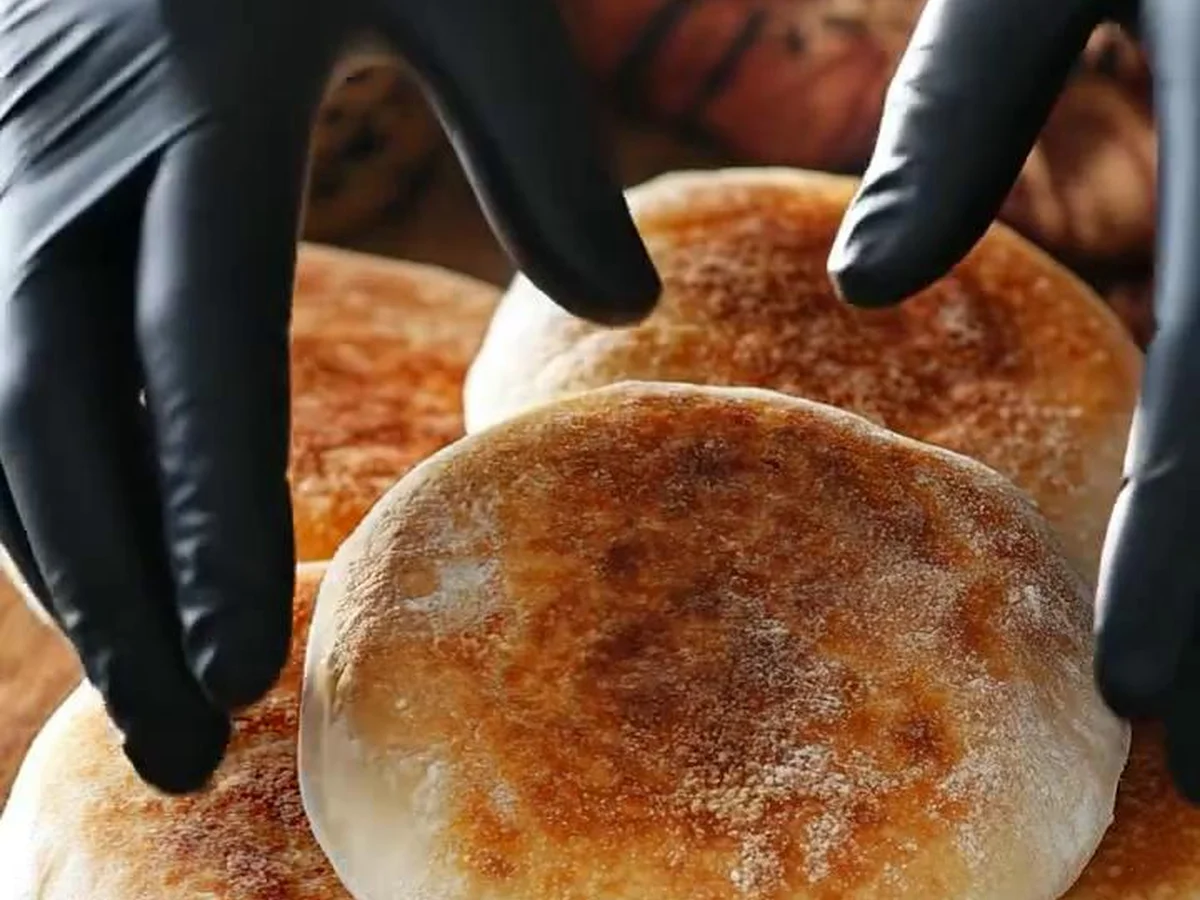
In an era dominated by haute cuisine and elaborate recipes, there lies a humble yet captivating dish that brings comfort and joy, perfect for any table: skillet bread. The mere aroma of it baking is enough to elicit memories of warmth and family gatherings, the enticing scent weaving through your home like an old friend. Imagine the anticipation as you pull a beautifully golden crust from the skillet, the steam rising in soft tendrils, revealing a tender, fluffy interior just waiting to be enjoyed. Each bite is a harmonious blend of crispiness on the outside and a delectable chewiness within, an experience that soothes the spirit and evokes feelings of nostalgia.
This versatile bread can seamlessly accompany a variety of meals or serve as a delightful snack on its own, making it a staple in many kitchens around the globe. Whether you choose to enjoy it with a slather of butter, a drizzle of olive oil, or even as a base for savory or sweet toppings, skillet bread is sure to win your heart. Its popularity transcends cultures, making it a well-loved comfort food across generations. Allow your senses to invite you into the kitchen where the art of skillet bread awaits your discovery.
The Origins and History
The concept of cooking bread in a skillet dates back centuries, originating globally in various forms. Early civilizations relied on flatbreads cooked on hot stones or in rudimentary vessels, exemplifying the need for sustenance using minimal tools. Today, skillet bread is a testament to this rich culinary history, evolving through influence from different cultures. For instance, the Italian focaccia and the Indian roti share characteristics that highlight the art of bread-making, while the American version of skillet cornbread is infused with Southern charm. This delightful bread passes through the hands of generations, each shaping it with regional spices, techniques, and traditions. As such, skillet bread is more than just a recipe; it is an edible chronicle of our collective culinary heritage.
Why You Will Absolutely Love This Recipe
- Flavor Profile: The simplicity of the ingredients allows the natural flavors to shine, while the optional herbs and spices can elevate the taste to new heights.
- Ease of Preparation: This skillet bread requires minimal effort. With just a few basic ingredients and no special equipment, anyone can master the art of bread-making!
- Crowd-Pleaser: Its charm lies not just in its taste but also in its presentation, making it an impressive companion at gatherings, potlucks, or family meals.
- Leftovers Versatility: Any extra bread makes for delightful sandwiches, croutons, or can be revitalized with quick toaster toasts, offering endless culinary creativity.
Deep Dive into the Ingredients
Understanding the role of each ingredient in this skillet bread is fundamental to achieving optimal results. The primary player, all-purpose flour, is the backbone of the recipe. With a protein content that allows for just the right amount of gluten formation, it provides structure while remaining tender. Opting for unbleached flour with a nice balance of strength and tenderness will take your bread to the next level.
Next, we have salt. This seemingly simple ingredient does much more than enhance flavor—it strengthens the gluten network, helping the bread rise and creating a more flavorful end product. The inclusion of warm water allows the yeast (if used) to activate efficiently and helps to create the right consistency in your dough. This warmth mimics the comfortable environment yeast thrives in, producing more lift and an airy crumb.
Olive oil, while optional, adds richness to the flavor profile and helps keep the bread moist and tender. It can also introduce a lovely depth from its fruity undertones. Those looking for a fluffier result may choose to incorporate baking powder, a leavening agent that acts quickly to lighten the dough, perfect for those moments when you crave that extra airiness.
Lastly, consider adding your favorite herbs or spices to customize the bread. Whether you’re craving rosemary, thyme, garlic powder, or even a dash of smoked paprika, the combination possibilities are endless. These additions can infuse your skillet bread with personality, creating a delightful array of flavors tailored to your palate!
Pro Tips for Perfect Results
Achieving the perfect skillet bread is about more than just following the recipe; it’s about understanding the process. Here are some tips to ensure your bread reaches its maximum potential:
- Mixing Technique: When combining the wet and dry ingredients, mix just until incorporated. Over-mixing can lead to a dense texture by activating too much gluten in the flour.
- Rest Time: Allow the dough to rest for a short period (around 10-15 minutes) after mixing. This period of inactivity allows the gluten to relax, resulting in a softer, more tender bread.
- Heat Control: Preheat your skillet properly over medium heat. Too high can result in a burnt crust while leaving the inside undercooked. Flipping the bread partway through cooking may help achieve more even results.
- Watch for Color: The bread is ready when it reaches a golden-brown hue. Don’t be afraid to use a toothpick or knife to check doneness—the skewer should come out clean when inserted into the center.
Serving and Pairing Suggestions
Skillet bread is incredibly adaptable, working well with various accompaniments. Serve it alongside rich stews, vibrant soups, or as an elegant base for bruschetta topped with diced tomatoes and basil. It could also find itself at the center of a cheese platter or as a perfect side to your favorite Mediterranean fare. To wash it all down, couple it with a crisp white wine or a soothing herbal tea, creating a balanced meal for all occasions, from family dinners to casual gatherings.
Storage, Freezing, and Reheating
To keep your skillet bread fresh, allow it to cool completely before placing it in an airtight container. Stored this way, it can last up to three days at room temperature. For longer storage, consider freezing pieces wrapped in plastic wrap and placed in a ziplock bag. When you’re ready to enjoy, a quick toaster or a warm oven can bring life back into this delectable bread without sacrificing its original texture and taste.
Frequently Asked Questions (FAQ)
- Can I use whole wheat flour instead of all-purpose flour?
Yes! Whole wheat flour can be used for a heartier version, but you may want to mix it with some all-purpose flour to avoid a dense result. - What if I don’t have baking powder?
You can still make skillet bread without it. Just omit and stick to the simplest ingredients; you will still produce a wonderful flatbread! - Can I make this bread in advance?
Absolutely! However, it’s best consumed fresh. If making in advance, store and reheat as mentioned previously for the best results. - What is the best skillet to use?
A cast-iron skillet is ideal for this recipe, as it retains heat exceptionally well, ensuring an evenly cooked crust. Non-stick skillets are a great alternative too! - Can I adjust the thickness of the bread?
Yes! Simply adjust the thickness of the dough in the skillet, keeping in mind that thicker bread will take longer to cook through.
Conclusion
In a world of culinary complexity, skillet bread stands proudly as a delightful example of simplicity and satisfaction. Its versatility, comforting nature, and mouthwatering flavors make it a must-try for everyone from novice cooks to expert chefs. Whether paired with a meal or savored on its own, this bread offers a gateway into the heart of homemade comfort food.
Simple Recipe Version
Skillet Bread Ingredients: – 2 cups all-purpose flour (250 g) – 1/2 teaspoon salt – 1/2 cup warm water (120 ml) – 1 tablespoon olive oil (optional) – 1 teaspoon baking powder (optional for fluffiness) – Additional herbs or spices to taste (optional) Instructions: 1. In a large mixing bowl, combine the all-purpose flour and salt. If you are using baking powder for a fluffier texture, add it to the flour and mix well. 2. Gradually add the warm water to the flour mixture, stirring with a spoon or your hands until a shaggy dough forms. If you want a richer flavor, you can also mix in a tablespoon of olive oil at this point. 3. Knead the dough on a lightly floured surface for about 5 minutes, until it becomes smooth and elastic. If the dough is too sticky, add a little more flour as needed. 4. Once kneaded, shape the dough into a round ball and cover it with a clean kitchen towel. Let it rest for about 10-15 minutes to relax the gluten. 5. Preheat your skillet over medium heat. If your skillet is non-stick, you can skip adding oil; otherwise, add a little olive oil to prevent sticking. 6. After resting, flatten the dough into a round disc about 1/2 inch thick. If desired, sprinkle any herbs or spices on top for added flavor. 7. Place the flattened dough into the preheated skillet. Cook for about 4-5 minutes on one side or until golden brown, then carefully flip it over. 8. Cook the other side for another 4-5 minutes until it is also golden brown and cooked through. You can cover the skillet with a lid to help it cook evenly. 9. Once done, remove the skillet bread from the pan and let it cool on a wire rack for a few minutes. Slice and serve warm. Time & Calories: – Total Time: Approximately 30 minutes – Servings: 4 – Estimated Calories per Serving: 160 kcal (without olive oil)
Skillet Bread
INGREDIENTS
- 2 cups all-purpose flour (250 g)
- 1/2 teaspoon salt
- 1/2 cup warm water (120 ml)
- 1 tablespoon olive oil (optional)
- 1 teaspoon baking powder (optional for fluffiness)
- Additional herbs or spices to taste (optional)
INSTRUCTIONS
In a large mixing bowl, combine the all-purpose flour and salt. If you are using baking powder for a fluffier texture, add it to the flour and mix well.
Gradually add the warm water to the flour mixture, stirring with a spoon or your hands until a shaggy dough forms. If you want a richer flavor, you can also mix in a tablespoon of olive oil at this point.
Knead the dough on a lightly floured surface for about 5 minutes, until it becomes smooth and elastic. If the dough is too sticky, add a little more flour as needed.
Once kneaded, shape the dough into a round ball and cover it with a clean kitchen towel. Let it rest for about 10-15 minutes to relax the gluten.
Preheat your skillet over medium heat. If your skillet is non-stick, you can skip adding oil; otherwise, add a little olive oil to prevent sticking.
After resting, flatten the dough into a round disc about 1/2 inch thick. If desired, sprinkle any herbs or spices on top for added flavor.
Place the flattened dough into the preheated skillet. Cook for about 4-5 minutes on one side or until golden brown, then carefully flip it over.
Cook the other side for another 4-5 minutes until it is also golden brown and cooked through. You can cover the skillet with a lid to help it cook evenly.
Once done, remove the skillet bread from the pan and let it cool on a wire rack for a few minutes. Slice and serve warm.
Time & Calories:
Total Time: Approximately 30 minutes
Servings: 4
Estimated Calories per Serving: 160 kcal (without olive oil)
NOTES
Enjoy your delicious homemade Skillet Bread !