Introduction
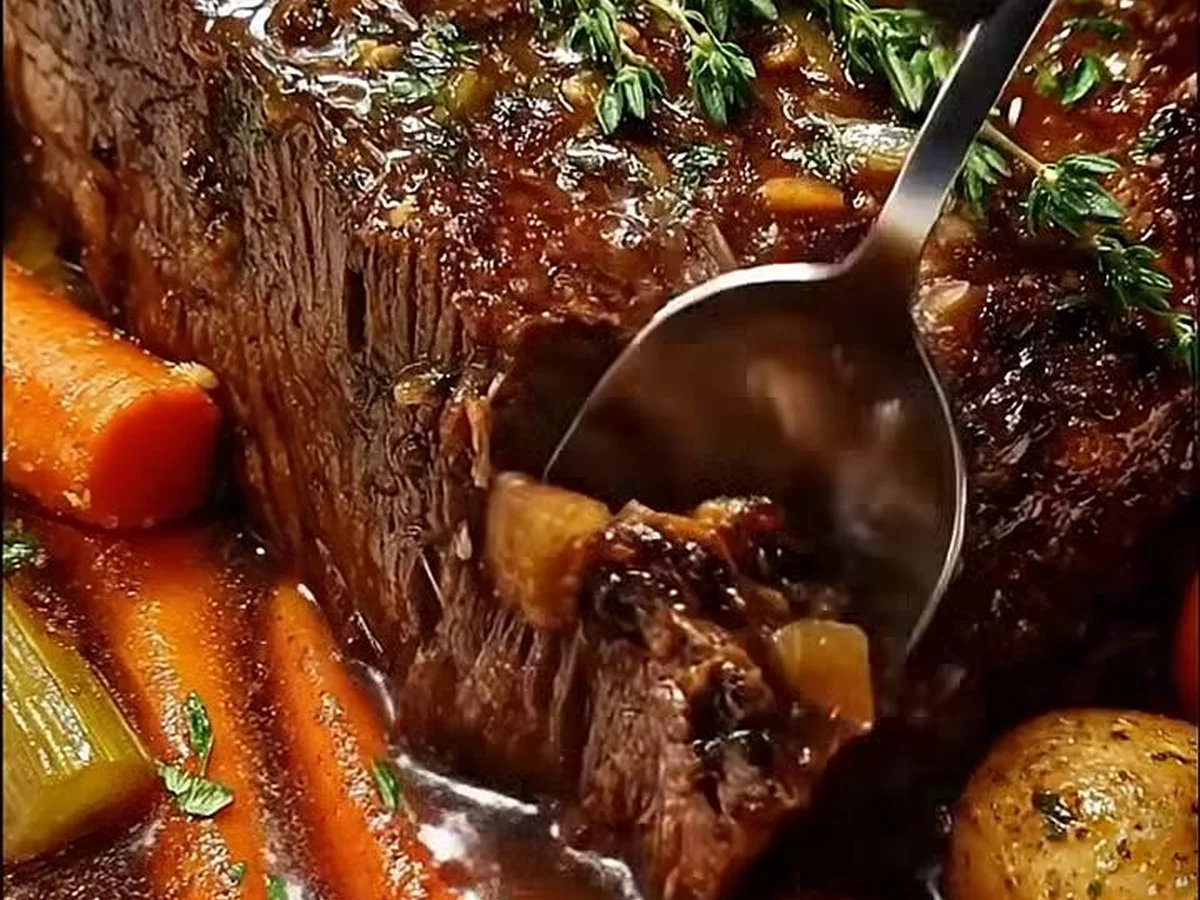
Imagine stepping into a cozy kitchen on a crisp autumn day, where the rich, savory aromas of marinated beef and spices waft through the air, wrapping you in a warm embrace of comfort. This is the magic of Sauerbraten, a traditional German pot roast that has earned its place as a beloved dish in households everywhere. With its tender, melt-in-your-mouth beef and the tangy kick from the pickling marinade, Sauerbraten not only satisfies the palate but also evokes a sense of nostalgia and warmth, making it the ultimate comfort food.
Often heralded as Germany’s national dish, Sauerbraten hails from the Swabia region, where it has been enjoyed for centuries. Each bite transports you back to simple home-cooked meals shared with family and friends, surrounded by laughter and heartfelt conversation. The combination of marinated beef, a medley of vegetables, and a rich, flavorful gravy creates a sensory experience that warms the soul. Is there anything more delightful than indulging in a hearty plate of Sauerbraten, where each mouthful tells a story of tradition and love?
The Origins and History
Sauerbraten’s origins can be traced back to the rural kitchens of Germany, famously taught from grandmother to granddaughter, evolving over generations. The name itself means “sour roast,” referring to the marinade that tenderizes the beef while imparting a complex range of flavors. This culinary technique is not just about taste; it’s a testament to efficient cooking practices, ensuring that tougher cuts of meat could be transformed into tender masterpieces.
The history of Sauerbraten intertwines with Germany’s agricultural traditions, where locals sought to preserve meat through pickling—the perfect culinary solution in times before refrigeration. Variants of Sauerbraten appear throughout different regions of Germany, each possessing unique touches influenced by local customs, spices, and accompanying side dishes. As the dish spread beyond Germany’s borders, it found a warm welcome in places with German immigrant communities, like the United States, where it has become a staple at family gatherings and festive occasions.
Why You Will Absolutely Love This Recipe
- Flavor Profile: The combination of the tartness from red wine vinegar and marinade blends beautifully with the savory beef, creating an explosion of flavor.
- Ease of Preparation: Although it requires a marination period (usually several days for best results), the active cooking time is minimal, allowing you to multitask or enjoy other moments with your loved ones.
- A Crowd-Pleaser: Sauerbraten is a dish that impresses; it is perfect for family dinners and special occasions, drawing in friends and family with its enticing aroma.
- Delicious Leftovers: This pot roast continues to shine the next day; its flavors deepen overnight, and the beef retains its tenderness, making it perfect for sandwiches or served over noodles.
Deep Dive into the Ingredients
To create the ultimate Sauerbraten, understanding the purpose and characteristics of each ingredient is key. Let’s break down the essentials:
- Beef Roast: A 3 to 4-pound beef roast, ideally from the chuck or brisket, is selected for the dish. These cuts offer ample marbling which results in a tender and flavorful outcome. The fat slowly renders during the cooking process, enriching the gravy and enhancing each bite.
- Beef Broth: Four cups of beef broth create a robust base for the cooking liquid. Using homemade broth can elevate the dish, but quality store-bought broth will suffice if time is limited. This ingredient is essential for a rich, harmonious flavor.
- Red Wine Vinegar: A cup of red wine vinegar is vital for the signature sour tang. It also acts as a tenderizing agent, breaking down the meat fibers over time, allowing them to melt in your mouth. Although red wine vinegar is preferred, apple cider vinegar can be used in a pinch for a subtler flavor.
- Red Wine: A cup of red wine rounds out the dish with its deep complexities. Choosing a wine that you would enjoy drinking alongside the meal is essential; typically, a medium-bodied variety complements the dish beautifully.
- Onion, Carrots, and Celery: These chopped aromatics provide a base flavor that builds some sweetness and depth in the sauce. Together, they create a mirepoix, enriching the overall taste and adding nutrients.
Substitutions can enhance the dish; for instance, feel free to use white wine vinegar if a lighter taste is preferred, or interchange the red wine for a full-bodied ale for a unique twist. Likewise, varying vegetable choices, such as adding parsnips or even a few cloves of garlic, can introduce exciting flavors into the traditional recipe.
Pro Tips for Perfect Results
Achieving a flawless Sauerbraten involves paying attention to some essential cooking techniques. Here are some expert tips to elevate your dish:
- Searing the Meat: Before marinating, sear the beef roast on all sides in a hot pan. This caramelizes the surface, adding deeper flavors and complexity to the final dish.
- Allow for Marination: Ideally, the roast should marinate for 3-5 days. This might sound daunting, but the longer the beef sits in the marinade, the more tender it will become. Ensure the roast is fully submerged, flipping it occasionally.
- Cook Low and Slow: Sauerbraten benefits from low-temperature cooking in the oven, allowing the connective tissues to break down gradually, resulting in an incredibly tender roast. Aim for a temperature around 300°F (150°C) to maximize tenderness.
- Resting the Meat: After cooking, allow the roast to rest for at least 20 minutes before slicing. Resting enables the juices to redistribute, guaranteeing every slice is juicy and flavorful.
Serving and Pairing Suggestions
Traditional pairings for Sauerbraten include sides such as spaetzle or buttered noodles, which soak up the hearty gravy, along with sides of red cabbage or roasted vegetables that provide balance. A glass of the same red wine used in the cooking enhances the dining experience, while a crisp salad offers a refreshing crunch. Sauerbraten shines, especially during festive seasons or family gatherings, creating unforgettable memories around the table.
Storage, Freezing, and Reheating
Leftover Sauerbraten can be stored in an airtight container in the refrigerator for up to 3 days without losing quality. For longer preservation, consider freezing the dish; it will keep well for about 3 months. Use a vacuum sealer or freezer-safe bags to minimize freezer burn. When reheating, do so gently in a low oven or on the stovetop with a splash of broth to maintain moistness and flavor.
Frequently Asked Questions (FAQ)
- Can I use a different cut of meat? Yes! While chuck or brisket is traditional, you can also use round or even a pork roast if you’re looking for an alternative.
- Is there a vegetarian version of Sauerbraten? Absolutely! While the authentic recipe centers around beef, you can experiment with hearty vegetables like mushrooms, beets, or even jackfruit, using a vegetable broth as a base.
- How can I enhance the flavor of the gravy? Consider adding spices like juniper berries or whole cloves, which impart exceptional flavor to the pot roast. A dash of brown sugar could also harmonize the tanginess of the vinegar.
- Can I prepare this dish in advance? Yes! Sauerbraten can be prepped a day or two ahead of time, allowing the flavors to mingle and deepen, ultimately enhancing the final dish.
- What is the best way to slice the meat? For the most tender slices, always cut against the grain. This technique helps ensure that each bite remains tender and easy to chew.
Conclusion
Sauerbraten is more than just a meal; it’s an experience steeped in history, flavor, and heart. This slow-cooked tradition deserves a place at your table, so gather your ingredients and embrace the art of making this iconic dish! Happy cooking!
The History of This Recipe
Sauerbraten, a traditional German pot roast, has its roots in the cuisine of medieval Europe, where preservation was essential for survival. The method of marinating tough cuts of meat in vinegar and spices originated from the need to tenderize the meat before cooking.
As time progressed, regional variations emerged, with families passing down their unique recipes through generations. The dish became popular during festive occasions, often served with dumplings or red cabbage as a side.
Today, Sauerbraten is celebrated as a culinary emblem of German heritage, showcasing rich flavors and a time-honored cooking technique. Each bite offers a taste of history, blending simplicity and comfort in every meal.
Sauerbraten
INGREDIENTS
- 3 to 4 pounds beef roast (preferably chuck or brisket)
- 4 cups beef broth
- 1 cup red wine vinegar
- 1 cup red wine
- 1 onion, chopped
- 2 carrots, chopped
- 2 stalks celery, chopped
INSTRUCTIONS
In a large bowl, mix together the beef broth, red wine vinegar, red wine, onion, carrots, celery, garlic, sugar, mustard, salt, pepper, ginger, cloves, and bay leaves. This will be your marinade.
Place the beef roast into a large resealable bag or a deep dish and pour the marinade over the roast. Seal the bag or cover the dish, and refrigerate for at least 3 days, turning the meat occasionally to ensure even marination.
After marinating, remove the beef roast from the marinade and pat it dry with paper towels. Reserve the marinade.
In a large Dutch oven or heavy pot, heat the vegetable oil over medium-high heat. Sear the beef roast on all sides until browned, about 3-4 minutes per side.
Once the roast is browned, remove it from the pot and set it aside.
In the same pot, add strained vegetables from the marinade and sauté for about 5 minutes or until they begin to soften.
Pour the reserved marinade into the pot and bring it to a simmer.
Return the beef roast to the pot, cover, and reduce the heat to low. Cook for 3-4 hours, or until the meat is tender and falls apart easily. Alternatively, you can cook it in a preheated oven at 325°F (163°C) for the same duration.
Once cooked, remove the roast from the pot and let it rest for about 10 minutes before slicing.
To serve, slice the roast and return it to the pot with the sauce, or serve the sauce on the side. Garnish with fresh parsley.
Time & Calories:
Prep Time: 10 minutes (plus marination time)
Cook Time: 4 hours
Total Time: 4 hours 10 minutes (plus marination)
Servings: 6-8
Approximate Calories: 350 per serving (varies based on cut of beef and portion size)
NOTES
Enjoy your delicious homemade Sauerbraten!