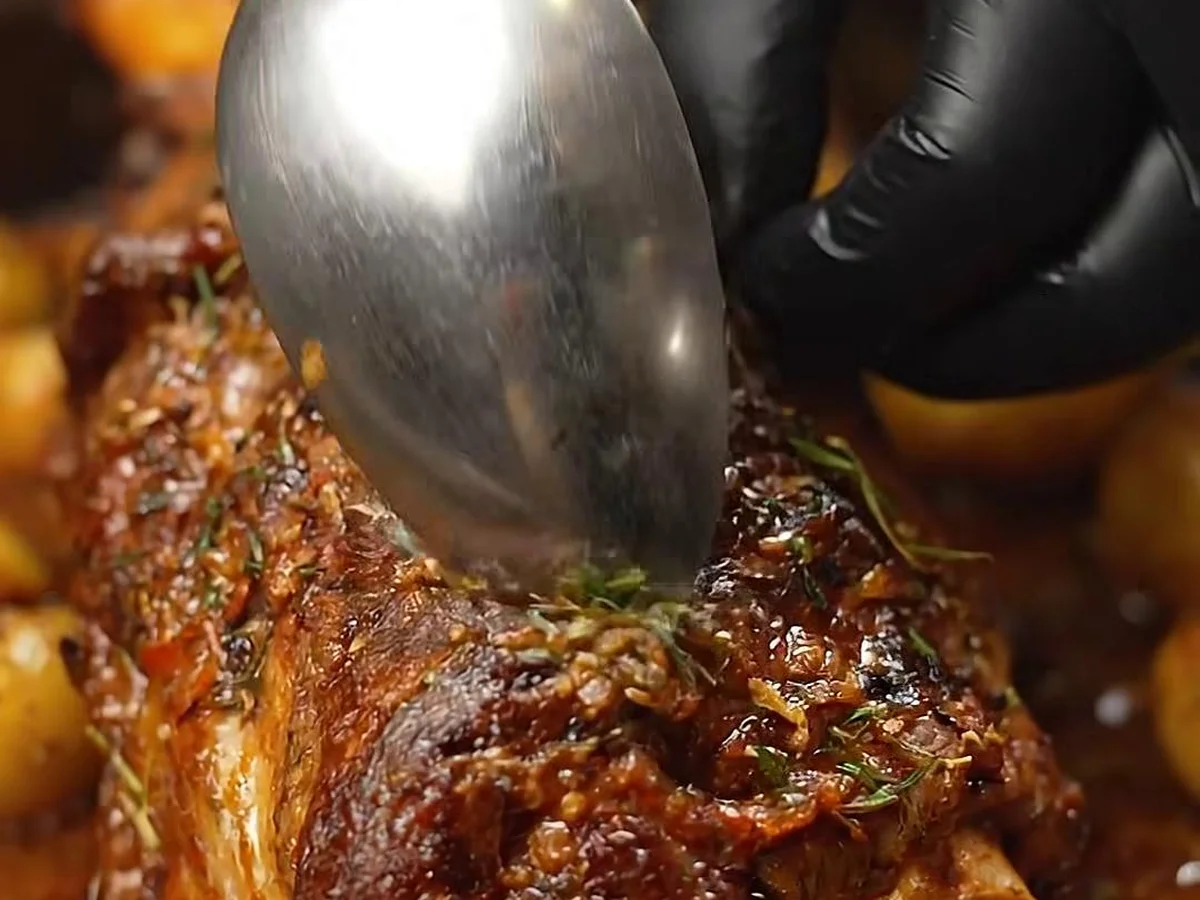
Roasted Beef Shank is the epitome of comfort food. The rich, meaty aroma that fills your kitchen while this dish slow-cooks is enough to make anyone’s mouth water. As the beef shank roasts, the connective tissues break down, allowing the flavors to meld beautifully, creating a dish that is not only hearty but also soul-soothing. The result? Tender, fall-off-the-bone meat steeped in the fragrant notes of garlic, herbs, and a medley of vegetables. Each bite is a delectable celebration of flavors and textures, evoking a cozy sense of home that transcends the years. While this dish is incredibly simple to make, its rewards are grand, making it a popular choice among both seasoned home cooks and those new to the kitchen alike. Whether it’s served during a family gathering or savored as a solo meal, Roasted Beef Shank is bound to bring joy and satisfaction, leaving a lingering warmth that wraps around you like a beloved blanket. Let’s dive deeper into this culinary masterpiece that blends history, flavor, and ease of preparation.
The Origins and History
The beef shank has historical roots that span various cultures and cuisines, reflecting the versatility and significance of utilizing every part of the animal. In many traditional societies, impoverished families relied on tougher cuts of meat such as the shank for sustenance, often slow-cooking it to extract flavors and tenderness. French pot-au-feu, Italian braised beef, and German osso buco are classic dishes that echo the same philosophy of lovingly braised meat, often featuring similar cuts. This method of cooking became a staple in households around the world, representing resourcefulness and a connection to the land. In fact, as culinary cultures have mixed and evolved, the transformation of less desirable cuts into celebrated dishes is a testament to the creativity and heart of home cooking. The global embrace of the beef shank showcases a timeless culinary practice rooted in history and a profound understanding of flavors, bringing generations together around the dinner table.
Why You Will Absolutely Love This Recipe
- Flavor Profile: The rich and intense flavor derived from the beef shank as it roasts, combined with the aromatic vegetables, makes for a deeply satisfying dish.
- Ease of Preparation: With just a few key steps and minimal active cooking time, you’ll have a dish that brings maximum flavor with minimal effort.
- Crowd-Pleaser: Perfect for dinner parties or family gatherings, the impressive presentation and delicious taste are sure to impress guests and family alike.
- Leftovers Delight: This recipe yields generous portions that only improve with time, making it an ideal candidate for next-day sandwiches or stews.
Deep Dive into the Ingredients
The ingredients of Roasted Beef Shank are simple yet essential in providing the depth and flavor of the dish. At the heart of this recipe is the beef shank itself, a cut that is often overlooked yet full of potential. Typically, a beef shank will be a tougher cut, rich in connective tissue that becomes meltingly tender when cooked low and slow. The shank’s marrow adds a kind of luxurious richness to the broth that sizzles beneath.
The addition of garlic is crucial; its pungency transforms as it roasts, mellowing into a sweet garlic flavor that permeates the meat while contributing lovely aromatics. Olive oil is chosen not just for flavor but also for its role in helping to achieve a golden crust on the beef.
The vegetables—onion, carrots, and celery—also known as mirepoix, form the flavor base for the dish. Onions sweeten as they cook, carrots add natural sugars to balance the richness, and celery provides a nice herbal note that brightens the overall flavor. For broth, beef broth offers a robust backbone; however, homemade stock can elevate your dish further, intensifying the savory depth.
Pro Tips for Perfect Results
To achieve the perfect Roasted Beef Shank, attention to a few details will greatly enhance the outcome. Begin with searing the meat prior to roasting. Heating oil in a heavy-bottomed pan and carefully browning the shank on all sides caramelizes the surface, producing a richly flavored crust that adds dimension to the overall sauce.
Additionally, make sure to not overcrowd the pan during the roasting process. Space is crucial for achieving that glorious, even browning. Invest in a good-quality meat thermometer; this is an invaluable tool for ensuring the meat is perfectly cooked without overdoing it. Aim for an internal temperature of about 90°C (200°F) for fall-apart tenderness
Lastly, don’t forget to allow the meat to rest before slicing. This short waiting period allows the juices to redistribute, making the meat juicier with every bite.
Serving and Pairing Suggestions
Roasted Beef Shank is versatile and can be paired with a plethora of sides. Classic accompaniments include creamy mashed potatoes or buttery polenta that soak up all the flavorful juices. Add a fresh green salad or roasted seasonal vegetables to bring a colorful balance to your dish. For beverages, consider a robust red wine, such as Cabernet Sauvignon or a full-bodied Merlot; both complement the savory notes of the beef beautifully. This dish is perfect for cozy dinners at home or festive gatherings during colder months, where warmth and comfort are desired.
Storage, Freezing, and Reheating
Leftovers from Roasted Beef Shank can be a delight. Allow the dish to cool completely before transferring it to an airtight container in the refrigerator, where it can last up to three days. If you’d like to store it for longer, freezing is a viable option. Portion the beef and broth separately to maintain the texture and flavor; in this form, it can be kept for up to three months. For reheating, gently warm the dish on the stovetop over low heat, stirring occasionally, or use a microwave, ensuring not to overcook the beef, or it may lose its tenderness.
Frequently Asked Questions (FAQ)
- Can I use a different cut of beef for this recipe? Yes, while beef shank delivers great flavor, other cuts like chuck roast or brisket can also work well, though cooking times may vary given their different compositions.
- Is it necessary to sear the beef before roasting? While it’s not mandatory, searing significantly enhances flavor through the Maillard reaction, giving you that beautifully rich crust.
- Can I make this dish in a slow cooker? Absolutely! Searing first adds depth, but you can skip this and combine all ingredients in a slow cooker. Cook on low for 6-8 hours for a tender result.
- What can I do if the meat seems tough after cooking? If your beef shank feels tough, it might need more cooking time. Continue simmering it until it becomes tender; slow cooking is the key to breaking down connective tissues.
Conclusion
Roasted Beef Shank is more than just a dish; it’s an experience that invites you to slow down and savor the deeply comforting flavors born from simple ingredients. So gather your essentials and prepare to indulge in this heartwarming feast.
The History of This Recipe
Roasted Beef Shank traces its roots to traditional cooking practices where tough cuts of meat were subjected to slow cooking methods. This technique transformed the fibrous meat into a tender and flavorful dish, cherished in many cultures.
Originating in rural households, the dish was often prepared for special gatherings and festive occasions. Families would roast the shank over an open flame, allowing the natural juices to meld with herbs and spices, creating a comforting aroma.
As culinary practices evolved, chefs began to refine the method, incorporating diverse ingredients and cooking styles. Today, Roasted Beef Shank remains a beloved meal, celebrating hearty flavors and a sense of gathering around the dinner table.
Roasted Beef Shank
INGREDIENTS
- 1 large beef shank (about 1–1.2 kg)
- 4 garlic cloves, minced
- 2 tablespoons olive oil
- 1 large onion, roughly chopped
- 2 carrots, chopped
- 2 celery stalks, chopped
- 2 cups beef broth
INSTRUCTIONS
Preheat your oven to 160°C (320°F).
Pat the beef shank dry with paper towels and season generously with salt and pepper on all sides.
In a large Dutch oven or heavy-bottomed pot, heat the olive oil over medium-high heat.
Once hot, add the beef shank and sear until browned on all sides, about 3-4 minutes per side. Remove the shank from the pot and set aside.
In the same pot, add the chopped onion, carrots, and celery. Sauté for about 5 minutes until the vegetables are softened.
Stir in the minced garlic and cook for an additional minute until fragrant.
If using, pour in the red wine and scrape up any brown bits from the bottom of the pot. Allow the wine to simmer for about 3-4 minutes until slightly reduced.
Return the beef shank to the pot and add the beef broth, thyme, and rosemary. The liquid should come about halfway up the meat.
Bring the mixture to a simmer, cover the pot with a lid, and transfer it to the preheated oven.
Roast in the oven for approximately 3-4 hours, or until the meat is very tender and falling off the bone.
Once done, carefully remove the pot from the oven. Remove the beef shank and let it rest for about 10-15 minutes before slicing.
Meanwhile, you can strain the cooking liquid to make a simple sauce if desired. Simmer it over medium heat to reduce and thicken if needed.
Serve the sliced beef shank with the vegetables and drizzle with the strained sauce.
Time & Calories
Total Time: Approximately 4-5 hours (including prep and cooking)
Estimated Calories: About 350-400 calories per serving (based on a 4 serving dish)
NOTES
Enjoy your delicious homemade Roasted Beef Shank !