Introduction
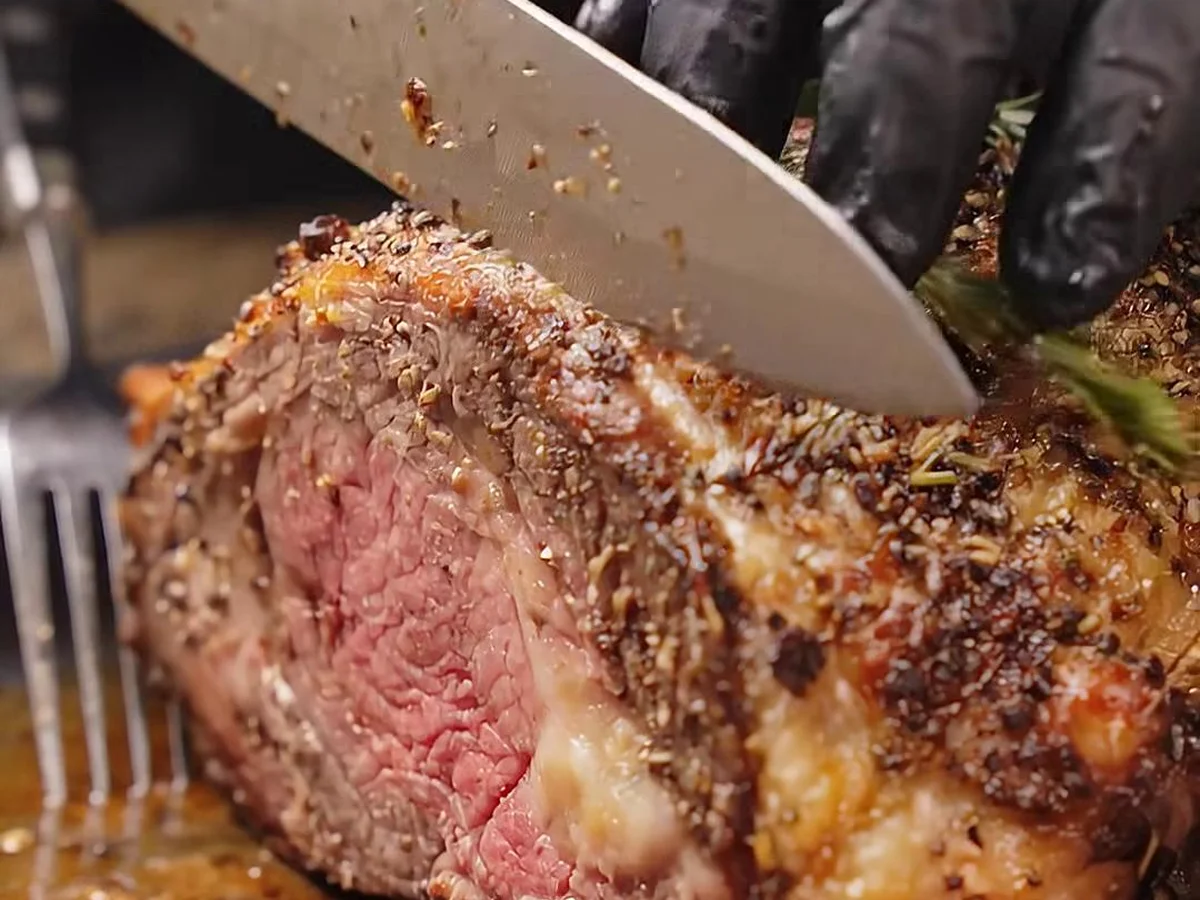
Imagine this: the rich aroma of a well-seasoned prime rib roast wafts through your home, enticing the senses and beckoning friends and family to gather around the dinner table. The golden crust glistens under the warm light, while the vibrant marbling of the beef promises a sumptuous feast that is, at once, both indulgent and comforting. A prime rib roast isn’t merely a dish; it’s an experience, a celebration of flavors that elevates any occasion into a memorable soirée. Traditionally, this cut of meat is synonymous with festive gatherings and special family dinners, making it an exemplary centerpiece for celebrations, holidays, or simply a much-deserved treat. The first cut reveals a beautifully tender interior, juicy and perfectly pink, coaxing you to take a bite, and oh, what a bite it is! Rich, buttery, and layered with aromatic herbs and garlic, each mouthful is a symphony of taste that resonates with warmth and joy, inviting a chorus of delight from everyone at the table.
The Origins and History
The prime rib’s history can be traced back to Europe, specifically to the British Isles, where it became a staple during the Victorian era. Initially, this cut of beef was primarily enjoyed by the aristocracy, denoting wealth and status, which consequently filtered down to the masses over the years. The tradition of roasting beef can be linked to the familial custom of gathering for Sunday roasts, a ritual steeped in nostalgia and warmth. As this cooking method gained traction, it made its way across the ocean to the United States, where it became a beloved staple for special occasions and holidays, such as Christmas and Thanksgiving. The prime rib roast embodies not just culinary delight, but a sense of community and companionship—a dish that warm the hearts and brings people together at the table, whether in bustling urban settings or cozy rural homes. Over the years, variations emerged as regional flavors influenced its preparation, making it a versatile centerpiece that adapts beautifully to various culinary styles and preferences.
Why You Will Absolutely Love This Recipe
- Flavor Explosion: The combination of olive oil, aromatic herbs, and savory garlic not only enhances the natural flavors of the prime rib, but also creates a delightful crust that is irresistible.
- Crowd-Pleaser: Prime rib is typically a hit at any gathering, making it an excellent choice for large dinners, family get-togethers, or holiday feasts—everyone loves a good roast!
- Leftovers Galore: If there are any leftovers (which is a big if), they are perfect for sandwiches, salads, or even casseroles, ensuring days of delicious meals ahead.
- Simple Preparation: Despite its luxurious reputation, cooking prime rib is relatively straightforward. With some preparation and awareness of cooking times, you can achieve that perfect roast without professional skill.
- Impressive Presentation: The visual appeal of a beautifully roasted prime rib garnished with herbs can elevate any table setting, making your feast feel truly special.
Deep Dive into the Ingredients
The beauty of a prime rib roast lies in its simplicity and the quality of its ingredients. Quality beef is crucial; ideally, you should seek out USDA Prime or Choice cuts, indicating higher marbling and tenderness. Bone-in roasts offer more flavor due to the marrow imparting richness to the meat, while boneless options are easier to carve. Generally, a 4–6 lb roast is manageable and provides an ample feast for gatherings.
Next, olive oil is a game changer, acting as a conduit to infuse flavor while ensuring a robust crust during roasting. Its heart-healthy qualities and rich taste make it an ideal choice. Garlic’s role cannot be understated; it not only adds depth to the flavor profile with its savory spices but aromatically enhances the dining experience. Fresh rosemary and thyme are aromatic herbs that blend seamlessly with the roast, contributing earthy notes that amplify the meat’s succulence. If fresh isn’t available, dried herbs can suffice, although fresh provides a more aromatic punch. Lastly, the salt and pepper are essential for seasoning; coarse salt helps in drawing out moisture from the meat, eventually creating a flavorful crust that contrasts beautifully with the tender interior. Black pepper, freshly cracked, adds a hint of heat and complexity, rounding out the seasoning palette.
Pro Tips for Perfect Results
1. Room Temperature: Always let your prime rib sit at room temperature for about an hour before roasting. This ensures more even cooking, preventing the outer layer from overcooking while the inside remains rare.
2. Sear to Seal: For extra flavor, consider searing the roast in a hot skillet with olive oil before placing it in the oven. This locks in juices and creates a delectable crust.
3. Use a Meat Thermometer: Invest in a good quality meat thermometer to reach the desired doneness without guesswork. For medium-rare, aim for an internal temperature of 130-135°F, and for medium, 140-145°F.
4. Resting is Key: Once the roast is out of the oven, let it rest for at least 20-30 minutes before carving. This resting period allows the juices to redistribute, ensuring every slice is juicy and tender.
5. Make a Drippy Au Jus: Don’t forget to incorporate the drippings from the roasting pan to create a rich au jus for serving! This adds another layer of flavor to your prime rib experience.
Serving and Pairing Suggestions
The prime rib roast is a regal centerpiece that deserves equally enticing accompaniments. Classic sides include fluffy Yorkshire pudding, creamy mashed potatoes, roasted vegetables, or a fresh green salad topped with a tangy vinaigrette. As for drinks, a robust red wine, such as Cabernet Sauvignon or Merlot, pairs beautifully with the rich meat, while a smooth porter or stout may also enhance the experience. Whether it’s a family gathering or a formal holiday dinner, this roast promises to wow your guests and make them feel cherished.
Storage, Freezing, and Reheating
After your triumphant feast, any leftover prime rib can be stored in the refrigerator for up to 3–4 days. Wrap it tightly in plastic wrap or store it in an airtight container to preserve its flavor and moisture. For longer storage, consider freezing it; it can last up to 6 months when properly wrapped. When reheating, gently warm the slices in the oven at a low temperature to avoid drying them out. Consider adding a splash of broth to maintain juiciness and avoid overcooking. Enjoying leftover prime rib is like keeping a piece of your special occasion alive—a delectable reminder of your culinary triumph.
Frequently Asked Questions (FAQ)
1. How do I know when my prime rib is perfectly cooked?
Using a meat thermometer is your best bet. Remember, the roast will continue to cook slightly while resting, so it’s best to remove it from the oven when it’s about 5°F below your target temperature.
2. Can I make prime rib in a slow cooker?
While traditionally roasted, prime rib can be adapted for a slow cooker. Season and sear the meat, then cook on low for several hours, monitoring the temperature closely to avoid overcooking.
3. What should I serve with prime rib?
A variety of sides works well with prime rib, including classic mashed potatoes, roasted root vegetables, or even a fresh green salad to add balance to the meal.
4. Is it okay to cook with other types of meat?
While prime rib offers its unique flavor profile, you can adapt the recipe using other cuts such as ribeye, though cooking times and techniques may vary.
5. How do I ensure my prime rib is juicy and not dry?
Resting your prime rib after cooking is crucial for maintaining moisture. Additionally, proper seasoning and moderate cooking temperatures will help lock in juiciness.
Conclusion
Cooking a prime rib roast may seem daunting, but with the right approach, it transforms into a wonderfully rewarding experience. Invest time and care into crafting this classic dish, and let each bite remind you of the joy of cooking and the love shared around the dinner table.
The History of This Recipe
Prime rib roast traces its origins back to the early days of British cuisine, where it was commonly served during festive gatherings and special occasions. The cut comes from the primal rib section of the cow, known for its tenderness and rich flavor, making it a favored choice for families celebrating together.
As culinary traditions evolved, the prime rib roast made its way to the tables of American households in the 19th century, embraced for its impressive presentation and savory taste. The dish quickly became a symbol of indulgence, often associated with holiday feasts and Sunday dinners.
Over time, chefs began to experiment with various seasonings and cooking techniques, enhancing the flavor profiles of the prime rib roast. Today, it is celebrated not only in homes but also in upscale dining establishments, where it remains a popular centerpiece for special occasions.
Prime Rib Roast
INGREDIENTS
- 1 (4–6 lb) prime rib roast (bone-in or boneless)
- 3 tbsp olive oil
- 4 cloves garlic, minced
- 2 tbsp fresh rosemary, chopped (or 1 tbsp dried)
- 2 tbsp fresh thyme, chopped (or 1 tbsp dried)
- 1 tbsp coarse salt
- 1 tbsp black pepper
INSTRUCTIONS
Preheat the Oven: Preheat your oven to 450°F (232°C).
Prepare the Roast: Pat the prime rib roast dry with paper towels. This helps create a nice crust.
Make the Marinade: In a small bowl, combine the olive oil, minced garlic, chopped rosemary, chopped thyme, salt, and pepper. Mix well to form a paste.
Season the Roast: Rub the garlic herb mixture all over the surface of the prime rib, ensuring it’s well coated. Allow it to sit at room temperature for about 30 minutes to 1 hour to enhance the flavor.
Roast: Place the seasoned prime rib on a rack in a roasting pan, bone side down if bone-in. Insert into the preheated oven and roast at 450°F (232°C) for 15 minutes. This helps to sear the meat.
Lower the Temperature: After 15 minutes, reduce the oven temperature to 325°F (163°C). Continue roasting until the internal temperature reaches your desired doneness:
Rare: 120–125°F (49–52°C)
Medium Rare: 130–135°F (54–57°C)
Medium: 140–145°F (60–63°C)
Medium Well: 150–155°F (65–68°C)
Rest the Roast: Once the roast reaches your desired temperature, remove it from the oven, tent it with aluminum foil, and let it rest for 20–30 minutes. This allows the juices to redistribute throughout the meat.
Make Gravy (Optional): If desired, use the drippings from the roasting pan to make gravy. Place the pan over medium heat, add beef broth and butter, scraping the brown bits from the bottom. Let it simmer until slightly thickened. Season with salt and pepper to taste.
Serve: Slice the prime rib roast against the grain and serve with the optional gravy on the side.
Time & Calories
Prep Time: 20 minutes
Cook Time: 1.5 to 2 hours (depending on desired doneness)
Rest Time: 30 minutes
Total Time: Approximately 2 hours and 20 minutes
Calories: Approximately 350-450 calories per serving (based on 4 oz serving size; varies with fat content and side dishes)
NOTES
Enjoy your delicious homemade Prime Rib Roast !