Introduction
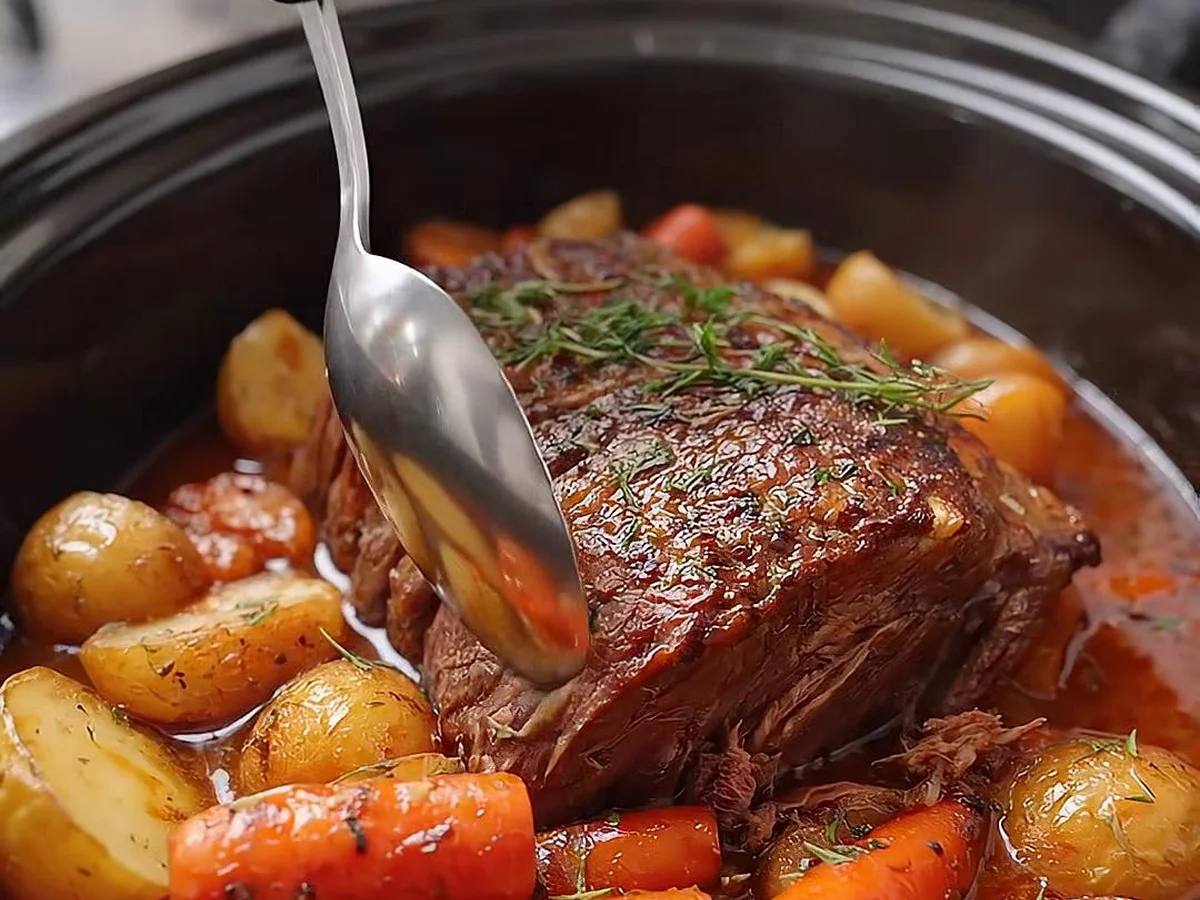
With the air turning crisp and the days growing shorter, there’s something extraordinarily comforting about a hearty pot roast simmering in the oven. The aroma of tender beef, root vegetables, and a medley of herbs gently wafting through your home is like a warm embrace on a chilly evening. Pot roast, a beloved classic, has earned its rightful place in dinner tables across generations, known not only for its robust flavors but also for being the ultimate comfort food. As the beef slowly braises, it transforms from a tough cut of meat into a tender, fall-apart masterpiece, while the vegetables absorb all the rich, luscious juices. Every bite is an invitation to indulge in nostalgia, family gatherings, and the sheer satisfaction of a well-cooked meal.
This dish is a glorious amalgamation of textures and flavors: the savory depth of the beef, combined with the sweet earthiness of carrots and the heartiness of potatoes, makes for a well-balanced and fulfilling meal. Whether shared with loved ones or savored during a solitary night in, pot roast connects us to the roots of home cooking, reminding us of the richness of simplicity. Let’s dive deeper into this culinary tradition that warms hearts and fills bellies.
The Origins and History
The history of pot roast can be traced back generations, its roots embedded deeply in the rustic kitchens of Europe, namely in places like France and Germany. The technique of braising—cooking meat slowly with moisture—represents a way to transform tougher cuts of beef into tender, flavor-rich dishes. This cooking method was not only practical for using less expensive cuts of meat but also created a communal experience around the dining table. In America, pot roast became an emblem of family meals, especially in the Midwest, where large portions satisfied hearty appetites. It was often enjoyed during weekends or special occasions, making it a staple in many households.
Over time, variations have emerged worldwide, incorporating regional spices and vegetables. In essence, pot roast is a universal dish; its concept is adaptable and continually evolving, preserving the tradition of gathering people around food. As society moves forward, the pot roast remains a nostalgic tie to a simpler time when families found joy in togetherness over a warm meal.
Why You Will Absolutely Love This Recipe
- Flavor Profile: Each ingredient complements the others, creating a harmonious blend of savory, sweet, and umami flavors, making your taste buds dance.
- Ease of Preparation: With minimal prep time and straightforward cooking methods, even novice cooks can master this dish.
- Crowd-Pleaser: This hearty dish is perfect for family gatherings or dinner parties, appealing to all ages, from the pickiest of eaters to adventurous palates.
- Leftovers Galore: One of the best features—pot roast often tastes even better the next day, making for delicious sandwiches or a quick reheat meal after a busy day.
Deep Dive into the Ingredients
The success of your pot roast lies in the quality of the ingredients you select. Let’s explore the star players in this dish:
- Beef Chuck Roast (1.5 kg): Known for its rich flavor and desirable fat content, chuck roast is perfect for slow cooking. The marbled fat melts during the braising process, tenderizing the meat while infusing the dish with deep flavor. Look for a cut with good marbling but avoid excessive fat, which can make the dish greasy. If chuck isn’t available, you can choose brisket or round; though the texture and flavor profile will shift slightly.
- Potatoes (4 medium): Nothing beats the comfort of potatoes in a pot roast. Their starchy goodness absorbs the cooking liquid, transforming into creamy bites that contrast beautifully with the beef. Yukon Gold or Russet potatoes are recommended for their robust flavor and texture. If you want to reduce carbohydrates, consider using cauliflower or parsnips as substitutions.
- Carrots (4 large): Their natural sweetness balances the richness of the beef. Carrots hold up well during the long cooking process, adding not just flavor but color as well. Opt for fresh, vibrant carrots for maximum taste; baby carrots, while convenient, lack the same depth.
- Onion (1 large): The diced onion serves as the aromatic base, bringing depth and sweetness. Yellow onions work wonderfully, but you could also use shallots for a more delicate flavor.
- Garlic (4 cloves): Minced garlic provides a punch of flavor and complements the savory notes of the roast. Fresh garlic is paramount here—avoid pre-minced options for the best results!
- Beef Broth (2 cups): This liquid magic helps to tenderize the meat while creating a rich sauce. You can use homemade broth for an artisan touch or store-bought, ensuring it’s low-sodium to control the salt level in your dish.
- Tomato Paste (1 tablespoon): Just a tablespoon enhances the savory notes and adds a umami quality. Feel free to substitute with a splash of Worcestershire sauce if tomato paste is unavailable.
Pro Tips for Perfect Results
Crafting the perfect pot roast takes a bit of technique. Here are some tips to ensure you elevate your dish from good to great:
- Searing the Meat: Begin by searing your beef on all sides in a hot pan with a little oil. This step locks in juices and adds a beautiful caramelized color, enhancing the final flavor immensely.
- Layering Flavors: Build your flavor by adding onions, garlic, and carrots to the pot after searing the beef. Sauté them briefly to release their aromatic oils before adding liquids; this layering enriches the overall taste.
- Low and Slow Cooking: Maintain a low temperature to ensure the meat fibers gradually break down. Cook it uncovered at 325°F (about 160°C) for a richer result, or opt for covered cooking in a slow cooker for nine hours on low.
- Resting the Meat: Don’t forget to allow the pot roast to rest for at least 15 minutes after cooking. This waiting period lets the juices redistribute, preventing them from leaking out when you slice.
Serving and Pairing Suggestions
When it comes to side dishes, the classic route involves pairing pot roast with buttery mashed potatoes or a tangy coleslaw. However, you can also consider serving it with duck-fat roasted potatoes for added richness, or a fresh green salad to balance the richness of the roast. For beverages, a robust red wine like Cabernet Sauvignon or a light, fruity Zinfandel will complement the flavors beautifully. This dish shines during family dinners, holidays, or potlucks, where togetherness and good company fill the air.
Storage, Freezing, and Reheating
Leftover pot roast can be a boon for the busy week ahead. Ensure that the roast cools down to room temperature before refrigerating it in an airtight container, where it will keep for about 3-4 days. For longer storage, consider freezing individual portions, which can easily last up to 3 months. When you’re ready to enjoy it again, thaw the roast in the refrigerator overnight, and reheat gently on the stovetop or in the oven until warmed through.
Frequently Asked Questions (FAQ)
Can I use other cuts of beef? Absolutely! While chuck roast is ideal due to its marbling, you can also use brisket or round. Just keep in mind that cooking times may vary based on the cut.
Do I have to use beef broth? While beef broth adds a depth of flavor, you can substitute it with vegetable broth for a lighter dish, though the flavor will change.
Can I add other vegetables? Definitely! Potatoes and carrots are traditional, but you can also include turnips, parsnips, or mushrooms for variation.
Why is my pot roast tough? A tough pot roast typically indicates insufficient cooking time or temperature. Ensure you’re cooking at low heat and for enough hours for the collagen to break down.
Can I cook pot roast in a slow cooker? Yes! Pot roast adapts beautifully to slow cooker methods. Just follow the same initial steps of searing meat, then place it in the slow cooker with the other ingredients and let it cook on low for 8-10 hours.
Conclusion
In the world of comfort food, few dishes can compete with pot roast. Its rich history, comforting flavors, and exceptional ease of cooking make it an ideal choice for both seasoned chefs and kitchen novices alike. As you gather ingredients and prepare for this beautiful culinary journey, rest assured—you’re not just making a meal; you’re embracing a
The History of This Recipe
Pot roast with vegetables traces its roots back to ancient cooking traditions, where slow-cooking meats with seasonal vegetables was a common practice. This method not only made tougher cuts of meat tender but also infused the dish with rich flavors from the vegetables.
As culinary techniques evolved, particularly during the rise of home cooking in the 19th century, pot roast became a staple in American households. Families would gather around the table on Sundays, enjoying this hearty meal that symbolized comfort and togetherness.
The simplicity of pot roast with vegetables allowed for regional variations, with different herbs and ingredients reflecting local flavors. Over time, it transformed into a beloved dish that represents warmth and nostalgia for many across generations.
Pot Roast with Vegetables
INGREDIENTS
- 1.5 kg beef chuck roast
- 4 medium potatoes, chunked
- 4 large carrots, sliced
- 1 large onion, diced
- 4 cloves garlic, minced
- 2 cups beef broth
- 1 tablespoon tomato paste
INSTRUCTIONS
Preheat your oven to 160°C (325°F).
Heat the olive oil in a large, heavy-bottomed pot or Dutch oven over medium-high heat.
Season the chuck roast with salt and black pepper on all sides. Once the oil is hot, sear the roast for about 4-5 minutes on each side until it develops a nice golden-brown crust.
Remove the roast from the pot and set it aside on a plate.
In the same pot, add the diced onion and garlic. Sauté for about 2-3 minutes until the onion becomes translucent.
Stir in the tomato paste, dried thyme, and dried rosemary. Cook for an additional minute to release the flavors.
Pour in the beef broth and scrape up any browned bits from the bottom of the pot.
Return the chuck roast to the pot and add the chunked potatoes, sliced carrots, and bay leaves around the meat.
Bring the liquid to a simmer, then cover the pot with a lid and transfer it to the preheated oven.
Cook for 3 to 4 hours, or until the meat is tender and easily shreds with a fork.
Once done, remove the pot from the oven and let it rest for 10-15 minutes before serving.
Remove the bay leaves and garnish with fresh parsley if desired. Serve hot with the roasted vegetables.
Time & Calories:
Total time: Approximately 4 hours and 30 minutes (including preparation and cooking time)
Estimated calories per serving: 450-500 calories (depending on portion size)
NOTES
Enjoy your delicious homemade Pot Roast with Vegetables !