Introduction
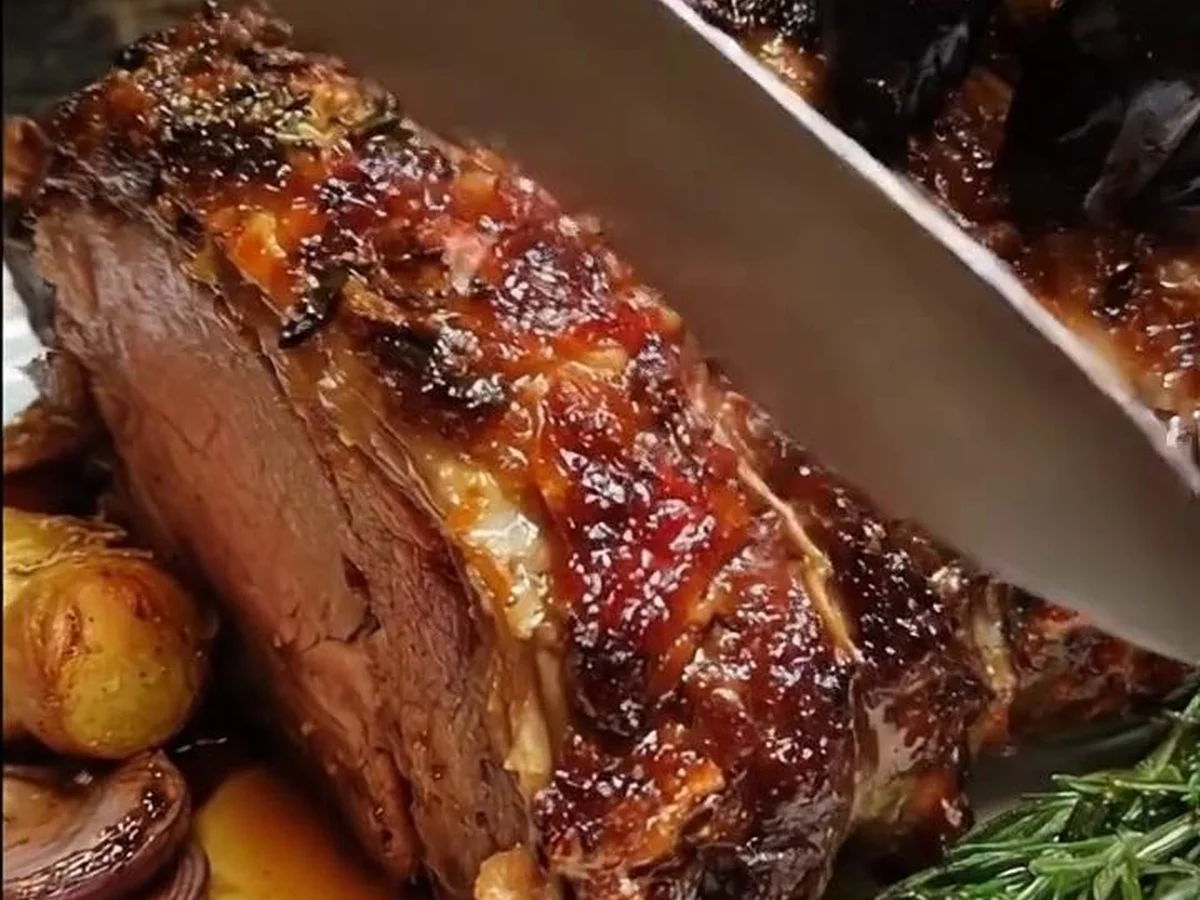
The standing rib roast, often referred to as prime rib, is the embodiment of the word “decadent.” Imagine a hefty, succulent cut of beef, beautifully marbled and sitting proudly on your dining table. As you slice into this glorious roast, the aroma envelops your senses—rich, meaty, and just slightly smoky from the searing process. Each slice reveals a tender, juicy interior that is resplendent in shades of pink, all the while surrounded by a perfectly crispy, seasoned crust. This is comfort food taken to a glorious extreme, an integral part of holiday feasting and celebratory gatherings across cultures. The standing rib roast is not just a dish; it is an experience—a centerpiece that sparks conversation and ignites the delight of shared moments. Whether it’s a special occasion or a humble Sunday dinner, preparing a standing rib roast elevates the culinary narrative of any meal, conjuring nerves and excitement that culminate in a glorious meal that tastes like the very essence of joy.
The Origins and History
The standing rib roast has a storied place in culinary history, tracing its roots back to the regal kitchens of England, where it was a staple for Sunday dinners and festive celebrations. Its origins can be linked to the Norman influence on British diet after the 1066 invasion, merging French culinary traditions with local fare. The art of cooking meat to perfection, especially during feasts, evoked a certain nobility and sophistication. But the rib roast became inherently American when it found its way across the Atlantic and transformed into a quintessential component of holiday celebrations. In the American culture of the 19th and 20th centuries, the rib roast has taken on a meaning of wealth and prosperity, often served during significant gatherings and markers of social standing. It embodies not just a dish but a tradition—rich in history and shared memories among families and friends, invoking warmth and nostalgia.
Why You Will Absolutely Love This Recipe
- Flavor Profile: The standing rib roast is renowned for its savory, rich flavor. The perfect blend of marbling and roasting techniques creates an unparalleled taste that’s both decadent and comforting.
- Ease of Preparation: While the majestic appearance may suggest complexity, this recipe is straightforward and achievable, making it accessible for both novice and experienced cooks.
- Crowd-Pleaser: With its impressive presentation and exceptional flavor, a standing rib roast is guaranteed to wow your guests, making it a favorite for gatherings and celebrations.
- Delicious Leftovers: The well-cooked rib roast makes for incredible leftovers, whether sliced for sandwiches, served with a homemade gravy, or even repurposed in a hearty salad.
Deep Dive into the Ingredients
At the heart of a perfect standing rib roast are its fundamental ingredients, each selected with purpose and intention:
- Beef (6–8 pounds standing rib roast, bone-in): The choice of a bone-in rib roast is essential; the bones not only add flavor as they roast but also help retain moisture, making the meat incredibly tender. Look for a roast with good marbling—intramuscular fat that melts during cooking, ensuring a juicy result.
- Kosher Salt: This type of salt is preferred for its texture and flavor-enhancing properties. It adheres better to the meat and draws out moisture, concentrating the beef’s natural flavors through brining.
- Freshly Ground Black Pepper: Freshly ground pepper elevates flavor far beyond pre-ground varieties. Its bold fragrance and nuanced heat are crucial for creating a well-rounded crust that complements the beef’s natural richness.
- Olive Oil: While many recipes suggest butter for searing, olive oil’s high smoke point makes it a fantastic choice for the initial searing of the roast, achieving that beautifully brown crust without burning.
For those looking to experiment, consider alternatives: if you prefer grass-fed beef, it can offer a more robust flavor; or for a gourmet twist, use herb-infused oils for searing. Always keep the focus on quality—the best standing rib roast starts with the best ingredients.
Pro Tips for Perfect Results
To achieve the perfect standing rib roast, adhere to these critical tips:
- Searing: Start by bringing the roast to room temperature before cooking; this helps in achieving even cooking throughout. Sear the roast over medium-high heat in a hot pan briefly on all sides to develop a crust—this locks in moisture and flavor.
- Temperature Accuracy: Use a reliable meat thermometer to check for doneness. Your goal should be about 130°F for medium-rare or 140°F for medium. Remember, the roast will continue cooking slightly as it rests.
- Resting Time: After cooking, let the roast rest for 20 to 30 minutes before carving. This crucial step allows the juices to redistribute throughout the meat, ensuring each slice remains juicy and tender.
- Season Generously: Don’t be shy with the salt and pepper! A well-seasoned crust adds depth of flavor and enhances the overall tasting experience.
Serving and Pairing Suggestions
Your perfected standing rib roast deserves equally fabulous companions. Serve it with traditional sides such as creamy horseradish sauce, buttery mashed potatoes, or a vibrant seasonal vegetable medley. Pair with a robust red wine like Cabernet Sauvignon or Malbec to counterbalance the richness of the beef. If you’re celebrating a holiday or special occasion, consider incorporating a stunning winter salad featuring tart cranberries or a rich beef bourguignon for a sumptuous start to the meal.
Storage, Freezing, and Reheating
If you happen to have leftovers (which is often a delightful problem), store the roast in an airtight container in the refrigerator for up to 4 days. For longer-term storage, slice the roast and wrap it tightly in plastic wrap before placing it in a freezer-safe bag; it can last in the freezer for up to 6 months. When reheating, avoid using the microwave, as it will dry out the meat. Instead, use an oven set to low heat (around 250°F) until warmed through, preserving the roast’s tenderness.
Frequently Asked Questions (FAQ)
- Can I cook a standing rib roast in a slow cooker?
While a slow cooker can prepare cuts of meat well, it is not ideal for a standing rib roast, which benefits from high oven temperatures for optimal crust development. - Is it necessary to sear the roast before roasting?
Yes, searing caramelizes the meat and enhances flavors significantly. It creates a beautiful crust and locks in moisture, elevating your roast’s overall quality. - How do I know when my standing rib roast is done?
Using a meat thermometer is key. Aim for the lower end of your desired doneness range, keeping in mind that the internal temperature will rise slightly as the roast rests. - What is the best way to slice a standing rib roast?
Always slice against the grain to ensure tender pieces. Start from one end and carve straight down to maintain a consistent thickness in each slice.
Conclusion
As you embark on your culinary journey to create the perfect standing rib roast, remember that the process is as rewarding as the result. Celebrate the flavors, the techniques, and the connections made through shared meals. This roast is more than merely a dish; it is a celebration of skill, history, and joyous gatherings.
Simple Recipe Version
Perfect Standing Rib Roast Ingredients: – 6–8 pounds standing rib roast (beef, bone-in) – Kosher salt – Freshly ground black pepper – Optional: garlic cloves, fresh rosemary, or thyme for additional flavor – Olive oil (for searing) Instructions: 1. Preheat your oven to 450°F (230°C). 2. Remove the standing rib roast from the refrigerator and let it sit at room temperature for about 1 hour. This allows the meat to cook more evenly. 3. Pat the roast dry with paper towels. This helps to achieve a nice crust when roasting. 4. Season the roast generously with kosher salt and freshly ground black pepper on all sides. If desired, insert slivers of garlic into small cuts in the meat and sprinkle with rosemary or thyme for extra flavor. 5. In a large, oven-safe skillet or roasting pan, heat a small amount of olive oil over medium-high heat. Once hot, sear the roast on all sides until browned, about 2-3 minutes per side. This step is optional but adds flavor. 6. Place the roast bone-side down in the skillet or pan if you haven’t already. Insert a meat thermometer into the thickest part of the meat, ensuring it doesn’t touch the bone. 7. Roast in the preheated oven for 15-20 minutes to develop a crust. 8. After 15-20 minutes, reduce the oven temperature to 325°F (165°C). Continue roasting until the internal temperature reaches your desired doneness: – 120°F (49°C) for rare – 130°F (54°C) for medium-rare – 140°F (60°C) for medium – 150°F (65°C) for medium-well – 160°F (71°C) for well-done (note that the internal temperature will rise a few degrees while resting). 9. Once desired doneness is reached, remove the roast from the oven and transfer it to a cutting board. Tent with aluminum foil and let it rest for at least 20-30 minutes. This allows the juices to redistribute throughout the meat. 10. After resting, carve the roast into thick slices and serve with your favorite sides and sauces. Time & Calories: – Total Time: Approximately 3 hours (including prep and resting time) – Calories: Approximately 800 calories per serving (this can vary based on sides and portion size)
Perfect Standing Rib Roast
INGREDIENTS
- 6–8 pounds standing rib roast (beef, bone-in)
- Kosher salt
- Freshly ground black pepper
- Olive oil (for searing)
INSTRUCTIONS
Preheat your oven to 450°F (230°C).
Remove the standing rib roast from the refrigerator and let it sit at room temperature for about 1 hour. This allows the meat to cook more evenly.
Pat the roast dry with paper towels. This helps to achieve a nice crust when roasting.
Season the roast generously with kosher salt and freshly ground black pepper on all sides. If desired, insert slivers of garlic into small cuts in the meat and sprinkle with rosemary or thyme for extra flavor.
In a large, oven-safe skillet or roasting pan, heat a small amount of olive oil over medium-high heat. Once hot, sear the roast on all sides until browned, about 2-3 minutes per side. This step is optional but adds flavor.
Place the roast bone-side down in the skillet or pan if you haven’t already. Insert a meat thermometer into the thickest part of the meat, ensuring it doesn’t touch the bone.
Roast in the preheated oven for 15-20 minutes to develop a crust.
After 15-20 minutes, reduce the oven temperature to 325°F (165°C). Continue roasting until the internal temperature reaches your desired doneness:
120°F (49°C) for rare
130°F (54°C) for medium-rare
140°F (60°C) for medium
150°F (65°C) for medium-well
160°F (71°C) for well-done (note that the internal temperature will rise a few degrees while resting).
Once desired doneness is reached, remove the roast from the oven and transfer it to a cutting board. Tent with aluminum foil and let it rest for at least 20-30 minutes. This allows the juices to redistribute throughout the meat.
After resting, carve the roast into thick slices and serve with your favorite sides and sauces.
Time & Calories:
Total Time: Approximately 3 hours (including prep and resting time)
Calories: Approximately 800 calories per serving (this can vary based on sides and portion size)
NOTES
Enjoy your delicious homemade Perfect Standing Rib Roast !