Introduction
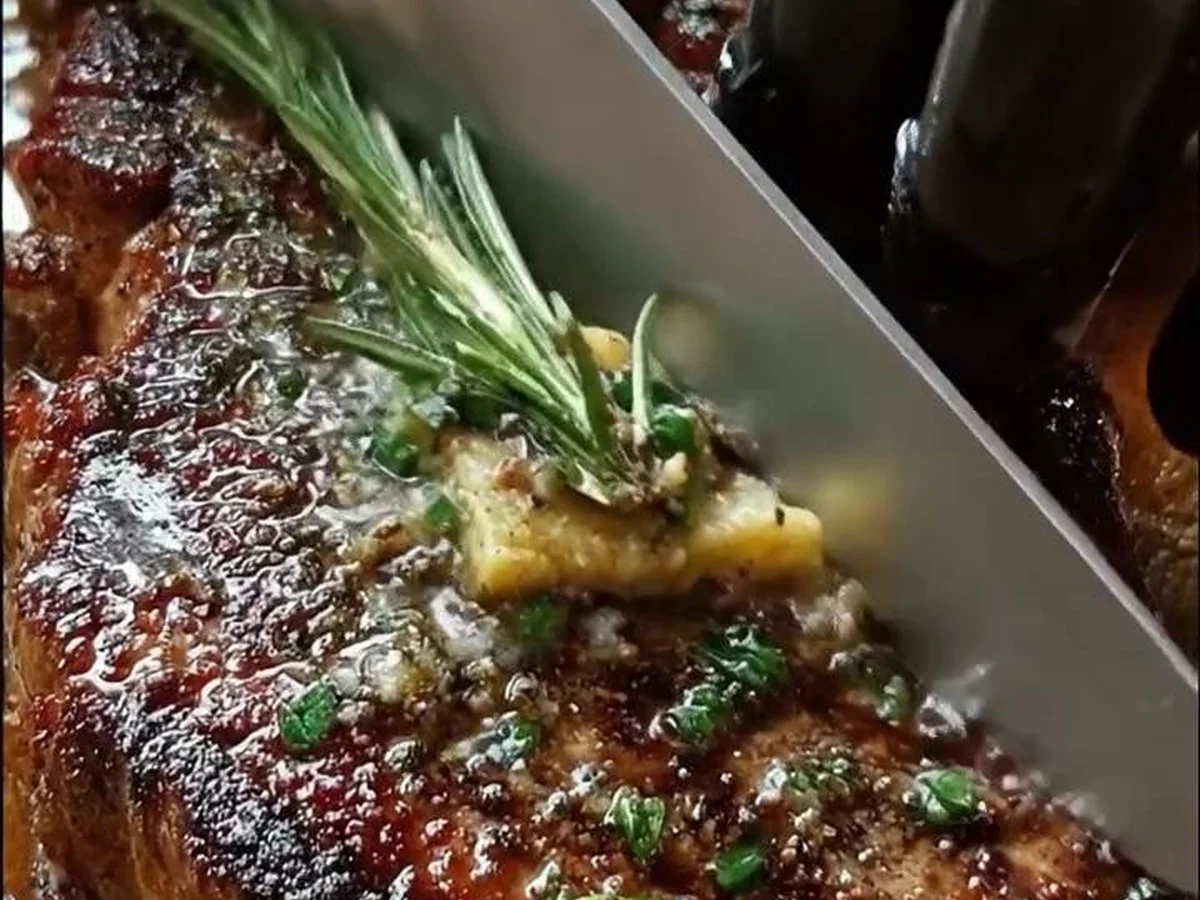
There’s something undeniably intoxicating about the aroma of a perfectly cooked ribeye steak sizzling on a hot grill or pan. Whether you’re hosting a summer barbecue or preparing a cozy dinner at home, the ribeye steak is a beloved centerpiece that never fails to impress. With its marbled fat distribution melting into each tender bite, this cut delivers a lush, rich flavor that’s truly comforting. As something that transcends age and cuisine, ribeye holds a special place in the hearts of many food lovers around the world. The experience of indulging in a slice of ribeye—hearing that satisfying sear and relishing the tender juiciness—is a gastronomic affair that lingers long after the last bite.
Join me as we explore everything about this culinary gem, from its intriguing history to tips on achieving the ultimate steak perfection. Allow your senses to be tantalized as we delve deeper into what makes the ribeye more than just an ordinary meal; it is an experience steeped in passion, culture, and unforgettable taste.
The Origins and History
The ribeye steak, also known as the rib steak, has roots that trace back to the early days of butchery and cattle farming. Originating primarily from beef cattle, this cut comes from the rib primal section, which is located between the chuck and the loin. Historical evidence showcases that this section of meat has been favored since ancient times due to its tenderness and rich flavor, resulting from the well-distributed marbling.
As meat consumption trends have evolved, so too has the ribeye’s popularity. In countries like Argentina and Brazil, grilling ribs is a time-honored tradition, with families passing down secrets of preparation and seasoning through generations. In the U.S., the ribeye steak has become synonymous with steakhouse culture, frequently celebrated for its texture and juiciness that appeals to a wide audience. Such cultural significance reflects not just culinary preferences but also the warmth of communal dining experiences, centered around a sumptuous ribeye steak.
Why You Will Absolutely Love This Recipe
- Rich Flavor Profile: The marbling in ribeye contributes to a luscious flavor, enhanced by the stunning caramelization from searing.
- Ease of Preparation: Minimal ingredients and technique mean you can cook up a restaurant-quality steak in the comfort of your kitchen.
- Crowd-Pleaser: Whether for a special occasion or a weeknight dinner, ribeye appeals to meat lovers and makes every meal special.
- Leftovers Galore: Steak is versatile; leftover ribeye can be transformed into a myriad of dishes, from steak salads to luscious tacos.
Deep Dive into the Ingredients
Understanding the ingredients is essential to mastering the art of cooking the perfect ribeye steak:
- Ribeye Steaks: Opt for well-marbled boneless ribeye steaks, which allow the crispy outer crust to envelop a juicy center. Protein science confirms that the intramuscular fat (marbling) melts during cooking, creating that coveted flavor and tenderness.
- Olive Oil: This golden oil cold presses best, adding depth to the steak. It also raises the smoke point for searing and aids in flavor integrity while cooking.
- Kosher Salt: Unlike table salt, kosher salt has larger crystals, making it perfect for seasoning. Its delicate texture ensures even coverage, resulting in a savory crust that doesn’t over-salt.
- Freshly Ground Black Pepper: The bright, aromatic spice enhances the ribeye’s natural flavors. Grinding fresh offers a more robust flavor profile than pre-ground varieties.
- Garlic: Smashed garlic cloves can be added to infuse the cooking fat, lending an alluring aroma and subtle taste that works well with steak.
- Fresh Herbs: Rosemary and thyme perfectly complement the ribeye, adding an aromatic flair through garnishing or during the cooking process.
- Butter: Using butter in the final stages of cooking enriches flavor and delivers a silky finish, heightening the decadence of the dish.
Pro Tips for Perfect Results
Cooking the perfect ribeye steak involves some technical finesse:
- Ensure Ideal Temperature: Bring your steak to room temperature before cooking. This step ensures even cooking throughout, avoiding a charred exterior with a cold, undercooked center.
- Sear for Success: A high heat is pivotal. Preheat your pan or grill for several minutes; you’re aiming for that hot sear that creates a crispy crust, maximizing flavor via the Maillard reaction.
- Don’t Overcrowd the Pan: If cooking multiple steaks, cook them one or two at a time to maintain high heat; overcrowding cools the cooking surface and results in steaming, not searing.
- Use a Meat Thermometer: For perfect doneness, employ a meat thermometer. Aim for 130°F (54°C) for medium-rare, and adjust as desired.
- Let it Rest: Once cooked, always rest the steak for at least 5-10 minutes. This allows juices to redistribute, ensuring each bite is juicy and flavorful.
Serving and Pairing Suggestions
Elevate your ribeye with stunning accompaniments:
- Classic Side Dishes: Consider pairing your ribeye with creamy mashed potatoes, crispy Brussels sprouts, or a fresh arugula salad.
- Wine Pairing: Bold red wines like Cabernet Sauvignon or Malbec beautifully complement the richness of the ribeye.
- Occasions: Perfect for special occasions like anniversaries or holiday dinners, or as a comforting weeknight indulgence.
Storage, Freezing, and Reheating
To keep your leftover ribeye fresh:
- Storage: Wrap the steak tightly in foil or place it in an airtight container, refrigerating it within two hours of cooking. Properly stored, it can last up to three days.
- Freezing: For longer-term storage, freezing is key. Ensure the steak is wrapped securely to prevent freezer burn. Thaw in the refrigerator before reheating for best results.
- Reheating: Gently reheat in a skillet over low heat or in the oven at low temperatures to maintain moisture and tenderness.
Frequently Asked Questions (FAQ)
- Can I use other cuts of beef instead of ribeye? While ribeye is recommended for its flavor and tenderness, cuts like sirloin or New York strip can work, though they might not offer the same richness.
- Should I dry brine my steak before cooking? Dry brining can enhance flavor and tenderness. Apply kosher salt and let it rest for about an hour to achieve an even seasoning.
- What’s the best way to know when my ribeye is done? Using a meat thermometer is the most reliable way. Trust your thermometer over timing for precision.
- Can I cook ribeye in the oven? Yes! Start by searing on the stovetop and finish cooking in a preheated oven at 400°F (200°C) to achieve even doneness.
- What’s the difference between bone-in and boneless ribeye? Bone-in ribeye has a richer flavor due to the bone and may take slightly longer to cook. Both options are delicious!
Conclusion
Cooking the perfect ribeye steak is not merely about following a recipe; it’s a celebration of flavor, texture, and culinary artistry. You owe it to yourself to indulge in this robust dish, whether on a special occasion or simply to treat yourself. With practice, the techniques and flavors will become second nature to you, turning every meal into a special event. So fire up that grill or skillet and embrace the art of creating your perfect ribeye steak!
Simple Recipe Version
Perfect Ribeye Steak Ingredients: – 2 boneless ribeye steaks – 2 tablespoons olive oil – 2 teaspoons kosher salt – Freshly ground black pepper (to taste) – 2 cloves garlic (smashed, optional) – Fresh herbs (such as rosemary or thyme, for garnish, optional) – 2 tablespoons butter (optional, for finishing) Instructions: 1. Take the ribeye steaks out of the refrigerator and let them come to room temperature for about 30-45 minutes before cooking. This helps them cook more evenly. 2. Preheat your grill or a cast-iron skillet over medium-high heat. If using a skillet, add 1 tablespoon of olive oil and allow it to heat until shimmering. 3. Pat the steaks dry with paper towels and season generously with kosher salt and freshly ground black pepper on both sides. 4. If you are using garlic and herbs, you can add them to the skillet once the oil is hot. 5. Carefully place the ribeye steaks in the skillet or on the grill. Sear the steaks for about 4-5 minutes on one side without moving them. This will create a beautiful crust. 6. Flip the steaks and cook on the other side for another 4-5 minutes for medium-rare doneness, adjusting the time depending on your desired level of doneness (3-4 minutes for rare, 5-6 minutes for medium). 7. If you choose to use butter, add 2 tablespoons to the skillet during the last minute of cooking. Spoon the melted butter over the steaks as they finish cooking to enhance flavor and juiciness. 8. Once cooked to your liking, remove the steaks from heat and let them rest on a cutting board for at least 5 minutes. This allows the juices to redistribute. 9. Slice against the grain and serve garnished with fresh herbs if desired. Time & Calories – Total Time: 1 hour (including resting time) – Calories: Approximately 600-800 calories per steak (depending on the size and any added butter).
Perfect Ribeye Steak
INGREDIENTS
- 2 boneless ribeye steaks
- 2 tablespoons olive oil
- 2 teaspoons kosher salt
- Freshly ground black pepper (to taste)
- 2 cloves garlic (smashed, optional)
- Fresh herbs (such as rosemary or thyme, for garnish, optional)
- 2 tablespoons butter (optional, for finishing)
INSTRUCTIONS
Take the ribeye steaks out of the refrigerator and let them come to room temperature for about 30-45 minutes before cooking. This helps them cook more evenly.
Preheat your grill or a cast-iron skillet over medium-high heat. If using a skillet, add 1 tablespoon of olive oil and allow it to heat until shimmering.
Pat the steaks dry with paper towels and season generously with kosher salt and freshly ground black pepper on both sides.
If you are using garlic and herbs, you can add them to the skillet once the oil is hot.
Carefully place the ribeye steaks in the skillet or on the grill. Sear the steaks for about 4-5 minutes on one side without moving them. This will create a beautiful crust.
Flip the steaks and cook on the other side for another 4-5 minutes for medium-rare doneness, adjusting the time depending on your desired level of doneness (3-4 minutes for rare, 5-6 minutes for medium).
If you choose to use butter, add 2 tablespoons to the skillet during the last minute of cooking. Spoon the melted butter over the steaks as they finish cooking to enhance flavor and juiciness.
Once cooked to your liking, remove the steaks from heat and let them rest on a cutting board for at least 5 minutes. This allows the juices to redistribute.
Slice against the grain and serve garnished with fresh herbs if desired.
Time & Calories
Total Time: 1 hour (including resting time)
Calories: Approximately 600-800 calories per steak (depending on the size and any added butter).
NOTES
Enjoy your delicious homemade Perfect Ribeye Steak !