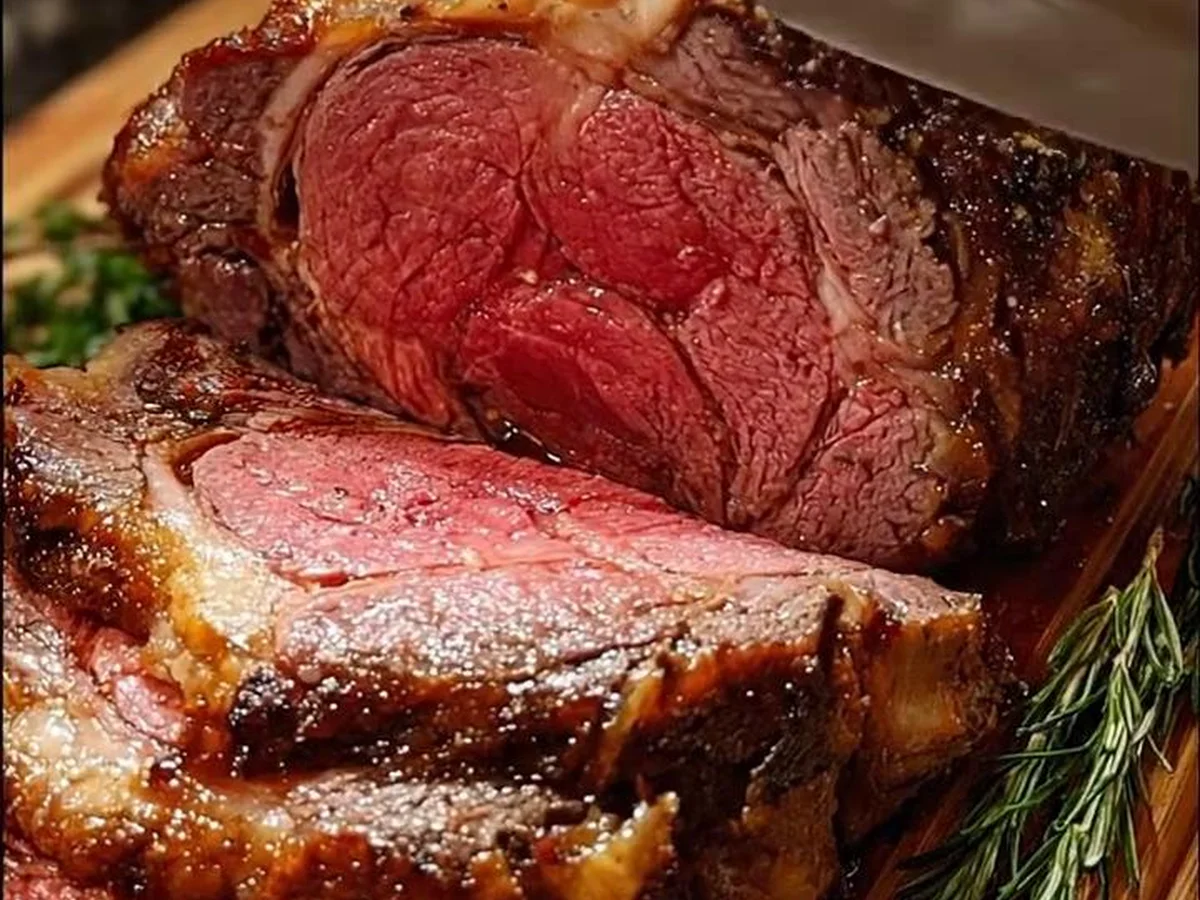
Perfect Prime Rib Roast: The Ultimate Comfort Dish
When it comes to comforting and enticing culinary experiences, few dishes exude the kind of allure or warmth that a perfectly prepared prime rib roast offers. Whether gracing the table for a festive holiday gathering or serving as the centerpiece for a cozy family Sunday dinner, prime rib roast stands tall as a symbol of indulgence, flavor, and nostalgia. The mere sight of this majestic cut, with its crusty herb-garlic exterior and succulent, juicy interior, elicits a symphony of aromas that fill your kitchen, mingling with the anticipation in the air. As it slowly roasts, the rich scent of beef caramelizes, mingling with the fresh herbal notes of rosemary and garlic, creating an unforgettable sensory experience that tantalizes every hungry guest. The textures are equally inviting: upon first bite, you’ll encounter a delightful juxtaposition between a savory crust and a melt-in-your-mouth interior. The robust flavor profile, marked by the natural richness of the beef, enhanced by coarse sea salt and fresh cracked pepper, transforms this mainstay into a masterpiece worth savoring. This cut, often celebrated for its tenderness and juiciness, is not just food; it’s an experience, a tradition, and, most importantly, an expression of love that beckons family and friends to gather and share in joyful conversation and laughter. In this blog post, we’ll embark on a detailed exploration of crafting the perfect prime rib roast, from its storied background to tips for impeccable results and everything in between.
The Origins and History
The prime rib roast, or standing rib roast, is a culinary treasure that has transcended time and cultures to become a staple in fine dining as well as home cooking. Originating from the rib section of the cow, this cut has roots deeply embedded in the British culinary tradition, where hearty fare prevailed during lavish Sunday roasts. Historically, the tradition of slow-roasting prime rib dates back to at least the 18th century, when families gathered in communal spaces to indulge in the sumptuous flavors of well-cooked beef paired with seasonal sides. As the dish migrated across the ocean, it found its way into American cuisine, where it adapted to regional tastes, becoming a go-to at steakhouses and festive family meals alike. The American obsession with a perfectly cooked prime rib continued to evolve with various cooking techniques and flavor profiles, often incorporating elements from diverse culinary traditions. Thus, prime rib isn’t just meat on a plate; it’s a global reflection of culture, celebration, festivity, and hearty family gatherings that transcend generations.
Why You Will Absolutely Love This Recipe
- Flavor Profile: The robust flavor of prime rib, perfectly complemented by fresh garlic and rosemary, creates a symphony of savory notes, elevating the mealtime experience.
- Ease of Preparation: With straightforward steps, even novice cooks can master the art of prime rib roasting with confidence.
- Crowd-Pleaser: This dish is universally loved; serving prime rib inevitably earns you accolades from guests, regardless of the occasion.
- Versatile Leftovers: Prime rib offers delicious leftover opportunities, whether in sandwiches, salads, or casseroles, ensuring no bite goes to waste.
- Visual Appeal: The majestic presentation of a prime rib roast garners attention and admiration, making it perfect for special gatherings.
Deep Dive into the Ingredients
The beauty of a prime rib roast lies not only in the cooking technique but also in the quality of ingredients used. Let’s break down the key components of our recipe to understand their significance:
- Prime Rib Roast (4 to 6 pounds): The star of the dish, select a well-marbled prime rib roast. This cut is renowned for its tenderness, flavor, and succulence, ensuring that each slice is an unforgettable experience. The term “prime” indicates that the meat meets specific quality grades set by the USDA, making it ideal for roasting. However, if you are on a budget, a choice grade roast can also yield excellent results with proper preparation.
- Coarse Sea Salt: Salt is essential for flavor enhancement and moisture retention. Coarse sea salt is preferred as its larger crystals adhere well to the meat’s surface and penetrate during cooking, imparting rich flavor while drawing out the natural juices.
- Fresh Black Pepper: Freshly cracked black pepper adds a punch of heat and aromatic fragrance, elevating the overall taste. It’s advisable to avoid pre-ground pepper, as freshness is key to maximizing flavor.
- Garlic (4 cloves, minced): Garlic infuses the prime rib with its unique aroma and flavor, bringing earthiness that beautifully complements the meat. Roasted garlic becomes sweet and caramelized, adding depth to the dish.
- Fresh Rosemary (2 tablespoons, chopped): Rosemary’s slightly piney flavor pairs exquisitely with beef and serves as a natural aromatic. Fresh herbs elevate the dish both visually and in taste, providing fragrant notes that enhance the dining experience.
- Olive Oil (2 tablespoons): Oil acts as a binding agent for the seasonings, allowing for even coating on the meat, while also contributing moisture and helping create a beautifully seared crust.
Pro Tips for Perfect Results
The path to a perfect prime rib roast involves precision and patience. Here are some technical tips to guide your work:
- Bring the Meat to Room Temperature: Prior to cooking, remove the prime rib from the refrigerator and allow it to reach room temperature, around 1–2 hours. This step ensures even cooking, avoiding a cold center while the exterior is overdone.
- Searing Matters: For a flavorful crust, sear the roast on all sides in a hot skillet with olive oil before transferring it to the oven. This caramelization enhances flavor complexity and locks in juices.
- Utilize a Meat Thermometer: Investing in a reliable meat thermometer is crucial. Aim for an internal temperature of 120°F for rare, 130°F for medium-rare, and 140°F for medium. Carryover cooking will also increase temperatures, so monitor carefully.
- Let It Rest: Post-cooking, allow the roast to rest for at least 20–30 minutes. This allows the juices to redistribute throughout the meat, ensuring succulent slices.
- Slice Against the Grain: To maintain tenderness, slice the roast against the grain. This technique shortens muscle fibers and makes each bite easier to chew.
Serving and Pairing Suggestions
A prime rib roast is versatile and pairs well with a variety of sides, making it suitable for any occasion. Classic accompaniments include rich sides like creamy mashed potatoes, roasted seasonal vegetables, or buttery Yorkshire puddings. For beverages, consider serving bold red wines, such as Cabernet Sauvignon or Malbec, which complement the dish’s robust flavor. Don’t shy away from enjoying it during special occasions, holiday feasts, or even a Sunday family dinner, where it brings a sense of celebration to the table.
Storage, Freezing, and Reheating
To ensure your prime rib roast remains delicious, follow these guidelines for storage. If you have leftovers, cool them promptly and wrap them tightly in plastic wrap or foil before placing them in the refrigerator. Consume within 3-4 days for optimal freshness. For longer storage, consider freezing slices or larger portions in airtight containers or freezer bags; they can typically be stored for up to 6 months. To reheat, avoid using high heat, which can dry the meat. Instead, use low heat in an oven, keeping it covered with foil, or return it to a warm skillet with a splash of beef broth to maintain moisture as it reheats.
Frequently Asked Questions (FAQ)
- How do I choose the perfect roast? Look for a well-marbled prime rib roast with a good mix of fat. The USDA grading system indicates that “prime” grade will provide the best flavor and texture, but choice grade can still offer excellent results.
- Can I cook this recipe in a slow cooker? While this recipe shines in the oven, slow-roasting is an option. Cook on low for several hours, monitoring the internal temperature to avoid overcooking.
- What if I’m not home for the cooking time? Planning is essential; prepping early in the day can allow you to set a timer or employ a thermometer with an alarm option. Alternatively, consider giving yourself ample time to ensure no rush during cooking.
- What should I serve with prime rib? Classic pairings include rich, creamy mashed potatoes, garlic buttery green beans, or hearty roasted root vegetables. A light salad can also balance the richness of the beef.
- Can I use dried herbs instead of fresh? While fresh herbs provide superior flavor and fragrance, dried herbs can be used in a pinch. Just remember, dried herbs are often more potent than fresh, so adjust the quantities accordingly.
Conclusion
Crafting the perfect prime rib roast is not only an accomplishment, but it also creates a memorable experience to revel in. With each slice serving up the flavors of tradition and the warmth of togetherness, you’ll be left with a dish that is as much about the joy it brings as it is about the rich flavors and textures. So, roll up your sleeves, gather your ingredients, and let the magic of your oven do the work!
Simple Recipe Version
Perfect Prime Rib Roast Ingredients: – 4 to 6-pound Prime Rib Roast – Coarse Sea Salt – Fresh Black Pepper – 4 cloves of Garlic, minced – 2 tablespoons Fresh Rosemary, chopped – 2 tablespoons Olive Oil Instructions: 1. Preheat your oven to 450°F (232°C). 2. In a small bowl, combine the minced garlic, fresh rosemary, olive oil, sea salt, and black pepper to create a paste. 3. Pat the prime rib roast dry with paper towels to remove any moisture. This helps in forming a crust. 4. Rub the garlic and rosemary paste all over the prime rib roast, ensuring it’s evenly coated on all sides. 5. Place the roast on a rack in a roasting pan, bone-side down if it has bones, ensuring that it’s not touching the bottom of the pan. 6. Roast in the preheated oven at 450°F (232°C) for 20 minutes to develop a nice crust. 7. After 20 minutes, reduce the oven temperature to 325°F (163°C) and continue cooking for an additional 1.5 to 2 hours, or until the internal temperature reaches your desired level of doneness (125°F for rare, 135°F for medium-rare, 145°F for medium). 8. For best results, use a meat thermometer to check the internal temperature. 9. Once done, remove the roast from the oven and tent it loosely with aluminum foil. Let it rest for at least 20-30 minutes before slicing. This allows the juices to redistribute throughout the meat. 10. Slice the prime rib roast against the grain and serve it with your favorite sides, such as au jus, horseradish sauce, or creamy mashed potatoes. Time & Calories: – Prep Time: 15 minutes – Cook Time: 2 hours (approximately) – Total Time: 2 hours 15 minutes – Servings: 8-10 – Approximate Calories per serving: 350-450 calories (varies based on specific cuts and preparations)
Perfect Prime Rib Roast
INGREDIENTS
- 4 to 6-pound Prime Rib Roast
- Coarse Sea Salt
- Fresh Black Pepper
- 4 cloves of Garlic, minced
- 2 tablespoons Fresh Rosemary, chopped
- 2 tablespoons Olive Oil
INSTRUCTIONS
Preheat your oven to 450°F (232°C).
In a small bowl, combine the minced garlic, fresh rosemary, olive oil, sea salt, and black pepper to create a paste.
Pat the prime rib roast dry with paper towels to remove any moisture. This helps in forming a crust.
Rub the garlic and rosemary paste all over the prime rib roast, ensuring it’s evenly coated on all sides.
Place the roast on a rack in a roasting pan, bone-side down if it has bones, ensuring that it’s not touching the bottom of the pan.
Roast in the preheated oven at 450°F (232°C) for 20 minutes to develop a nice crust.
After 20 minutes, reduce the oven temperature to 325°F (163°C) and continue cooking for an additional 1.5 to 2 hours, or until the internal temperature reaches your desired level of doneness (125°F for rare, 135°F for medium-rare, 145°F for medium).
For best results, use a meat thermometer to check the internal temperature.
Once done, remove the roast from the oven and tent it loosely with aluminum foil. Let it rest for at least 20-30 minutes before slicing. This allows the juices to redistribute throughout the meat.
Slice the prime rib roast against the grain and serve it with your favorite sides, such as au jus, horseradish sauce, or creamy mashed potatoes.
Time & Calories:
Prep Time: 15 minutes
Cook Time: 2 hours (approximately)
Total Time: 2 hours 15 minutes
Servings: 8-10
Approximate Calories per serving: 350-450 calories (varies based on specific cuts and preparations)
NOTES
Enjoy your delicious homemade Perfect Prime Rib Roast !