Introduction
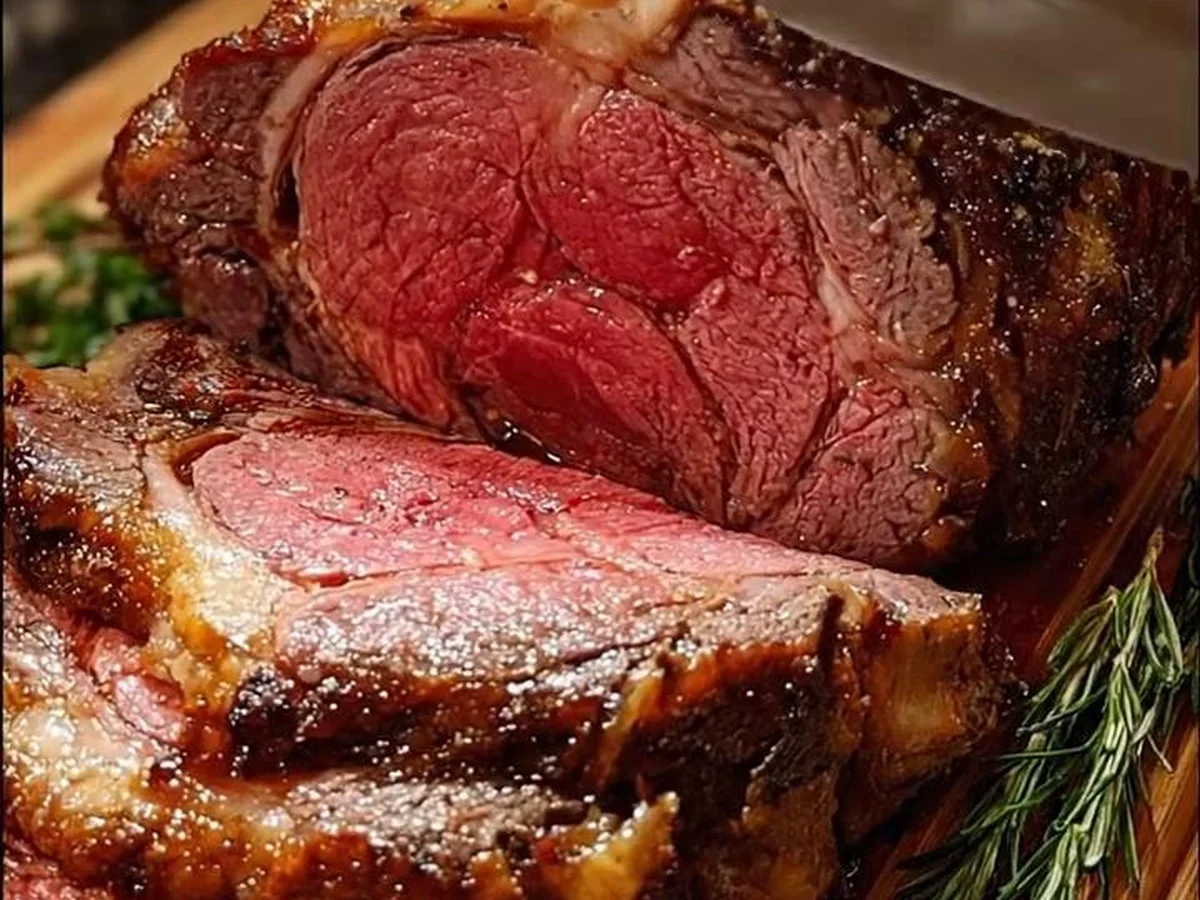
Nothing speaks to the heart and soul of the dining experience quite like a Perfect Prime Rib Roast. This exquisite dish has captivated taste buds for generations, transforming any meal into a grand occasion. The mere thought of sliding a perfectly roasted, succulent piece of prime rib onto your plate brings comfort and joy, reminiscent of cherished family gatherings and festive celebrations. Imagine the rich aroma filling your home as the roast slowly cooks to perfection, its seared crust enveloping a warm, juicy interior. The first slice reveals a stunning gradient of pink and red, inviting your senses to indulge in the tender, melt-in-your-mouth goodness that awaits. Each bite elicits a symphony of flavors, perfectly balanced by the aromatic herbs and spices, making it a celebrated centerpiece for any special dinner.
Whether it’s a holiday feast, an intimate family gathering, or an impressive dinner for friends, the Prime Rib Roast is not only a display of culinary prowess but also a comforting reminder of life’s simple pleasures. Join me as we delve into the rich origins, secrets, and techniques of achieving the perfect Prime Rib Roast that will leave your guests raving and your heart full.
The Origins and History
The Prime Rib Roast boasts a history as rich as its flavor. Often linked with festive occasions, this dish has its roots in the culinary traditions of ancient Europe. As livestock farming became central to agrarian societies, the rib section of the cow became increasingly popular, particularly in Britain. The term “prime” refers to the quality grading of the beef, where ‘prime’ beef comes from young, well-fed cattle, which ensures tenderness and marbling—qualities that define an impeccable roast. The dish was adored not just for its taste, but as a symbol of prosperity and abundance in times gone by.
In the United States, the Prime Rib Roast has solidified its place within the pantheon of traditional American cuisine, particularly during the holidays. Its essence has evolved to become synonymous with gatherings around the dining table, where stories are shared, laughter echoes, and memories are made. From its humble beginnings to a culinary masterpiece, the Prime Rib Roast remains a go-to choice for those looking to celebrate life’s special moments.
Why You Will Absolutely Love This Recipe
- Flavor Profile: The combination of rich, beefy flavor with herbs like fresh rosemary and thyme creates an unparalleled depth of taste.
- Ease of Preparation: With simple ingredients and straightforward techniques, this recipe can be mastered with minimal effort.
- Crowd-Pleaser: A perfectly cooked Prime Rib Roast is almost universally loved, making it an excellent choice for entertaining.
- Leftovers Galore: The roast offers delicious leftovers, perfect for sandwiches, salads, or even stir-fries the next day.
Deep Dive into the Ingredients
The foundation of a Perfect Prime Rib Roast lies in its quality ingredients. Let’s explore why each element is crucial to creating a memorable dish:
- Prime Rib Roast (4 to 6-pound): This cut is chosen for its exceptional tenderness and flavor. Look for a well-marbled piece, as the intramuscular fat promotes juiciness and flavor richness.
- Coarse Sea Salt: Harnessing the power of sea salt elevates your seasoning game. Coarse salt enhances the meat’s natural flavor and creates a delectable crust when roasted.
- Freshly Ground Black Pepper: Sourcing freshly ground pepper as opposed to pre-ground options brings a robust heat that enhances every bite of beef, infusing the roast with an aromatic kick.
- Garlic: Minced garlic adds pungent depth and a fragrant note to the flavor profile, complementing the richness of the beef beautifully.
- Olive Oil: This acts as a binding agent for the herbs and spices, helping them adhere to the meat and creating a moist surface for roasting.
- Fresh Rosemary and Thyme: These robust herbs introduce an earthy aroma and flavor, enhancing the overall experience without overpowering the meat’s natural taste. Their freshness is key—dried herbs simply won’t deliver the same vibrancy.
Substitutions can be made with care. If fresh herbs are unavailable, dried variants can work in a pinch, but use about half the amount to avoid overpowering the dish. For those seeking variety, different cuts of beef like ribeye or sirloin may also be used; however, the Prime Rib Roast truly reigns supreme for gatherings.
Pro Tips for Perfect Results
Achieving the Perfect Prime Rib Roast requires a few technical tips that can elevate the outcome to restaurant-level quality:
- Searing: Begin with searing the surface of the roast at a high temperature in your oven or stovetop. This process caramelizes the meat and forms a delicious crust, locking in moisture.
- Temperature Control: Invest in a reliable meat thermometer to track the internal temperature accurately. Aim for 130°F for medium-rare and 145°F for medium doneness. Pull the roast out of the oven a few degrees lower than your target, as the temperature will continue to rise while resting.
- Resting the Meat: Make sure to allow the roast to rest for at least 20 to 30 minutes post-cooking. This step allows the juices to redistribute, resulting in a moist, tender slice every time.
- Herb Rub: Don’t skimp on the olive oil and herbs! A generous rub ensures even seasoning and an aromatic crust.
Serving and Pairing Suggestions
A Prime Rib Roast is a meal on its own, but it’s also wonderful to enhance your dining experience with thoughtful side dishes and beverages. Consider serving:
- Garlic Mashed Potatoes or creamy Au Gratin Potatoes
- Roasted Seasonal Vegetables for a colorful, healthy balance
- Creamy Horseradish Sauce for an added kick
- A bold red wine, such as Cabernet Sauvignon or Malbec, complements the richness of the roast beautifully.
This dish is perfect for Christmas feasts, Thanksgiving dinners, or even a special anniversary celebration.
Storage, Freezing, and Reheating
To keep your leftover Prime Rib Roast fresh, wrap it tightly in plastic wrap or aluminum foil, then place it in an airtight container. When stored in the refrigerator, it’s best consumed within 3 to 4 days. For longer storage, consider freezing individual slices in airtight bags, which can last for up to three months. To reheat, allow the frozen meat to thaw in the refrigerator overnight, then gently reheat in a low oven to maintain juiciness, ensuring not to overcook it.
Frequently Asked Questions (FAQ)
Can I cook Prime Rib Roast in a slow cooker? While traditional methods enhance flavor, a slow cooker can work; however, it usually lacks the wonderful crust that roasting creates.
What should the rest time be after cooking? It is essential to let it rest for at least 20 to 30 minutes to ensure a juicy roast.
Is Prime Rib the same as a Standing Rib Roast? Yes, “Prime Rib” can refer to a standing rib roast when served on the bone, which adds to the visual appeal.
How do I slice Prime Rib Roast properly? Always cut against the grain to maintain tenderness, and use a long, sharp knife for clean, even portions.
What’s the best way to reheat Prime Rib Roast? To retain moisture, reheat in a low oven (around 250°F) until warmed through, instead of microwaving, which can dry out the meat.
Conclusion
Crafting the Perfect Prime Rib Roast is not merely about following a recipe; it’s about celebrating culinary artistry and tradition. Now, armed with this knowledge and techniques, you’re prepared to create a dish that will leave an indelible mark on every gathering. Bring joy and excitement to your table as you serve a meal that’s as rich in history as it is in flavor.
The History of This Recipe
The Perfect Prime Rib Roast has its roots in the traditions of British cooking, where it was often a centerpiece for festive occasions. The dish became popular in the United States during the mid-20th century as families embraced the idea of Sunday dinner gatherings.
Chefs and home cooks alike began to experiment with seasoning and cooking methods, seeking the perfect balance of flavor and tenderness. Over time, techniques like slow-roasting and the use of herbs emerged, elevating the prime rib to a beloved dish across various cultures.
Today, the Perfect Prime Rib Roast is cherished not only for its robust flavor but also for the memories it creates around the dinner table. It stands as a testament to the joy of sharing a delicious meal with loved ones, embodying warmth and celebration in every bite.
Perfect Prime Rib Roast
INGREDIENTS
- 4 to 6-pound Prime Rib Roast
- Coarse Sea Salt
- Freshly Ground Black Pepper
- 4 cloves of Garlic, minced
- 2 tablespoons Olive Oil
- 2 tablespoons Fresh Rosemary, chopped
- 2 tablespoons Fresh Thyme, chopped
INSTRUCTIONS
Remove the prime rib roast from the refrigerator and let it sit at room temperature for at least 2 hours before cooking. This allows for an even cooking temperature.
Preheat your oven to 450°F (232°C).
In a small bowl, mix together the minced garlic, olive oil, rosemary, thyme, onion powder, and paprika to create a seasoning paste.
Pat the roast dry with paper towels. Generously season the entire roast with coarse sea salt and freshly ground black pepper.
Rub the seasoning paste all over the roast, ensuring it is evenly coated.
Place the roast on a rack in a roasting pan, bone side down (if applicable). Pour the beef broth into the bottom of the pan.
Roast in the preheated oven for 20 minutes until the exterior is browned and begins to develop a crust.
Reduce the oven temperature to 325°F (163°C) and continue cooking for an additional 1.5 to 2 hours, or until the internal temperature reaches 130°F (54°C) for medium-rare or 140°F (60°C) for medium.
Once done, remove the prime rib from the oven and cover loosely with aluminum foil. Allow it to rest for 20-30 minutes before slicing. This resting period allows the juices to redistribute throughout the meat.
After resting, slice the roast into thick, even pieces and serve with your choice of sides and gravy made from the drippings.
Time & Calories
Total time: Approximately 3 hours (including resting)
Calories: Varies (approximately 350-450 calories per serving, depending on portion size)
NOTES
Enjoy your delicious homemade Perfect Prime Rib Roast !