Introduction
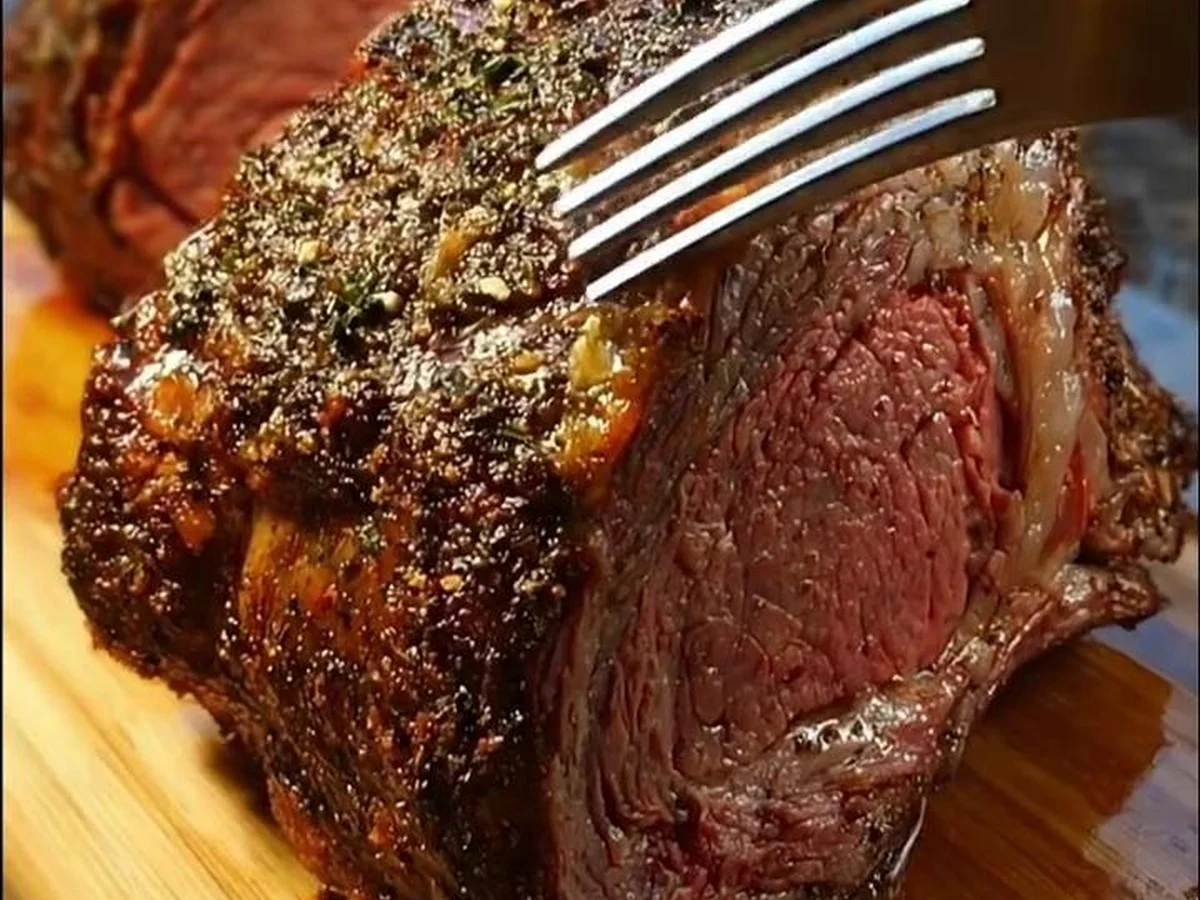
When it comes to the art of cooking, few dishes command as much respect and admiration as a perfectly cooked prime rib roast. This mouthwatering centerpiece is revered not only for its robust flavors but also for the aromatic allure it brings to any dining occasion. Imagine the moment when the roast emerges from the oven: a glistening, caramelized crust that invites you closer with its heady scents of roasted garlic and fresh herbs. The anticipation builds, and when you slice into it, the tender, juicy meat spills forth, inviting you to partake in a delightful experience.
Prime rib is not just a meal; it is a celebration on the plate—a dish that signals gatherings of family and friends, holiday feasts, or even a simple Sunday dinner elevated to a lavish experience. Rich, savory, and beautifully marbled, each morsel melts in your mouth, making it the ultimate comfort food for many. The way the succulent juices blend harmoniously with the crispy herb crust is nothing short of gastronomic poetry.
The Origins and History
The history of prime rib dates back centuries, with its origins rooted deeply in British cuisine. Traditionally served during special occasions and festive gatherings, this luxurious cut of beef is derived from the rib section of the cow, well-known for its rich marbling and tenderness. In the Middle Ages, large roasts were a symbol of wealth and prosperity, often prepared for noble banquets. As time progressed, this dish continued to evolve, finding its way into American hearts, especially during holiday feasts like Christmas and Thanksgiving.
The method of slow-roasting prime rib allows for the enhancement of natural flavors, a technique that has been cherished for generations. Today, prime rib fits seamlessly into various culinary traditions, reflecting regional flavors and cooking styles while maintaining its classic appeal. From traditional British roast dinners to American steakhouse menus, prime rib has cemented its status as a timeless dish that transcends cultural boundaries.
Why You Will Absolutely Love This Recipe
- Flavor Profile: Imagine the aromatic combination of garlic, rosemary, and thyme melding together to create a flavor explosion with each bite of that sumptuous meat. It’s an irresistible symphony of savory goodness.
- Ease of Preparation: This recipe may sound fancy, but it’s surprisingly straightforward! A simple rub of spices and herbs transforms an impressive cut into a stunning main dish.
- Crowd-Pleaser: Whether you’re hosting friends, family, or that special someone, prime rib is sure to wow your guests. Its impressive presentation is only rivaled by its incredibly delicious taste.
- Delicious Leftovers: If you happen to have any leftovers, the possibilities are endless! Use it in sandwiches, salads, or hearty soups, making the indulgence last longer.
Deep Dive into the Ingredients
Understanding the principles behind each ingredient can be the key to mastering this recipe for perfect prime rib roast.
Prime Rib Roast: Selecting the right cut is crucial for achieving the best results. A 5-7 lb prime rib roast is ideal, as it balances size with tenderness and flavor, providing a generous amount for serving while ensuring even cooking. Look for heavily marbled meat, which indicates a higher fat content—this directly translates to moistness and flavor.
Garlic: Minced garlic lends a wonderful aroma and depth of flavor to the roast. It’s wise to use fresh garlic, as it has a more potent and nuanced flavor than pre-packaged options.
Fresh Herbs: The combination of rosemary and thyme elevates the dish with herbal notes, creating complexity. Both herbs thrive in the presence of beef, enhancing the natural flavor profile rather than overpowering it.
Kosher Salt: This coarse salt is preferred for seasoning as its larger grains draw out moisture and enhance flavor without overwhelming the natural taste of the meat.
Black Pepper: Freshly cracked black pepper contributes heat and a warm spiciness, complementing the other flavors beautifully.
Olive Oil: Olive oil serves both as a medium for the spices to adhere to the meat and as a means to help create that desirable crust during roasting.
Considerations for substitutions include using a different cut of beef like ribeye or a grass-fed alternative for a leaner option. While fresh herbs yield the best flavor, dried herbs can serve in a pinch, just use them sparingly as they are more concentrated.
Pro Tips for Perfect Results
The success of a prime rib roast comes down to technique and attention to detail. Here are essential tips to ensure you achieve the perfect roast:
- Room Temperature: Before cooking, allow the prime rib to rest at room temperature for at least an hour. This guarantees even cooking throughout the roast.
- Searing Is Key: For a beautiful crust, start by searing the meat at a high temperature. It locks in juices and caramelizes the exterior, adding complex flavors.
- Use a Meat Thermometer: Cooking by time alone can lead to over- or undercooked meat. A meat thermometer should be your best friend; aim for an internal temperature of 130°F for perfect medium-rare.
- Resting Time: After removing the roast from the oven, it’s vital to let it rest before carving. This allows the juices to redistribute, ensuring a moist and flavorful serving.
Serving and Pairing Suggestions
When it comes to the accompaniments, the world is your oyster. Consider serving with classic sides like creamy mashed potatoes, a fresh green salad, or Yorkshire pudding, which is a traditional partner to prime rib. Smooth, rich red wines such as Cabernet Sauvignon or Merlot pair exceptionally well, complementing the roast’s robust flavors. This dish is perfect for special occasions, holiday dinners, or merely a feasting night with loved ones.
Storage, Freezing, and Reheating
If you’re lucky enough to have leftovers, proper storage is key to maintaining its deliciousness. Wrap the prime rib tightly in plastic wrap or foil and refrigerate. It can last for up to 3 days. If you’re planning to keep it longer, wrap in heavy-duty aluminum foil or vacuum-sealed bags for freezing, which can preserve quality for up to 2-3 months. When reheating, do so gently in the oven to preserve moisture, ideally at a low temperature to prevent overcooking.
Frequently Asked Questions (FAQ)
1. Can I cook a prime rib roast to different doneness levels?
Yes! Adjust the cooking time and internal temperature according to your desired doneness: 120-125°F for rare, 130-135°F for medium-rare, and so forth.
2. What should I serve with prime rib?
Prime rib pairs beautifully with classic sides like Yorkshire pudding, mashed potatoes, roasted vegetables, and rich gravies, creating a harmonious meal.
3. Can I marinate prime rib before cooking?
While many people opt for a dry rub, you can certainly marinate prime rib for additional flavor—just ensure it doesn’t exceed 24 hours to maintain texture.
4. How can I achieve a crispy crust?
Begin with a high-temperature sear and then finish at a lower temperature in the oven. The olive oil in your rub helps achieve that caramelized exterior.
5. Is resting always necessary before slicing?
Yes! Resting is crucial as it allows juices to redistribute throughout the meat, enhancing flavor and moistness in every slice.
Conclusion
The perfect prime rib roast is not merely a dish; it’s an experience infused with history, flavor, and celebration. With the right ingredients, techniques, and a dash of love, you can create a stunning centerpiece for any occasion.
The History of This Recipe
The origin of the perfect prime rib roast can be traced back to 19th century England, where the tradition of roasting large cuts of beef became a staple in festive gatherings. This dish was celebrated for its rich flavors and tender textures, making it a favored choice for holiday feasts.
As culinary techniques evolved, chefs began to refine the roasting process, discovering the importance of proper seasoning and cooking temperatures to achieve the ideal crust and juiciness. This attention to detail transformed the prime rib roast into a hallmark of gourmet dining.
In America, the dish gained popularity during the mid-20th century, often served in steakhouses and at family gatherings, symbolizing prosperity and indulgence. Today, the perfect prime rib roast remains a centerpiece for special occasions, embodying tradition and the joy of shared meals.
Perfect Prime Rib Roast
INGREDIENTS
- 1 (5-7 lb) prime rib roast
- 8 cloves garlic, minced
- 2 tablespoons fresh rosemary, chopped
- 2 tablespoons fresh thyme, chopped
- 2 tablespoons kosher salt
- 1 tablespoon black pepper
- 1/4 cup olive oil
INSTRUCTIONS
Preheat your oven to 450°F (232°C).
Prepare the prime rib by patting it dry with paper towels. This helps to develop a good crust during roasting.
In a bowl, combine the minced garlic, chopped rosemary, chopped thyme, kosher salt, black pepper, and olive oil to create a paste.
Rub the seasoning paste evenly all over the prime rib roast, ensuring that it gets into all the nooks and crannies.
Place the seasoned prime rib on a roasting rack in a roasting pan, bone side down if applicable. This allows for even cooking.
Insert a meat thermometer into the thickest part of the roast, ensuring it does not touch the bone.
Roast the prime rib in the preheated oven for 15 minutes. This initial high heat helps to create a flavorful crust.
After 15 minutes, reduce the oven temperature to 325°F (163°C) and continue to roast.
Cook the prime rib until the thermometer registers your desired doneness:
Rare: 120°F (49°C)
Medium Rare: 130°F (54°C)
Medium: 140°F (60°C)
Medium Well: 150°F (66°C)
Well Done: 160°F (71°C)
Once cooked to your liking, remove the roast from the oven, cover it loosely with aluminum foil, and let it rest for at least 20-30 minutes. This allows the juices to redistribute, resulting in a juicier roast.
After resting, slice the prime rib against the grain and serve with your favorite sides.
Time & Calories:
Prep time: 15 minutes
Cooking time: 1.5 to 2.5 hours (depending on size and desired doneness)
Resting time: 30 minutes
Total time: Approximately 2 to 3 hours
Estimated calories per serving (1/8 of roast): 400-600 calories (varies based on cooking method and portion size)
NOTES
Enjoy your delicious homemade Perfect Prime Rib Roast !