Introduction
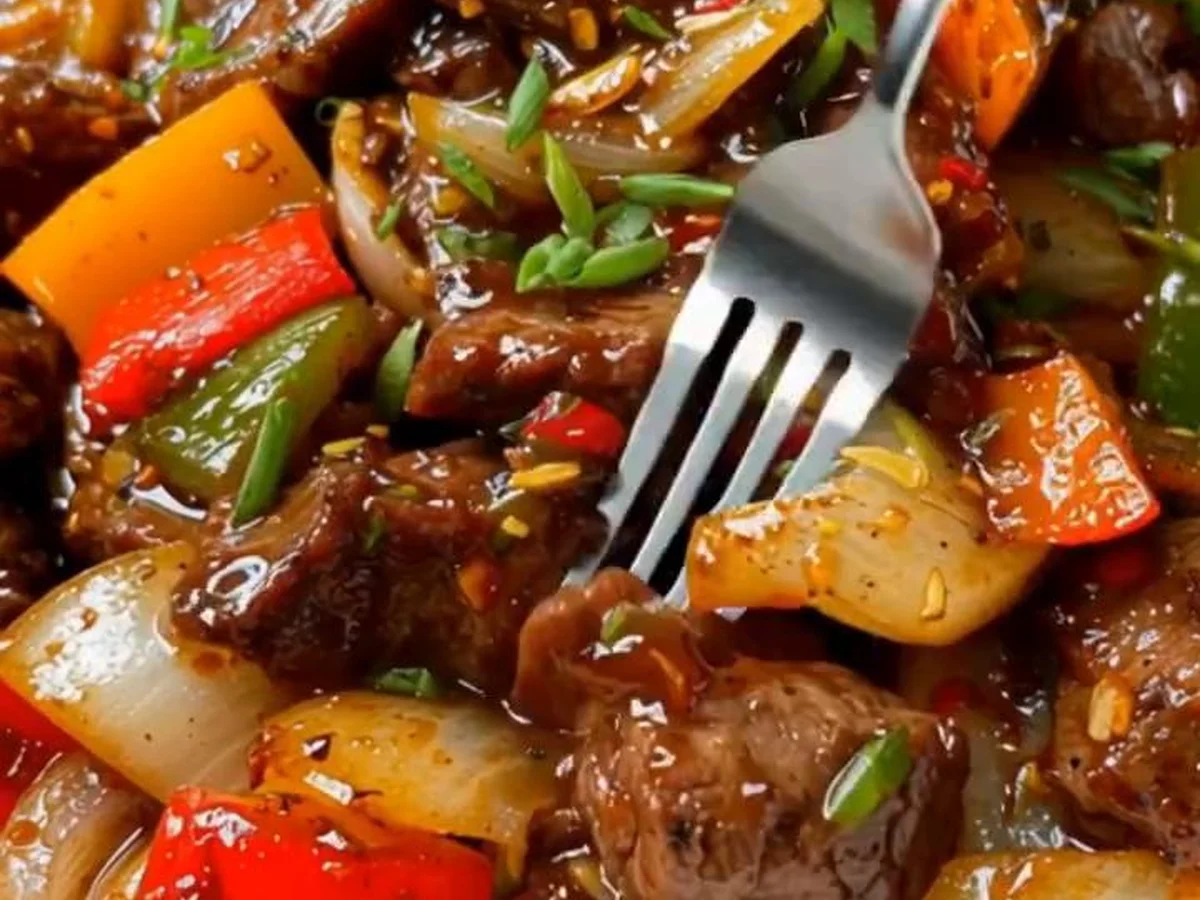
When the aroma of sizzling beef and fresh bell peppers wafts through the air, it’s hard to resist the allure of a perfectly prepared pepper steak. This dish is not just a meal; it’s a culinary embrace, offering warmth and familiarity that transcends cultural boundaries. Whether you’re relaxing at home after a long day or hosting a family gathering, pepper steak exemplifies comfort food at its finest. With every bite, you experience a delightful medley of textures—the tender strips of flank steak marry beautifully with the crispness of sautéed peppers and the aromatic allure of garlic and ginger. Together, they create a flavor profile that is both savory and slightly sweet, underscoring the dish’s ability to please all palates.
Beyond its enjoyable taste and inviting aroma, pepper steak is a quick and uncomplicated dish to whip up, making it an ideal choice for busy weeknights or when you need to impress guests without spending hours in the kitchen. Each ingredient plays a significant role, contributing to the overall experience. The vibrant colors of the vegetables not only make the dish visually appealing but also enhance its nutritional value. Indeed, pepper steak stands as a testament to the notion that delectable meals can also nourish the body and spirit.
The Origins and History
The origins of pepper steak are somewhat murky, a reflection of the many cultures that have adopted and adapted the dish over the years. Traditionally, it is believed to hail from Chinese cuisine, where stir-fried beef dishes are commonplace. However, its popularity has traversed borders, evolving into various forms, particularly in Western and fusion contexts. Often featuring soy sauce, bell peppers, and a variety of spices, it seamlessly marries Eastern and Western culinary traditions. The dish likely gained traction in American Chinese restaurants during the mid-20th century when the love affair with bold, savory flavors took root in mainstream cuisine.
In restaurants around the globe, pepper steak has become a staple, often appearing on menus with its unique flair. Whether presented stir-fried with vibrant vegetables or plated elegantly beside rice or noodles, it captivates diners with its robust flavors. This dish symbolizes the beauty of cultural exchange in food, showcasing how everyday ingredients can be transformed into something globally appreciated and celebrated. Ultimately, each plate of pepper steak tells a story of fusion, inviting eaters to savor a delicious tale as rich as its taste.
Why You Will Absolutely Love This Recipe
Here’s why this pepper steak recipe should certainly make it into your culinary repertoire:
- Bold Flavor Profile: The combination of tender flank steak, vibrant bell peppers, and aromatic garlic and ginger creates a symphony of flavors that dance on your taste buds. The savory notes are perfectly balanced by the natural sweetness of the bell peppers, making every bite a delight.
- Quick and Easy: With simple preparation and minimal cooking time, this recipe is a lifesaver on busy weeknights or during unexpected dinner parties. Perfectly suited for home cooks of all skill levels!
- Crowd-Pleaser: Both kids and adults will find something to adore in this dish, making it a go-to option for family dinners or gatherings. Its inviting colors and enticing aromas make it nothing short of a showstopper!
- Delicious Leftovers: The flavors only deepen as the dish sits, rendering delicious leftovers for lunch or dinner the next day. Heat it up for an easy meal that feels special.
Deep Dive into the Ingredients
Understanding the various components of this recipe not only equips you for preparation but enhances appreciation for the dish itself. Let’s break down the main ingredients:
- Flank Steak: This cut of beef is known for its unique texture and intense flavor. When sliced against the grain, it becomes incredibly tender, making it ideal for quick cooking methods like stir-frying. If flank steak isn’t available, consider alternatives such as sirloin or skirt steak; both offer a similar richness but may vary in tenderness.
- Vegetable Oil: A neutral oil is essential for high-heat cookery, allowing the flavors of other ingredients to shine. Vegetable oil has a high smoke point, making it perfect for searing the beef. Alternatively, you could use sesame oil for a nuttier flavor or olive oil if you prefer a stronger taste.
- Onion: Complementing the steak, the onion adds sweetness and depth. Slicing them finely ensures they caramelize beautifully when sautéed, adding a rich layer of flavor to the dish. Red onions, if you prefer a touch of color and sweetness, can serve as a wonderful alternative.
- Bell Peppers: The vibrant colors of red and green bell peppers not only enhance the dish visually but offer a refreshing crunch. Their mild sweetness elevates the overall flavor. If you want even more variety, yellow or orange bell peppers can be interchangeable, bringing subtle differences in sweetness.
- Garlic: Fresh garlic infuses the dish with a warm, robust aroma while adding depth to the flavor. You may choose to experiment with roasted garlic for a sweeter profile or garlic powder in a pinch.
- Ginger: Ginger introduces an earthy element with its zesty kick. Grating ginger fresh ensures maximum flavor. Powdered ginger can work in a pinch, but the taste won’t be as vibrant.
Pro Tips for Perfect Results
For achieving optimal results with your pepper steak, consider these expert tips:
- Searing the Meat: Ensure your pan is hot before adding the steak. This quick cooking technique locks in juices and creates a delectable crust, enhancing the dish’s texture. Avoid overcrowding the pan; instead, work in batches if necessary.
- Cooking Vegetables: To maintain crunch and vibrant color, don’t overcook your bell peppers. Aim for a brief sauté until just tender—this preserves their crispness and nutritional value.
- Emulsifying Sauce: If you’re including a sauce, stirring in thickening agents like cornstarch can achieve that luscious glossy finish. Mix it with a bit of water before adding to ensure even distribution and to avoid clumping.
- Resting the Meat: After cooking, let the steak rest for a few minutes. This allows the fibers to relax and redistribute juices, resulting in a more tender meal.
Serving and Pairing Suggestions
Pepper steak shines on its own, but you can elevate the meal by serving it with steamed rice or noodles, which soak up the delicious juices. For a vibrant accompaniment, consider a side of sautéed greens or a simple salad of mixed greens tossed in a light vinaigrette. Milder white wines or refreshing iced teas work beautifully as drink options, balancing the richness of the dish. This recipe is adaptable to various occasions, whether it’s a quick family dinner or a laid-back weekend feast.
Storage, Freezing, and Reheating
To maintain freshness, store any leftovers in an airtight container in the refrigerator for up to three days. If you wish to keep it longer, consider freezing the dish in portioned containers. When reheating, gently warm in a skillet over low heat to preserve the texture of the beef and vegetables. If you microwave, do so in short bursts, stirring in between to ensure even heating.
Frequently Asked Questions (FAQ)
1. Can I use another cut of beef for this recipe? Yes, while flank steak is recommended for its tenderness and flavor, you can substitute with top sirloin or skirt steak.
2. How can I make Pepper Steak gluten-free? Use tamari or gluten-free soy sauce in place of regular soy sauce for those mindful of gluten.
3. What are some good additions to this dish? Consider adding vegetables like snap peas, broccoli, or even mushrooms for variation in taste and texture.
4. Can I make this recipe in advance? Yes, you can prepare the components ahead of time and cook them right before serving for the best flavor and texture.
5. What should I do if my sauce is too thick? Simply add a bit of water or broth gradually until you achieve your desired consistency.
Conclusion
Pepper steak is not just a dish; it’s an experience that brings savoriness and joy to the table. Perfectly suited for any occasion, it perfectly blends comfort and elegance, allowing you to deliver a home-cooked meal that leaves a lasting impression.
The History of This Recipe
Pepper steak is believed to have originated in China, where it was traditionally prepared with fresh ingredients and bold flavors. The dish made its way to the West through Chinese immigrants during the 19th century, adapting to local tastes along the way.
As pepper steak gained popularity, it began to take on various forms, with chefs experimenting by adding different vegetables and spices. The use of tender cuts of beef, combined with vibrant bell peppers, created a dish that was both colorful and satisfying.
Over time, pepper steak became a staple in many Asian-inspired restaurants around the globe, celebrated for its savory flavor and hearty texture. Today, it remains a beloved dish that showcases the enduring influence of global culinary exchanges.
Pepper Steak
INGREDIENTS
- 1 pound flank steak, sliced into thin strips
- 2 tablespoons vegetable oil
- 1 medium onion, sliced
- 1 red bell pepper, sliced
- 1 green bell pepper, sliced
- 3 cloves garlic, minced
- 1 tablespoon ginger, grated
INSTRUCTIONS
Start by marinating the sliced flank steak. In a bowl, combine the steak, soy sauce, and a pinch of black pepper. Let it marinate for at least 15 minutes to absorb the flavors.
In a large skillet or wok, heat the vegetable oil over medium-high heat.
Once the oil is hot, add the marinated flank steak to the skillet. Stir-fry for about 3-4 minutes until the beef is browned and nearly cooked through. Remove the steak from the skillet and set aside.
In the same skillet, add the sliced onion, red bell pepper, and green bell pepper. Stir-fry for about 4-5 minutes until the vegetables begin to soften.
Add the minced garlic and grated ginger to the skillet. Stir well and cook for an additional minute, allowing the flavors to meld.
Return the cooked steak to the skillet with the vegetables. Pour in the oyster sauce, if using, and mix everything together.
Stir in the cornstarch mixture to thicken the sauce. Cook for an additional 2-3 minutes until the sauce has thickened and everything is well combined.
Taste and adjust seasoning with salt and pepper if needed.
Serve hot over cooked rice, and garnish with sesame seeds and sliced green onions.
Time & Calories
Prep Time: 15 minutes
Cook Time: 15 minutes
Total Time: 30 minutes
Estimated Calories per serving: 350 calories (based on 4 servings)
NOTES
Enjoy your delicious homemade Pepper Steak !