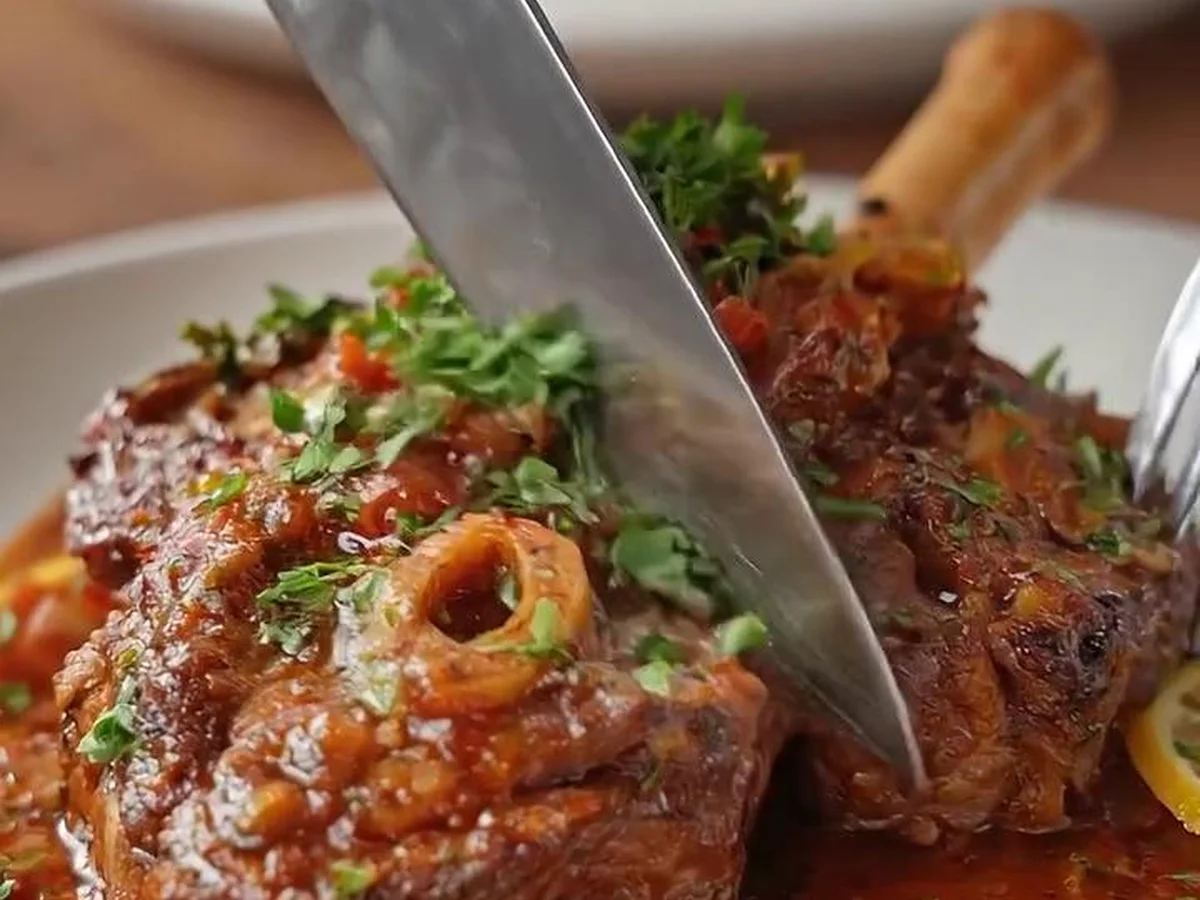
Osso Buco is a dish that not only speaks to the heart of Italian cuisine but also whispers sweet nothings to your senses. As the rich aroma of braised veal fills your kitchen, it beckons friends and family to gather around the dining table, excited by the promise of a warm and hearty meal. This dish is beloved for its melt-in-your-mouth quality; the shank, cooked until tender, reveals a beautiful marrow at its core, rich and buttery. The marriage of the veal with the sautéed vegetables creates a flavor profile that is both complex and comforting, while the addition of dry white wine elevates it to luxurious heights. Osso Buco embodies the essence of comfort food—it warms you from the inside out while enticing you with its gourmet overtones.
The Origins and History
Osso Buco, meaning “bone with a hole” in Italian, hails from the northern Italian region of Lombardy. This dish has deep roots within the rustic culinary traditions of Italy, where it was typically prepared by peasant families who made full use of the less noble cuts of meat. The dish originally featured veal shank, which was both affordable and flavorful, perfect for slow braising. Interestingly, Osso Buco’s popularity has not only endured but also evolved, spreading beyond its Italian borders to become a cherished dish in kitchens worldwide. Each region has infused its own personality into the recipe, creating local variations influenced by available ingredients and culinary customs. From the simple “alla milanese” preparation that starred a zestful gremolata to more elaborate interpretations, Osso Buco exemplifies how food can traverse cultures while resonating with comfort and nostalgia.
Why You Will Absolutely Love This Recipe
- Flavor Profile: The combination of tender veal, aromatic vegetables, and earthy white wine creates a harmony of flavors that captivates the palate.
- Ease of Preparation: While it seems like a sophisticated dish requiring gourmet techniques, Osso Buco is surprisingly straightforward to make, perfect for both novice and seasoned cooks.
- Crowd-Pleaser: This dish is a guaranteed way to impress guests, making it an ideal choice for dinner parties and family gatherings.
- Outstanding Leftovers: The flavors deepen and mature with time, meaning that the next day’s meal is just as delicious, if not even better!
Deep Dive into the Ingredients
Each element in the making of Osso Buco plays a pivotal role in crafting the final dish. Let’s break down the key ingredients:
- Veal Shank: The star of the show, veal shank is chosen for its rich flavor and gelatinous texture. When slowly braised, its collagen breaks down, resulting in melt-in-your-mouth meat that pairs perfectly with the marrow.
- All-Purpose Flour: A light dusting of flour helps to create a lovely crust on the meat during the searing process while aiding in thickening the sauce later on.
- Onion: A fundamental building block of flavor, onion adds a subtle sweetness that balances the dish and forms part of the aromatic base.
- Carrots and Celery: These vegetable companions contribute structure, color, and depth of flavor to the braising liquid, transforming it into a delightful sauce.
- Garlic: Bringing an aromatic kick, garlic enhances the overall flavor profile and compliments the richness of the veal.
- Dry White Wine: This ingredient not only deglazes the pan but also adds acidity and complexity, enhancing the natural richness of the meat.
While traditional veal shank offers unparalleled flavor and texture, those looking for alternatives might try beef shank or even lamb shank for a unique twist. Regardless of your choice, ensure it’s a cut that can withstand slow cooking for the best results.
Pro Tips for Perfect Results
Creating a flawless Osso Buco is all about technique and attention to detail. Here are some professional tips:
- Searing the Meat: Pat the veal dry and season generously before dusting with flour; searing on high heat before braising locks in moisture and flavor. Ensure that your pan is hot enough before adding the meat to achieve that golden crust.
- Temperature Control: While the dish may require a longer cooking time, maintaining a low and slow heat is vital to allow the collagen to break down without drying out the meat. Aim for an internal temperature of about 190°F for optimal tenderness.
- Aromatics: After searing, take the time to cook your onions, carrots, and celery until softened, developing a deep flavor base for your dish. This will provide a wonderful foundation when adding your deglazing liquid.
- Deglazing: Don’t skip this step! Pouring in the white wine after browning the meat and vegetables is essential to lift all those golden bits from the bottom of the pan, which contribute massively to the dish’s flavor.
- Resting Time: Allowing the dish to sit for a few minutes post-cooking lets juices redistribute, enhancing the eating experience. Serve it with a sprinkle of fresh herbs for that vibrant freshness.
Serving and Pairing Suggestions
Osso Buco is often served with a side of creamy polenta or risotto, which help balance the richness of the meat with a lovely textural contrast. Crusty bread is also a perfect accompaniment for soaking up that luscious sauce. For beverages, a full-bodied red wine, such as a Chianti or Barolo, suits the dish wonderfully. It is magnificent not just for family dinners but also for celebratory occasions where elegant, rustic comfort food is called for.
Storage, Freezing, and Reheating
To store, allow the Osso Buco to cool completely before transferring it to an airtight container. It will keep in the refrigerator for up to three days or can be frozen for up to three months. When reheating, do so gently on the stovetop to preserve the meat’s tenderness; add a splash of broth or water if it appears dry as it warms.
Frequently Asked Questions (FAQ)
- Can I use beef shank instead of veal? Yes, while veal offers a more delicate flavor, beef shank is a great alternative and will create a heartier dish.
- What can I substitute for white wine? For a non-alcoholic option, try using low-sodium chicken broth with a splash of vinegar or lemon juice for acidity.
- Is Osso Buco gluten-free? If you need a gluten-free option, simply skip the flour for dusting or use a gluten-free flour alternative.
- Can this dish be made in advance? Absolutely! In fact, Osso Buco tastes even better the next day as the flavors meld.
- What should I do with the marrow? The marrow can be scooped out of the bone and spread on toast or enjoyed directly with a spoon for a rich treat!
Conclusion
In creating Osso Buco, you not only prepare a meal but a memory steeped in warmth and flavor. With its rich history and comforting taste, this dish is sure to become a beloved staple in your culinary repertoire.
The History of This Recipe
Osso Buco, a beloved Italian dish, traces its roots to the Lombardy region, particularly in Milan. Its name, meaning bone with a hole, refers to the cross-cut veal shanks that are central to the recipe.
Historically, this hearty dish was crafted by local butchers, who sought to utilize every part of the animal. It became a popular meal among hardworking families, who enjoyed it slowly cooked with vegetables and broth.
As the dish gained popularity, chefs began to refine and elevate the recipe, adding tomatoes, wine, and gremolata for added flavor. Today, Osso Buco is celebrated worldwide, symbolizing the rich culinary traditions of Italian cuisine.
Osso Buco
INGREDIENTS
- 4 pieces of veal shank (about 1.5 inches thick)
- 2 tablespoons of all-purpose flour
- 1 large onion, chopped
- 1 large carrot, diced
- 1 large celery stalk, diced
- 2 cloves of garlic, minced
- 1 cup of dry white wine
INSTRUCTIONS
Preheat your oven to 325°F (163°C).
Pat the veal shanks dry with paper towels and season them generously with salt and pepper.
Dredge the veal shanks in flour, shaking off any excess.
In a large Dutch oven, heat the olive oil and butter over medium-high heat. Once hot, add the veal shanks and sear them for about 4-5 minutes on each side, until browned. Remove the shanks and set them aside on a plate.
In the same pot, add the chopped onion, carrot, celery, and garlic. Sauté for about 5-7 minutes until the vegetables are softened.
Pour in the white wine and scrape the bottom of the pot to lift any brown bits. Cook for about 2-3 minutes to reduce the wine slightly.
Add the diced tomatoes (with their juices), broth, bay leaf, thyme, and a pinch of salt and pepper. Stir to combine.
Return the veal shanks to the pot, ensuring they are submerged in the liquid. Bring the mixture to a gentle boil, then cover the pot and transfer it to the preheated oven.
Cook in the oven for about 2-2.5 hours, or until the meat is tender and falling off the bone.
While the osso buco is cooking, prepare the gremolata by mixing chopped parsley with lemon zest in a small bowl. Set aside.
Once cooked, remove the pot from the oven and allow it to sit for a few minutes before serving.
Serve the osso buco hot, garnished with gremolata, alongside risotto or polenta.
Time & Calories
Total Time: Approximately 3 hours (including cooking time)
Calories: Approximately 450 calories per serving (based on four servings).
NOTES
Enjoy your delicious homemade Osso Buco !