Introduction
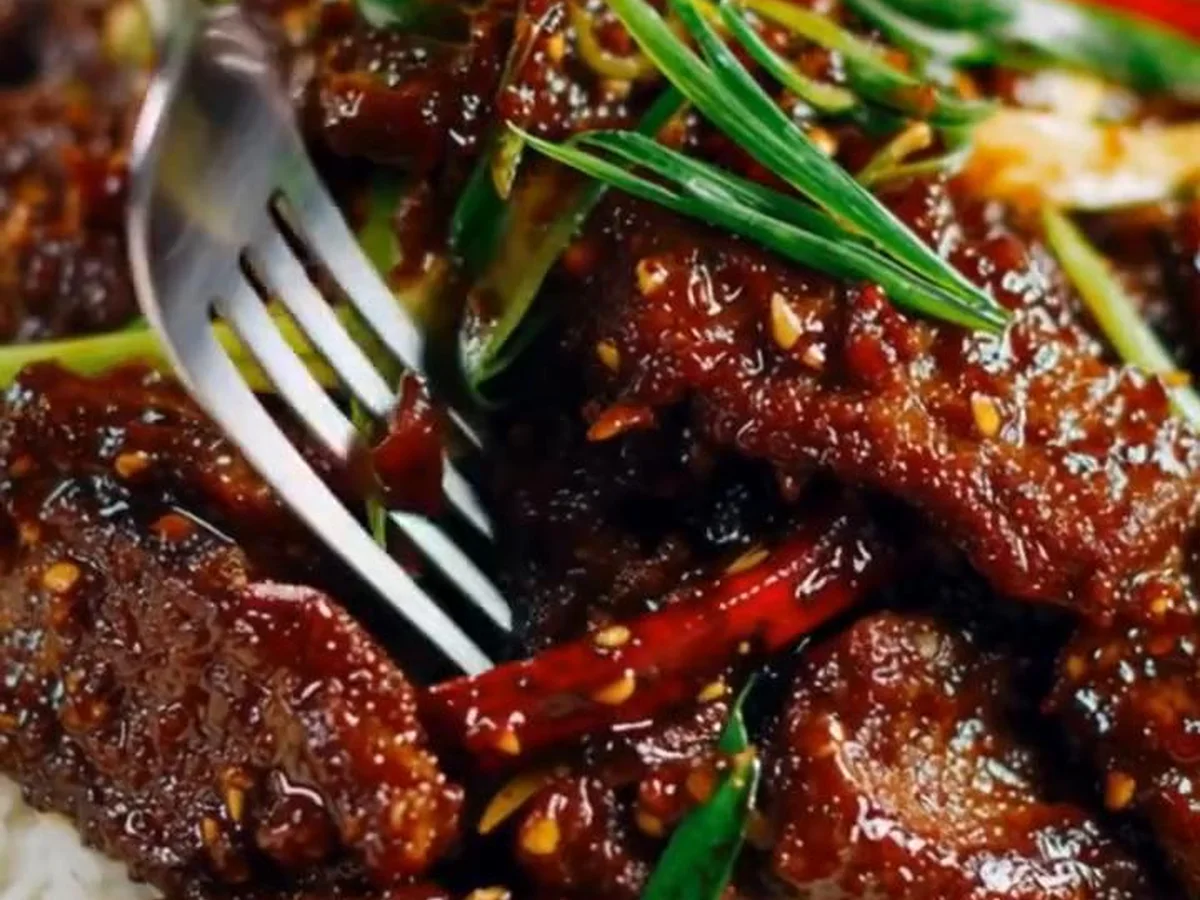
Mongolian Beef is a dish that draws you in with its intoxicating aroma and leaves you craving more. Picture the tender, succulent slices of flank steak coated in a shimmering, slightly sweet, and savory sauce that clings to the meat—a feast for the senses. With every bite, there’s an irresistible balance of flavors that dances on your palate. The slight crunch of the cornstarch coating, the rich umami of soy sauce, and the warm undertones from garlic and ginger harmonize perfectly, creating a symphony that evokes comfort and satisfaction. This dish is more than just a meal; it is an embodiment of warmth, often serving as a featured favorite in family gatherings and dinner parties, with its ability to please even the most discerning of palates. Its deep-rooted popularity, particularly in Chinese-American cuisine, speaks volumes about its status as a beloved comfort food, effortlessly merging familiarity with an exotic twist.
The Origins and History
Mongolian Beef, despite its name, is not a traditional Mongolian dish. Its roots can be traced back to the fusion cuisine that emerged from Chinese-American restaurants during the late 20th century. The dish combines elements of various Asian cuisines, reflecting the wave of Chinese immigration to the United States. Although the flavors are reminiscent of Asian cooking, the recipe has undergone significant adaptations to appeal to Western tastes. Interestingly, it incorporates stir-frying techniques that are common in many Asian culinary traditions, yet the combination of beef with a sweet sauce is predominantly influenced by American flavor preferences. The result is a dish with a richly layered history—one that showcases how food can evolve through cultural exchanges, merging different culinary heritages into something new and delicious.
Why You Will Absolutely Love This Recipe
- Flavor Profile: A delectable blend of sweet, savory, and umami flavors that tantalize the taste buds.
- Ease of Preparation: Quick to prepare with just a few simple ingredients, perfect for weeknight meals.
- Crowd-Pleaser: An instant hit at gatherings, sure to impress friends and family.
- Leftovers: Excellent for meal prep, as it tastes even better the next day.
- Versatility: Can easily be adapted to include a variety of vegetables or served over rice, noodles, or inside wraps.
Deep Dive into the Ingredients
Understanding the ingredients used in Mongolian Beef can significantly enhance your cooking experience and appreciation of the dish. Let’s break down the key players:
- Flank Steak: This cut is prized for its rich flavor and slight chewiness, which tenderizes beautifully when sliced thin. Slicing against the grain is crucial to maintaining tenderness. Alternatives like sirloin or ribeye can be used, but they may subtly shift the flavor and texture.
- Cornstarch: Used as a coating for the beef, cornstarch not only enhances texture by providing a crispy exterior but also helps to thicken the sauce as it cooks, creating a gratifying glaze. It can be substituted with arrowroot powder for those who prefer a grain-free option.
- Vegetable Oil: Ideally suited for high-heat cooking, vegetable oil allows the beef to sear perfectly, locking in moisture and flavor without imparting any strong flavor of its own. If you want a hint of flavor, sesame oil could be a delightful alternative, though with a lower smoke point.
- Soy Sauce: The backbone of the dish’s flavor, soy sauce adds depth with its salty, umami-rich character. Low-sodium soy sauce is a great substitute if you’re trying to control salt intake. Tamari or liquid aminos can also be considered for gluten-free options.
- Brown Sugar: This ingredient introduces a gentle sweetness, balancing the savory elements. You can use white sugar or even honey as substitutes, but be mindful, as the flavor profile will shift; honey may add a floral note.
- Minced Garlic & Ginger: These aromatics are essential for depth of flavor. Freshly minced garlic and ginger bring vibrancy and freshness; you can substitute them with garlic and ginger powders, but the dish won’t have the same bright flavor.
Pro Tips for Perfect Results
Mastering Mongolian Beef requires attention to detail in both cooking technique and timing. Here are some pro tips to ensure you achieve perfect results:
- Searing the Meat: Make sure your pan is hot enough before adding the beef to achieve a beautiful caramelization, which enhances flavor through the Maillard reaction. Avoid overcrowding the pan; cook in batches if necessary to ensure even cooking.
- Keep the Sauce Balanced: Adjust the sweetness and saltiness to your preference when making the sauce. Start with less sugar and add in small increments, tasting as you go. Similarly, if you desire more heat, a dash of chili flakes can be added.
- Quick Cooking: Since this dish cooks quickly, have all your ingredients prepped and ready before you start cooking. This ensures that you maintain the right consistency without overcooking the beef.
- Garnishing: Finish with sliced green onions or sesame seeds for an added crunch and a visual pop, transforming your dish from delicious to visually appealing.
Serving and Pairing Suggestions
Mongolian Beef is wonderfully adaptable when it comes to meal presentation. Serve it over a bed of steamed jasmine rice or alongside stir-fried vegetables to complement its rich flavors. For an exciting twist, consider pairing it with vermicelli noodles or crispy lettuce wraps. As for drinks, a medium-bodied red wine or refreshing iced tea can enhance the experience, making it perfect for everything from casual weeknight dinners to festive gatherings.
Storage, Freezing, and Reheating
To keep your Mongolian Beef fresh, store any leftovers in an airtight container in the refrigerator for up to 3 days. If you want to prolong its life, consider freezing it—transfer the beef and sauce to a freezer-safe container where it can last for up to three months. To reheat, thaw the beef overnight in the refrigerator and warm it in a skillet over medium heat until heated through, adding a splash of water or broth to revive the sauce’s consistency.
Frequently Asked Questions (FAQ)
- Can I use chicken instead of beef?
Yes, chicken can be a great alternative, particularly chicken thighs, which remain juicy and flavorful when cooked. Adjust the cooking time accordingly. - Is there a vegetarian option for Mongolian Beef?
Absolutely! Tofu or tempeh can be great substitutes for beef, and cooking them until crisp can replicate the texture of Mongolian Beef beautifully. - Can I make it gluten-free?
Certainly! Swap the soy sauce with tamari or liquid aminos, and ensure your brown sugar is gluten-free. - What vegetables can I add to the dish?
Bell peppers, broccoli, and snow peas can add color and nutritional value while enhancing the overall dish. Just be sure to cook them to your preferred tenderness.
Conclusion
Incorporating Mongolian Beef into your meal repertoire is not just about satisfying hunger; it is about bringing joy and comfort to the table. This dish encapsulates the essence of fusion cuisine with its delectable flavors and easy preparations, making it a must-try in your culinary adventures.
The History of This Recipe
Mongolian Beef traces its roots back to the culinary traditions of Mongolia, where nomadic tribes primarily relied on hearty, meat-based dishes. As Mongolian horsemen traveled, they would often prepare simple meals using readily available ingredients, including beef and local vegetables.
In the late 20th century, the dish found new life in American Chinese cuisine, where it was adapted to cater to a Western palate. The combination of tender beef, soy sauce, and green onions became a popular choice in Chinese restaurants across the United States.
While its name suggests a direct connection to Mongolia, the dish is more of a fusion, blending Chinese cooking techniques with flavors that resonate globally. Today, Mongolian Beef remains a beloved staple, showcasing the adaptation of traditional dishes in modern culinary landscapes.
Mongolian Beef
INGREDIENTS
- 1 pound flank steak, thinly sliced against the grain
- 1/4 cup cornstarch
- 2 tablespoons vegetable oil
- 1/2 cup soy sauce
- 1/4 cup brown sugar
- 1 tablespoon minced garlic
- 1 tablespoon minced ginger
INSTRUCTIONS
Begin by slicing the flank steak against the grain into thin strips. This will help ensure the meat remains tender.
In a medium bowl, toss the sliced beef with the cornstarch until evenly coated. Let sit for about 10-15 minutes to allow the cornstarch to adhere to the meat.
In a large skillet or wok, heat the vegetable oil over medium-high heat. Once hot, add the cornstarch-coated beef. Cook for about 2-3 minutes until the beef is browned, stirring frequently to prevent sticking.
In a separate bowl, whisk together the soy sauce, brown sugar, minced garlic, and minced ginger until the sugar is dissolved.
Once the beef is browned, pour the sauce mixture over the beef in the skillet. Stir to coat the beef evenly and let it simmer for about 3-4 minutes until the sauce has thickened slightly.
Add the sliced green onions and red bell pepper (if using) to the skillet. Stir well to combine and cook for an additional 2-3 minutes or until the vegetables are tender but still crisp.
Remove from heat. Serve the Mongolian Beef over cooked rice, garnished with additional sliced green onions and sesame seeds for added flavor and presentation.
Time & Calories
Total Time: 30 minutes
Servings: 4
Estimated Calories per serving: 350-400 calories (varies based on portion size and additional ingredients)
NOTES
Enjoy your delicious homemade Mongolian Beef !