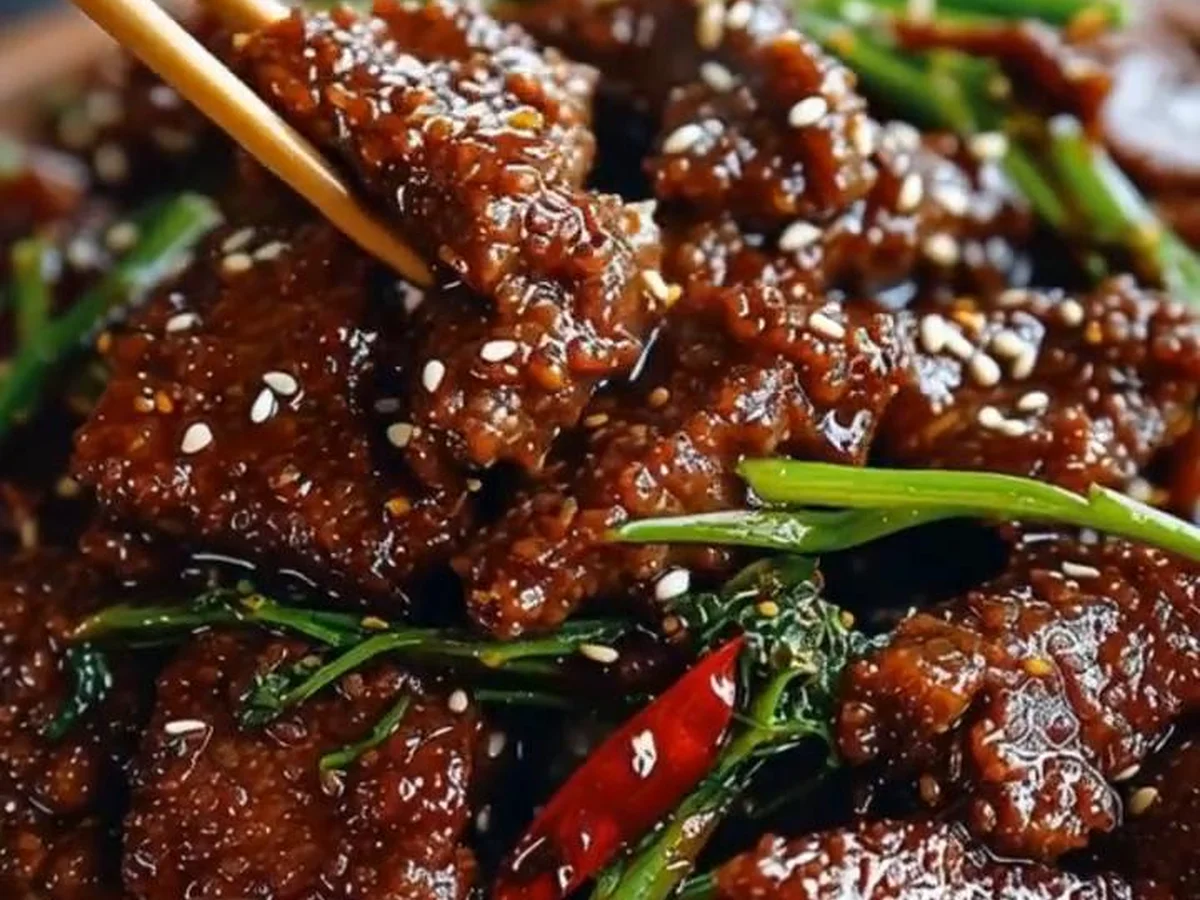
Mongolian Beef is one of those dishes that effortlessly brings comfort and joy to your dining table. Its aroma wafts through the air, captivating your senses with hints of garlic and ginger, accented by the savory sweetness of soy sauce and brown sugar. The moment you take a bite, the tender, marinated flank steak melts in your mouth, while the caramelized edges offer a delightful crunch. This dish has carved out an enduring popularity not just within Asian cuisine but across global culinary landscapes, becoming a beloved choice at family gatherings and dinner parties. Whether you’re a seasoned chef or a novice in the kitchen, Mongolian Beef is an accessible and rewarding dish to make at home, igniting a warmth and happiness that lingers long after the meal is over.
The Origins and History
Contrary to what the name might suggest, Mongolian Beef is not strictly a Mongolian dish. It is said to have originated from American Chinese cuisine, which is known for its innovative interpretations of traditional Asian flavors. It’s believed that the dish emerged in the late 20th century as a result of cultural fusion—taking elements of Mongolia’s culinary traditions and marrying them with Chinese techniques to form a dish that’s sweet, savory, and absolutely delicious. The flank steak, a cut favored for its tenderness and flavor, plays a central role in this dish, marrying beautifully with the vibrant seasonings of garlic and ginger. Thus, Mongolian Beef stands as a testament to the delicious possibilities that arise from blending culinary traditions and creating something delectably unique.
Why You Will Absolutely Love This Recipe
- Rich Flavor Profile: The balance of sweet, savory, and umami flavors creates a symphony in every bite. The soy sauce and brown sugar bring a rich depth that will fascinate your taste buds.
- Quick and Easy: This recipe is straightforward and can be made in under an hour, making it a perfect weeknight dinner option for busy families.
- Crowd-Pleaser: With its mouthwatering flavors, Mongolian Beef can be a hit at gatherings, ensuring that your guests leave with satisfied bellies and smiles.
- Excellent Leftovers: The dish keeps well in the fridge and the flavors tend to deepen overnight, making it a fantastic choice for meal prep or lunch the next day.
Deep Dive into the Ingredients
Understanding the ingredients in Mongolian Beef is crucial for crafting an authentic flavor experience. Each component serves a purpose:
- Flank Steak: This is a lean cut of beef that, when sliced against the grain, becomes incredibly tender. Alternatives like sirloin or skirt steak can be used, but flank generally offers the best flavor and texture for this dish.
- Cornstarch: This magical powder is used to coat the beef, creating a light crust when seared. This ensures that the meat locks in its juices and has a tender texture. If you’re looking for gluten-free alternatives, arrowroot powder can substitute well.
- Vegetable Oil: A neutral oil is essential as it withstands high temperatures. Oils such as canola or peanut oil work well, ensuring the meat sears without smoking.
- Soy Sauce: This salty and umami-rich ingredient underpins the dish. For a gluten-free option, tamari is an excellent substitute that still captures the flavor profile.
- Brown Sugar: The sweetness of brown sugar balances the saltiness of soy sauce, melding flavors together. You can substitute it with honey or coconut sugar for a different twist.
- Garlic and Ginger: Fresh garlic offers pungency while ginger injects an aromatic, slightly spicy note that elevates the dish.
Pro Tips for Perfect Results
To achieve the perfect Mongolian Beef, keep these pro tips in your back pocket:
- Slice Against the Grain: Always slice flank steak against the grain for maximum tenderness. This means cutting across the muscle fibers, which will make your beef easier to chew.
- High Heat Cooking: Use a hot pan for searing the beef; this caramelizes the cornstarch and locks in moisture, resulting in a beautifully browned exterior.
- Don’t Overcrowd Your Pan: Cook the beef in batches if necessary. Overcrowding creates steam rather than a good sear, which can lead to rubbery meat.
- Emulsify the Sauce: Allow the sugar to dissolve fully in the soy sauce. Stirring continuously while adding in the other ingredients can help meld flavors beautifully and prevent a gritty texture.
- Rest the Meat: After you cook the beef, let it rest for a few minutes before serving. This keeps it juicier and allows the flavors to redistribute.
Serving and Pairing Suggestions
Mongolian Beef stands on its own magnificently but can be complemented with various side dishes. Serve it over a steaming bed of jasmine rice or with fried rice to soak up the rich sauce. For a fresh contrast, you might consider pairing it with a side of steamed broccoli or sautéed bok choy. As for beverages, a light, crisp white wine or a refreshing iced tea can nicely balance out the robust flavors of the dish. This recipe is also perfect for special occasions, family dinners, or simply a cozy Sunday meal at home.
Storage, Freezing, and Reheating
To keep your Mongolian Beef fresh, store it in an airtight container in the refrigerator, where it will stay good for about 3 to 4 days. For longer storage, consider freezing the dish in a freezer-safe container, which can preserve its taste for up to 3 months. When it’s time to enjoy your leftovers, reheat gently in a skillet over medium heat, adding a splash of water to help revitalize the sauce. Avoid high heat to prevent overcooking the beef.
Frequently Asked Questions (FAQ)
- Can I use a different cut of beef for this dish? Absolutely! While flank steak is recommended for its flavor, cuts like sirloin or even ribeye can work, just ensure they are sliced thin.
- Is Mongolian Beef spicy? This dish is not inherently spicy, but if you enjoy heat, consider adding some red pepper flakes or sliced chili peppers to the sauce.
- Can I make this dish vegetarian or vegan? Yes! Substitute beef with bite-sized pieces of tofu or seitan and adjust the cooking times accordingly.
- What if I don’t have brown sugar? You can use granulated white sugar, but for a deeper flavor, honey or maple syrup can also be excellent substitutes.
- How can I make it gluten-free? Use tamari in place of soy sauce and ensure that your cornstarch is certified gluten-free.
Conclusion
With its beautiful blend of flavors and ease of preparation, Mongolian Beef is a dish worth mastering. Once you’ve tried it, you’ll find it becomes a regular feature of your culinary repertoire.
Simple Recipe Version
Mongolian Beef Ingredients: – 1 pound flank steak, thinly sliced against the grain – 1/4 cup cornstarch – 2 tablespoons vegetable oil – 1/2 cup soy sauce – 1/4 cup brown sugar – 3 cloves garlic, minced – 1 inch piece of ginger, minced – 4 green onions, chopped (white and green parts separated) – 1 teaspoon red pepper flakes (optional for heat) – 1/4 cup water Instructions: 1. Begin by preparing the flank steak. Slice it thinly against the grain to ensure it’s tender. 2. In a large bowl, coat the sliced beef with the cornstarch. Make sure all pieces are well-covered, then let it sit for about 10-15 minutes. This will help to create a crispy texture when cooked. 3. Heat the vegetable oil in a large skillet or wok over medium-high heat. Once hot, add the beef in batches to avoid overcrowding. Sear for about 2-3 minutes until browned, then remove from the skillet and set aside. 4. In the same skillet, add the minced garlic and ginger. Sauté for 30 seconds until fragrant, being careful not to burn them. 5. Pour in the soy sauce, brown sugar, and water. Stir to combine and bring it to a simmer. 6. Add the cooked beef back into the skillet with the sauce. Toss to coat evenly and let it cook for another 2-3 minutes so that the flavors meld together. 7. Stir in the white parts of the green onions and red pepper flakes (if using), and cook for an additional minute. 8. Remove from heat and garnish with the green parts of the chopped green onions before serving. Time & Calories – Total Time: 30 minutes – Calories per serving: Approximately 350 calories (serves 4)
Mongolian Beef
INGREDIENTS
- 1 pound flank steak, thinly sliced against the grain
- 1/4 cup cornstarch
- 2 tablespoons vegetable oil
- 1/2 cup soy sauce
- 1/4 cup brown sugar
- 3 cloves garlic, minced
- 1 inch piece of ginger, minced
INSTRUCTIONS
Begin by preparing the flank steak. Slice it thinly against the grain to ensure it’s tender.
In a large bowl, coat the sliced beef with the cornstarch. Make sure all pieces are well-covered, then let it sit for about 10-15 minutes. This will help to create a crispy texture when cooked.
Heat the vegetable oil in a large skillet or wok over medium-high heat. Once hot, add the beef in batches to avoid overcrowding. Sear for about 2-3 minutes until browned, then remove from the skillet and set aside.
In the same skillet, add the minced garlic and ginger. Sauté for 30 seconds until fragrant, being careful not to burn them.
Pour in the soy sauce, brown sugar, and water. Stir to combine and bring it to a simmer.
Add the cooked beef back into the skillet with the sauce. Toss to coat evenly and let it cook for another 2-3 minutes so that the flavors meld together.
Stir in the white parts of the green onions and red pepper flakes (if using), and cook for an additional minute.
Remove from heat and garnish with the green parts of the chopped green onions before serving.
Time & Calories
Total Time: 30 minutes
Calories per serving: Approximately 350 calories (serves 4)
NOTES
Enjoy your delicious homemade Mongolian Beef !