Introduction
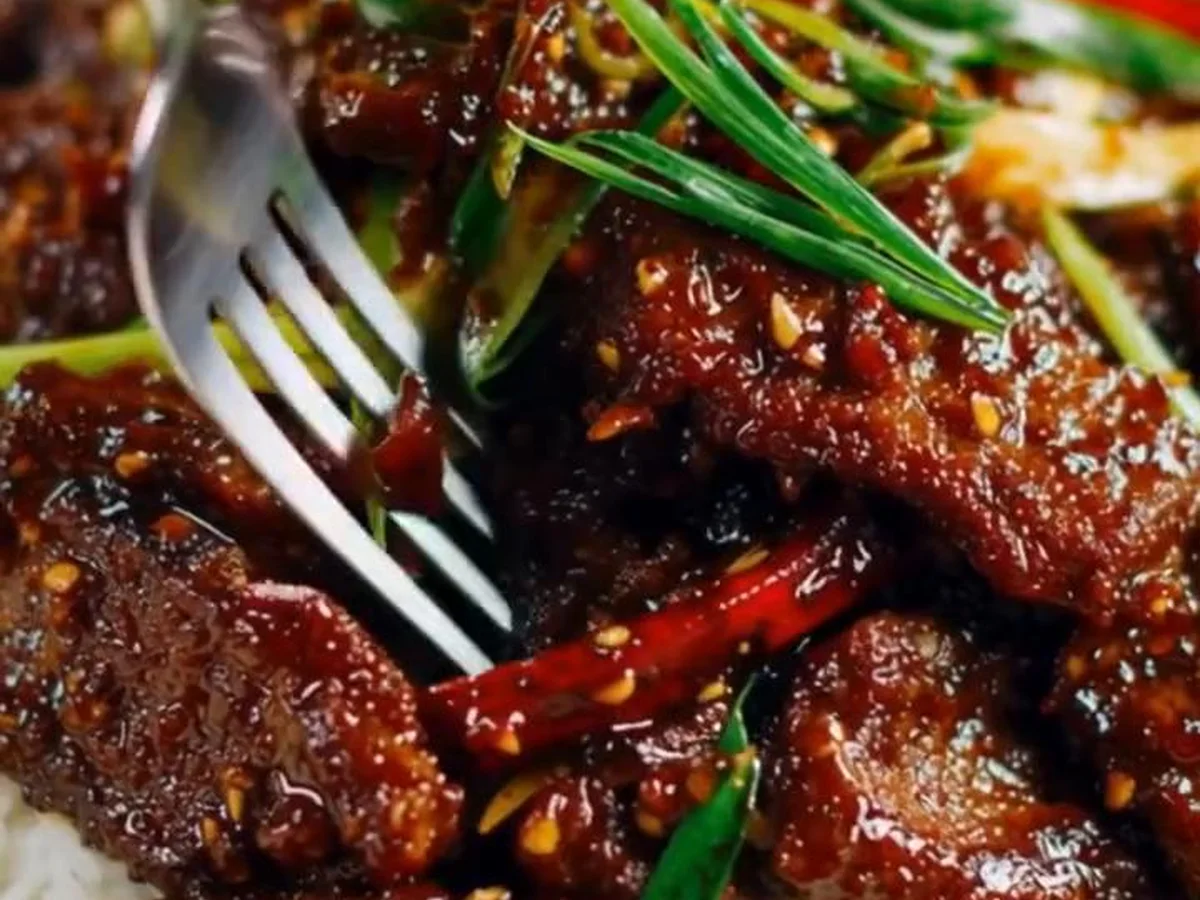
Mongolian beef, with its tender strips of flank steak enveloped in a glossy, sweet-savory sauce, is a beloved dish that finds its way into countless kitchens. Its tantalizing aroma wafts through the air, drawing everyone to the dining table with the promise of comfort and satisfaction. The succulent beef, enhanced by the interplay between salty soy sauce and the rich sweetness of brown sugar, creates a flavor experience that is downright addictive. Rich and hearty, this dish serves as a reminder of why many consider it a classic comfort food.
Despite its name, Mongolian beef is not a traditional dish from Mongolia; rather, it has been popularized within Chinese-American cuisine. Many people associate it with their childhood dinners or quick weeknight meals, making its presence in homes a nostalgic reminder of family gatherings and warmth. As you take your first bite, the flavor symphony of tender beef and aromatic garlic creates an inviting embrace for your taste buds. Each mouthful transports you to a world where flavors mingle effortlessly, celebrating the simple joys of cooking and sharing meals with loved ones.
The Origins and History
The origins of Mongolian beef are deeply intertwined with the evolution of Chinese-American cuisine, which blossomed during the burgeoning immigration waves of the 19th and 20th centuries. Though the dish claims Mongolian roots, its flavor profile reflects a unique blend of Chinese culinary practices adapted to suit Western tastes. The pairing of soy sauce, brown sugar, and garlic showcases a sweet-savory balance that resonates with the palate of many Americans.
Interestingly, the dish’s connection to Mongolia is more a fabrication of cultural creativity than an authentic representation. It is believed that the beef is inspired by traditional Mongolian cooking techniques where grilling or stir-frying meat is commonplace. The dish became widely popular in American Chinese restaurants in the late 20th century, symbolizing the burgeoning fusion between Eastern and Western cuisines. This fusion style has brought about various adaptations, with each interpretation reflecting local tastes and preferences. Ultimately, Mongolian beef stands as a testament to the adaptability of food, showcasing how ingredients and techniques can traverse cultural boundaries, leading to delicious outcomes.
Why You Will Absolutely Love This Recipe
- Flavor Profile: The luscious combination of soy sauce, brown sugar, and savory garlic creates an unforgettable flavor explosion with sweet, umami undertones.
- Ease of Preparation: With just a handful of ingredients and straightforward steps, this recipe can be prepared in under 30 minutes, making it perfect for busy weeknights.
- Crowd-Pleaser: Whether it’s a family dinner or a gathering, its rich flavors and comforting warmth are sure to delight all palates, regardless of age.
- Delicious Leftovers: The flavors only deepen as they meld together, making leftovers a treat to look forward to the next day.
Deep Dive into the Ingredients
When it comes to crafting the perfect Mongolian beef, the choice of ingredients plays a critical role in achieving that sought-after balance between sweetness and savoriness. Let’s take a closer look at the key components of this dish:
- Flank Steak: Known for its rich flavor and chewy texture, flank steak is ideal for this recipe as it absorbs marinades beautifully. Slicing against the grain helps tenderize the meat further, ensuring each piece melts in your mouth. For those seeking alternatives, cuts like sirloin or skirt steak can also work well, though they may impart different flavors and textures.
- Cornstarch: A key player in achieving a tender, velvety beef. Dredging the flank steak in cornstarch before cooking creates a light coating that locks in moisture and enhances the overall texture. If you wish to experiment, tapioca starch or arrowroot powder can act as excellent substitutes for a gluten-free option.
- Vegetable Oil: Essential for stir-frying, vegetable oil has a high smoke point, making it perfect for searing the beef at high temperatures to achieve a wonderful caramelization without burning. You can also use oils like canola or peanut oil, which add slight nutty notes.
- Soy Sauce: This staple sauce provides the umami backbone of the dish. Using low-sodium soy sauce allows for more control over the saltiness while still imparting rich flavors. Alternatively, tamari can be employed for a gluten-free version.
- Brown Sugar: The sweetness of brown sugar balances the saltiness of soy sauce perfectly. The molasses present in brown sugar adds depth to the sauce. If you’re looking for alternatives, coconut sugar or honey can achieve a similar effect though they may slightly alter the flavor profile.
- Water: Used to create a base for the sauce, ensuring that the mixture is neither too thick nor overly diluted. It serves to harmonize the flavors seamlessly, making it a crucial component.
- Minced Garlic: The aromatic presence of garlic infuses the dish with warmth and complexity. Freshly minced garlic is always preferred, but garlic powder can offer a convenient option if fresh is not available.
Pro Tips for Perfect Results
To elevate your Mongolian beef experience, consider the following pro tips that can make a significant difference in your dish’s outcome:
- Properly Sear the Meat: Make sure your skillet or wok is preheated before adding the oil. High heat is crucial to achieving those delightful caramelized edges on the beef. Avoid crowding the pan, which can lower the temperature and lead to steaming rather than searing.
- Timing is Everything: Beef cooks quickly in high heat, so keep an eye on it. It should be cut thinly for fast cooking and should ideally only need 2–3 minutes to achieve a perfect medium-rare.
- Emulsify the Sauce: After searing the beef, let it rest before tossing it back in with the sauce. This practice allows the meat to retain its juiciness while also preventing it from overcooking.
- Adjust Sugar Levels: Personalize the sweetness to your liking. Start with the suggested amount of brown sugar but feel free to adjust based on your taste preference!
Serving and Pairing Suggestions
Mongolian beef shines as a stand-alone dish, yet its flavors can be beautifully complemented by various sides. Consider serving it over a bed of steamed jasmine rice or alongside fluffy fried rice for a delightful pairing. Steamed vegetables, such as broccoli or bok choy, bring vibrant color and healthfulness to the table. For an accomplice drink, a crisp and cool iced tea or a light, fruity red wine can enhance your meal’s enjoyment.
Storage, Freezing, and Reheating
To store leftover Mongolian beef, place it in an airtight container in the refrigerator. It will stay fresh for up to 3 days. If you intend to freeze it, portion out servings in freezer-safe bags, squeezing out excess air. When ready to enjoy again, allow it to thaw in the refrigerator overnight. Reheat gently in a pan over medium heat, adding a splash of water if necessary to loosen the sauce back to its creamy consistency.
Frequently Asked Questions (FAQ)
- Can I use chicken instead of beef? Absolutely! Chicken thighs or even firm tofu can be used instead of flank steak, taking care to adjust cooking times accordingly.
- Is Mongolian beef spicy? While the traditional recipe is not spicy, you can add chili flakes or fresh ginger if you seek some heat in the dish.
- Can I make this a gluten-free dish? Yes! By using gluten-free soy sauce (like tamari) and substituting any other gluten-containing products, you can create a delicious gluten-free version of Mongolian beef.
- What can I do if my sauce is too thick? If the sauce thickens too much, simply add a little water to thin it out to your desired consistency while reheating.
Conclusion
Mongolian beef is a delightful dish that will surely become a staple in your culinary repertoire. Its rich flavors, ease of preparation, and comfort food status make it a go-to option for gatherings, weeknight dinners, and everything in between. So why not try it today?
Simple Recipe Version
Mongolian Beef Ingredients: – 1 pound flank steak, thinly sliced against the grain – 1/4 cup cornstarch – 2 tablespoons vegetable oil – 1/2 cup soy sauce – 1/4 cup brown sugar – 1/4 cup water – 1 tablespoon minced garlic – 1 tablespoon minced ginger – 3 green onions, chopped (white and green parts separated) – 1/2 teaspoon crushed red pepper flakes (optional for heat) Instructions: 1. In a bowl, toss the sliced flank steak with cornstarch until evenly coated. Let it sit for about 15 minutes to allow the cornstarch to adhere to the meat. 2. In a large skillet or wok, heat the vegetable oil over medium-high heat. 3. Once the oil is hot, add the sliced beef in a single layer. You may need to do this in batches so as not to overcrowd the pan. Cook for about 1-2 minutes on each side until the beef is browned. Remove the beef from the skillet and set aside. 4. In the same skillet, add the minced garlic and ginger. Sauté for about 30 seconds until fragrant. 5. Stir in the soy sauce, brown sugar, and water, stirring until the sugar is dissolved. Bring the mixture to a simmer. 6. Add the cooked beef back into the skillet and toss to coat the beef in the sauce. Allow to simmer for about 2-3 minutes until the beef is heated through and the sauce has thickened slightly. 7. Stir in the chopped white parts of the green onions and the crushed red pepper flakes (if using). Remove from heat. 8. Serve hot, garnished with the green parts of the green onions, over cooked rice or noodles. Time & Calories: – Prep time: 15 minutes – Cook time: 10 minutes – Total time: 25 minutes – Calories per serving: Approximately 350 calories (based on 4 servings)
Mongolian Beef
INGREDIENTS
- 1 pound flank steak, thinly sliced against the grain
- 1/4 cup cornstarch
- 2 tablespoons vegetable oil
- 1/2 cup soy sauce
- 1/4 cup brown sugar
- 1/4 cup water
- 1 tablespoon minced garlic
INSTRUCTIONS
In a bowl, toss the sliced flank steak with cornstarch until evenly coated. Let it sit for about 15 minutes to allow the cornstarch to adhere to the meat.
In a large skillet or wok, heat the vegetable oil over medium-high heat.
Once the oil is hot, add the sliced beef in a single layer. You may need to do this in batches so as not to overcrowd the pan. Cook for about 1-2 minutes on each side until the beef is browned. Remove the beef from the skillet and set aside.
In the same skillet, add the minced garlic and ginger. Sauté for about 30 seconds until fragrant.
Stir in the soy sauce, brown sugar, and water, stirring until the sugar is dissolved. Bring the mixture to a simmer.
Add the cooked beef back into the skillet and toss to coat the beef in the sauce. Allow to simmer for about 2-3 minutes until the beef is heated through and the sauce has thickened slightly.
Stir in the chopped white parts of the green onions and the crushed red pepper flakes (if using). Remove from heat.
Serve hot, garnished with the green parts of the green onions, over cooked rice or noodles.
Time & Calories:
Prep time: 15 minutes
Cook time: 10 minutes
Total time: 25 minutes
Calories per serving: Approximately 350 calories (based on 4 servings)
NOTES
Enjoy your delicious homemade Mongolian Beef !