Introduction
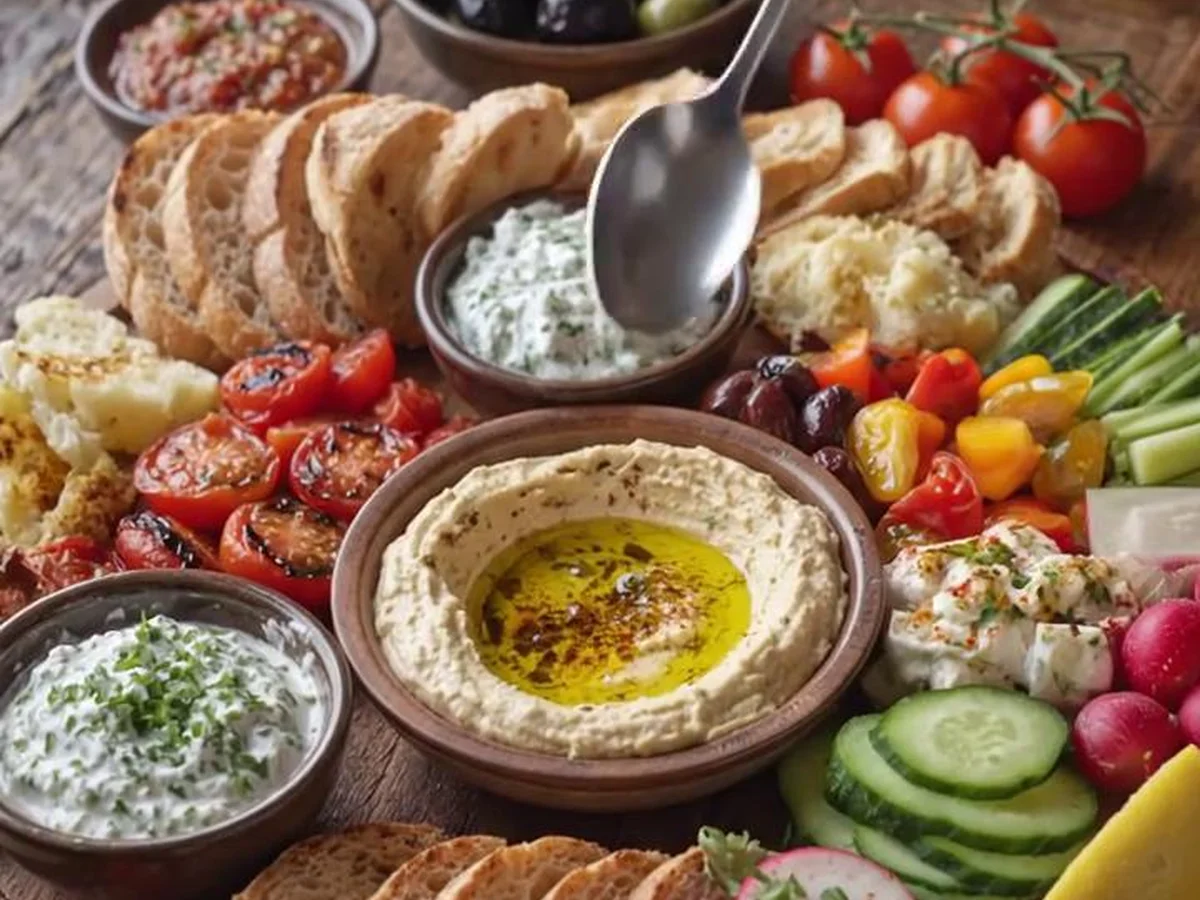
There’s something undeniably enchanting about a Mediterranean Grazing Board that captures the soul of summer gatherings, warm coastal breezes, and vibrant food markets. As you approach this glorious spread, the aroma of roasted garlic and fresh herbs envelops you, igniting your taste buds even before you take the first bite. Whether you’re hosting a casual weekend gathering or an elaborate festive soirée, this exquisite feast is sure to evoke joy, laughter, and conversation. A Mediterranean Grazing Board is more than just a collection of dips and vegetables; it’s an embodiment of community, letting flavors intermingle while embracing each guest’s preferences.
Picture a beautifully arranged board filled with rich, creamy hummus bursting with the essence of tahini, refreshing tzatziki mingling with the tang of yogurt and cucumbers, and the earthy taste of baba ganoush. Each dip beckons you to dip, scoop, and munch. The textures and flavors swirl together in a symphony, from the crunch of fresh vegetables to the silken finish of whipped feta dip. It’s not just food; it’s a feast for the senses that nurtures the soul. No wonder this culinary masterpiece has risen in popularity in homes and restaurants alike, celebrated for its versatility and charm in any occasion.
The Origins and History
The Mediterranean region is steeped in a rich cultural tapestry that has influenced a plethora of dishes we cherish today. The Grazing Board itself doesn’t trace back to a single moment or origin but rather has a lineage that weaves through numerous cultures; from the olive groves of Greece to the spice markets of the Middle East. The concept of eating communally is revered in Mediterranean cultures, where sharing food signifies friendship, love, and hospitality. Historical records indicate that dips like hummus and baba ganoush have been enjoyed for centuries, often crafted from local ingredients and flavored with spices unique to the region.
The art of meze — small dishes served as appetizers — has contributed significantly to the tapestry of this grazing culture, as it encourages leisurely eating and social interaction. Originating from the Ottoman Empire, this communal style of dining has evolved into modern grazing boards, often adorned with not just dips, but also cheeses, meats, and an array of other sides, showcasing the abundance and diversity found in Mediterranean cuisine. Each bite taken and shared tells a story steeped in marinated traditions of love and celebration.
Why You Will Absolutely Love This Recipe
- Flavor Profile: The variety of flavors – creamy, tangy, smoky, and refreshing – makes every bite an adventure.
- Ease of Preparation: Minimal cooking required; simply blend, arrange, and serve.
- Crowd-Pleaser: With so many options, there’s something for everyone, making it perfect for all dietary preferences.
- Leftovers: Keep it fresh and enjoy tasty snacks for days, transforming them into new meals or pairings.
- Visual Appeal: A stunning board can elevate any event, captivating guests long before the first bite.
Deep Dive into the Ingredients
The heart of the Mediterranean Grazing Board lies in its selection of dips and spreads, each chosen for their unique flavors, textures, and cultural significance. Starting with hummus, this classic chickpea-based dish is rich in protein and fiber, offering a creamy backdrop for the crunch of fresh veggies. Traditional hummus is made with tahini, adding complexity with its nutty flavor.
Tzatziki, a refreshing yogurt dip flavored with cucumber and herbs, brings a cooling contrast to the richness of hummus. It’s a versatile accompaniment, perfect with warm pita or crisp vegetables. The whipped feta dip brings a salty tanginess with a texture that is both lush and spreadable, making it a delectable choice for those who love cheese.
Baba Ganoush features roasted eggplant, blended until smooth, infused with garlic and tahini. Its smoky flavor is an exciting addition that plays harmoniously with its creamy counterparts. The roasted red pepper dip introduces sweetness and depth, blending beautifully with the earthiness of eggplant and the tanginess of feta. Each ingredient offers opportunities for substitutions; for instance, replace tahini with sunflower seed butter in the hummus for a nut-free option or use Greek yogurt for a lighter tzatziki.
No grazing board would be complete without the addition of roasted garlic. Roasting mellows its pungency, transforming it into a smooth, buttery treat that pairs wonderfully with all dips. A drizzle of olive oil elevates the whole experience, lending an aromatic richness, while also acting as a binding agent to ensure every layer of flavor comes together in one perfect bite.
Pro Tips for Perfect Results
For the ideal Mediterranean Grazing Board, preparation is key. Start by roasting your garlic bulb to ensure it’s sweet and mellow. Wrap it in foil with a tablespoon of olive oil and roast it until golden and soft. While this is baking, you can prepare the dips; using high-quality ingredients enhances flavors significantly.
When serving, ensure your dips are at room temperature to maximize flavor and texture. Arrange everything on a large board or platter, balancing the color and sizes for visual appeal. An assortment of dipping implements — such as pita chips, fresh veggies, or breadsticks — will elevate the experience. Additionally, don’t be afraid to play with spices: a sprinkle of smoked paprika atop the hummus or some fresh herbs atop the tzatziki may add that final touch that makes all the difference.
Serving and Pairing Suggestions
Serving a Mediterranean Grazing Board opens up a world of possibilities. Pair with a selection of wines, such as a crisp Sauvignon Blanc or a fruity rosé, which complement the flavors beautifully. For those preferring non-alcoholic options, consider serving sparkling water infused with lemon or mint for a refreshing touch. This grazing board is ideal for casual weekend brunches, festive holiday gatherings, or even as an elegant starter for dinner parties, inviting guests to mingle and share, savoring every bite together.
Storage, Freezing, and Reheating
The components of a Mediterranean Grazing Board can be stored separately in airtight containers in the refrigerator for up to five days. Leftover dips can be used in various ways: spread on sandwiches, tossed into salads, or enjoyed as snacks with crackers. Avoid freezing the dips as the texture may alter unfavorably. When reheating garlic or warm components, do so gently in the oven to keep everything fresh and inviting.
Frequently Asked Questions (FAQ)
Can I make the dips ahead of time?
Absolutely! Many dips, such as hummus and baba ganoush, actually taste better after a day in the fridge, allowing flavors to meld.
What can I substitute for the feta in the whipped feta dip?
Cream cheese or Greek yogurt can make excellent alternatives, providing creaminess without altering the essence too much.
How do I make the dips dairy-free?
For dairy-free options, replace yogurt with unsweetened almond or coconut yogurt, and ensure your feta alternatives are plant-based.
Is this grazing board suitable for vegans?
Yes! By using plant-based dips and removing any dairy components, this board can easily be enjoyed by vegans.
Conclusion
A Mediterranean Grazing Board is more than a dish; it’s an experience, an opportunity to gather, share, and indulge in the vibrancy of flavors that echo the culture of the Mediterranean. So, gather your ingredients, invite your friends, and let the party begin!
The History of This Recipe
The Mediterranean Grazing Board originated from the vibrant culinary traditions of the Mediterranean region, where sharing meals embodies the spirit of community. Inspired by the region’s diverse ingredients, it showcases a colorful array of cheeses, cured meats, olives, and fresh produce elegantly arranged for communal enjoyment.
This style of dining became popular in gatherings, where friends and family would come together to savor flavors and celebrate connections. As it gained traction, the grazing board evolved into a visually appealing centerpiece for social events, reflecting the Mediterranean ethos of hospitality and togetherness.
With its emphasis on fresh, seasonal ingredients and artisanal craftsmanship, the Mediterranean Grazing Board quickly captured the hearts of food enthusiasts around the world. Today, it represents not just a meal, but an experience that invites sharing, conversation, and appreciation for the rich culinary heritage of the Mediterranean.
Mediterranean Grazing Board
INGREDIENTS
- 1 cup hummus
- 1 cup tzatziki
- 1 cup whipped feta dip
- 1 cup baba ganoush
- 1 cup roasted red pepper dip
- 1 whole garlic bulb
- 1 tablespoon olive oil
INSTRUCTIONS
Start with the roasted garlic spread. Preheat your oven to 400°F (200°C).
Slice the top off the whole garlic bulb to expose the individual cloves. Drizzle with olive oil and sprinkle with sea salt.
Wrap the garlic bulb in aluminum foil and roast in the preheated oven for 30-35 minutes, or until the cloves are soft and caramelized. Allow to cool slightly before handling.
In a serving bowl, combine the roasted garlic cloves (squeezed out of their skins) with a tablespoon of olive oil and mix until smooth. Adjust seasoning with salt if needed.
Arrange your dips on a large serving board or platter. Place small bowls or ramekins for each dip: hummus, tzatziki, whipped feta dip, baba ganoush, and roasted red pepper dip.
Slice fresh vegetables such as carrots, cucumbers, bell peppers, and cherry tomatoes. Arrange them around the dips for easy access.
Cut or tear pita bread into triangles and include crackers if desired. Place them on the board.
Scatter olives and crumbled feta cheese among the dips and vegetables for additional flavor and garnish.
Optionally, garnish the board with fresh herbs like basil or parsley for a pop of color.
Serve the Mediterranean grazing board as an appetizer or snack. Encourage guests to dip and enjoy the variety of flavors.
Time & Calories
Preparation Time: 20 minutes
Cooking Time: 35 minutes (for the garlic)
Total Time: 55 minutes
Approximate Calories per Serving: Varies depending on portion sizes, but could range from 200-400 calories depending on dips and accompaniments.
NOTES
Enjoy your delicious homemade Mediterranean Grazing Board!