Introduction
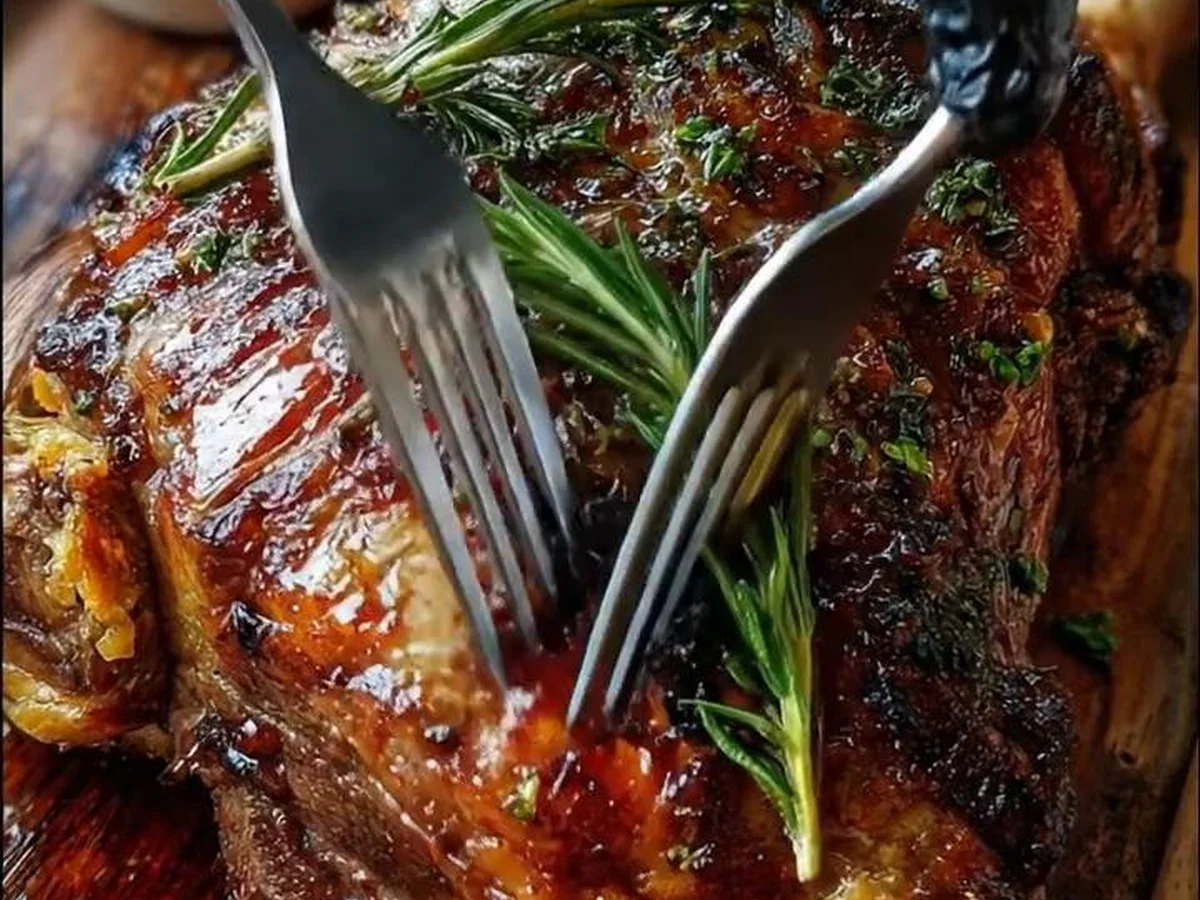
There are few experiences that transcend the simple act of eating, turning a meal into a cherished memory. One such feast is a glorious Leg of Lamb Roast, which has earned its place as a favorite for holidays, family gatherings, and special occasions. The aroma of seasoned lamb gently roasting in the oven wafts through your home, beckoning everyone to the table, while the succulent flavors dance on your palate. Combining the rich, gamey flavor of lamb with fresh herbs and garlic creates a dish that delights every sense. With the golden brown crust and tender, juicy interior, a perfectly roasted leg of lamb radiates warmth and comfort, transforming any dinner into a celebration.
But why has this dish captivated food lovers across generations? Perhaps it’s the versatility, the rustic elegance it brings to any dining table, or simply the simple joy of sharing a piece of meat carved at the table with loved ones. With its roots deep in traditional recipes, a lamb leg roast is not just a meal; it is an experience—a journey through the ages that continues to resonate in contemporary kitchens. So gather your friends and family, sharpen your knives, and prepare for a culinary adventure that promises to be as memorable as it is delicious.
The Origins and History
The consumption of lamb dates back thousands of years, woven intricately into the fabric of numerous cultures worldwide. Primarily celebrated in Mediterranean and Middle Eastern cuisines, the concept of roasting lamb can be seen in ancient feasts which symbolize sacrifice and prosperity. Historical accounts suggest that lamb was revered not only for its flavor but also for its nutritional value, considered a vital protein source during pagan and religious festivities.
In countries like Greece and Turkey, roasting lamb during springtime festivals has been part of their culinary heritage for generations, often accompanied by fresh herbs and seasonal vegetables. The rise of lamb as a sought-after dish also spread to Western cuisine during the Renaissance period, where luxurious meals showcased roasted meats, especially for nobility. Today, the world appreciates the leg of lamb for its tender texture and rich flavor, evolving into a beloved centerpiece for family dinners and holiday celebrations.
Why You Will Absolutely Love This Recipe
- Flavor profile: The complementary nature of garlic, rosemary, and thyme infuses the meat with rich, aromatic flavors that are bold yet comforting.
- Ease of preparation: With just a handful of simple ingredients and an uncomplicated cooking method, this recipe is approachable enough for beginner cooks.
- Crowd-pleaser: A leg of lamb roast serves multiple people, making it an impressive dish that creates a family-style dining experience.
- Leftovers: The versatility of lamb means that leftovers can be repurposed into salads, sandwiches, or even pastas, ensuring that nothing goes to waste.
Deep Dive into the Ingredients
The magic of this recipe lies in its simplicity, showcasing the lamb’s natural flavors while enhancing them with fresh ingredients:
- Bone-in Leg of Lamb: Opting for a bone-in leg of lamb not only offers a richer flavor—it imparts moisture and tenderness during the cooking process. The bone also helps conduct heat, ensuring consistent cooking throughout the meat. When buying lamb, look for meat that is pinkish-red with a decent amount of marbling, as this fat contributes to the overall juiciness of the roast.
- Garlic: Four cloves of minced garlic not only impart a beloved flavor but carry health benefits as well. Garlic contains allicin, which boasts anti-inflammatory properties. Roasting mellows garlic’s spiciness, providing a sweet, aromatic quality that beautifully enhances the savory notes of the lamb.
- Olive Oil: This ingredient is essential for both marinating the meat and aiding in the development of a caramelized crust. The fruity flavors of olive oil complement the dish, and when heated, it helps to anchor the herbs to the meat. If you’re looking for a different profile, consider using a high-quality avocado oil.
- Fresh Rosemary and Thyme: Fresh herbs elevate this dish significantly. Rosemary offers a robust pine-like aroma that matches beautifully with lamb’s strong flavor, while thyme adds subtle earthiness and a fragrant touch. Dried herbs can be used in a pinch, but for optimum flavor, fresh herbs are recommended. If fresh herbs are not available, consider using dried, keeping in mind to adjust the quantity since dried herbs are more potent.
- Salt and Black Pepper: These basics are foundational for any roasted meat, enhancing flavor and helping to form a savory crust. Using a coarse sea salt is recommended for a more textured surface and an even distribution of seasoning.
Pro Tips for Perfect Results
To achieve a roast that’s as majestic as it is delicious, consider the following expert tips:
- Bring to Room Temperature: Before cooking, allow the lamb to rest at room temperature for about 30 minutes. This step helps ensure even cooking and prevents the meat from becoming tough.
- Use a Meat Thermometer: For perfectly cooked lamb, a meat thermometer is invaluable. Aim for an internal temperature of 135°F (57°C) for medium-rare or 145°F (63°C) for medium. After removing from the oven, let the meat rest for at least 15 minutes; this allows the fibers to relax and juices to redistribute.
- Searing: For a beautiful crust, sear the lamb in a hot pan with olive oil before roasting. This step creates a flavorful brown coating and adds a depth of flavor that’s hard to beat.
- Let it Rest: Once out of the oven, don’t skip resting. The ideal resting time is about 15-20 minutes, covered loosely with foil. Resting is crucial as it allows the juices to settle, resulting in a moist and juicy roast.
Serving and Pairing Suggestions
This sumptuous leg of lamb roast pairs perfectly with an array of side dishes. Try serving it alongside creamy mashed potatoes, roasted seasonal vegetables, or a vibrant parsley and mint tabbouleh for a fresh contrast. When it comes to beverages, a robust red wine such as a Merlot or a well-structured Cabernet Sauvignon can elevate the meal, harmonizing beautifully with the richness of the lamb. Consider hosting a cozy dinner party, where this roast serves as the pièce de résistance, captivating your guests with its unforgettable taste.
Storage, Freezing, and Reheating
To keep your lamb roast fresh, store any leftovers in an airtight container in the refrigerator. It will maintain quality for up to 3 days. If you wish to keep it longer, it can be frozen for up to 6 months. When reheating, opt for the oven at a low temperature (around 300°F or 150°C) to prevent drying out the lamb. Wrap in foil to ensure the moisture remains intact during reheating.
Frequently Asked Questions (FAQ)
- Can I use a boneless leg of lamb? Yes, a boneless leg of lamb can also be used if you prefer, but keep in mind that it may cook faster, so adjust the timing accordingly. A boneless option is easier to carve and can be stuffed with herbs and garlic for added flavor.
- Should I marinate the lamb before roasting? While marinating can enhance the flavor, it’s not necessary for this recipe due to the potent aromatics used. If you choose to marinate, keep it simple with olive oil, garlic, and herbs for a few hours or overnight in the refrigerator.
- What should I do if I don’t have fresh herbs? Dried herbs can be substituted, but use about one-third the amount specified since they have a more concentrated flavor. Remember that fresh herbs lend a bright and vibrant character that dried herbs can lack.
- Can the leftovers be used in other dishes? Absolutely! Enjoy the leftovers in sandwiches, salads, or even in a shepherd’s pie for a completely different meal that showcases this lovely meat.
- What is the best way to carve the roast? Allow the roast to rest and use a sharp carving knife to slice against the grain for maximum tenderness. Begin at the thickest part of the meat and work your way toward the bone.
Conclusion
A leg of lamb roast is an extraordinary culinary achievement that inspires creativity and brings people together. Embrace the process and relish the flavors, creating memories that will last a lifetime.
The History of This Recipe
The origin of the lamb leg roast can be traced back to ancient pastoral societies, where sheep were raised for their wool, milk, and meat. Communities developed relationships with their flocks, leading to the celebration of their harvests through communal feasts centered around roasted lamb.
As cooking techniques evolved, the method of slow-roasting lamb over open flames or in wood-fired ovens became popular among various cultures. This method not only enhanced the flavor but also mirrored traditions of gratitude and togetherness during festive gatherings, making lamb a centerpiece in many culinary practices.
In modern times, lamb leg roast has become a symbol of celebration in numerous cuisines, often featured in family gatherings and holidays. Its rich flavor and tender texture continue to evoke a sense of history and shared heritage, bridging generations through the simple act of sharing a meal.
Lamb Leg Roast
INGREDIENTS
- 1 bone-in leg of lamb (4–6 lbs)
- 4 cloves garlic, minced
- 2 tbsp olive oil
- 1 tbsp fresh rosemary, chopped
- 1 tbsp fresh thyme, chopped
- 1 tbsp salt
- 1 tsp black pepper
INSTRUCTIONS
Preheat your oven to 325°F (160°C).
In a small bowl, combine the minced garlic, olive oil, rosemary, thyme, salt, black pepper, lemon zest, and lemon juice. Mix well to form a paste.
Pat the leg of lamb dry with paper towels and place it in a large roasting pan.
Rub the garlic-herb mixture all over the leg of lamb, ensuring to cover all sides for maximum flavor.
Nestle the quartered onion, carrots, and potatoes around the lamb in the roasting pan.
Pour the broth (and red wine, if using) into the bottom of the roasting pan. This will help keep the lamb moist and create a delicious gravy.
Cover the roasting pan tightly with aluminum foil and place it in the preheated oven.
Roast the lamb for about 2 to 2.5 hours, or until the internal temperature reaches 135°F (57°C) for medium-rare, 145°F (63°C) for medium.
Remove the foil during the last 30 minutes of roasting to brown the lamb.
Once cooked to your desired doneness, remove the lamb from the oven and let it rest for at least 15-20 minutes before carving. This allows the juices to redistribute.
Serve the lamb slices with the roasted vegetables and pan juices.
Time & Calories
Total Time: 3 hours (including rest time)
Servings: 6-8
Approximate Calories per Serving: 350-450 (may vary based on portion size and ingredients used)
NOTES
Enjoy your delicious homemade Lamb Leg Roast !