Introduction
There’s something magical about the simplicity and lightness of a homemade fluffy sponge cake that resonates deeply with the heart and palate. Each bite unfurls a cloud-like texture, while the enticing aroma wafts through the kitchen, acting as a siren’s call that beckons everyone to the dessert table. The contrasts of its tender crumb and sweet, buttery flavor evoke memories of family gatherings, birthday celebrations, and quiet afternoon teas. Often crowned with fruits, whipped cream, or rich chocolate ganache, this cake is not merely a dessert; it’s a lush tapestry of flavors and emotions intertwined. Whether enjoyed plain or adorned, a slice of fluffy sponge cake delivers comfort and joy, making it a perennial favorite across the globe.
The Origins and History
The origins of sponge cake are steeped in the rich history of food evolution, tracing back to the Renaissance period in Europe. This cake type is believed to have emerged from the kitchens of Spain as “bizcocho,” gaining popularity for its soft texture and versatility. As it spread, variations developed across cultures, leading to the light, airy versions we know today. In England, the famed Genoise cake brought a touch of sophistication, while in Japan, the Tamago cake showcased a unique blend of sweetness and gentleness. The delight found in each light layer perfectly aligns with celebrations, where cakes serve as both centerpiece and pleasure. Despite its diverse origins, the overarching theme remains the same: to celebrate life’s moments with sweetness, joy, and an embrace of simplicity.
Why You Will Absolutely Love This Recipe
- Heavenly Flavor: The combination of rich butter, sweet vanilla, and wholesome milk melds perfectly to create a cake that’s deliciously sweet yet perfectly balanced.
- Simple Ingredients: With a few pantry staples, you can whip up this cake without needing any specialty items, making it ideal for spontaneous baking sessions.
- Crowd-Pleaser: Whether at birthday parties, holiday gatherings, or casual tea times, this cake never fails to impress guests with its sociable charm.
- Easy to Customize: This recipe serves as a blank canvas that allows culinary creativity—add citrus zest, chocolate chips, or spices to suit your taste.
- Delicious Leftovers: If there are any remnants, the flavor actually deepens over time, making your next slice even more delightful—and perfect for breakfast!
Deep Dive into the Ingredients
At the heart of every scrumptious fluffy sponge cake lies its carefully chosen ingredients, each playing a crucial role in achieving the desired texture and flavor. Let’s explore these components in detail:
- All-Purpose Flour: This flour type serves as the backbone of your cake, providing just the right amount of gluten development to create a light and airy structure. If you seek a gluten-free alternative, consider using almond or coconut flour, acknowledging that the cake’s texture will vary.
- Granulated Sugar: Sugar isn’t merely a sweetener here; it’s essential for contributing to the cake’s moisture and lightness. It caramelizes while baking, creating a lovely golden crust. Substitute with cane sugar or even a sugar substitute while being mindful of different sweetness levels.
- Milk: Whole milk enriches the batter with fats that enhance flavor and moisture. You can use alternatives like almond or oat milk, but ensure they are unsweetened to maintain balance.
- Eggs: Vital for both structure and moisture, eggs aerate the batter during mixing, creating those fluffy bubbles that help the cake rise as it bakes. An alternative such as flax eggs may suit those with allergies, but consistency may slightly differ.
- Unsalted Butter: Employed for its flavor and ability to create a tender crumb, melted butter blends beautifully, adding an enriched note. For a dairy-free approach, consider using coconut oil or a suitable margarine.
- Baking Powder: As a leavening agent, baking powder helps lift the cake. Always check for its freshness—an expired product may not create the expected rise.
- Vanilla Extract: This adds a warm, aromatic underpinning to the cake, enhancing both fragrance and sweetness. Homemade vanilla extract can elevate the flavor profile even further.
Pro Tips for Perfect Results
Achieving the perfect fluffy sponge cake may seem daunting, but with heed to a few pro tips, you can ensure exquisite results:
- Room Temperature Ingredients: Allow eggs, milk, and butter to reach room temperature before mixing. This facilitates even blending and results in a more homogenous batter.
- Whip Eggs Separately: For added fluffiness, whip the eggs until pale and frothy before incorporating them into the batter. This step aerates the mixture and anticipates a higher rise.
- Don’t Overmix: Once the dry ingredients are added to the wet ingredients, mix gently until just combined. Overmixing can lead to a dense cake, defeating the purpose of ‘fluffy.’
- Oven Preheating: Always preheat your oven to ensure the cake starts rising immediately upon entering. An inconsistent temperature can cause uneven baking.
- Check for Doneness: Your cake is done when a toothpick inserted into the center comes out clean or with a few moist crumbs. Cool it in the pan for a few minutes before transferring it to a wire rack.
Serving and Pairing Suggestions
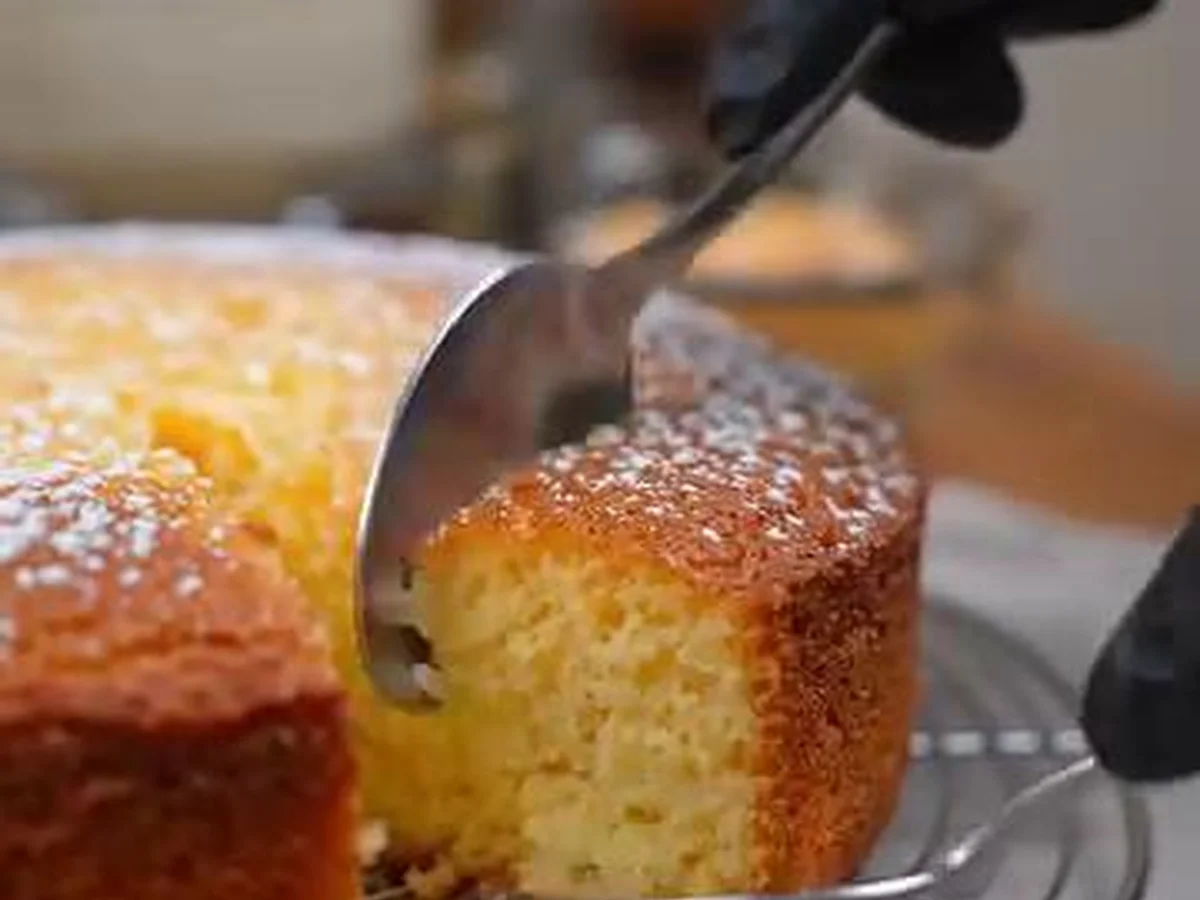
Fluffy sponge cake is versatile. Serve it simply, lightly dusted with powdered sugar, and accompanied by a cup of tea or coffee for an indulgent afternoon treat. For more celebratory occasions, consider pairing it with whipped cream and fresh berries or a rich chocolate ganache. Sparkling wines or light dessert wines, such as prosecco or Moscato, complement the sweetness beautifully. Consider enjoying it at birthday parties, weddings, or holiday gatherings.
Storage, Freezing, and Reheating
If you are fortunate enough to have leftovers, store the sponge cake in an airtight container at room temperature for up to three days. For longer storage, wrap individual slices in plastic wrap and place them in a freezer-safe bag. They can last in the freezer for up to three months. Thaw at room temperature, and serve it lightly warmed or at room temperature to retain its fluffiness and delightful texture.
Frequently Asked Questions (FAQ)
- Can I make this cake gluten-free?
Yes! You can substitute all-purpose flour with a gluten-free blend. Just ensure it contains xanthan gum to maintain the desired texture. - Why is my sponge cake dense?
Dense sponge cake usually results from overmixing, using cold ingredients, or not whipping the eggs sufficiently. Be sure to follow the techniques for aeration and mixing lightly. - What can I use instead of eggs?
Flax eggs or unsweetened applesauce can work as egg substitutes, but remember that the texture may differ slightly from the traditional cake. - How do I prevent my cake from sticking to the pan?
Grease and lightly flour your cake pans before pouring in the batter. You may also line the bottom with parchment paper for added assurance. - Can I add chocolate to this recipe?
Absolutely! You can either fold in cocoa powder for a chocolate sponge or layer it with chocolate ganache for a decadent twist.
Conclusion
Creating a homemade fluffy sponge cake is a joyful culinary adventure that rewards you with a light, flavorful, and absolutely delightful treat. So don your apron, gather your ingredients, and let the magic unfold in your kitchen!
The History of This Recipe
Homemade fluffy sponge cake has its roots in the kitchens of 18th-century Europe, where bakers began experimenting with lighter cakes that relied on whipped egg whites for their airy texture. This innovation marked a shift from denser, bread-like cakes to desserts that were not only delicious but also visually appealing.
As the recipe spread across the continent, variations emerged, with each region adding unique touches, such as almond essence in Italy or citrus zest in Spain. The popularity of sponge cake grew, becoming a staple at celebrations and gatherings, symbolizing joy and indulgence.
Over time, home bakers mastered the technique of creating the perfect sponge, often passing down family recipes through generations. Today, homemade fluffy sponge cake remains a beloved treat, celebrated for its simplicity and versatility in pairing with fruits, creams, and various frostings.
Homemade Fluffy Sponge Cake
INGREDIENTS
- 1 cup all-purpose flour
- 1 cup granulated sugar
- 1 cup milk (preferably whole milk)
- 4 large eggs
- 1/2 cup unsalted butter, melted
- 1 tablespoon baking powder
- 1 teaspoon vanilla extract
INSTRUCTIONS
Preheat your oven to 350°F (175°C). Grease and flour an 8-inch round cake pan or line it with parchment paper.
In a mixing bowl, whisk together the all-purpose flour, baking powder, and salt until well combined. Set aside.
In a separate large bowl, beat the eggs and sugar with an electric mixer on medium speed until the mixture is light and fluffy, about 5 minutes.
Add the vanilla extract and melted butter to the egg mixture, and continue to mix until well incorporated.
Gradually add in the dry flour mixture to the wet mixture, alternating with the milk. Start with the flour, and mix gently. Be careful not to overmix; mix just until combined.
Pour the batter into the prepared cake pan and spread it evenly.
Bake in the preheated oven for 25-30 minutes or until a toothpick inserted into the center comes out clean and the cake springs back when lightly touched.
Once baked, remove the cake from the oven and let it cool in the pan for about 10 minutes. Then, transfer it to a wire rack to cool completely.
Once the cake is cool, you can frost it with your favorite frosting or serve it plain, dusted with powdered sugar.
Time & Calories
Total Time: 1 hour (30 minutes prep, 30 minutes bake)
Approximate Calories per slice (based on 8 slices): 180 calories
NOTES
Enjoy your delicious homemade Homemade Fluffy Sponge Cake !