Introduction
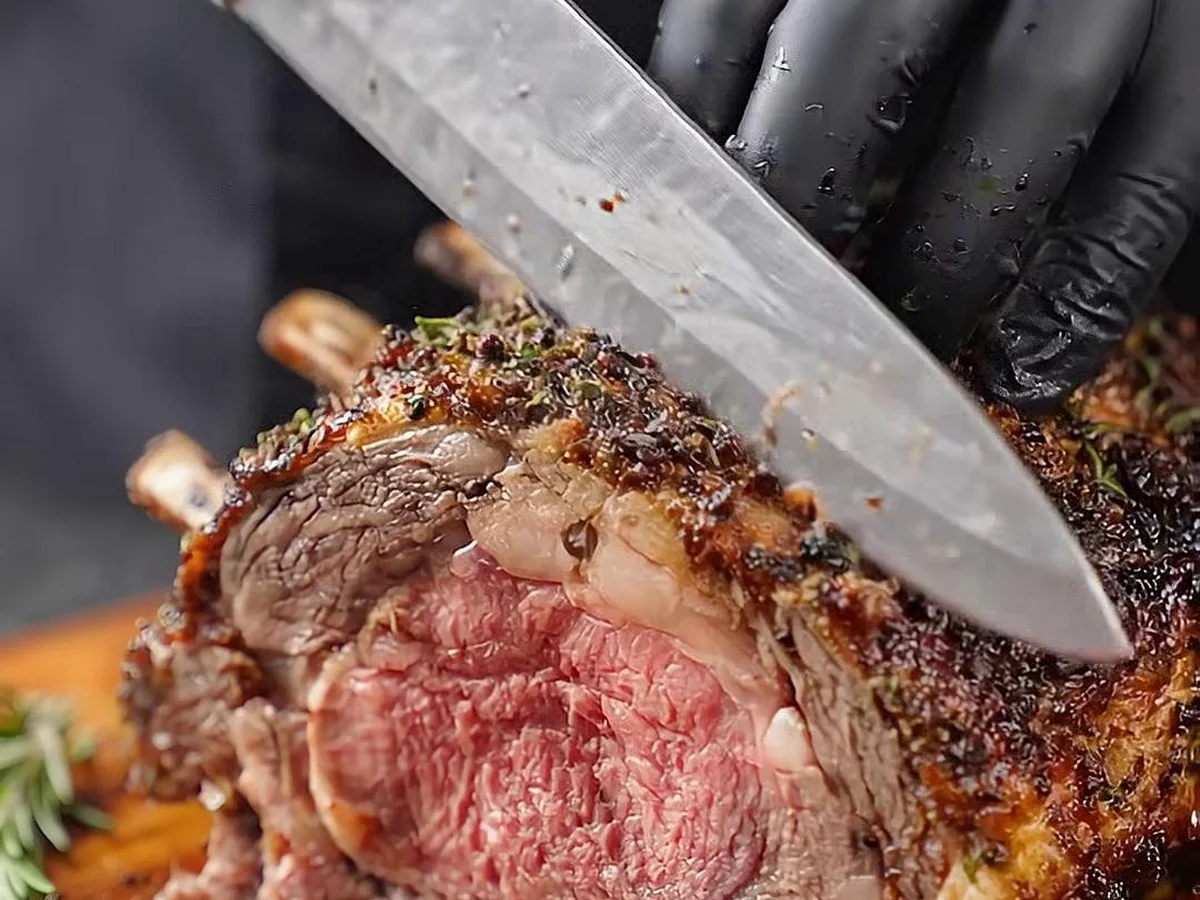
When it comes to culinary experiences that marry elegance with comfort, few dishes stand out like the Herb-Crusted Prime Rib Roast. A firm favorite at family gatherings, holiday celebrations, and festive feasts, this sumptuous roast promises an explosion of flavors and textures that evoke warmth and nostalgia in every bite. Imagine the aroma of garlic mingling with fresh herbs wafting through your home, inviting everyone to the dinner table. Each slice reveals a perfectly pink center surrounded by a crusted exterior, fragrant with rosemary and thyme. As you sink your teeth into tender, juicy meat, the rich flavor of well-marbled beef captivates your senses. The crispy herbal crust adds a delightful bite, enhancing every mouthful. This dish doesn’t just feed the body; it nourishes the soul, creating lasting memories around the dining table.
The Origins and History
The prime rib roast, often referred to as a standing rib roast, has a rich history rooted in British cuisine. Dating back to the 17th century, this cut of beef was traditionally reserved for special occasions and gatherings. The method of cooking it low and slow has endured across generations, with variations adopted in various cultures. In the United States, the dish has become synonymous with hearty, family-centric meals, particularly during holidays like Christmas and Thanksgiving. Coupled with herbs and spices, the concept of herb-crusting dates back even further, as chefs sought to enhance the natural flavors of meats. The use of fresh, aromatic herbs showcases a beautiful aspect of culinary traditions that honor the produce from local markets and farms. Over time, the herb-crusted prime rib has evolved, with each family often adding their distinctive spin—making it not just a dish, but a cherished symbol of gastronomic heritage.
Why You Will Absolutely Love This Recipe
- Unparalleled Flavor Profile: The combination of fresh herbs and garlic creates an aromatic crust that enhances the rich flavor of the beef.
- Ease of Preparation: Despite its impressive appearance and taste, this roast is straightforward to prepare and requires minimal ingredients.
- Perfect for Entertaining: It’s a showstopper that is sure to wow your guests, making it ideal for gatherings and special celebrations.
- Leftover Potential: The savory roast makes excellent leftovers that can be transformed into sandwiches, soups, or salads.
- Feel-Good Comfort Food: This dish embodies the essence of comfort food, reminding us of family meals and happy occasions.
Deep Dive into the Ingredients
The success of this dish relies heavily on the quality of its ingredients, each chosen for their uniqueness and ability to contribute to the whole. Let’s take a closer look at them:
- Bone-In Prime Rib Roast: A prime rib roast typically weighs between 6-8 pounds and is known for its rich marbling, which means a beautifully tender and juicy result. The bone not only adds flavor during the cooking process but also helps to retain moisture, making for a succulent final product.
- Olive Oil: This healthy fat not only serves as a base for the herb mixture but also aids in crisping up the herb crust during roasting. Olive oil is a flavorful choice that complements the beef excellently.
- Garlic: Minced garlic infuses the dish with depth. It caramelizes as the roast cooks, adding a nutty undertone that beautifully contrasts with the meat’s rich flavors.
- Fresh Rosemary and Thyme: These quintessential herbs have earthy profiles that work remarkably well with beef. Fresh herbs are far superior to dried; they offer a brightness that elevates the entire dish.
- Dijon Mustard: This adds a subtle tang that enhances the flavors of the beef and serves as a flavorful adhesive for the herbs. Its slight acidity helps to tenderize the meat and balances the richness.
- Sea Salt: Quality salt is vital in drawing out the roast’s natural flavors and enhancing the overall seasoning. It’s essential not to skip this element, as the salt plays a crucial role in the roasting process.
There are a few substitution options if necessary. For instance, while prime rib is recommended for its exquisite taste, a ribeye roast or even a sirloin could serve as alternatives. Fresh herbs can sometimes be swapped but will vary in intensity, so expect different flavor outcomes. For a gluten-free version, simply ensure your Dijon mustard is certified gluten-free.
Pro Tips for Perfect Results
Achieving the ideal Herb-Crusted Prime Rib Roast requires a combination of technique, timing, and a touch of patience. Here are some expert tips to ensure perfection:
- Let the Meat Come to Room Temperature: Before cooking, allow your prime rib to rest outside the fridge for about 2 hours. This step ensures even cooking, as a cold roast will take longer to cook on the inside.
- Season Generously: Don’t skimp on salt! Generously seasoning the roast before cooking will enhance its natural flavors. A good rule of thumb is approximately 1 teaspoon of sea salt per pound of meat.
- Use a Meat Thermometer: The best way to ensure your roast is cooked to your preferred doneness is to use a reliable meat thermometer. Aim for 130°F for medium-rare and allow for resting, during which the temperature will rise.
- Rest the Meat Post-Cooking: After removing the roast from the oven, let it rest for at least 20-30 minutes before slicing. This allows the juices to redistribute, resulting in a more flavorful and juicy bite.
- Roast Vegetables Alongside: Enhance the experience by roasting seasonal vegetables alongside your prime rib, allowing their flavors to meld while you enjoy the sumptuous dish.
Serving and Pairing Suggestions
This delightful roast pairs beautifully with classic accompaniments. Consider serving it alongside creamy mashed potatoes, roasted seasonal vegetables, or a rich gravy made from the drippings. For wine enthusiasts, a full-bodied red wine, such as Cabernet Sauvignon or Merlot, complements the rich flavors of the beef perfectly. And don’t forget a bright salad with a tangy vinaigrette to balance the richness.
Storage, Freezing, and Reheating
To ensure the longevity of your Herb-Crusted Prime Rib Roast, proper storage methods are key. Once cooled, wrap the leftover roast tightly in aluminum foil or place it in an airtight container. It can be stored in the fridge for up to 3-4 days. For longer storage, consider slicing the roast into portions and freezing them. When reheating, avoid the microwave if possible; instead, gently warm slices in the oven at 250°F until heated through, preserving their tenderness while preventing dryness.
Frequently Asked Questions (FAQ)
1. How do I know when my prime rib is done? Using a meat thermometer is the most accurate way. For medium rare, look for an internal temperature of 130°F.
2. Can I cook prime rib in an electric or convection oven? Yes! Adjust cooking times according to your oven’s guidelines. A convection oven may cook faster due to better heat circulation.
3. Should I cover the roast while it cooks? No, for the best crust, cook the roast uncovered. Covering it may prevent the crust from reaching that beautiful golden color.
4. What’s the best way to carve prime rib? After resting, use a sharp carving knife to slice against the grain for the most tender bites. This technique helps break down the meat fibers.
5. Is prime rib the same as ribeye? While they come from the same primal cut, prime rib is typically cooked as a roast (bone-in), while ribeye is often served as individual steak cuts.
Conclusion
With its rich flavors, tender texture, and stunning presentation, the Herb-Crusted Prime Rib Roast is a dish sure to impress and delight. Embark on the journey of creating this culinary masterpiece, and watch as it transforms your dining experience. Enjoy every succulent bite!
The History of This Recipe
The origins of the herb-crusted prime rib roast can be traced back to the lavish banquets of European nobility in the 19th century. This succulent cut of beef was often reserved for special occasions, showcasing the wealth and culinary sophistication of the hosts.
As the recipe evolved, cooks began to experiment with various herb combinations, leading to the creation of a savory crust that enhanced the roast’s natural richness. Rosemary, thyme, and garlic soon became popular choices, each adding depth and complexity to the dish.
Today, the herb-crusted prime rib roast is a beloved centerpiece for holidays and celebrations, symbolizing both tradition and indulgence. Its preparation has become a celebrated ritual in homes around the world, uniting families over the joy of shared meals.
Herb-Crusted Prime Rib Roast
INGREDIENTS
- 1 bone-in prime rib roast (about 6–8 pounds)
- 2 tablespoons olive oil
- 4 cloves garlic, minced
- 2 tablespoons fresh rosemary, chopped
- 2 tablespoons fresh thyme, chopped
- 2 tablespoons Dijon mustard
- 1 tablespoon sea salt
INSTRUCTIONS
Preheat the oven to 450°F (230°C).
In a small bowl, combine the minced garlic, chopped rosemary, chopped thyme, olive oil, Dijon mustard, sea salt, black pepper, onion powder, and garlic powder. Mix well to form a paste.
Pat the prime rib roast dry with paper towels to remove any moisture. This will help create a nice crust.
Rub the herb paste all over the prime rib roast, making sure to cover it evenly on all sides.
Place the roast, bone-side down, in a roasting pan. If you have a rack, place the roast on it to allow for even cooking.
Roast in the preheated oven for 20 minutes to develop a crust, then reduce the temperature to 325°F (165°C).
Continue roasting for about 1.5 to 2 hours, or until the internal temperature reaches your desired doneness:
125°F (52°C) for rare,
135°F (57°C) for medium-rare,
145°F (63°C) for medium.
During the last hour of roasting, add the beef broth to the roasting pan to keep the meat moist and to create a delicious jus.
Once the roast reaches the desired temperature, remove it from the oven and let it rest for at least 20-30 minutes. This allows the juices to redistribute throughout the meat.
Slice the prime rib and serve with the pan juices or your choice of sides.
Time & Calories:
Total Time: Approximately 3 hours (including resting time)
Calories: Approximately 440 calories per serving (based on a 6 oz serving, excluding sides)
NOTES
Enjoy your delicious homemade Herb-Crusted Prime Rib Roast !