Introduction
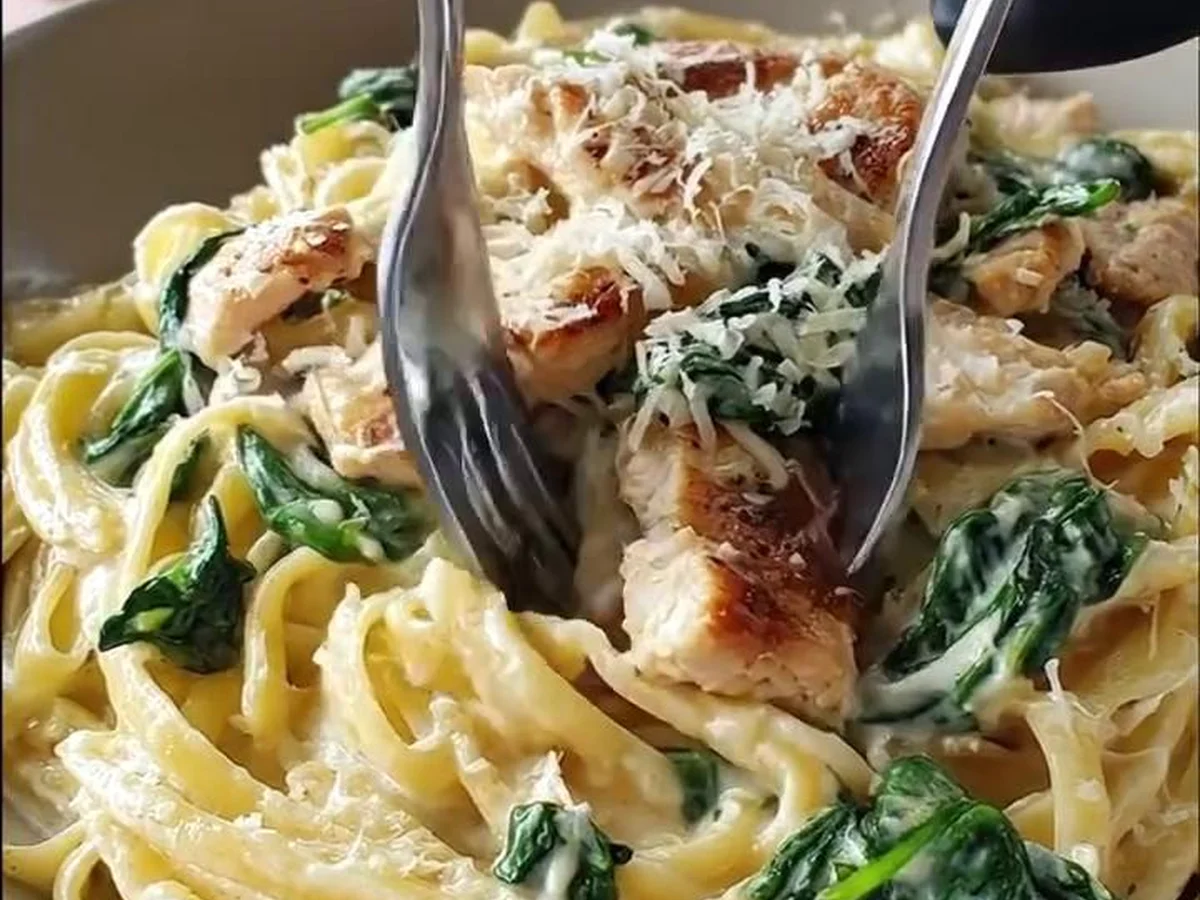
Picture this: You arrive home after a long, exhausting day, the kind that seems to drain every last drop of energy from your body. As you step through the door, the familiar scent of garlic and butter beckons from the kitchen, wrapping around you like a warm, comforting hug. In the pan, luscious ribbons of pasta dance in a creamy, verdant sauce flecked with bright green spinach. This is not just any meal; this is Florentine Pasta, a dish that beautifully marries the hearty appeal of Italian cuisine with the soulful comfort of home cooking.
Florentine Pasta is more than just a dish; it’s an experience. The smooth, rich cream envelops the pasta in a silky embrace, while the robust flavor of garlic intermingles with the subtle earthiness of fresh spinach. Each bite delivers a perfect balance of flavors, textures, and aromas that evokes feelings of warmth and satisfaction. Whether you’re hosting a dinner party or simply indulging in a quiet evening at home, Florentine Pasta stands out as a quintessential comfort food that delights the palate and nourishes the soul.
The Origins and History
The cultural roots of Florentine Pasta run deep, intertwined with the rich culinary traditions of Italy. The term “Florentine” typically refers to dishes that incorporate spinach, a nod to Florence—home to the Medici family and a cradle of Renaissance art and cuisine. While the exact origin of creamy pasta dishes is debatable, one can trace their lineage back to the medieval period when pasta began to emerge as a staple in Italian households.
Historically, pasta has been a versatile canvas for a myriad of ingredients, and it has evolved across various regions, each contributing distinct flavors and cooking techniques. Florentine Pasta, with its creamy sauce and vibrant green spinach, symbolizes the essence of Italian cooking: simple ingredients transformed into a masterpiece of flavors and textures. Whether enjoyed at a rustic trattoria or whipped up in the cozy corners of a home kitchen, this dish continues to capture hearts and palates, making it a beloved entry in the global culinary lexicon.
Why You Will Absolutely Love This Recipe
- Flavor Profile: The combination of rich cream, savory garlic, and bright spinach creates a harmonious balance that makes every bite a crowd-pleaser.
- Ease of Preparation: With simple steps and minimal ingredients, this recipe caters to both novice cooks and seasoned chefs, ensuring something delicious in about 30 minutes!
- A Comfort Food Classic: Perfect for cozy nights in, this dish offers the kind of warmth and satisfaction that turns any meal into a celebration.
- Versatility: Leftovers can be transformed into an entirely new dish, or you can easily personalize the recipe by adding proteins or other vegetables.
Deep Dive into the Ingredients
Understanding the ingredients used in Florentine Pasta is key to mastering this gorgeous dish. The main components are simple yet contribute vital textures and flavors:
- Pasta (250g): Fettuccine is often chosen for its flat, wide shape that holds sauces beautifully, while penne offers a delightful bite with its tubular form. The choice of pasta contributes significantly to the dish’s final texture, so selecting one that captures the sauce well is essential.
- Butter (2 tablespoons): This is the foundation of flavor, imparting a rich, creamy mouthfeel. As it melts, it forms the base of the sauce, marrying the garlic and cream into a delightful mixture.
- Garlic (2 cloves, minced): The aromatic qualities of garlic elevate the entire dish. Freshly minced garlic releases an intense flavor, which cooks down beautifully when sautéed, adding depth and aromatic complexity to the sauce.
- Fresh Spinach (200g): Spinach brings vibrant color and fresh earthiness, not only enhancing the visual appeal but also enriching the dish with essential nutrients. You can substitute with kale or Swiss chard for a different texture but try to use fresh greens for the best results.
- Heavy Cream (100ml): A crucial element for creating a luscious, velvety sauce, heavy cream adds richness and a luxurious mouthfeel. If looking for a lighter option, half-and-half or a plant-based alternative could be used, although they may slightly alter the taste and texture.
- Parmesan Cheese (50g, grated): This brings a salty, nutty flavor that enhances the dish’s richness. Parmesan should ideally be fresh-grated for the best flavor. Pecorino Romano can be a great substitute if you’re looking for a sharper taste.
- Salt and Pepper: Essential seasonings that elevate and balance the flavors, making sure each ingredient shines through.
Pro Tips for Perfect Results
To create the ultimate Florentine Pasta, follow these expert tips for flawless execution:
- Cook Pasta Al Dente: Boil your pasta until it’s al dente—soft but still firm to the bite. This not only ensures perfect texture but also allows the pasta to absorb the sauce without becoming mushy.
- Emulsify the Sauce: To achieve a creamy, cohesive sauce, you can reserve a little pasta cooking water and add it to your sauce. The starch in the water helps to emulsify, binding the sauce and pasta together beautifully.
- Fresh Ingredients Matter: Utilize fresh garlic, cream, and spinach for the best flavor. Store-bought elements may compromise the delicate taste and texture that fresh ingredients offer.
- Don’t Overcook the Spinach: Quickly sauté the spinach down just until wilted. Overcooking can lead to a loss of nutrients and vibrancy, both in flavor and color.
Serving and Pairing Suggestions
Florentine Pasta can stand alone as a hearty main dish, but consider serving it alongside a crispy green salad dressed in a light vinaigrette to cut through the richness. A glass of chilled white wine, such as Pinot Grigio or Sauvignon Blanc, would perfectly complement the dish’s creamy texture. For occasions, this pasta shines featured at cozy gatherings or family dinners, bringing warmth and laughter to the table.
Storage, Freezing, and Reheating
If you happen to have leftovers (which may be hard to believe!), you can store any uneaten pasta in an airtight container in the fridge for up to 3 days. To reheat, gently warm it on the stovetop with a splash of milk or cream to restore its creamy consistency. Freezing is another option; just be aware that the texture of the sauce may change slightly. For freezing, place the cooled, cooked pasta in a suitable container, and it can be kept in the freezer for up to a month.
Frequently Asked Questions (FAQ)
- Can I make this dish vegetarian? Absolutely! The recipe is entirely vegetarian, and you may enhance it by adding more vegetables like mushrooms or bell peppers.
- Can I use other proteins? Yes! Feel free to add grilled chicken, sautéed shrimp, or even tofu for a meatier version that caters to your dietary preferences.
- Is it possible to make this dish dairy-free? Yes, you could use coconut cream and nutritional yeast to create a dairy-free version while still maintaining creaminess and flavor.
- What types of pasta work best for this recipe? While fettuccine and penne are popular choices, you could also use linguine or farfalle. The key is to choose pasta shapes that hold sauce well.
Conclusion
Florentine Pasta is a timeless dish that captures the essence of Italian comfort food. Easy to make yet elegantly satisfying, it brings together a simple list of ingredients to create an experience worth savoring. So the next time you’re in need of something deliciously comforting, let this delightful pasta dish be your go-to culinary retreat.
The History of This Recipe
Florentine Pasta traces its origins to the vibrant culinary traditions of Florence, a city renowned for its rich history and art. The dish emerged during the Renaissance when local cooks sought to combine simple ingredients with the flavors of the region.
The signature blend of fresh vegetables, herbs, and cheese reflects the Tuscan commitment to quality and freshness. Florentine Pasta became popular as it showcased seasonal produce and celebrated the balance of flavors that characterize Italian cuisine.
As it gained recognition beyond local kitchens, the dish evolved, incorporating various pasta types and regional variations. Today, Florentine Pasta stands as a beloved symbol of Italian gastronomy, cherished by food lovers around the world.
Florentine Pasta
INGREDIENTS
- 250g pasta (such as fettuccine or penne)
- 2 tablespoons butter
- 2 cloves minced garlic
- 200g fresh spinach
- 100ml heavy cream
- 50g grated Parmesan cheese
- Salt and pepper to taste
INSTRUCTIONS
Bring a large pot of salted water to a boil. Add the pasta and cook according to package instructions until al dente. Reserve 1/2 cup of the pasta water, then drain the pasta and set it aside.
In a large skillet, melt the butter over medium heat. Add the minced garlic and sauté for about 1 minute until fragrant, but be careful not to let it brown.
Add the fresh spinach to the skillet and cook, stirring frequently, until wilted, about 2-3 minutes.
Pour in the heavy cream and stir well to combine. Allow the cream to simmer for about 2-3 minutes until slightly thickened.
Stir in the grated Parmesan cheese, and mix until melted and incorporated. If the sauce is too thick, add some reserved pasta water to reach your desired consistency.
Season the sauce with salt, pepper, and a pinch of nutmeg if using.
Add the cooked pasta to the skillet, tossing it gently to coat the pasta with the sauce. Heat through for 1-2 minutes.
Serve warm, garnished with fresh parsley if desired.
Time & Calories:
Preparation Time: 10 minutes
Cooking Time: 15 minutes
Total Time: 25 minutes
Estimated Calories: 450 calories per serving (based on 2 servings)
NOTES
Enjoy your delicious homemade Florentine Pasta !