Introduction
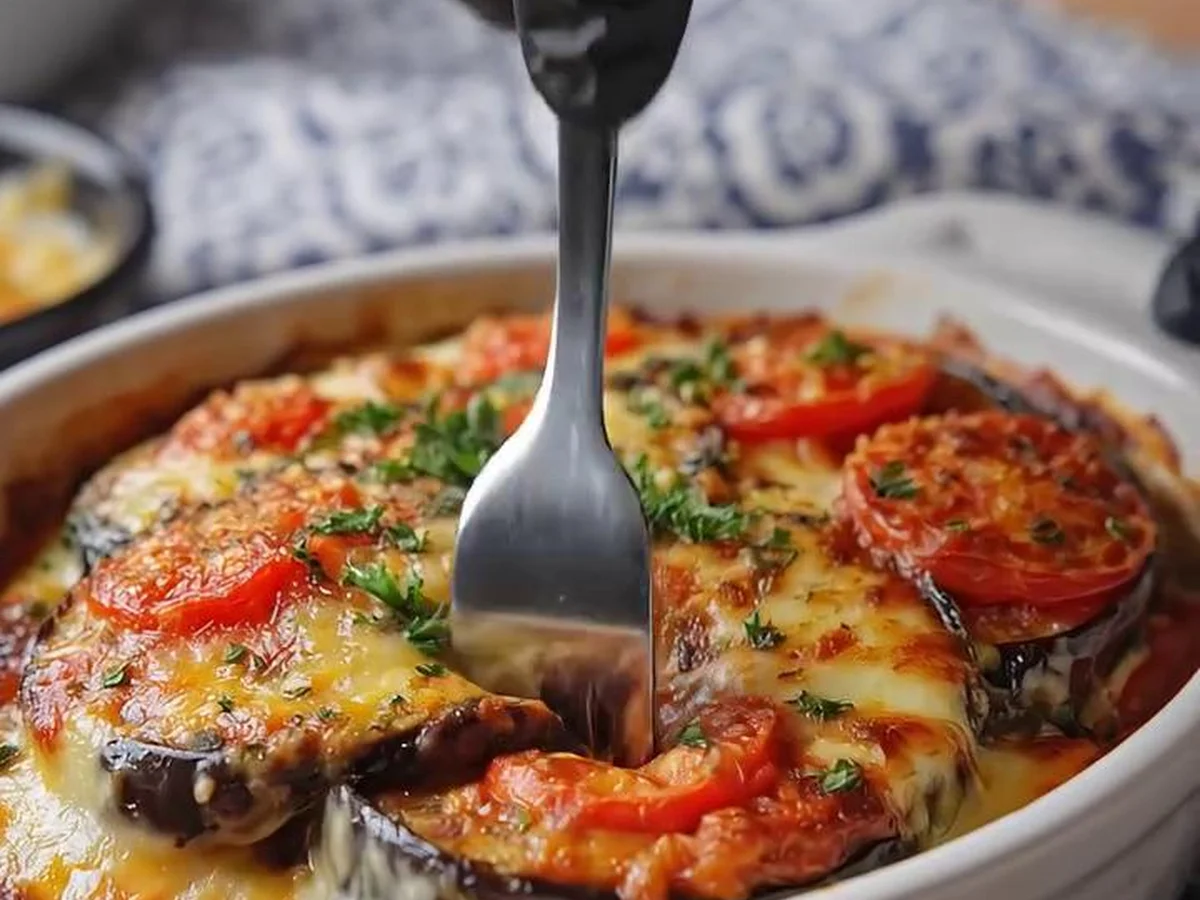
Imagine this: a dish that envelops your kitchen in an aromatic hug, enticing friends and family to gather around the dining table. Eggplant Gratin is one of those enchanting recipes that not only satisfies your hunger but tantalizes your senses with layers of flavor, texture, and warmth. The air is infused with the earthy scent of roasted eggplants and garlic, while the bubbling mozzarella sends up puffs of steam, carrying a promise of gooey, cheesy goodness that is simply irresistible.
This dish effortlessly blends rich Italian rusticity with the comfort of home-cooked meals, making it a quintessential comfort food suited for both casual gatherings and elegant dinner parties. The first bite reveals a harmonious fusion of tender eggplant, the sweetness of ripe tomatoes, and the creamy decadence of melted cheese, punctuated with fragrant herbs. Each mouthful is a journey into pure culinary delight, one that nurtures not only the body but also the soul.
The Origins and History
Eggplant Gratin has roots that swirl through various Mediterranean cuisines, finding a beloved spot in Italian culinary traditions. The eggplant, also known as aubergine, has a long-standing history in regions like Sicily, where dishes often showcase fresh, seasonal ingredients that celebrate the Mediterranean climate. It’s fascinating to consider how this dish might have evolved in the kitchens of Sicily, with home cooks layering ingredients like eggplants, tomatoes, and cheese that were locally sourced from sunny gardens.
While much of eggplant’s popularity can be traced back to Italian origins, it can be found across many cultures under various forms. Think of the Middle Eastern Baba Ganoush or Indian Baingan Bharta; these reflect a universal love for the versatile eggplant. The gratin style—cooking under a layer of cheese or breadcrumbs—adds a layer of luxury and comfort that speaks to shared culinary traditions throughout Europe and beyond.
Why You Will Absolutely Love This Recipe
- Flavor Profile: With its interplay of savory eggplant, fresh tomatoes, and gooey mozzarella, every bite is a flavor explosion.
- Ease of Preparation: Whether you’re a novice or seasoned chef, this dish is relatively simple to prepare, with straightforward ingredients and minimal cooking techniques.
- Crowd-Pleaser: Perfect for family dinners, it’s sure to impress guests and please even the pickiest of eaters.
- Delicious Leftovers: Eggplant Gratin tastes even better the next day as the flavors continue to meld, making it a perfect option for meal prep.
Deep Dive into the Ingredients
Diving deeper into the components of Eggplant Gratin unveils a myriad of diverse flavors, each chosen carefully to achieve a balanced dish. The star ingredient, eggplant, is not just a simple vegetable; it’s a culinary canvas that absorbs flavors beautifully. When selecting eggplants, look for those that are firm and glossy, avoiding any that feel overly soft or spongy. Varieties often vary, but classic globe eggplants are a reliable choice, providing a substantial texture that holds up well during baking.
Tomatoes bring a bright burst of acidity and sweetness that cut through the richness of the gratin. Fresh, ripe tomatoes are essential here; they should be juicy and fragrant. If you’re unable to find fresh options, good-quality canned tomatoes can be a reliable substitute but be sure to drain them well to avoid extra moisture.
And we can’t overlook the mozzarella cheese—the crown jewel of the dish. Fresh mozzarella, with its soft curds and water content, creates that much-desired meltiness that envelops the other ingredients in its creamy embrace. If you’re looking for a stronger cheese character, don’t hesitate to incorporate a bit of parmesan or pecorino cheese sprinkled on top before baking. For those needing a dairy-free option, alternative cheeses derived from nuts can work but may require adjustments in cooking time and texture.
Our supporting actors in this dish are olive oil, garlic, oregano, and a dash of salt. Extra virgin olive oil not only coats the eggplant beautifully but also enhances the overall flavor with its herbal notes. Freshly minced garlic interjects a slight pungency, while dried oregano, a staple in Mediterranean cooking, contributes a hint of earthy aroma. Finally, salt is essential—not only to enhance flavors but also to draw out moisture from the eggplant, resulting in a firmer texture.
Pro Tips for Perfect Results
Achieving the perfect Eggplant Gratin does come with its share of technical prowess. First and foremost, salting the eggplant, also known as “sweating,” is crucial. This process removes excess moisture and bitterness. Slice the eggplants into rounds, sprinkle with salt, and let them sit for about 30 minutes. Rinse and pat dry before proceeding. This simple technique ensures that your gratin won’t be watery—a common pitfall.
Next, don’t rush the layering process. Take the time to evenly layer the tomato and eggplant slices, allowing flavors to meld together in each layer. When it comes to baking, probably the most important tip is to allow the dish to cool slightly before serving. This resting time helps the gratin set, ensuring clean slices and maximizing flavor. Consider baking it in a glass dish; the visibility of the layers adds to the presentation and allows for an even cook.
Serving and Pairing Suggestions
Eggplant Gratin is versatile and can be paired with various side dishes to complement its richness. Consider serving it alongside a fresh arugula salad tossed in lemon vinaigrette for some brightness, or crusty Italian bread to soak up all the juices. When it comes to beverages, a chilled glass of white wine, such as a Pinot Grigio or Verdicchio, provides a crisp contrast to the warm, cheesy dish. Perfect for entertaining, this gratin can be the star of a cozy gathering or a festive family dinner.
Storage, Freezing, and Reheating
Storing leftovers from your Eggplant Gratin is simple and straightforward. After cooling, transfer the dish to an airtight container and refrigerate. The gratin will last for about 3-5 days in the fridge. For longer storage, Eggplant Gratin can also be frozen. Wrap it tightly in plastic wrap and then foil to avoid freezer burn, and it will retain its quality for up to three months. When ready to enjoy, thaw in the refrigerator overnight and reheat in the oven until warmed through. A little sprinkle of fresh cheese on top before reheating can refresh the textures beautifully.
Frequently Asked Questions (FAQ)
- Can I make this dish vegetarian? Absolutely! Eggplant Gratin is inherently vegetarian and can be served as a hearty main dish or a satisfying side.
- How can I make it gluten-free? Rest assured, this recipe is already gluten-free; just stick with the listed ingredients and you’re good to go!
- What if I don’t have fresh mozzarella? You could use shredded mozzarella or any cheese that melts well if fresh is not on hand. Even a solid queso fresco can work if you prefer a drier texture.
- Can I add other vegetables? Certainly! Zucchini, bell peppers, or even mushrooms would integrate seamlessly into your Eggplant Gratin, adding variety and nutrition.
Conclusion
Eggplant Gratin embodies the essence of comfort food with its gooey cheese, rich eggplants, and wholesome tomatoes. Whether enjoyed fresh from the oven or as delightful leftovers, this dish promises to bring warmth and satisfaction to your table.
The History of This Recipe
Eggplant Gratin traces its roots to the Mediterranean region, where eggplants were first cultivated and celebrated for their versatility. The dish emerged as a comforting meal, combining locally sourced ingredients like tomatoes, cheese, and herbs, creating a warm, rustic dish.
As culinary traditions traveled with traders and immigrants, Eggplant Gratin made its way into various European kitchens, particularly in France and Italy. Home cooks began experimenting with layering the components, adding personal touches that made each version unique.
Over time, Eggplant Gratin evolved into a beloved classic, often served as a side dish or a main course at family gatherings. Its creamy texture and robust flavors showcase the simple goodness of fresh produce, anchoring it as a staple in many homes.
Eggplant Gratin
INGREDIENTS
- 2 medium eggplants
- 3 ripe tomatoes
- 200 g of mozzarella cheese
- 2 tablespoons olive oil
- 2 cloves garlic, minced
- 1 teaspoon dried oregano
- 1 teaspoon salt
INSTRUCTIONS
Preheat your oven to 375°F (190°C).
Slice the eggplants into 1/4 inch thick rounds. Sprinkle salt over the slices and let them sit for 20 minutes. This will help draw out excess moisture and bitterness.
Rinse the eggplant slices under cold water and pat them dry with paper towels.
In a large skillet, heat the olive oil over medium heat. Add the minced garlic and sauté for about 1 minute until fragrant.
Add the eggplant slices to the skillet and cook for about 5-7 minutes, turning occasionally until they are tender and lightly browned. Remove from heat.
While the eggplant is cooking, slice the tomatoes into rounds.
In a baking dish, layer half of the cooked eggplant on the bottom. Follow with a layer of sliced tomatoes, then sprinkle with half of the mozzarella cheese, oregano, salt, and pepper.
Repeat the layers with the remaining eggplant, tomatoes, and mozzarella cheese. If using, sprinkle grated Parmesan cheese on top.
Cover the baking dish with aluminum foil and bake in the preheated oven for 25 minutes.
Remove the foil and bake for an additional 10-15 minutes, or until the top is golden and bubbly.
Let the gratin cool slightly before serving. Garnish with fresh basil leaves.
Time & Calories
Preparation Time: 20 minutes
Cooking Time: 40 minutes
Total Time: 60 minutes
Estimated Calories per serving (based on 4 servings): 300 calories
NOTES
Enjoy your delicious homemade Eggplant Gratin !