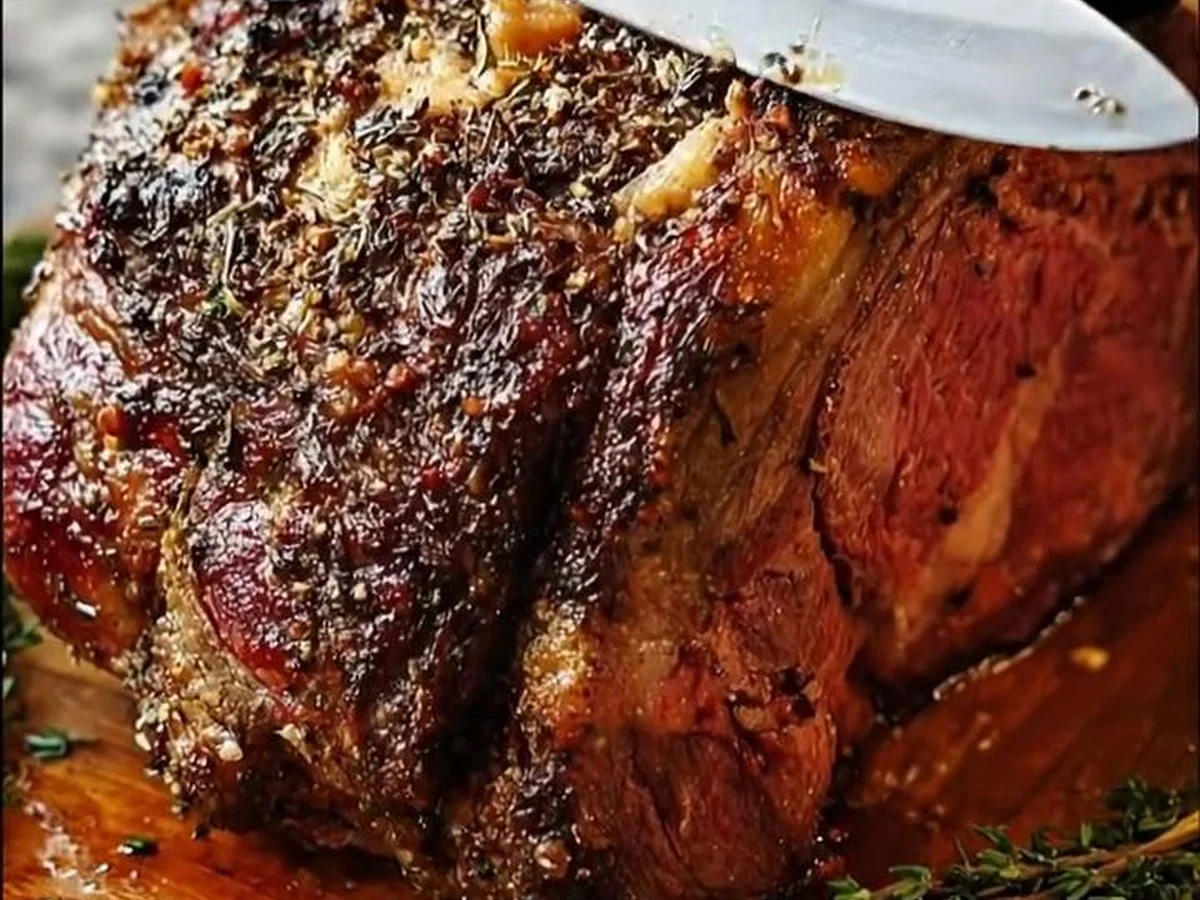
When the festive season rolls around, there is a dish so sumptuous and aromatic that it can elevate the mood of any gathering: a beautifully cooked Christmas Prime Rib. Imagine walking into a home filled with the rich, savory aroma of beef, herbs, and garlic, instantly invoking feelings of warmth and celebration. The centerpiece of a Christmas dinner table, a prime rib roast is not just a meal; it is an experience that intertwines nostalgia, flavor, and the comfort of family traditions. It beckons to be admired before it is carved, each slice revealing the juicy pink interior, glistening with a herby crust, promising indulgence.
This cut of beef, known for its tenderness and rich marbling, consistently puts it at the heart of holiday feasts. As the knife glides through the roast, the holiday spirit spills over—an invitation for loved ones to gather and share stories while savoring each bite. The tenderness of the beef, paired with the aromatic blend of garlic and herbs, forms an unforgettable taste combination that echoes through generations. From the crackling sear to the juicy interior, this traditional dish not only satisfies the palate but also the soul, bringing everyone together during the most wonderful time of the year.
The Origins and History
The prime rib roast has a storied history that speaks to its prominence as a celebratory dish in Western cultures, particularly during special occasions such as Christmas. Originating back to the British Isles, the prime rib became a staple of the festive season as families would gather to feast on lavish meals. The term “prime” signifies the cut’s high quality, sourced from young cattle that are raised specifically for their tenderness and flavor, making it a sign of luxury and abundance. In early traditions, roasting meat over an open fire was common, which laid the foundation for contemporary roasting methods. Today, the prime rib has evolved into a beloved symbol of holiday meals worldwide, often making appearances not just at Christmas, but also at weddings, anniversaries, and other significant celebrations. The art of slow-roasting enhances not just the flavors but also the communal experience, encapsulating the essence of togetherness.
Why You Will Absolutely Love This Recipe
- Exquisite Flavor Profile: The combination of rich beef flavor accentuated by the garlic and the aromatic herbs ensures a mouth-watering experience.
- Impressive Presentation: With its stunning crust and juicy interior, a prime rib roast is a feast for the eyes as much as it is for the stomach, perfect for holiday gatherings.
- Ease of Preparation: Despite its grandeur, the cooking process is straightforward, allowing you to focus on what really matters: spending time with loved ones.
- Crowd-Pleaser: This dish is a favorite among meat lovers and is sure to please guests of all ages, often leaving them asking for seconds.
- Delicious Leftovers: Few things are as delightful as the remnants of a prime rib roast, which can be transformed into sandwiches, salads, or soups, stretching the meal’s enjoyment beyond the initial feast.
Deep Dive into the Ingredients
Every ingredient in this recipe plays a pivotal role in crafting the ultimate Christmas Prime Rib Roast:
- Prime Rib Roast (5-7 pounds): This cut is revered for its tenderness and rich flavor. The marbling within the meat ensures a moist and juicy roast when cooked, as the fat renders deliciously during the cooking process. If you want to try a different cut, consider opting for a ribeye or even a tenderloin, but be aware that they each offer distinct textures and flavors.
- Butter (1/2 cup, softened): Incorporating butter into the seasoning mixture lends a luxurious richness to the crust. It not only helps to create a beautiful caramelization on the roast but also infuses extra moisture into the meat. If you’re looking for a healthier alternative, you can use olive oil, though it will yield a different flavor profile.
- Garlic (6 cloves, minced): Garlic’s pungency elevates the entire dish, adding a savory depth that complements the beef. You can also experiment with roasted garlic for a sweeter, nuttier flavor, or even substitute with shallots for a milder taste.
- Kosher Salt (1 tablespoon): This crucial ingredient draws out moisture while enhancing the beef’s natural flavors. It is recommended to use kosher salt for its texture and ease of application; however, you can substitute it with table salt at a reduced amount to avoid over-salting.
- Freshly Ground Black Pepper (1 tablespoon): Freshly ground pepper opens up the flavors in the meat, delivering a sharp and robust kick that complements the other ingredients. The type of pepper you use can vary, impacting the dish; for instance, smoked black pepper will impart an intriguing taste twist.
- Dried Rosemary and Dried Thyme (2 teaspoons each): These aromatic herbs enhance the roast, painting a fragrant backdrop that immerses your kitchen in a holiday ambiance. Fresh herbs can be used instead, though you would need to adjust the amount as dried herbs are more potent.
Pro Tips for Perfect Results
To ensure that your Christmas Prime Rib is the star of the show, consider these essential tips:
- Let the Meat Rest: Allowing the prime rib to come to room temperature before roasting will guarantee more even cooking. Plan for at least 2 hours of rest before it hits the oven.
- Sear for Perfection: For a beautifully caramelized crust, sear the roast in a hot skillet with the seasoned butter before transferring it to the oven. This helps lock in flavors and juices.
- Use a Meat Thermometer: Invest in a reliable meat thermometer to ensure your roast reaches the perfect doneness. Aim for an internal temperature of 125°F for medium-rare, as it will continue to cook after removal.
- Rest After Roasting: Once the roast is out of the oven, allow it to rest for 20-30 minutes before carving. This lets the juices redistribute for a more tender bite.
- Explore Flavors: Feel free to experiment with different spices and marinades before roasting. A sprinkle of paprika or a dash of Worcestershire sauce can give your roast a unique twist!
Serving and Pairing Suggestions
The Christmas Prime Rib is a grand dish that calls for equally delectable accompaniments. Side dishes such as creamy mashed potatoes, roasted vegetables, or Yorkshire pudding elevate the meal further. For beverages, a full-bodied red wine like Cabernet Sauvignon or a robust Porter beer will complement the rich flavors beautifully. This roast is perfect for family gatherings, holiday parties, or intimate dinners alike, creating an unforgettable experience.
Storage, Freezing, and Reheating
Leftover prime rib can be a delightful treasure. Ensure it is wrapped tightly in plastic wrap or aluminum foil, and stored in an airtight container in the refrigerator. Properly stored, it can last up to 3-4 days. For longer storage, you can freeze the roast, sliced or whole. Wrap it well to prevent freezer burn. When ready to enjoy, reheat gently in a low oven (about 250°F) until warmed through, keeping it moist to preserve that tenderness.
Frequently Asked Questions (FAQ)
- Can I use a different cut of meat? Absolutely! While prime rib is ideal, others like ribeye roast or even pork tenderloin can be excellent substitutes—but they will have different flavor profiles and cooking times.
- What if I don’t have dried herbs? Fresh herbs can be used in place of dried. Generally, you’ll need about three times the amount of fresh herbs to achieve the same flavor intensity.
- Can I marinate the prime rib overnight? Yes, marinating can infuse additional flavors. Just ensure you keep it refrigerated and dry it off before cooking to achieve a good crust.
- How do I know when it’s done? The best method is to use a meat thermometer. Ensure you pull it out when it’s about 5°F below your desired doneness, as it will continue to cook while resting.
- What can I do with leftovers? Leftovers can be sliced for sandwiches, added to salads, or transformed into a rich beef soup or stew—endless options await!
Conclusion
As the centerpiece of your holiday feast, a perfectly cooked Christmas Prime Rib brings joy not just in flavor but also in the memories it helps create. It’s more than just a meal; it’s a celebration of togetherness, love, and tradition. Embrace the process, savor the results, and enjoy every moment shared around the table.
The History of This Recipe
In the early 20th century, families in the United States began seeking ways to elevate their holiday feasts. As beef became more accessible, prime rib emerged as a luxurious centerpiece for Christmas dinner.
Tradition soon evolved, and the rich flavors of prime rib were celebrated alongside other festive dishes. The practice of serving this succulent roast became a symbol of abundance and family gatherings during the Christmas season.
Over the decades, Christmas prime rib grew in popularity, transcending cultural boundaries and becoming a staple in many households. Today, it stands as a beloved tradition, representing warmth, love, and the joy of sharing a meal with loved ones.
Christmas Prime Rib
INGREDIENTS
- 1 (5-7 pounds) prime rib roast
- 1/2 cup softened butter
- 6 garlic cloves, minced
- 1 tablespoon kosher salt
- 1 tablespoon freshly ground black pepper
- 2 teaspoons dried rosemary
- 2 teaspoons dried thyme
INSTRUCTIONS
Preheat your oven to 450°F (232°C).
In a mixing bowl, combine the softened butter, minced garlic, kosher salt, black pepper, dried rosemary, dried thyme, onion powder, and paprika. Mix until smooth to create a garlic-herb butter.
Place the prime rib roast on a cutting board, bone-side down. Pat it dry with paper towels to ensure a good sear.
Carefully rub the garlic-herb butter generously all over the roast, covering all sides for maximum flavor.
Place the roast in a roasting pan, bone-side down. If you have a rack, use it to elevate the roast.
Insert a meat thermometer into the thickest part of the roast, making sure it does not touch the bone.
Roast the prime rib at 450°F (232°C) for the first 20 minutes to create a crust.
After 20 minutes, reduce the oven temperature to 325°F (163°C) and continue to roast until the internal temperature of the meat reaches your desired level (about 130°F for medium-rare, about 15-20 minutes per pound).
Once the roast is done, remove it from the oven and tent it with aluminum foil. Let it rest for at least 20-30 minutes before carving to allow the juices to redistribute.
If desired, make a simple au jus by pouring the pan drippings into a saucepan, adding beef broth, and simmering it over medium heat for a few minutes. Adjust seasoning as necessary.
Carve the prime rib into thick slices and serve with au jus on the side. Enjoy your holiday feast!
Time & Calories
Total Time: Approximately 2.5 to 3 hours (including resting time)
Calories: Approximately 350-450 calories per serving (depending on portion size)
NOTES
Enjoy your delicious homemade Christmas Prime Rib !