Introduction
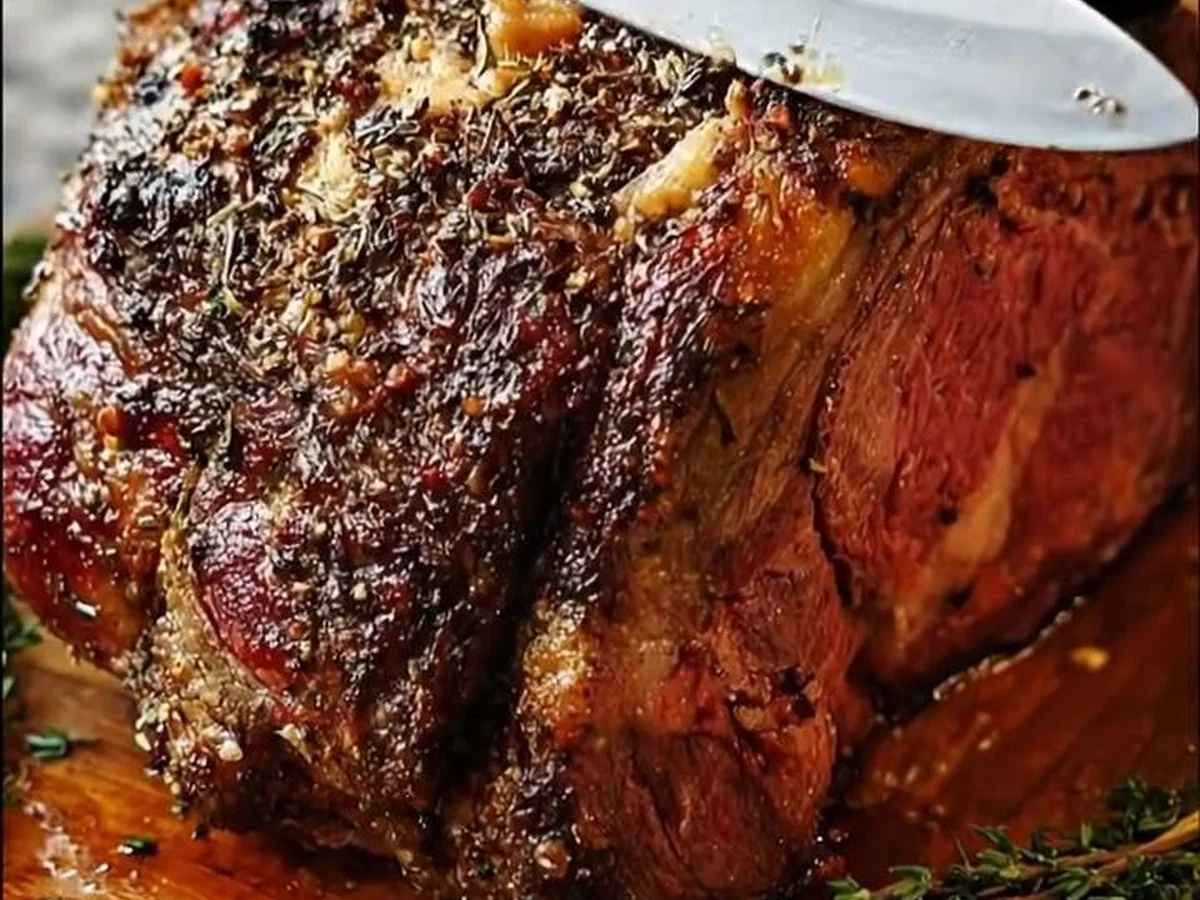
There’s something undeniably enchanting about gathering around a beautifully roasted prime rib during the holiday season, a timeless centerpiece that beckons family and friends alike. The mere thought of this succulent cut of beef, cooked to perfection, conjures an array of sensory delights. As you slice into the tender meat, the warmth radiates through the air, mingling with the earthy aromas of garlic and herbs, creating a comforting ambiance that encapsulates the spirit of Christmas itself. Each bite offers a juxtaposition of flavors: a rich, buttery essence complemented by the aromatic jump of fresh herbs like rosemary and thyme. This holiday classic is revered not only for its extraordinary taste but also for its sheer ability to joyous moments around the table—a true comfort food that elevates any festive gathering.
The Origins and History
Prime rib traces its roots back centuries, embodying a culinary heritage that has evolved over time. Historically, this dish finds its origins in the British tradition of Sunday roasts, where families would gather to share a sizable and hearty meal after church—a lineage that cleverly transitioned into holiday feasts. The prime rib roast has been synonymous with celebration and luxury, particularly during the holiday season. This cut of beef is derived from the ribs of the cow, specifically the rib primal, containing tender meat that is marbled with fat, ensuring moistness and flavor—a range of attributes sought after in festive dishes. As Christmas traditions spread across the globe, various cultures began to adopt their styles and approaches, each adding layers to this already complex and beloved dish.
Why You Will Absolutely Love This Recipe
- Flavor Profile: Indulge in the deep, rich flavors of a well-seasoned prime rib, characterized by aromatic garlic, fresh herbs, and the umami of perfectly seared meat.
- Ease of Preparation: With just a handful of ingredients and simple techniques, this dish proves that you don’t need to be a gourmet chef to create an impressive feast.
- Crowd-Pleaser: A prime rib roast is naturally impressive in size and appearance, making it a guaranteed hit at family gatherings or holiday parties.
- Leftovers for Days: The best part of making this roast? The leftovers! Slice them thinly for sandwiches, or cube them for use in soups or salads—a delightful treat long after the holiday cheer.
Deep Dive into the Ingredients
At the heart of this festive dish are the ingredients that will make it a glorious culinary centerpiece. Selecting a prime rib roast should be your first step; a cut weighing between 5 to 7 pounds is ideal for gatherings. This cut is prized for its marbling, which enhances flavor and tenderness during cooking. If prime rib is not readily available, alternatives like a standing rib roast or even a beef tenderloin can work, though they may yield a different mouthfeel.
Next is the softened butter, which serves not only as a cooking fat but also as a flavor enhancer. The rich creaminess melds beautifully with the meat’s juices and the roasted herbs, adding sumptuousness to each slice. When mixed with garlic, this butter becomes a flavor-packed marinade that seeps deep into the roast as it cooks.
No prime rib roast is complete without kosher salt and freshly ground black pepper, essential seasonings that bring balance to the richness of the beef. Kosher salt’s larger grains help create a perfect crust while seasoning the meat evenly all the way through.
Fresh herbs like rosemary and thyme infuse aromatic notes and elevate the overall flavor profile, enhancing the taste experience. Their fragrant presence will waft through your kitchen as the roast cooks, inviting hungry guests to the table.
If you find yourself without fresh herbs, dried versions can serve as suitable substitutes, albeit with a less vibrant flavor impact. Always ensure to adjust the measurements accordingly, as dried herbs are more concentrated.
Pro Tips for Perfect Results
Cooking a prime rib roast is as much about technique as it is about ingredients with particular attention required for optimal results. Start by letting the roast come to room temperature before cooking; this will ensure even cooking throughout the cut. A searing technique is vital: preheat your oven and establish a high heat to get a beautifully browned crust, locking in juices and flavor. Searing also builds a delightful, complex flavor through the Maillard reaction, where sugars and proteins react under heat.
Invest in a reliable meat thermometer to track your roast’s internal temperature accurately. Aim for a range of 130-135°F for medium-rare, ensuring your roast remains juicy and tender. Allow the meat to rest after cooking for at least 20-30 minutes before slicing; this crucial step helps retain the meat juices, ensuring each slice remains moist and delicious. Finally, don’t forget to drizzle the flavorful pan juices over the meat upon serving—a step that ties all the complex flavors together.
Serving and Pairing Suggestions
A Christmas prime rib roast demands to be paired with equally festive accompaniments. Classic sides include fluffy mashed potatoes, perfectly roasted Brussels sprouts, and upscale options like creamy horseradish sauce or rich au jus for dipping. For a splash of color and freshness, you might consider a cranberry relish or a green salad with seasonal greens and nuts.
In terms of beverages, consider serving with a full-bodied red wine, like a Cabernet Sauvignon, to complement the rich flavors of the roast. Should you prefer something lighter, a sparkling wine or festive cocktail can balance the hearty dish well. It’s the holiday season after all, so feel free to get creative!
Storage, Freezing, and Reheating
After the celebration, storing your prime rib properly is key to preserving its delectable flavors. Wrap any leftover slices in plastic wrap or aluminum foil and place them in an airtight container before refrigerating, where they can last up to 3-4 days. For longer storage, consider freezing the roast; upon doing so, wrap each slice individually to prevent freezer burn and preserve flavor, allowing it to last up to 3 months. To reheat, you can gently warm the slices in a covered skillet over low heat or place them in an oven set to 250°F until heated. This will ensure they retain moisture without drying out!
Frequently Asked Questions (FAQ)
1. How long should I cook a prime rib?
The cooking time for a prime rib roast generally ranges between 15-20 minutes per pound at 350°F for medium-rare, but relying on an internal meat thermometer will give the most accurate result.
2. Can I prepare the herb butter ahead of time?
Absolutely! The herb butter can be made ahead of time and stored in the fridge for up to a week, or frozen for several months. Just slice it into rounds before spreading it on the roast.
3. What is the best method for cooking a prime rib?
Many experts recommend a two-step process: searing at a high temperature initially to create a crust, then reducing the heat for even cooking to your desired doneness.
4. Should I use a bone-in or boneless prime rib?
Using a bone-in prime rib roast can lead to a more flavorful outcome, as the bones help to insulate the meat and impart additional flavor during cooking. However, boneless roasts are easier to carve and serve. Choose based on your preference!
Conclusion
As the centerpiece of your Christmas feast, the prime rib roast promises to not only satiate hungry guests but also become part of cherished holiday memories. This majestic cut of meat, when cooked correctly, delivers tenderness and flavor that is second to none. With your confidence bolstered by this guide, embrace the art of preparing and savoring this festive delicacy!
Simple Recipe Version
Christmas Prime Rib Ingredients: – 1 (5-7 pounds) prime rib roast – 1/2 cup softened butter – 6 garlic cloves, minced – 1 tablespoon kosher salt – 1 tablespoon freshly ground black pepper – 1 tablespoon fresh rosemary, chopped – 1 tablespoon fresh thyme, chopped – 1 teaspoon onion powder – 1 teaspoon dried oregano – 1 cup beef broth – Optional: fresh herbs for garnish Instructions: 1. Preheat your oven to 450°F (230°C). 2. In a medium bowl, combine the softened butter, minced garlic, kosher salt, black pepper, chopped rosemary, thyme, onion powder, and oregano. Mix until well combined to form a herb butter paste. 3. Place the prime rib roast on a rack in a roasting pan, bone side down. 4. Rub the herb butter mixture all over the prime rib, ensuring even coverage on all sides. 5. Pour the beef broth into the bottom of the roasting pan to keep the meat moist during cooking. 6. Insert a meat thermometer into the thickest part of the roast, making sure it doesn’t touch the bone. 7. Roast the prime rib in the preheated oven for 15 minutes to create a nice crust. 8. After 15 minutes, reduce the oven temperature to 325°F (160°C) and continue to roast until the meat reaches your desired doneness: – For rare, aim for an internal temperature of 125°F (52°C). – For medium rare, aim for 135°F (57°C). – For medium, 145°F (63°C). – For medium well, 150°F (66°C). 9. Once the roast reaches your desired temperature, remove it from the oven, cover it loosely with aluminum foil, and let it rest for 20-30 minutes. This allows the juices to redistribute throughout the meat. 10. After resting, carve the prime rib into slices and serve with your choice of sides, gravy, and fresh herbs for garnish if desired. Time & Calories: – Preparation time: 20 minutes – Cooking time: Approximately 2 hours (varies based on roast size and desired doneness) – Total time: 2 hours 20 minutes (plus resting time) – Calories per serving: Approximately 350-500 calories (depending on portion size and sides)
Christmas Prime Rib
INGREDIENTS
- 1 (5-7 pounds) prime rib roast
- 1/2 cup softened butter
- 6 garlic cloves, minced
- 1 tablespoon kosher salt
- 1 tablespoon freshly ground black pepper
- 1 tablespoon fresh rosemary, chopped
- 1 tablespoon fresh thyme, chopped
INSTRUCTIONS
Preheat your oven to 450°F (230°C).
In a medium bowl, combine the softened butter, minced garlic, kosher salt, black pepper, chopped rosemary, thyme, onion powder, and oregano. Mix until well combined to form a herb butter paste.
Place the prime rib roast on a rack in a roasting pan, bone side down.
Rub the herb butter mixture all over the prime rib, ensuring even coverage on all sides.
Pour the beef broth into the bottom of the roasting pan to keep the meat moist during cooking.
Insert a meat thermometer into the thickest part of the roast, making sure it doesn’t touch the bone.
Roast the prime rib in the preheated oven for 15 minutes to create a nice crust.
After 15 minutes, reduce the oven temperature to 325°F (160°C) and continue to roast until the meat reaches your desired doneness:
For rare, aim for an internal temperature of 125°F (52°C).
For medium rare, aim for 135°F (57°C).
For medium, 145°F (63°C).
For medium well, 150°F (66°C).
Once the roast reaches your desired temperature, remove it from the oven, cover it loosely with aluminum foil, and let it rest for 20-30 minutes. This allows the juices to redistribute throughout the meat.
After resting, carve the prime rib into slices and serve with your choice of sides, gravy, and fresh herbs for garnish if desired.
Time & Calories:
Preparation time: 20 minutes
Cooking time: Approximately 2 hours (varies based on roast size and desired doneness)
Total time: 2 hours 20 minutes (plus resting time)
Calories per serving: Approximately 350-500 calories (depending on portion size and sides)
NOTES
Enjoy your delicious homemade Christmas Prime Rib !