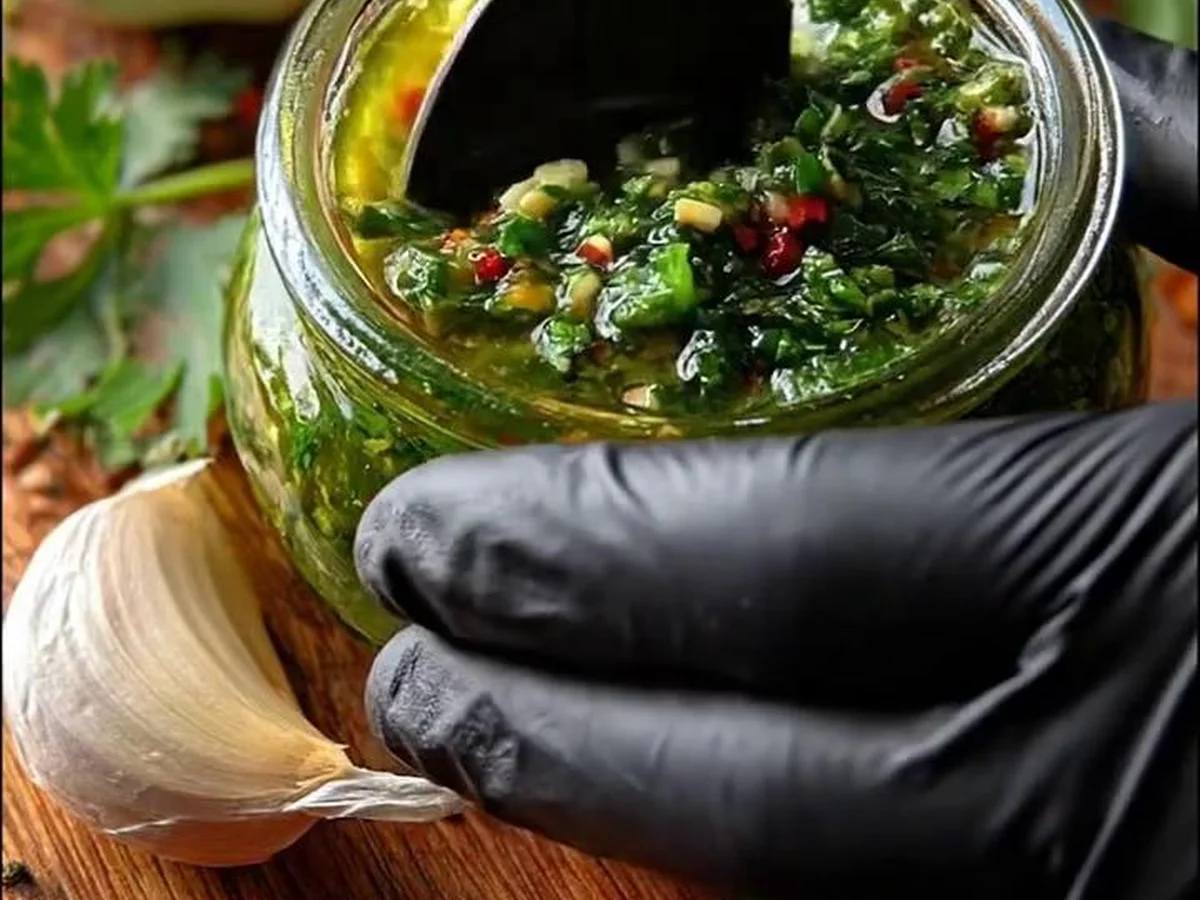
Chimichurri sauce is not just a condiment; it’s a celebration of flavor that captures the essence of Argentine cuisine. Imagine a sauce rich in vibrant green hues, exuding the earthy aroma of fresh parsley, the pungent kick of garlic, and the tangy brightness of vinegar. This sauce is both complex and refreshing, offering a burst of flavor that elevates any dish it graces. Whether drizzled over grilled meats or served as a vibrant dip, chimichurri has ascended to the throne of popular condiments. Its versatility and bold flavors have made it a beloved staple in kitchens worldwide, transcending cultural boundaries. For many, it captures the spirit of summer barbecues, family gatherings, and cozy dinners, leaving an indelible mark on our taste buds. Prepare to embark on a culinary exploration as we dive deep into the world of chimichurri sauce—a simple yet profoundly delicious creation that might just become your new favorite sauce.
The Origins and History
Chimichurri’s roots lie deeply embedded in the rich cultural tapestry of Argentina, where it is traditionally used to enhance the flavors of grilled meats, a cooking method known as asado, that’s as much a social event as it is a culinary experience. The exact origins of hummichurri remain shrouded in mystery, with various tales suggesting that the sauce originated from either the gauchos—Argentine cowboys—or perhaps as an infusion of various European influences, given the wave of Italian and Spanish immigration to the region. Its name is speculated to have come from a Basque word, “chimichurri,” that describes a mixture of herbs and spices. As Argentina gained prominence for its beef, so too did chimichurri evolve, becoming synonymous with the nation’s flavorful grilling traditions. Today, it is celebrated not just in Argentina, but also in neighboring countries and beyond, often adapted to include different herbs and spices, further enriching its storytelling.
Why You Will Absolutely Love This Recipe
- Flavor Profile: The harmonious blend of fresh herbs with the sharpness of garlic and the tang of vinegar creates a balanced sauce that complements a variety of dishes.
- Ease of Preparation: Whipping up chimichurri is quick and simple, requiring minimal cooking skills—perfect for busy weeknight dinners or spontaneous barbecues.
- Crowd-Pleaser: This sauce is sure to wow your guests, adding a wholesome, gourmet touch to any meal, whether it’s a casual gathering or a more formal occasion.
- Leftovers Delight: Chimichurri keeps well in the refrigerator, intensifying its flavors over time, making it an ideal condiment for meal prep, or mid-week culinary inspiration.
Deep Dive into the Ingredients
Each ingredient in chimichurri is chosen not just for its contribution to flavor but for how they work together to create a complex and satisfying sauce. Let’s break down these vital components:
- Fresh Parsley: The star of the dish, fresh parsley brings a bright and grassy flavor that serves as the backbone of chimichurri. Ideally, flat-leaf parsley is preferred for its robust flavor, as curly parsley tends to be more bitter.
- Garlic: Garlic is the aromatic powerhouse of the sauce. Its pungency adds depth, balancing the vinegar’s acidity and complementing the meatiness of grilled dishes. Adjust its quantity based on personal preference; more garlic offers a bolder flavor.
- Dried Oregano: This herb adds an earthy and slightly floral note. While fresh oregano can be used, dried oregano is more traditional in chimichurri because of its concentrated flavor and ease of use.
- Extra-Virgin Olive Oil: The oil serves as the sauce’s base, uniting the flavors while adding richness. Opt for high-quality extra-virgin olive oil to impart its fruity notes and robust character to the mixture.
- Red Wine Vinegar: This ingredient contributes the tangy and sour element that brightens the sauce, balancing out the oil and enhancing the freshness of the herbs. Altering the vinegar’s type can introduce different nuances to this timeless formula.
- Red Pepper Flakes: For those who enjoy a little heat, this ingredient can add a delightful kick. The amount can be adjusted according to your taste preferences, allowing you to customize the sauce’s intensity.
- Salt and Black Pepper: Essential for seasoning, these two should always be added to taste, bringing all the flavors into sharp focus. Proper seasoning is key; it can transform good chimichurri into an unforgettable experience.
- Lemon Juice: Reserved for those who prefer a brighter flavor profile, a splash of lemon juice enhances the freshness of the sauce while adding a zesty undertone that’s particularly delectable.
The beauty of chimichurri lies in its flexibility; you can easily make substitutions based on what you have on hand. Consider swapping parsley with cilantro for a different flavor profile or even introducing fresh herbs like basil or mint to personalize your chimichurri.
Pro Tips for Perfect Results
To ensure your chimichurri reaches its full potential, here are several pro tips:
- Chop Wisely: When chopping the parsley and garlic, fine chopping allows for better emulsification, ensuring that all flavors meld harmoniously together. A food processor can be a handy tool, but take care not to puree the ingredients.
- Let It Marinate: Allow the chimichurri to sit for at least 15-30 minutes after preparation; this helps all the flavors fully combine and develop, enhancing the overall experience.
- Experiment Gradually: When adjusting flavors, start with a small amount and taste frequently. This way, you can find that perfect balance that suits your palate without overwhelming the existing flavors.
- Pairing Considerations: When serving, always consider the main dish. Tender cuts of grilled meats, roasted vegetables, or even a fresh baguette can enhance your chimichurri experience, serving as vessels for the sauce.
Serving and Pairing Suggestions
The versatility of chimichurri means that it can be served with an array of dishes. Traditional pairings include grilled meats, such as steak or chicken, but it also works exceptionally well with roasted vegetables, fish, or even as a zesty dressing for salads. For drinks, consider serving it alongside a bold Malbec or a refreshing Argentinian soda. Perfect for summer barbecues, dinner parties, or casual meals, chimichurri elevates any occasion with its burst of flavor.
Storage, Freezing, and Reheating
Chimichurri can be stored in an airtight container in the refrigerator for up to 1 week. Over time, the flavors will continue to meld and develop, sometimes making it even more delicious. While it is not advisable to freeze chimichurri due to the texture of the fresh herbs, it can still be kept in smaller portions for quick access. Just be sure to allow it to thaw in the fridge overnight before use to maintain its flavors and integrity.
Frequently Asked Questions (FAQ)
- Can I use other herbs besides parsley? Yes! While traditional chimichurri relies heavily on parsley, cilantro, basil, or even mint can work wonderfully as substitutions or additions to customize the flavor profile.
- Can I make it ahead of time? Absolutely! Chimichurri can be made 1-2 days in advance; just make sure to store it in the refrigerator, and allow it to sit at room temperature for a few minutes before serving to enhance the flavors.
- How spicy can I make it? The heat level can be easily adjusted by varying the amount of red pepper flakes. Start small if you’re cautious, as it’s easier to add more heat than to take it away.
- Is it vegan-friendly? Yes! Chimichurri is entirely plant-based, making it a great option for vegans and those looking to add more plant-based excitement to their meals.
Conclusion
Chimichurri sauce is a flavorful, vibrant addition to your culinary repertoire that serves as more than just a condiment; it tells a story of culture, tradition, and the delightful joy of food. So why not grab those fresh ingredients and whip up a batch? Your taste buds will thank you!
Simple Recipe Version
Chimichurri Sauce Ingredients: – 1 cup finely chopped fresh parsley – 4 cloves garlic (minced or crushed) – 2 tablespoons dried oregano – 1/2 cup extra-virgin olive oil – 1/4 cup red wine vinegar – 1 teaspoon red pepper flakes (adjust to taste) – Salt and black pepper to taste – Juice of 1 lemon (optional for brightness) Instructions: 1. In a medium mixing bowl, combine the finely chopped parsley, minced garlic, and dried oregano. 2. Add the red pepper flakes to the mixture. Stir to combine all dry ingredients evenly. 3. Slowly pour in the extra-virgin olive oil and red wine vinegar while mixing well with a whisk or fork until everything is fully integrated. 4. Taste the sauce and sprinkle with salt and black pepper as needed. If desired, squeeze in fresh lemon juice for added brightness. 5. Once all ingredients are mixed, let the chimichurri sit for at least 30 minutes at room temperature to allow the flavors to meld together. This can also be made in advance and stored in the refrigerator for up to one week. 6. Before serving, give the sauce a good stir. Use it as a marinade or a condiment. Time & Calories: – Preparation Time: 10 minutes – Resting Time: 30 minutes – Total Time: 40 minutes – Calories per tablespoon: Approx. 75 calories
Chimichurri Sauce
INGREDIENTS
- 1 cup finely chopped fresh parsley
- 4 cloves garlic (minced or crushed)
- 2 tablespoons dried oregano
- 1/2 cup extra-virgin olive oil
- 1/4 cup red wine vinegar
- 1 teaspoon red pepper flakes (adjust to taste)
- Salt and black pepper to taste
- Juice of 1 lemon (optional for brightness)
INSTRUCTIONS
In a medium mixing bowl, combine the finely chopped parsley, minced garlic, and dried oregano.
Add the red pepper flakes to the mixture. Stir to combine all dry ingredients evenly.
Slowly pour in the extra-virgin olive oil and red wine vinegar while mixing well with a whisk or fork until everything is fully integrated.
Taste the sauce and sprinkle with salt and black pepper as needed. If desired, squeeze in fresh lemon juice for added brightness.
Once all ingredients are mixed, let the chimichurri sit for at least 30 minutes at room temperature to allow the flavors to meld together. This can also be made in advance and stored in the refrigerator for up to one week.
Before serving, give the sauce a good stir. Use it as a marinade or a condiment.
Time & Calories:
Preparation Time: 10 minutes
Resting Time: 30 minutes
Total Time: 40 minutes
Calories per tablespoon: Approx. 75 calories
NOTES
Enjoy your delicious homemade Chimichurri Sauce !