Introduction
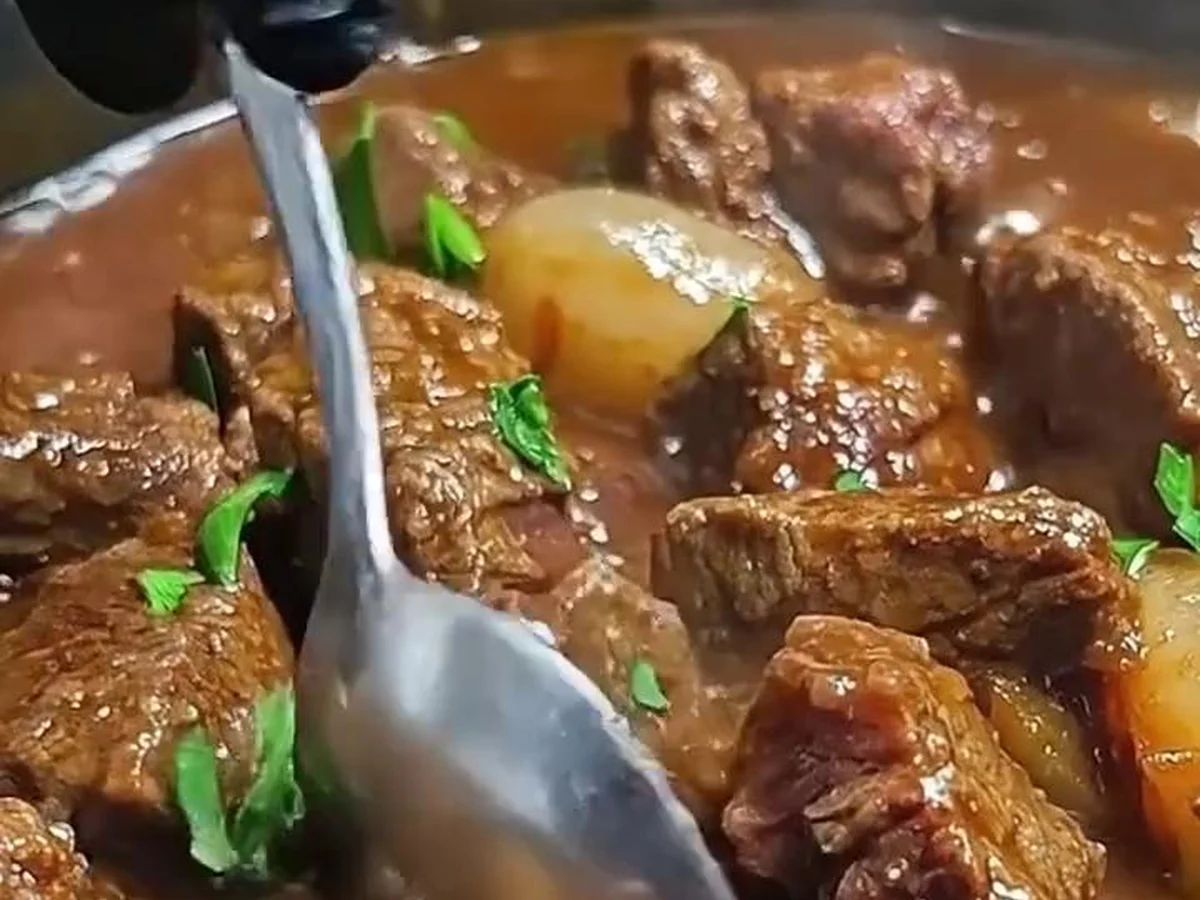
There’s an unmistakable allure to a good beef stew, a dish that beckons not just from the memories of countless family dinners but also from the hearth of home kitchens everywhere. The mere thought of slow-cooked beef melding with hearty vegetables and rich broth stirs a warm comfort that is simply irresistible. The aroma wafting through your home as this savory concoction simmers could draw anyone in, igniting nostalgic feelings of family gatherings and winter evenings spent cozied under blankets. Each spoonful promises an explosion of flavors: tender chunks of beef, sweet notes from caramelized onions, and earthy undertones from garden-fresh potatoes and carrots. Truly, beef stew is a celebration of simple, wholesome ingredients that transform into a symphony of taste and comfort.
Whether you’re braving the cold of winter or simply indulging in a lazy weekend at home, this dish rises to any occasion. With its versatility and comforting essence, beef stew stands as a culinary staple, inviting both seasoned home cooks and beginners to gather around the table, sharing stories and laughter over a warm bowl. In short, beef stew is more than just a meal; it’s an experience that speaks to the heart and soul of any kitchen.
The Origins and History
The origins of beef stew are as rich and varied as the dish itself. Historical records hint that various forms of stewing have been practiced for millennia, tracing back to ancient civilizations that relied on slow-cooking methods for both practicality and flavor enhancement. The ancient Greeks and Romans often stewed meats, combining them with available seasonal vegetables and herbs to create rustic dishes that were both nourishing and satisfying.
In Europe, particularly in countries like France and Ireland, the concept of stewing evolved into regional specialties that celebrate local ingredients and culinary traditions. French coq au vin and Irish stew highlight this culinary technique’s adaptability depending on climate and available resources. Moreover, with the colonization and migration of populations around the world, the humble beef stew has transcended borders, morphing into countless variations that reflect cultural nuances. From chunky, hearty German goulash to the spicy, fragrant beef rendang of Indonesia, this dish illustrates humanity’s shared love for culinary comfort, adapting ingredients and spices to reflect local palates.
Why You Will Absolutely Love This Recipe
- Flavor Profile: The combination of tender beef, sweet carrots, and earthy potatoes creates an unforgettable flavor experience that blends comfort and satisfaction.
- Ease of Preparation: One-pot wonder! Stews require minimal active cooking time, allowing you to focus on other activities as they simmer away deliciously.
- Crowd-pleaser: Perfect for gatherings or family meals; it’s a dish that appeals to people of all ages, often leaving them requesting seconds.
- Leftovers Galore: Stews tend to taste even better the next day as the flavors meld together, making them ideal for meal prep or midweek dinners.
- Customizable: This recipe allows you to add your twist with selected herbs, spices, or vegetables, ensuring it never becomes monotonous.
Deep Dive into the Ingredients
The magic of beef stew lies not just in the cooking process but also in the quality and selection of its ingredients. Let’s take a closer look at each key component:
- Beef Chuck: Typically, beef chuck is preferred for stews due to its balance of meat and fat, which when cooked slowly, breaks down beautifully to create tender chunks. Look for cuts with some marbling, as this adds flavor and richness.
- Olive Oil: A splash of olive oil is perfect for searing the beef and sautéing the aromatics. It adds a rich, fruity flavor that complements the meat and vegetables well. If you wish, you may substitute with vegetable oil or clarified butter.
- Onions: Onions serve as the backbone of flavor in this dish. As they caramelize during cooking, they enrich the stew with sweetness and depth. Yellow onions are the go-to, but sweet onions or shallots can also provide a milder flavor profile.
- Garlic: The aromatic punch of garlic enhances the overall complexity of flavors. Fresh is always best; however, garlic powder or roasted garlic can serve as substitutes in a pinch.
- Carrots: These vibrant orange vegetables add sweetness and a wonderful texture contrast. They hold up well in the simmering broth, developing a delightful tenderness while still retaining some bite.
- Potatoes: Diced potatoes help to thicken the stew naturally as they break down, providing both sustenance and creaminess. Russet or Yukon Gold potatoes are ideal due to their starchy nature, but red potatoes can work as well if you prefer a waxy option.
- Beef Broth: Good quality beef broth is crucial. You can use homemade stock for depth or opt for store-bought varieties that do not contain artificial flavors or preservatives. Beef stock enhances the umami taste in the stew, tying the flavors together eloquently.
When substituting ingredients, always consider maintaining the balance of flavors and texture. For instance, if you’re short on beef chuck, brisket or shank can be excellent alternatives, though they may require a bit more cooking time to become tender.
Pro Tips for Perfect Results
Getting the perfect beef stew requires a few techniques and nuances that elevate this dish from ordinary to extraordinary:
- Searing the Meat: Don’t skip the searing process when browning the beef. This step enhances the flavor through the Maillard reaction, developing a robust crust. Sear in batches to avoid overcrowding, ensuring that moisture escapes and the beef develops a caramelized exterior.
- Layering Flavors: Begin cooking with the onions and garlic, allowing them to release their essential oils and sweetness. As you add more ingredients, build upon this flavor base, reinforcing each layer by seasoning appropriately at stages.
- Slow and Steady: For the best results, a long, slow cook time is ideal. If using a Dutch oven or slow cooker, allow the stew to simmer for several hours at low heat, letting all the flavors harmonize and the meat become tender.
- Thickening the Stew: If you prefer a thicker stew, consider mixing a tablespoon of cornstarch with cold water or broth to create a slurry, adding it toward the last 30 minutes of cooking to achieve the desired consistency.
Serving and Pairing Suggestions
To complement the richness of beef stew, consider serving it with crusty bread, perfect for soaking up the delicious broth. A simple side salad of mixed greens with a zesty vinaigrette can provide a refreshing counterbalance. For beverages, a robust red wine, such as a Merlot or Cabernet Sauvignon, pairs exquisitely, or you might opt for a hearty stout or porter for a cozy pub kitchen vibe.
Storage, Freezing, and Reheating
To store leftover beef stew, allow it to cool before transferring it to an airtight container, where it can be refrigerated for up to three days. For longer storage, beef stew freezes beautifully; portion it into freezer-safe containers, leaving space for expansion as it freezes. Thaw overnight in the refrigerator before reheating. Gently reheat on the stove over low heat, adding a splash of broth if necessary to regain consistency, or microwave, stirring occasionally, until warmed through.
Frequently Asked Questions (FAQ)
- Can I use different cuts of beef? Absolutely! While chuck is recommended for its fat and tenderness, you may experiment with brisket, short ribs, or even sirloin for varied flavors and textures. Just be aware that cooking times may vary.
- Can I make this stew in a slow cooker? Yes! Brown the beef and sauté the aromatics separately, then transfer them along with the other ingredients into the slow cooker. Cook on low for 6-8 hours or high for 3-4 hours, until the beef is tender.
- How do I adjust the flavor if it comes out too bland? If the stew lacks flavor, try adding some salt gradually, contrasting with a splash of vinegar or a tablespoon of Worcestershire sauce for richness. Fresh herbs like thyme can also elevate the flavor.
- Can I add more vegetables? Certainly! Feel free to incorporate an array of vegetables like parsnips, green beans, or peas, ensuring they are added at the appropriate times to preserve their texture.
- Is it necessary to use wine in stew? Wine can add depth and a subtle acidity; however, it’s not essential. If you prefer to omit it altogether, using additional broth or a splash of apple cider vinegar can mimic some of those flavors.
Conclusion
In conclusion, beef stew is a delightful embrace of nurturing flavors, an invitation to gather loved ones around the table. Armed with this recipe and knowledge, you’ll be well-equipped to create a comforting dish that not only satisfies hunger but also warms the heart.
The History of This Recipe
Beef stew has its roots in ancient culinary traditions, where slow-cooking methods were employed to tenderize tougher cuts of meat. As early as the Middle Ages, farmers would combine available ingredients, creating hearty meals to sustain families through harsh winters.
In the 19th century, beef stew evolved alongside the rise of industrialization, becoming a staple in many households. The dish was affordable, easy to prepare, and offered the warmth and comfort needed during tough economic times.
Regional variations emerged as different cultures added their unique flavors and ingredients, leading to diverse interpretations of the classic stew. Today, beef stew remains a beloved comfort food enjoyed around the world, cherished for its rich flavors and nourishing qualities.
Beef Stew
INGREDIENTS
- 2 tablespoons olive oil
- 1 large onion, chopped
- 3 cloves garlic, minced
- 2 pounds beef chuck, cut into 1-inch cubes
- 4 cups beef broth
- 4 carrots, sliced
- 3 potatoes, diced
INSTRUCTIONS
Heat the olive oil in a large pot or Dutch oven over medium heat.
Add the chopped onion and minced garlic to the pot and sauté until the onions are translucent, about 5 minutes.
Increase the heat to medium-high and add the beef cubes to the pot. Sear the beef until browned on all sides, about 5-7 minutes.
Stir in the tomato paste and cook for an additional minute, combining it well with the beef.
Pour in the beef broth, scraping up any brown bits stuck to the bottom of the pot for added flavor.
Add the sliced carrots, diced potatoes, and sliced celery to the pot.
Stir in the dried thyme, dried rosemary, salt, pepper, and bay leaf.
Bring the stew to a boil, then reduce the heat to low and cover. Let it simmer for 1.5 to 2 hours, or until the beef is tender.
Once the beef is tender, taste and adjust the seasoning if necessary.
Remove the bay leaf before serving.
Garnish with fresh chopped parsley and serve hot.
Time & Calories
Time: 2 hours 15 minutes (prep and cooking)
Calories: Approximately 400 calories per serving (based on 6 servings)
NOTES
Enjoy your delicious homemade Beef Stew !