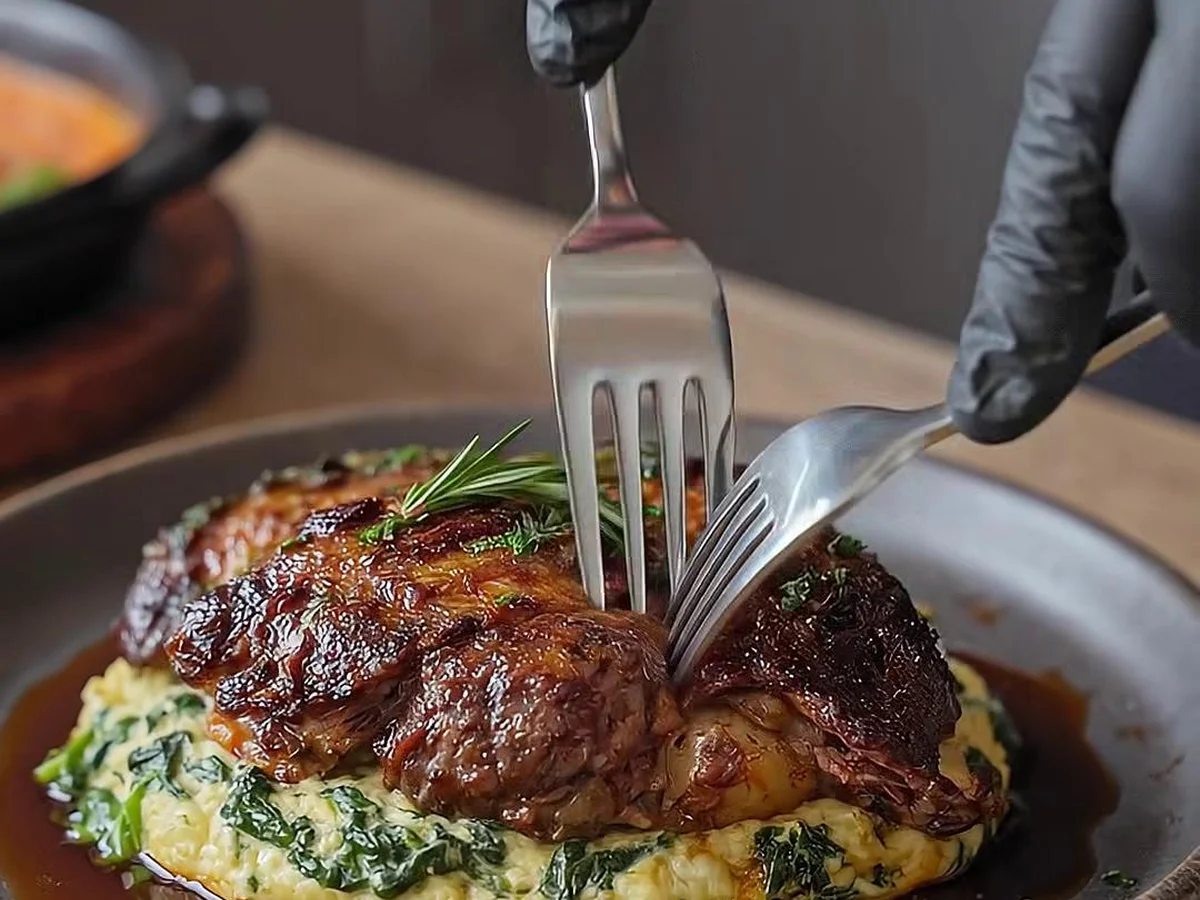
When it comes to heartwarming, soul-soothing dishes, few things can compare to a beautifully braised beef shank. Imagine the rich aromas wafting through your kitchen as the tender meat slowly cooks to perfection, filling your home with an inviting scent that beckons everyone to the dinner table. The juxtaposition of succulent beef enveloped in a savory broth, intermingled with the sweetness of caramelized onions and the earthiness of carrots and celery, turns each bite into a cozy embrace. This dish is not just popular; it’s a staple in many cultures around the globe, synonymous with comfort food and fond family memories. Whether enjoyed on a chilly winter’s evening or for a special gathering, beef shank holds a special place in the culinary world, marrying simplicity with a rustic elegance that has delighted palates for generations.
The Origins and History
The fascination with braised meats stretches back thousands of years, fostering a culinary narrative that spans continents and cultures. Beef shank is particularly beloved in traditional European cuisine, where it has been revered for its flavor and affordability. During times of austerity, smaller cuts of meat were often leaner and tougher, leading cooks to seek ways to coax richness from these humble origins. Historically, various cultures have embraced the techniques of braising and slow cooking, allowing for flavors to develop fully. In Italy, the Osso Buco—another iconic dish using shank—celebrates the marrow within the bone, highlighting how resourceful cooking can transform simple ingredients into gourmet experiences. Similarly, Colombian and Latin American cuisines feature beef shank in hearty stews that celebrate communal and familial feelings. This culinary journey illustrates a timeless truth: with patience and care, tough cuts can yield sumptuous rewards, turning a mere meal into a cherished moment.
Why You Will Absolutely Love This Recipe
- Flavor Profile: The slow cooking method intensifies the deep, savory flavors while the aromas of garlic and onions meld harmoniously with the broth.
- Ease: Despite its sophistication, this recipe is surprisingly simple to execute, requiring minimal hands-on time.
- Crowd-Pleaser: The comforting nature of a beef shank dish makes it a guaranteed hit for family dinners or gatherings.
- Leftovers: If by some miracle there are leftovers, they can be repurposed into soups, sandwiches, or served atop a hearty grain.
Deep Dive into the Ingredients
Each ingredient in your beef shank recipe is selected for its unique contribution to the final dish. Let’s explore them in more detail:
- Beef Shank: This cut comes from the leg of the cow and contains a significant amount of connective tissue and marrow, which break down during the long cooking process, adding richness and depth to your broth.
- Olive Oil: A staple in Mediterranean cooking, high-quality olive oil not only serves as a cooking fat but also enhances flavor with its fruity notes.
- Onion: Onions add a natural sweetness that caramelizes beautifully during cooking, creating a complex flavor foundation that enhances the dish’s overall taste.
- Garlic: A little garlic goes a long way, imparting warmth with its aromatic oils. It elevates the meat while adding depth and heartiness.
- Carrots: Sweet, earthy, and vibrant, carrots help to balance the richness of the beef while also contributing color and texture.
- Celery: Often overlooked, celery brings a subtle crunch and aromatic quality that rounds out the flavor profile, enhancing the overall freshness.
- Beef Broth: This serves as the main cooking liquid, infusing the shank with savory goodness. Using homemade broth promotes even deeper flavors, although good-quality store-bought options can work too.
Pro Tips for Perfect Results
To achieve the most decadent and flavorful beef shank, consider these technical tips:
- Searing the Meat: Taking the time to sear your beef shank for several minutes per side creates a delicious crust that locks in juices and adds a layer of complexity to the dish.
- Cooking Temperature: It’s essential to maintain a low and slow cooking temperature. This allows the tough fibers to break down gradually, ensuring the meat becomes tender and easy to shred.
- Flavor Buildup: Be sure to deglaze the pot after searing, scraping up the flavorful browned bits from the bottom—this is where the full-bodied flavor of the finished dish stems from!
- Taste as You Go: Don’t hesitate to sample the broth as it simmers. Adjusting seasoning gradually ensures a well-balanced final result.
Serving and Pairing Suggestions
Beef shank is versatile and pairs beautifully with numerous accompaniments. Consider serving it alongside:
- Mashed Potatoes: Creamy and buttery, they soak up the flavorful broth perfectly.
- Crusty Bread: Ideal for mopping up every last drop of the rich sauce.
- Seasonal Vegetables: Roasted or steamed vegetables add an excellent contrast to the dish, both in flavor and nutrition.
As for drinks, a robust red wine, like a Cabernet Sauvignon or a Malbec, can beautifully enhance the meal’s richness. This dish shines during family gatherings, special occasions, or even as a comforting weeknight dinner.
Storage, Freezing, and Reheating
Proper storage is crucial for maintaining the beef shank’s integrity. Allow the dish to cool completely before transferring it to an airtight container. It can be stored in the refrigerator for up to 3 days. For longer storage, keep it in the freezer for up to 3 months. When reheating, use a low temperature on the stovetop or in the oven to prevent drying out, adding a little broth to revive the moisture.
Frequently Asked Questions (FAQ)
- Can I use another cut of beef? Yes! Chuck roast or brisket can be substituted for a similar flavor and texture; just be aware that cooking times may vary.
- How do I know when the beef is done? It’s best to cook until the meat is fork-tender, usually 2-3 hours, depending on the thickness of the cut.
- Can I make this dish in a slow cooker or pressure cooker? Absolutely! For a slow cooker, cook on low for 8-10 hours. In a pressure cooker, reduce the cooking time to about 1.5 hours with natural release.
- What can I serve with leftovers? Leftover beef shank can be shredded and used in tacos, over rice, or in a hearty vegetable soup.
- Is it okay to use store-bought beef broth? Yes, just opt for high-quality stock for the best flavor, but homemade broth is the gold standard if you have the time!
Conclusion
With its rich history, deep flavors, and adaptable nature, beef shank is truly a gourmet dish made accessible to all home cooks. Once you prepare this comforting classic, it’s bound to become a favored staple in your household!
The History of This Recipe
Beef shank originated in the kitchens of early farmers, where resourcefulness dictated the use of every part of the animal. As a tough cut of meat from the leg, it was ideal for slow cooking, which allowed it to become tender and flavorful over time.
As culinary practices evolved, beef shank became a staple in many traditional dishes around the world. Its rich flavor and hearty texture made it a favorite for soups, stews, and braises, bringing warmth and comfort to countless families.
In recent years, beef shank has gained popularity beyond its humble beginnings, being embraced by gourmet chefs and food enthusiasts alike. Today, it stands as a testament to the beauty of transformation and the joy of savoring every bite.
Beef Shank
INGREDIENTS
- 1 large beef shank
- 2 tablespoons olive oil
- 1 large onion, chopped
- 2 cloves garlic, minced
- 2 carrots, sliced
- 2 celery stalks, sliced
- 4 cups beef broth
INSTRUCTIONS
Start by heating the olive oil in a large Dutch oven or heavy pot over medium heat.
Season the beef shank generously with salt and pepper. Once the oil is hot, add the shank to the pot and sear for about 5-7 minutes on each side, or until the meat is browned. Remove the shank from the pot and set aside.
In the same pot, add the chopped onion and sauté for about 3-4 minutes, or until it becomes translucent.
Add the minced garlic, sliced carrots, and sliced celery to the pot. Cook for an additional 5 minutes, stirring occasionally.
Stir in the tomato paste, dried thyme, and bay leaves. Mix well to coat the vegetables.
Pour in the red wine if using, and scrape the bottom of the pot to deglaze it. Allow the wine to simmer for 2-3 minutes to reduce slightly.
Return the beef shank to the pot and add the beef broth. The liquid should almost cover the shank.
Bring the mixture to a boil, then reduce the heat to low and cover the pot. Let it simmer for about 2-3 hours, or until the beef is tender and easily falls off the bone.
Remove the beef shank from the pot and let it rest for a few minutes. Discard the bay leaves.
Strain the broth if desired, or serve as is with the vegetables. Slice the beef shank and place it in bowls, ladling the broth and vegetables over it.
Garnish with fresh parsley if desired and serve hot.
Time & Calories:
Prep Time: 15 minutes
Cook Time: 2-3 hours
Total Time: 2 hours 15 minutes – 3 hours 15 minutes
Approximate Calories per serving: 400-500 calories (varies based on portion size and specific ingredients used)
NOTES
Enjoy your delicious homemade Beef Shank !