Introduction
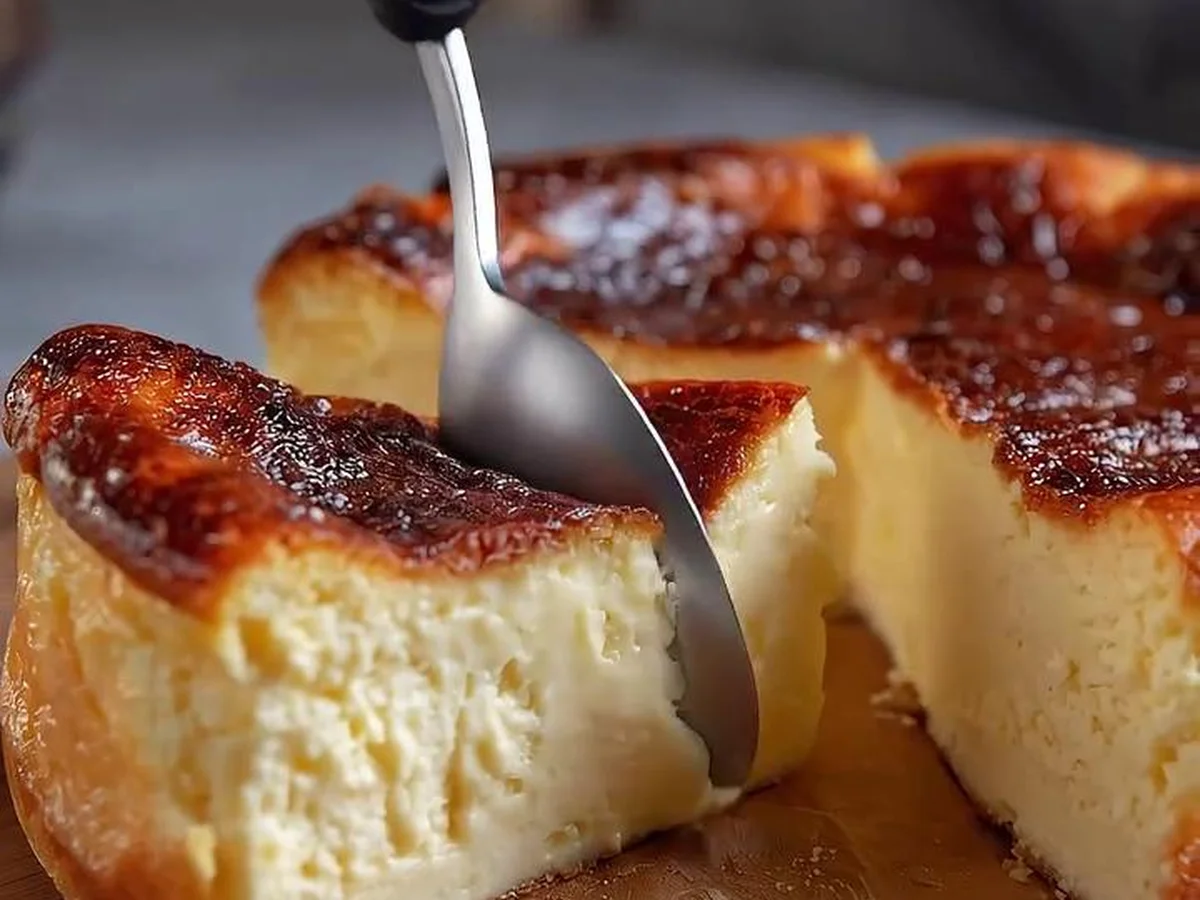
In the realm of desserts, few dishes ignite the senses quite like the Basque Burnt Cheesecake. This culinary wonder, originating from the Basque region of Spain, is celebrated for its distinct flavor and texture that come together in a delightful symphony. Picture the rich aroma wafting through your kitchen—sweet and creamy, hinting at a delectable treat waiting to be savored. As you take your first bite, the crispy, caramelized exterior crumbles softly under the fork, revealing a luscious, creamy center that melts effortlessly in your mouth. The contrast between the intense burnt top and the velvety smooth interior creates an experience that is both comforting and indulgent, making this cheesecake the epitome of comfort food.
Its popularity has soared in recent years, gaining attention across various culinary landscapes and social media platforms. This dessert isn’t just a treat; it’s a celebration of simplicity and decadence. The combination of cream cheese, eggs, and sugar results in a cheesecake that is not overly sweet but beautifully balanced—a perfect ending to any meal or a delightful accompaniment to your afternoon coffee. It invites you to indulge while leaving you satisfied but yearning for just one more taste, solidifying its status as a go-to recipe in homes all around the world.
The Origins and History
The Basque Burnt Cheesecake, or “tarta de queso,” boasts a fascinating history intertwined with the rich culinary traditions of the Basque country. This exquisite dessert first emerged from a modest restaurant called La Viña in San Sebastián, where it captured the hearts—and stomachs—of locals and tourists alike. In the Basque region, food plays an integral role in daily life and culture, celebrated not only in fine dining but also in home kitchens where rustic recipes are passed down through generations.
Unlike the smooth, classic cheesecakes we might be more familiar with, the Basque version hails from a desire to create something unapologetically audacious—charred on the outside, creamy on the inside. The originality lies in its unapologetic simplicity: just a handful of ingredients is transformed into a rich confection. This juxtaposition of textures and flavors encapsulates the essence of Basque cuisine: bold, straightforward, and deeply satisfying. The rise of social media and food blogging has propelled this once-quirky dessert into the limelight, with bakers worldwide attempting to recreate this rustic delight, marking its evolution from local treasure to global phenomenon.
Why You Will Absolutely Love This Recipe
- Flavor Profile: The Basque Burnt Cheesecake offers a unique blend of deep, caramelized flavors with the freshness of cream cheese, balanced with a subtle hint of vanilla. Every bite is a delightful exploration of textures.
- Ease of Preparation: With just a handful of ingredients and minimal equipment, this cheesecake is deceptively simple to make. There’s no need for a water bath or elaborate crust—just mix, pour, and bake.
- Crowd-Pleaser: Whether you’re entertaining guests or hosting a family gathering, this dessert is guaranteed to impress. Its rustic appearance and unique flavor profile invite curiosity and delight.
- Delicious Leftovers: Unlike many cheesecakes, the Basque version keeps well in the fridge for several days. The flavors continue to develop, and it can even be enjoyed chilled or at room temperature.
Deep Dive into the Ingredients
Understanding the role of each ingredient is essential for recreating the magic of Basque Burnt Cheesecake perfectly. This recipe relies on a handful of key components, each chosen for its ability to create the rich, satisfying texture and robust flavor profile that has made this dessert a sensation.
- Whipping Cream: This high-fat cream contributes to the cheesecake’s creamy texture and rich mouthfeel. Its ability to whip allows it to blend smoothly with the other ingredients, ensuring that the final product is airy yet dense.
- Large Eggs: Eggs serve as a binding agent and contribute to the overall structure of the cheesecake. They help create that luscious, custard-like center while adding an essential richness. The number of eggs also aids in achieving that desirable golden hue on the top.
- Cream Cheese: The star of the show, cream cheese provides the foundational flavor of the cheesecake. At room temperature, it blends seamlessly with the other ingredients, resulting in a silky smooth batter. The choice of cream cheese is crucial; opt for a high-fat variety for the best flavor and texture.
- Granulated Sugar: This ingredient is not only crucial for sweetness but also for the caramelization process that produces the burned top layer. Its crystal structure allows for a delightful crunch that contrasts with the creaminess below.
- Vanilla Extract: A touch of vanilla extract deepens the flavors, adding warmth and a fragrant note that harmonizes beautifully with the other ingredients.
- All-Purpose Flour: A small amount of flour helps stabilize the cheesecake, preventing it from becoming overly dense while maintaining that smooth, custard-like consistency. It also contributes slightly to the crust-like texture on the outside.
- A Pinch of Salt: This often-overlooked ingredient is vital for enhancing and balancing the flavors. It brings out the sweetness of the sugar and the richness of the cheese, tying the whole cheesecake together.
Pro Tips for Perfect Results
To achieve a Basque Burnt Cheesecake that would make even the Basque locals proud, consider the following pro tips:
- Proper Temperature: Ensure your cream cheese is at room temperature before mixing to avoid lumps. Cold cream cheese can create a grainy texture, which is not desirable in a silky cheesecake.
- Blend Thoroughly: When mixing the ingredients, ensure that they are well combined. Their incorporation is crucial for a smooth batter; a handheld mixer can help achieve this easily.
- Watch the Baking Time: The hallmark of a Basque Burnt Cheesecake is its dark, charred top. However, ovens vary widely, so keep a close eye on your cheesecake during baking. You want it to puff up and become a deep brown without burning.
- Cooling Process: Allow the cheesecake to cool gradually at room temperature before refrigerating. This step helps preserve its creamy texture and prevents cracks from forming on the surface.
- Experiment with Flavor: While vanilla is the classic choice, feel free to customize your cheesecake. A touch of orange zest or a splash of dark rum can elevate the flavors to new heights. Be bold!
Serving and Pairing Suggestions
The Basque Burnt Cheesecake stands beautifully on its own, but it can also be served with a variety of accompaniments. Consider pairing it with a fresh fruit compote, such as berry or fig, to add a bright contrast to its rich flavors. A dollop of lightly whipped cream or a drizzle of caramel sauce can elevate the experience further. For beverages, a robust coffee or a dessert wine complements the cheesecake perfectly, enhancing its comforting character. This dessert is ideal for celebratory occasions like birthdays, family reunions, or simply as a delightful end to a weeknight dinner.
Storage, Freezing, and Reheating
To keep your Basque Burnt Cheesecake fresh, store it in an airtight container in the refrigerator. It can typically last for about 5-7 days, and its flavors only deepen over time. If you choose to freeze it, wrap individual slices tightly in plastic wrap, followed by aluminum foil, to prevent freezer burn. It can be frozen for up to three months. To reheat, simply allow it to thaw in the refrigerator overnight, or serve directly from the fridge for a cool, creamy treat. Unlike traditional cheesecakes, this dessert is also delicious served chilled, so don’t hesitate to enjoy it straight from the fridge!
Frequently Asked Questions (FAQ)
Here are some common questions regarding the Basque Burnt Cheesecake:
- Can I use a different type of cheese?
While cream cheese is the traditional choice, mascarpone or ricotta could be used in a pinch, but be mindful that this may alter the final texture and flavor. - Why does the cheesecake crack on top?
Cracking may occur due to rapid temperature changes or overmixing. Ensuring gentle mixing and a gradual cooling process can help mitigate this. - Can I add flavor variations?
Absolutely! Add-ins like lemon zest, spices, or chocolate can add a unique twist to the classic recipe—experiment to find your favorite combo! - How can I tell when it’s done baking?
The center should be slightly jiggly but not liquid—similar to a custard consistency. It will firm up as it cools.
The History of This Recipe
Basque Burnt Cheesecake originated in the Basque region of Spain, particularly from the city of San Sebastián. It was created in the 1990s by chef Santiago Rivera at La Viña, a small bar known for its rich culinary traditions.
The cheesecake was born out of a happy accident when Rivera overbaked a traditional recipe, resulting in a caramelized, cracked exterior while maintaining a creamy interior. The unexpected flavor and texture captivated customers, and the burnt cheesecake quickly grew in popularity.
As word spread, Basque Burnt Cheesecake became a symbol of indulgence, enjoyed for its unique blend of sweetness and burnt edges. Today, it is celebrated worldwide, inspiring variations and interpretations while retaining its origin in the Basque culinary heritage.