Introduction
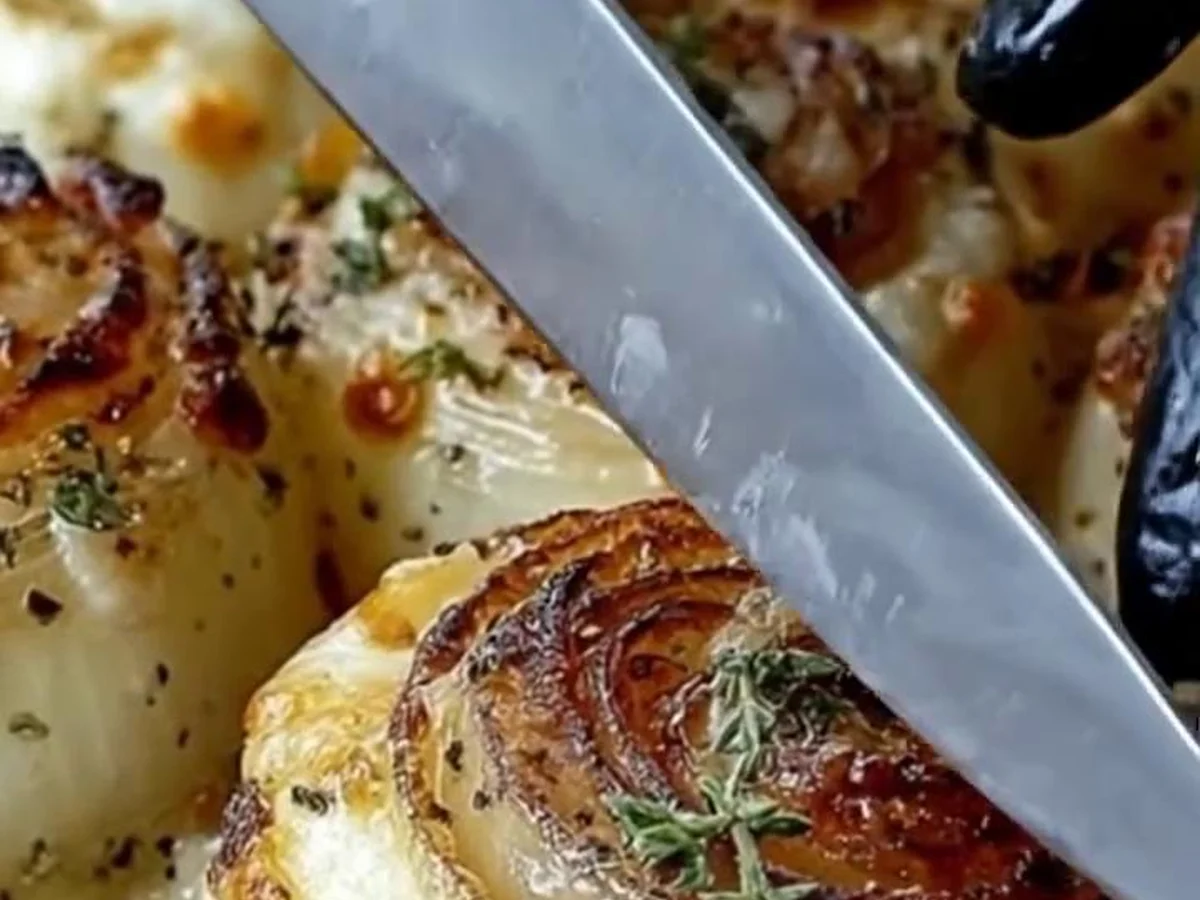
Imagine walking into a kitchen filled with the rich, inviting aroma of baked Asiago cheese melting over sweet, gently caramelized onions. This dish is not just food; it’s a symphony of flavors and textures that captures the essence of comfort. Baked Asiago Onions have become a beloved staple for gatherings and family dinners, effortlessly transforming an everyday meal into a culinary experience. The marriage of the nutty and sharp notes of Asiago cheese with the subtle sweetness of roasted onions creates a taste sensation that speaks to the soul, enticing even the most discerning palates.
Comfort food is all about evoking emotions, and with each bite of creamy, cheesy onion, you’re transported back to simpler times, surrounded by loved ones. The slight crunch on the top, achieved through a glorious bake, gives way to a soft, silky interior that feels like a warm hug. As you scoop the cheesy goodness straight from the baking dish, it beckons you to return for more. Whether enjoyed as an appetizer, a side dish, or even a main event, Baked Asiago Onions promise satisfaction in every forkful.
The Origins and History
While Baked Asiago Onions may not sport a long-documented history like some classic French onion dishes or Italian gratins, they embody a fusion of culinary traditions. Onions have been a staple in many cuisines for thousands of years, valued for their flavor and nutritional qualities. The use of cheese, particularly in European cooking, can be traced back to ancient times when cheese-making was an discovered art form. Asiago cheese, originating from Italy’s Veneto region, has a rich heritage that intertwines with stories of pastoral life and traditional cheesemaking practices.
This dish represents a modern twist on traditional cooking, marrying the deep-rooted love of baked vegetables with the decadent flair of gourmet cheese. It showcases how global influences shape our home-cooked favorites, allowing us to create delicious combinations that reflect contemporary tastes while respecting classic techniques. Therefore, Baked Asiago Onions stand as a testament to improvisation and creativity in the kitchen, embodying how food evolves over time.
Why You Will Absolutely Love This Recipe
- Flavor Profile: The combination of creamy Asiago and sweet baked onions creates a symphony of taste that is complex yet comforting.
- Ease of Preparation: With minimal chopping and straightforward techniques, this dish is perfect for both novice cooks and seasoned chefs.
- Crowd-Pleaser: Whether it’s a dinner party, a holiday meal, or a weekday dinner, this dish is sure to impress your guests.
- Delicious Leftovers: The flavors deepen with time, making leftovers a welcome treat for lunch or dinner the following days.
Deep Dive into the Ingredients
The beauty of Baked Asiago Onions lies in its simplicity, relying heavily on a handful of quality ingredients. Let’s break them down for a deeper understanding:
- Onions: The star of the dish, large, sweet onions are preferred here. Yellow onions work wonderfully as they offer a balanced sweetness when caramelized. You can substitute with Vidalia or sweet Walla Walla onions for an extra sugary punch.
- Butter: This rich fat serves as the perfect medium for sautéing the garlic and bringing together the flavors of the dish. For a healthier option, you might consider using olive oil; however, it alters the flavor profile slightly.
- Heavy Cream: The decadence of heavy cream gives this dish its creamy consistency. If you need a lighter option, half-and-half or even a non-dairy cream could work, but the richness will be less pronounced.
- Grated Asiago Cheese: The choice of cheese can make or break this dish. Asiago cheese brings a rich, nutty taste with slight sharpness, enhancing the sweetness of the onions. Other alternatives can include Gruyère or a sharp cheddar, but the uniqueness of Asiago shines bright.
- Parmesan Cheese: Though optional, adding Parmesan gives an extra flavor kick and enhances the umami quality of the dish. The tanginess complements the rich creaminess beautifully.
- Garlic: Intensifying the flavor base, fresh garlic adds depth and a slight zing that cuts through the richness.
- Salt: Essential for balancing flavors, salt enhances the sweetness of the onions and brings out the cheese’s distinctive qualities.
Feel free to mix and match ingredients based on availability and preference, but be mindful of how these substitutions may impact the final taste and texture.
Pro Tips for Perfect Results
To take your Baked Asiago Onions from good to unforgettable, consider these expert tips:
- Preheat Your Oven: Ensuring your oven is fully preheated is crucial for even cooking. Aim for a temperature of 375°F (190°C) to achieve the perfect bake.
- Sweeter Onions: To get the best flavor from your onions, consider caramelizing them slightly before baking, which will enhance their sweetness and complexity.
- Cheese Layering: For a delightful crust, reserve a portion of the Asiago to sprinkle on top about five minutes before the baking is complete. This offers a beautiful golden finish.
- Monitor the Baking Time: Every oven has its unique quirks, so keep an eye on your onions as they bake. They should become tender and bubbly, yet not excessively golden before the cheese melts.
- Fresh Ingredients: The flavor of your garlic and cheese can significantly impact the dish, so opt for the freshest versions possible to enhance the overall taste.
Serving and Pairing Suggestions
Baked Asiago Onions can shine brightly alongside several dishes. Consider serving them as an appetizer to complement a hearty Italian meal or pair them with roast chicken or grilled steak for a satisfying dinner. They also work beautifully with a side of crusty bread or garlic knots to soak up the creamy sauce. When it comes to beverages, a robust red wine or a crisp Sauvignon Blanc can elevate your menu as well.
Storage, Freezing, and Reheating
To maintain the quality of your Baked Asiago Onions, store any leftovers in an airtight container in the refrigerator, where they will stay fresh for up to three days. For longer storage, you can freeze the dish before baking; simply wrap it tightly in plastic wrap followed by aluminum foil. When you’re ready to enjoy it, thaw in the fridge overnight and bake as directed. If already baked and frozen, reheat in the oven at 350°F (175°C) until warmed through, likely 20-30 minutes, allowing the cheese to achieve that delightful bubbling effect once more.
Frequently Asked Questions (FAQ)
Can I use different types of cheese?
Absolutely! While Asiago is the recommended cheese for its unique flavor, feel free to experiment with other cheeses like Gruyère, mozzarella, or even a sharp cheddar for a different twist.
Are there any vegetarian options for this dish?
Yes, this dish is naturally vegetarian. Be sure to check if your cheese is rennet-free for a vegetarian-friendly version.
Can I make this dish ahead of time?
Yes! You can prepare the whole dish a day ahead and simply bake it when needed. This often enhances the flavors, making it a perfect option for entertaining.
How do I know when the onions are done?
Your onions should be tender and the cheesy topping bubbling. A light golden color on the cheese indicates it has reached that perfect state of meltiness.
What can I serve with Baked Asiago Onions?
This dish pairs well with grilled meats, roasted vegetables, or pasta, making it an excellent side dish for a variety of meals.
Conclusion
Indulging in Baked Asiago Onions is no mere meal; it’s an experience filled with warmth and satisfaction. Elevate your dining with this decadent, comforting dish that is sure to spark joy and conversation at your table.
The History of This Recipe
In a small Italian village, a charming chef named Marco was renowned for his creative use of local ingredients. One day, while experimenting in his kitchen, he decided to combine the rich flavor of asiago cheese with sweet, caramelized onions baked to perfection.
Word of Marco’s unique dish spread quickly, attracting food enthusiasts from neighboring towns. They marveled at the combination of textures and flavors, which became a beloved staple at local gatherings and celebrations.
As the dish gained popularity, Marco began to share his recipe with other chefs, leading to its adaptation in various cuisines. ‘Baked Asiago Onions’ soon transformed into a cherished appetizer enjoyed worldwide, symbolizing the heart of Italian culinary ingenuity.
Baked Asiago Onions
INGREDIENTS
- 4 large onions
- 2 tbsp butter
- ¾ cup heavy cream
- 1 cup grated Asiago cheese
- ¼ cup grated Parmesan cheese (optional)
- 2 cloves garlic, minced
- ½ tsp salt
INSTRUCTIONS
Preheat your oven to 375°F (190°C).
Cut the tops off the onions and carefully scoop out the inner layers using a small knife or spoon, leaving about a ½ inch shell. Set the scooped onion insides aside.
In a skillet, melt the butter over medium heat. Add the minced garlic and sauté for about 1-2 minutes until fragrant.
Chop the reserved onion insides and add them to the skillet. Cook for about 3-4 minutes until soft.
Stir in the heavy cream, salt, black pepper, and dried thyme. Mix well and let it heat until slightly thickened, about 3-5 minutes.
Remove the skillet from heat and stir in the grated Asiago cheese and Parmesan cheese (if using) until melted and combined.
Carefully layer the mixture into the prepared onion shells, filling them to the top.
Place the filled onions in a baking dish. Add a splash of water to the bottom of the dish to create steam and help cook the onions.
Cover the dish with aluminum foil and bake in the preheated oven for 30 minutes.
After 30 minutes, remove the foil and continue baking for an additional 15-20 minutes or until the onions are tender and the tops are golden and bubbly.
Remove from the oven and let cool for a couple of minutes before serving.
Time & Calories:
Prep Time: 15 minutes
Cook Time: 50 minutes
Total Time: 1 hour 5 minutes
Servings: 4
Approximate Calories per serving: 300 calories (may vary based on specific ingredient brands and measurements)
NOTES
Enjoy your delicious homemade Baked Asiago Onions !