Introduction
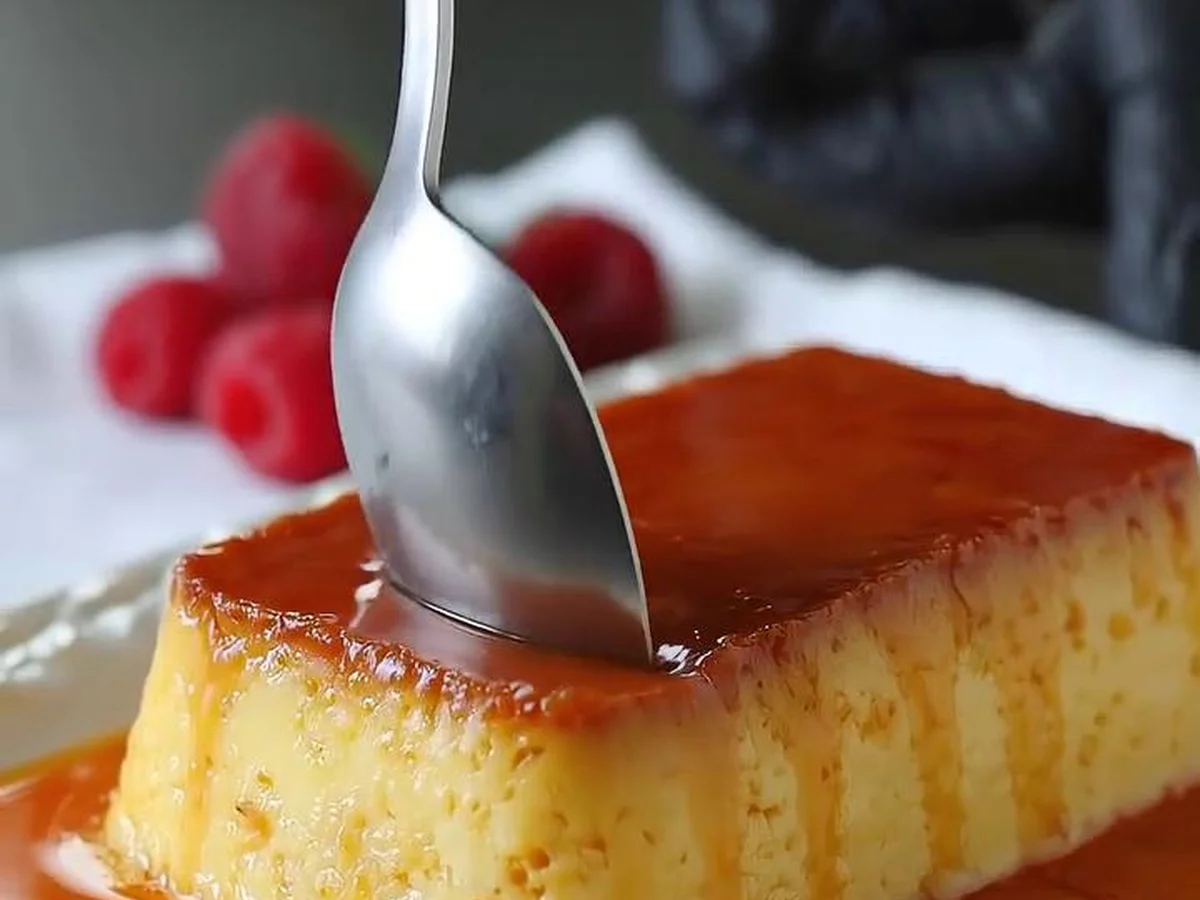
There are certain desserts that evoke nostalgia, comfort, and a sense of home, and Traditional Milk Flan is undoubtedly one of them. A silky, smooth custard nestled beneath a layer of caramelized sugar, this delightful dish has a way of captivating the senses. As it wafts through the kitchen, the sweet aroma of vanilla mingling with the rich scent of milk creates an irresistible atmosphere, inviting family and friends to gather around the table. The first spoonful is a revelation: creamy perfection enveloping your taste buds, balanced with the slight bitterness of caramel that makes your heart sing. Perhaps it’s no wonder that Milk Flan has transcended cultural boundaries, finding a permanent place in hearts and stomachs worldwide. Whether it’s a holiday gathering, a birthday celebration, or simply a sweet treat after dinner, this dish stands out as a beloved classic that evokes warmth and joy.
The Origins and History
The origins of flan can be traced back to the Roman Empire, where it was made with eggs and milk, reflecting the ingredients readily available at that time. As the centuries progressed, flan transformed into various regional adaptations, each with its own unique twist. In Latin America, flan gained popularity during the Spanish colonization, evolving into the rich custard we know today. The blend of cultural influences, particularly from Spanish and indigenous traditions, gave rise to a dessert that is as diverse as the people who make it. Some attribute the creamy texture of modern Milk Flan to the introduction of evaporated milk and other dairy products; this created a delightful amalgam of traditional practices with new ingredients. Today, Traditional Milk Flan is not just a dessert—it is a symbol of community, family gatherings, and the melding of culinary histories that reflect the melting pot of cultures.
Why You Will Absolutely Love This Recipe
- Flavor Profile: The combination of milk, eggs, and a touch of vanilla creates a rich and creamy custard, while the caramel provides a perfect sweet crunch.
- Ease of Preparation: With straightforward ingredients and a simple process, even novice bakers will find success with this recipe.
- Crowd-Pleaser: Its universal appeal makes it a showstopper at gatherings, delighting guests from young to old.
- Versatile Base: While Traditional Milk Flan has its classic flavor, it can easily be customized with fruits, zests, or spices to suit personal tastes.
- Delicious Leftovers: The flan keeps beautifully in the fridge, making it an enticing treat to enjoy days after making it.
Deep Dive into the Ingredients
Every ingredient used in Traditional Milk Flan plays a pivotal role in achieving the perfect consistency and flavor. The three whole eggs provide the essential protein and structure, giving the flan its creamy, custardy texture. Eggs also act as a natural emulsifier, incorporating air into the mix, which contributes to a light and airy final product.
Next comes the powdered milk. This ingredient may seem unconventional, but it’s a brilliant choice, as it allows for a concentrated milk flavor while keeping the dish light in terms of weight and moisture. The powdered form can yield a creamier texture that sets beautifully.
Sugar is not only a sweetener in this recipe, but it also caramelizes, creating the stunning, amber-hued topping that adds a touch of sweetness and a contrasting texture. The balance of sweetness is crucial; too little, and the flan can taste bland, but too much can overshadow its delicate nature.
Water is used for steaming the custard, ensuring an even cooking process that prevents the dish from overcooking or developing unsightly cracks. This method of cooking allows for the flan to gently set without curdling.
Vanilla extract, while optional, adds a complex layer of flavor that beautifully complements the creaminess of the custard. For those who wish to customize, consider substitutions like coconut milk for a tropical twist or using a blend of different dairy types to explore different textures and flavors.
Pro Tips for Perfect Results
To achieve the ultimate flan, a few technical tips can go a long way. First and foremost, ensure that your eggs and milk are at room temperature. This helps create a smooth custard, as cold ingredients can cause the mixture to curdle. Blend the eggs and powdered milk separately before combining them to get a fluffy custard base. When adding sugar for caramelization, use a heavy-bottomed pot to prevent burning, and keep an eye on the sugar as it melts—it can go from perfect to burnt in a matter of seconds.
When steaming, cover your flan with foil to prevent excess condensation from dripping into the custard, which can affect texture. It’s also important to place your flan in a warm environment; if possible, use a water bath to maintain a steady temperature throughout the cooking process.
Lastly, allow the flan to chill and set in the refrigerator for a few hours (or overnight) before serving. This resting period helps deepen the flavors and allows the flan to become remarkably tender and delectable.
Serving and Pairing Suggestions
Traditionally, Traditional Milk Flan is served as a standalone dessert, but it can be beautifully complemented with fresh fruit like strawberries, mangoes, or poached pears for an added burst of color and flavor. A dollop of whipped cream or a sprinkle of toasted nuts can also elevate the dish. For an extraordinary pairing, consider a glass of sweet dessert wine or a robust cup of your favorite coffee to balance the sweetness of the flan. This dessert is perfect for special occasions, family gatherings, or as a sweet finale to a comforting dinner at home.
Storage, Freezing, and Reheating
To keep your Milk Flan fresh, store it in an airtight container in the refrigerator. Properly stored, it can last up to five days, making it an excellent option for meal prep and celebrations alike. If you wish to freeze the flan, ensure that it is well-wrapped to prevent freezer burn. It’s best enjoyed fresh, but in a pinch, thaw overnight in the fridge and allow to come to room temperature before serving. Avoid reheating in the microwave, as it can change the texture; instead, let it sit out for a bit after refrigeration.
Frequently Asked Questions (FAQ)
Can I use fresh milk instead of powdered milk?
Yes, although the texture may vary slightly. If using fresh, reduce the amount of water in the recipe for a richer consistency.
Why is my flan not setting?
This could be due to undercooking. Ensure you’re steaming it long enough or check for a gentle jiggle when you remove it; it should be fully set but still have a slight wobble.
Can I make flavored variations of flan?
Absolutely! You can add flavors such as citrus zests, coffee, or even matcha to your base mix for a fun twist on the traditional recipe.
How do I successfully unmold the flan?
Run a knife around the edges before inverting the flan onto a plate. If it does not release easily, dipping the bottom of the mold in warm water for a few seconds can help.
Conclusion
Embarking on the journey to create Traditional Milk Flan will not only reward you with a sumptuous dessert but also with a deep sense of connection to culinary history and tradition. Give it a try—you won’t regret indulging in this timeless classic!
The History of This Recipe
Traditional milk flan has its roots in ancient civilizations, where the concept of custard-like desserts began to emerge. Tracing back to the Romans, who created savory custards, this dish gradually evolved into a sweet delicacy as it spread across cultures.
In the medieval era, with the introduction of sugar to Europe, milk flan became a popular dessert among the aristocracy. Rich and creamy, it showcased the availability of dairy and the newfound sweetness of sugar, making it a luxurious treat.
As time passed, different regions added their unique twists to the dessert, incorporating local ingredients. Today, traditional milk flan is celebrated in many cultures, symbolizing both history and culinary creativity.
Traditional Milk Flan
INGREDIENTS
- 3 whole eggs
- 16 tablespoons of powdered milk
- 10 tablespoons of sugar
- 2 cups of water (for steaming)
- 1 tablespoon vanilla extract (optional)
- Additional sugar (for caramelizing)
INSTRUCTIONS
Begin by preparing the caramel. In a small saucepan over medium heat, add a few tablespoons of sugar. Allow the sugar to melt without stirring until it turns a golden-brown color. Once it reaches the desired color, quickly pour the caramel into a round mold or individual ramekins, tilting the mold to coat the bottom evenly. Set aside to cool and harden.
In a mixing bowl, whisk together the whole eggs, powdered milk, 10 tablespoons of sugar, and vanilla extract (if using) until smooth and well combined.
Gradually add 2 cups of water to the egg mixture while continuing to whisk, ensuring the mixture remains smooth and free of lumps.
Carefully pour the egg mixture into the caramel-coated mold(s).
Prepare a steamer by bringing water to boil in a large pot or steamer. If you don’t have a steamer, you can place a trivet or an inverted plate at the bottom of a large pot and add water up to the level of the trivet.
Place the mold(s) inside the steamer or on the trivet in the pot. Cover the pot with a lid and steam for about 30 to 40 minutes, or until the flan is set and a knife inserted in the center comes out clean.
Once done, remove the mold(s) from the steamer and let them cool to room temperature. Afterward, refrigerate for at least 2 hours or until thoroughly chilled.
To serve, run a knife around the edges of the mold to loosen the flan. Invert onto a serving plate, allowing the caramel sauce to drizzle over the top.
Time & Calories
Preparation Time: 10 minutes
Cooking Time: 40 minutes
Cooling Time: 2 hours
Total Time: Approximately 2 hours and 50 minutes
Estimated Calories: Approximately 200 calories per serving (based on 8 servings)
Enjoy your delicious, creamy traditional milk flan!
NOTES
Enjoy your delicious homemade Traditional Milk Flan !