Introduction
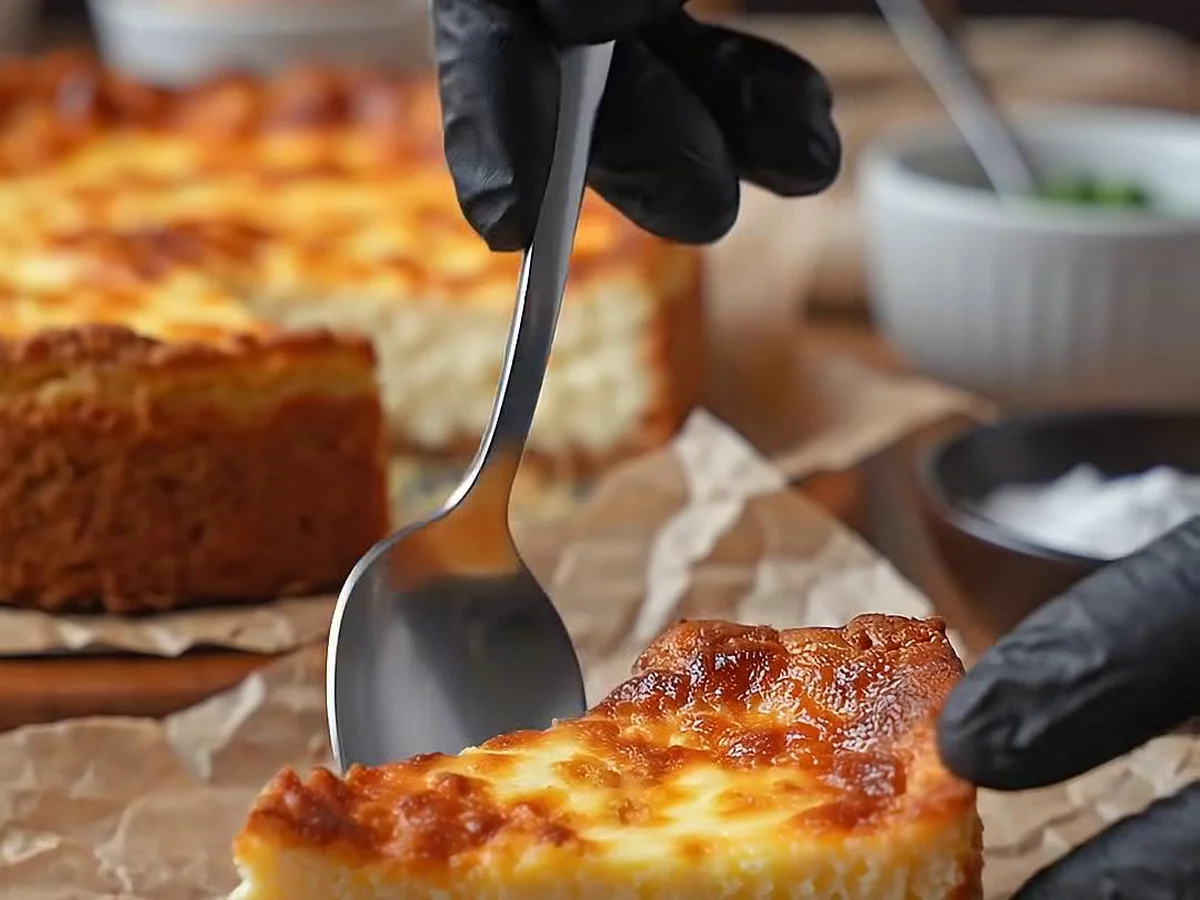
Picture a luscious, creamy dessert with a beautifully caramelized top, exuding an aroma that invites you in for a taste. This is not just any dessert; it’s the iconic San Sebastián Cheesecake. Originating from the beautiful Basque city of San Sebastián, this cheesecake has taken the culinary world by storm, transitioning from humble local favorite to a global sensation. Its popularity is wholly deserved; the San Sebastián Cheesecake embodies comfort food at its finest, merging the richness of cream cheese with a perfectly balanced sweetness and an inviting hint of vanilla.
As you take your first bite, the warm, soft texture melts in your mouth, revealing layers of flavor that tantalize your taste buds. The contrast of the slightly burned exterior with the creamy interior not only delights the eye but also creates a symphony of taste—sweet, creamy, and just a hint of tanginess, making each mouthful an experience worth savoring. It’s no wonder the world has fallen in love with this cheesecake, as it continues to capture hearts (and stomachs) with its delectable simplicity.
The Origins and History
Delving into the history of the San Sebastián Cheesecake brings us to the heart of Basque culture. This region of Spain is renowned for its culinary excellence, showcasing an admirable blend of tradition and innovation. The cheesecake is said to have been inspired by the classic New York-style cheesecake, yet it has a uniquely Basque twist. Its origin is often attributed to a small restaurant called La Viña, where chefs began experimenting with the classic recipes, intentionally baking at high temperatures to achieve that signature burnt top.
It’s fascinating how a dish can evolve, crossing borders and integrating into diverse culinary landscapes. Initially, this cheesecake was quietly enjoyed in its hometown, but with the rise of social media and food blogging, it soon gained international attention. People around the globe began to re-create and share their versions, further solidifying its place in dessert history.
Why You Will Absolutely Love This Recipe
- Incredible Flavor Profile: The San Sebastián Cheesecake offers an irresistible contrast of flavors—rich creaminess complemented by subtle sweetness and vanilla notes.
- Ease of Preparation: This recipe requires minimal ingredients and steps, making it an excellent choice for both novice bakers and seasoned chefs.
- Crowd-Pleaser: Whether it’s a family gathering, a dinner party, or a special occasion, this cheesecake never fails to impress, ensuring everyone leaves with a smile.
- Delicious Leftovers: If there’s any cheesecake left, it gets even better as it chills, allowing the flavors to meld beautifully over time.
Deep Dive into the Ingredients
Let’s explore the magic behind each ingredient that brings the San Sebastián Cheesecake to life.
- Cream Cheese (600 g): The star of the show, cream cheese provides the essential creamy texture that defines this cheesecake. It’s crucial to use high-quality cream cheese for the best flavor. While some might be tempted to cut corners with lower-fat options, they simply can’t replicate the richness needed for this dessert.
- Heavy Cream (300 ml): This ingredient introduces an airiness and lightness, creating a smooth mouthfeel. Heavy cream has a higher fat content which works beautifully against the cream cheese, ensuring a rich yet balanced result.
- Sugar (200 g): Sugar not only sweetens the cheesecake but also contributes to its caramelized exterior when baked at high temperatures. A fine granulated sugar works best, as it dissolves uniformly in the mixture.
- Eggs (3 large): Eggs act as a binding agent, bringing everything together and helping form a cohesive structure. Eggs also help in achieving that luscious texture, making each bite delightful.
- Vanilla Extract (1 tsp): A splash of vanilla provides a warm, inviting flavor that elevates the overall taste of the cheesecake. Although some might opt for artificial flavorings, a high-quality pure vanilla extract adds depth and richness.
- All-Purpose Flour (1 tbsp, optional): While not essential, a tablespoon of flour can help stabilize the structure of the cheesecake, giving it a slightly firmer texture. Omitting it won’t detract from the creamy quality but is a personal preference based on desired texture.
- Butter for Greasing: It is crucial to grease your pan well to ensure a smooth release after baking. Unsalted butter is typically the best choice for greasing, providing a neutral flavor.
Pro Tips for Perfect Results
Achieving the perfect San Sebastián Cheesecake is all about precision and technique. Here are some expert tips to guide you:
- Room Temperature Ingredients: Ensure your cream cheese and eggs are at room temperature before mixing. This allows them to blend seamlessly, preventing lumps and ensuring a smooth batter.
- Preheat Your Oven: Don’t skip preheating your oven; it’s essential for achieving that characteristic burnt exterior. Set your oven to a high temperature, around 200°C (or 390°F), and allow it to heat thoroughly before placing the cheesecake inside.
- Bake In A Water Bath: To maintain moisture and prevent cracking, consider placing your cheesecake pan in a larger dish filled with water while baking. This steam helps create a softer texture.
- Monitor Cooking Time: Bake until the top is dark golden brown, but keep an eye on the interior; it should still have a slight jiggle in the center when you pull it out. Residual heat will continue to cook it as it cools.
- Chill Before Serving: Allow the cheesecake to cool to room temperature before refrigerating for at least 4 hours, preferably overnight. This resting period enhances the flavors and texture.
Serving and Pairing Suggestions
When it comes to serving your San Sebastián Cheesecake, simplicity is key. A light dusting of powdered sugar or a drizzle of caramel sauce can make it even more divine. For beverages, consider pairing it with a strong espresso or a sweet dessert wine like Pedro Ximénez. This cheesecake is perfect for celebratory occasions, be it birthdays, anniversaries, or even as a delightful finish to a family dinner.
Storage, Freezing, and Reheating
To keep your San Sebastián Cheesecake fresh, store it in an airtight container in the refrigerator; it can last up to a week. If you have leftovers, you can freeze the cheesecake, wrapping it tightly with plastic wrap and then foil. It will remain good for about 2 months in the freezer. To reheat, thaw in the refrigerator overnight and serve at room temperature for the best flavor and texture.
Frequently Asked Questions (FAQ)
Can I substitute cream cheese with Greek yogurt?
While Greek yogurt can provide a different texture and tang, it won’t yield the same creamy richness essential for a traditional San Sebastián Cheesecake.
Why is the top of the cheesecake burnt?
The burnt top is part of the cheesecake’s charm—a result of high-temperature baking, which not only enhances flavor but also creates a beautiful color contrast.
Can I use a different sweetener?
Yes, feel free to experiment with alternatives such as honey or maple syrup. Just keep in mind that they may alter the flavor and texture slightly.
How do I successfully remove the cheesecake from the pan?
After cooling, run a knife along the edges, then carefully lift it from the springform pan. If you’ve greased it well, it should release easily.
What if my cheesecake cracks during baking?
Don’t fret! Cracking is a common issue. The most important part is that it will still taste delicious, but to prevent it in the future, try lowering the oven temperature or using the water bath method.
Conclusion
The San Sebastián Cheesecake is a delightful treasure that melds tradition and simplicity, bringing joy to every palate. I encourage you to embrace this recipe and make it your own—you won’t be disappointed!
The History of This Recipe
San Sebastián Cheesecake, also known as tarta de queso, hails from the Basque town of San Sebastián in Spain. Its creation is often attributed to the renowned La Viña bar, where it was first introduced in the 1980s.
Distinct for its creamy texture and burnt top, the cheesecake was an innovative twist on traditional recipes. The unique method of baking at high temperatures gives it a delightful contrast of flavors and a visually appealing appearance.
Over the years, the dessert has gained international fame, becoming a beloved staple in various restaurants worldwide. Its rich taste and simplicity have endeared it to dessert lovers, solidifying its place in culinary history.
San Sebastián Cheesecake
INGREDIENTS
- 600 g cream cheese
- 300 ml heavy cream
- 200 g sugar
- 3 large eggs
- 1 tsp vanilla extract
- 1 tbsp all-purpose flour (optional, for slightly firmer texture)
- Butter (for greasing the pan)
INSTRUCTIONS
Preheat your oven to 200°C (390°F).
Grease a 9-inch round springform pan with butter, then line the bottom and sides with parchment paper, leaving some overhang.
In a large mixing bowl, combine the cream cheese and sugar. Beat with an electric mixer on medium speed until smooth and creamy.
Add the eggs one at a time, mixing thoroughly after each addition. Scrape down the sides of the bowl as needed.
Pour in the heavy cream and vanilla extract, mixing until well combined. If you’re using flour, add it now and mix until just incorporated.
Pour the batter into the prepared pan, ensuring an even layer.
Place the pan in the preheated oven and bake for about 50 minutes. The top should be a deep golden brown, and the center should still have a slight wobble.
Once baked, let the cheesecake cool in the pan for at least 30 minutes before removing it. Cool completely at room temperature.
Refrigerate for a minimum of 4 hours, preferably overnight, for the best flavor and texture.
Before serving, remove from the refrigerator, and garnish with fresh fruits, if desired. Cut into slices and enjoy!
Time & Calories:
Prep Time: 15 minutes
Cook Time: 50 minutes
Cooling Time: 4 hours minimum
Total Time: 5 hours 5 minutes (including cooling)
Estimated Calories per slice (serves 10): Approximately 350-400 calories per slice depending on the serving size and additional toppings.
NOTES
Enjoy your delicious homemade San Sebastián Cheesecake !